
Robertson Davies (1913–1995)
Author of Fifth Business
About the Author
William Robertson Davies was born in Thamesville, Ontario in 1913. He taught English at the University of Toronto and was an actor, journalist, and newspaper editor before winning acclaim as a novelist with Tempest-Tost, the first of his Salterton trilogy. His most famous trilogy, The Deptford show more Trilogy--Fifth Business, The Manticore, and World of Wonders--develops the earlier Salterton novels. The locale is a fictitious Ontario city that prizes its English tradition, including the Anglican Church and the genealogy of the old families. Robertson's novels have been translated into approximately 20 languages. His masterful story-telling encompasses such issues as evil, love, fear, tradition, and magic as he brings his characters to life with wisdom and humor. Robertson Davies died in 1995. (Bowker Author Biography) Robertson Davies (1913-1995) had three successive careers during the time he became an internationally acclaimed author: first as an actor with the Old Vic Company in England; then as publisher of "The Peterborough Ontario Examiner"; & finally as professor & first master of Massey College at the University of Toronto. With twelve novels & several volumes of essays & plays to his credit, Davies was the first Canadian to be inducted to the American Academy & Institute of Arts & Letters. His last novel, "The Cunning Man" (Viking 1995), was a national bestseller. (Publisher Provided) show less
Series
Works by Robertson Davies
The Merry Heart: Reflections on Reading Writing, and the World of Books (1997) 513 copies, 6 reviews
Twice have the trumpets sounded;: A record of the Stratford Shakespearean Festival in Canada, 1954 (1954) 20 copies
Thrice the Brinded Cat Hath Mew'd: A Record of the Stratford Shakespearean Festival in Canada, 1955 (1955) 11 copies
A jig for the gypsy 4 copies
Question Time 4 copies
The Golden Ass (libretto) 2 copies
A return to rhetoric 1 copy
Marginalac 1 copy
Revelation From A Smoky Fire 1 copy
The Cat That Went To Trinity 1 copy
The Great Queen Is Amused 1 copy
The Night of the Three Kings 1 copy
The Charlottetown Banquet 1 copy
Refuge Of Insulted Saints 1 copy
Dickens Digested 1 copy
The Kiss Of Krushchev 1 copy
The Ugly Spectre Of Sexism 1 copy
The Pit Whence Ye Are Digged 1 copy
Einstein And The Little Lord 1 copy
Offer Of Immortality 1 copy
Associated Works
The Greek Miracle: Classical Sculpture from the Dawn of Democracy, the Fifth Century B.C. (1992) — Contributor — 74 copies
Northern Suns : The New Anthology of Canadian Science Fiction (1999) — Contributor — 69 copies, 1 review
Parabola: Myth and the Quest for Meaning, Vol. 7, No. 3: Ceremonies (1982) — Contributor — 14 copies
Tagged
Common Knowledge
- Legal name
- Davies, William Robertson
- Other names
- Marchbanks, Samuel
- Birthdate
- 1913-08-28
- Date of death
- 1995-12-02
- Gender
- male
- Education
- Upper Canada College
Queens University, Kingston, Ontario
Balliol College, Oxford (BLitt|1938) - Occupations
- founding master (Massey College ∙ University of Toronto)
professor (English ∙ Trinity College, University of Toronto)
novelist
playwright
literary critic
essayist (show all 8)
newspaper editor
librettist - Organizations
- Massey College, University of Toronto
Peterborough Examiner - Awards and honors
- Order of Canada (Companion, 1973)
Order of Ontario (1988)
Royal Society of Canada (Fellow, 1967)
Royal Society of Literature (Fellow, 1984)
Oxford University [DLlitt 1991]
Molson Prize (1988) (show all 12)
American Academy and Institute of Arts and Letters (Honorary Member, 1981)
Lorne Pierce Medal (1961)
Governor-General's Literary Award (1972)
Stephen Leacock Award for Humour (1955)
Dominion Drama Festival Award for Best Canadian Play (1948)
National Arts Club Medal of Honor for Literature (1987) - Relationships
- Davies, William Rupert (father)
Surridge, Jennifer (daughter) - Cause of death
- stroke
- Nationality
- Canada
- Birthplace
- Thamesville, Ontario, Canada
- Places of residence
- Thamesville, Ontario, Canada
Kingston, Ontario, Canada
Toronto, Ontario, Canada
Orangeville, Ontario, Canada
Peterborough, Ontario, Canada
Oxford, Oxfordshire, England, UK (show all 7)
Renfrew, Ontario, Canada - Place of death
- Orangeville, Ontario, Canada
- Map Location
- Canada
Members
Discussions
Found: Secret society in a university? Religious title? in Name that Book (August 2025)
Canadian Author Challenge — January: Robertson Davies & Kim Thúy in 75 Books Challenge for 2016 (February 2016)
Davies - The Deptford Trilogy - discussion in Literary Centennials (December 2012)
Davies - The Toronto Trilogy - discussion in Literary Centennials (December 2012)
Davies - The Salterton Trilogy in Literary Centennials (December 2012)
Davies - The Cornish Trilogy - discussion in Literary Centennials (December 2012)
Reviews

Liesl is the Deptford Trilogy's most intriguing character - so brilliant she belongs in a list of my all time favourites - but Magnus is not far behind, and this is effectively their combined story. I was disappointed at first by the original narrator's return in its opening pages, but this is only a framing device (like the therapy sessions of the previous book) and soon Magnus Eisengrim is describing how he ran away with the circus - or how the circus ran away with him.
The mystery that show more initially compelled me was wondering how he ever comes to harbour a grudge against Boy Staunton, since he begins with no knowledge about what triggered his birth and cares little for the family he's left behind. This is never explored until the end and winds up as window dressing, a bit disappointing in that respect; I like a "trilogy" to be tied more firmly together. This is still a strong story on its own two feet, in its exploration of Oswald Spengler's "magian world view": the medieval concept of the world as populated by angels and demons rather than the seemingly dull science-laden world we understand today, when only our most advanced scientists perceive the wonders still to be explored. The response to this loss of wonder in our time has been the move from superstition to conspiracy theories, but Davies in the 1970s was looking at a different challenge in his fiction: the necessary replenishment of wonder through clockwork, illusion and sleight of hand, as sustenance for the starving adult desire to be confounded. Perhaps the answer to social media is more stage magicians. show less
The mystery that show more initially compelled me was wondering how he ever comes to harbour a grudge against Boy Staunton, since he begins with no knowledge about what triggered his birth and cares little for the family he's left behind. This is never explored until the end and winds up as window dressing, a bit disappointing in that respect; I like a "trilogy" to be tied more firmly together. This is still a strong story on its own two feet, in its exploration of Oswald Spengler's "magian world view": the medieval concept of the world as populated by angels and demons rather than the seemingly dull science-laden world we understand today, when only our most advanced scientists perceive the wonders still to be explored. The response to this loss of wonder in our time has been the move from superstition to conspiracy theories, but Davies in the 1970s was looking at a different challenge in his fiction: the necessary replenishment of wonder through clockwork, illusion and sleight of hand, as sustenance for the starving adult desire to be confounded. Perhaps the answer to social media is more stage magicians. show less
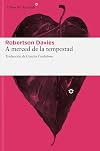
Leer a Robertson Davies es un acierto seguro. Davies era un inteligente y refinado narrador, dueño de un sutil sentido del humor y una erudición privilegiada, características todas ellas que se hacen evidentes tanto en sus diálogos como en sus descripciones. Esto, unido a un pulso narrativo encomiable, hace que la lectura de sus novelas sea una delicia para el paladar más exigente.
'A merced de la tempestad' fue la primera novela que escribió el canadiense Robertson Davies, en el año show more 1951, libro que formaría posteriormente parte de la llamada Trilogía de Salterton (siendo las otras dos ‘Levadura de malicia’ y ‘Una mezcla de flaquezas’), localidad ficticia donde transcurren las tres novelas.
La historia que nos plantea Davies en 'A merced de la tempestad' es todo un homenaje al teatro, elemento que el autor, dramaturgo excelso, dominaba a la perfección. En ella se nos presenta a una serie de personajes, todos ellos actores aficionados, que desean representar La tempestad de Shakespeare. Pero a la presidenta del llamado Teatro Joven, se le ha ocurrido la idea de convertir la obra en una representación pastoril, y para ello han sido elegidos los jardines de St. Agnes, residencia de los Webster. Las desavenencias no se harán esperar.
Davies es un maestro a la hora de describirnos el ambiente en el que transcurrirá la novela, así como los personajes, la misma Salterton, con sus dos catedrales, los paisajes o la arquitectura. Desde el inicio, cuando se nos presenta el escenario en el que va a devenir la trama, Davies nos atrapa. Posteriormente, cuando asistimos al reparto de papeles entre el variopinto grupo de miembros de aficionados al teatro, a los ensayos y a la representación de La tempestad, caemos rendidos ante el saber hacer del escritor canadiense. Y es que los personajes son memorables: Hector Mackilwraith, profesor estricto de matemáticas al que le ha picado el gusanillo de las tablas; la presidenta del Teatro Joven, Nellie Forrester; las hijas del señor Webster, Griselda, que volverá loco a medio reparto, y Freddy, la pequeña aficionada a fabricar sidra; Solly, el joven ayudante de la directora Valentine; y un montón más de secundarios, a cual más delicioso. Davies realiza un meritorio análisis psicológico de las diferentes clases sociales que pueblan Salterton, poniendo de manifiesto sus debilidades y pasiones, todo ello no exento de un gran sentido del humor.
Cuando se habla de Robertson Davies, siempre se le vincula a grandes maestros como Charles Dickens, y su influencia se hace notar también en autores como John Irving. Pero para mí Robertson Davies es único. Tenía una capacidad extraordinaria para crear personajes creíbles y consistentes, y sus historias son intemporales. 'A merced de la tempestad', siendo como es la primera novela que escribió Davies, no llega a la altura de otras obras suyas del mismo corte, como pueda ser 'Ángeles rebeldes', pero su calidad es innegable. Ágil y amena a partes iguales, es una altamente recomendable. show less
'A merced de la tempestad' fue la primera novela que escribió el canadiense Robertson Davies, en el año show more 1951, libro que formaría posteriormente parte de la llamada Trilogía de Salterton (siendo las otras dos ‘Levadura de malicia’ y ‘Una mezcla de flaquezas’), localidad ficticia donde transcurren las tres novelas.
La historia que nos plantea Davies en 'A merced de la tempestad' es todo un homenaje al teatro, elemento que el autor, dramaturgo excelso, dominaba a la perfección. En ella se nos presenta a una serie de personajes, todos ellos actores aficionados, que desean representar La tempestad de Shakespeare. Pero a la presidenta del llamado Teatro Joven, se le ha ocurrido la idea de convertir la obra en una representación pastoril, y para ello han sido elegidos los jardines de St. Agnes, residencia de los Webster. Las desavenencias no se harán esperar.
Davies es un maestro a la hora de describirnos el ambiente en el que transcurrirá la novela, así como los personajes, la misma Salterton, con sus dos catedrales, los paisajes o la arquitectura. Desde el inicio, cuando se nos presenta el escenario en el que va a devenir la trama, Davies nos atrapa. Posteriormente, cuando asistimos al reparto de papeles entre el variopinto grupo de miembros de aficionados al teatro, a los ensayos y a la representación de La tempestad, caemos rendidos ante el saber hacer del escritor canadiense. Y es que los personajes son memorables: Hector Mackilwraith, profesor estricto de matemáticas al que le ha picado el gusanillo de las tablas; la presidenta del Teatro Joven, Nellie Forrester; las hijas del señor Webster, Griselda, que volverá loco a medio reparto, y Freddy, la pequeña aficionada a fabricar sidra; Solly, el joven ayudante de la directora Valentine; y un montón más de secundarios, a cual más delicioso. Davies realiza un meritorio análisis psicológico de las diferentes clases sociales que pueblan Salterton, poniendo de manifiesto sus debilidades y pasiones, todo ello no exento de un gran sentido del humor.
Cuando se habla de Robertson Davies, siempre se le vincula a grandes maestros como Charles Dickens, y su influencia se hace notar también en autores como John Irving. Pero para mí Robertson Davies es único. Tenía una capacidad extraordinaria para crear personajes creíbles y consistentes, y sus historias son intemporales. 'A merced de la tempestad', siendo como es la primera novela que escribió Davies, no llega a la altura de otras obras suyas del mismo corte, como pueda ser 'Ángeles rebeldes', pero su calidad es innegable. Ágil y amena a partes iguales, es una altamente recomendable. show less
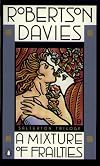
In this weird time in our human history, Davies is like a balm to my soul. His writing is insightful and witty, warmly crisp and engaging, and hits all the emotional marks, celebrating the passions, fears, and silliness of humankind. In this, the conclusion to the Salterton Trilogy, the story of Solomon Bridgetower and Pearl Vambrace, which began in such an unlikely fashion in the previous volume, is tied up neatly, as they endure the vengeance of Mrs. Bridgetower, exacted upon them from her show more grave. In crafting her legacy thus, the story of Monica Gall, an indifferent girl who happens to be a singer of some talent, begins. Monica becomes the heiress of a complicated trust designed by Mrs. Bridgetower, which allows--indeed, demands--that she go off to Europe to pursue music as a career, a path which would never have occurred to her in the natural course of her life. But, she travels to London (as my own daughter has done, at Monica's age!), falls in with a varied and, at times, motley crew of musical teachers, and finds herself working toward a success she's not quite sure she deserves. She is filled with Canadian humility and propelled by the passions that consume young women, and her trajectory is informed by both of those qualities. When the story winds down, all injustices appear to be set to right, and Monica is faced with a choice that could change her life forever (again). So excellently written is this tale that I don't even care that the reader doesn't get to know what her decision is, because I get to imagine it. show less

Highly weird (though it starts off in a mundane enough way) but BRILLIANT prose and unforgettable characters.
The narrator- a history master/ author on the brink of retirement - relates his life story. As the son of a fairly average family in a small Canadian town at the turn of the century, things change forever when an accident brings him into contact with the pregnant girl bride of the dour local vicar..
Myth, magic, religion...I loved it.
The narrator- a history master/ author on the brink of retirement - relates his life story. As the son of a fairly average family in a small Canadian town at the turn of the century, things change forever when an accident brings him into contact with the pregnant girl bride of the dour local vicar..
Myth, magic, religion...I loved it.
Lists
Favourite Books (1)
1970 Club (1)
Booker Prize (1)
Folio Society (1)
Unread books (1)
AP Lit (1)
Awards


You May Also Like


Associated Authors
Statistics
- Works
- 89
- Also by
- 12
- Members
- 24,729
- Popularity
- #848
- Rating
- 4.1
- Reviews
- 472
- ISBNs
- 453
- Languages
- 18
- Favorited
- 233


