
George Peele (1556–1596)
Author of Titus Andronicus
About the Author
Peele wrote a variety of plays: Edward I, an English Chronicle history; The Battle of Alcazar, a foreign history; The Old Wives' Tale (1595), a folkloric narration; The Arraignment of Paris (1584), a mythological pastoral; and David and Bethsabe (1599), a biblical tragedy. Peele is predominantly a show more courtly dramatist best known for his fluent lyrical gifts. (Bowker Author Biography) show less
Works by George Peele
Dramatic Works of George Peele: The Arraignment of Paris / David and Bethsabe / The Old Wives Tale (Life and Works of George Peele, Vol. 3) (1970) 12 copies, 1 review
The dramatic and poetical works of Robert Greene & George Peele (1883) — Author — 8 copies, 1 review
Two Elizabethan stage abridgements: The battle of Alcazar & Orlando Furioso, an essay in critical bibliography (1990) 3 copies
Associated Works
The Graphic Canon, Vol. 1: From the Epic of Gilgamesh to Shakespeare to Dangerous Liaisons (2012) — Contributor — 304 copies, 7 reviews
The life and death of Jack Straw, 1594 (Malone Society) (2007) — attributed author, some editions — 4 copies
The Delphian Course : Part Seven : Story of the Drama, Nature Study — Contributor — 4 copies
Miscellaneous pieces of antient English poesie. Viz. The metamorphosis of Pigmalion's image, and certain satyres, By John Marston. The scourge of villanie, By the same. The… — Contributor — 3 copies
[Malone Society Plays 1910-1911] — Contributor — 1 copy
Tagged
Common Knowledge
- Birthdate
- 1556
- Date of death
- 1596
- Gender
- male
- Education
- University of Oxford
- Occupations
- dramatist
- Nationality
- UK
- Birthplace
- London, England, UK
- Places of residence
- London, England (birth)
- Map Location
- England, UK
Members
Reviews
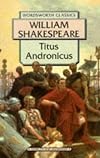
Not Shakespeare's finest hour, Titus Andronicus is a stodgy and tasteless piece of drama so variable in quality that scholars struggle to place it chronologically in Shakespeare's artistic development, and many come to believe it was a collaborative effort with other playwrights, or perhaps not even written by Shakespeare at all. So over-the-top and ham-fisted is the play that the critic Harold Bloom was able to make a reasonably sound argument that Shakespeare intended it as a Mel show more Brooks-style spoof.
On the face of it, it's a crowd-pleaser: an orgiastic revenge story with scheming and torture and blood-lusting soliloquies. However, unlike, say, the later Macbeth, there's no real art, finesse or plot to give the violence some structure, and the result is a grimy stew of gore and bile. Its revenge arc is simplistic and unreflective, and yet simultaneously hard to understand. Much of the drama is resolved in abrupt stage actions [x stabs y, y falls] than in the ingenious confluence of plot, theme and lyricism for which the Bard was to win eternal renown. Titus Andronicus is Shakespeare's video nasty; a footnote in the finest career. show less
On the face of it, it's a crowd-pleaser: an orgiastic revenge story with scheming and torture and blood-lusting soliloquies. However, unlike, say, the later Macbeth, there's no real art, finesse or plot to give the violence some structure, and the result is a grimy stew of gore and bile. Its revenge arc is simplistic and unreflective, and yet simultaneously hard to understand. Much of the drama is resolved in abrupt stage actions [x stabs y, y falls] than in the ingenious confluence of plot, theme and lyricism for which the Bard was to win eternal renown. Titus Andronicus is Shakespeare's video nasty; a footnote in the finest career. show less
Titus Andronicus: The Oxford Shakespeare: The Oxford Shakespearetitus Andronicus (Oxford World's Classics) by William Shakespeare
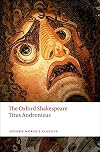
The once was a Roman named Titus
Who thought that his cause was righteous,
But he brought in the Goths,
Then the deaths came in swaths;
I guess that’s one way to end this bloody crisis
(Of a play, that is)
Did we write a bullshit limerick in response to Shakespeare’s alleged first tragedy? Yes, yes we did. The tale of Titus Andronicus is so full of seemingly pointless violence and brutality that it’s almost impossible to treat it as a play with any sort or moral compass or seriousness, and show more instead we must accept that we’re here to see a bunch of people wreak vengeance on eachother from start to finish in a never ending cycle of (military) might doesn’t make right. Unlike Shakespeare’s other Roman plays, Titus isn’t based on any historical account, and the character depth that comes to define the Bard’s more mature work hasn’t yet been developed, so what we’re left with is a play that relies on a pastiche of myths, moments of violence, and a barely developed political schema to drive the narration. I’m sure Elizabethan audiences were as entranced by this shellac as modern day viewers of staged wrestling are (same vapid entertainment for the masses), but damn, William, this is some ridiculous tripe! show less
Who thought that his cause was righteous,
But he brought in the Goths,
Then the deaths came in swaths;
I guess that’s one way to end this bloody crisis
(Of a play, that is)
Did we write a bullshit limerick in response to Shakespeare’s alleged first tragedy? Yes, yes we did. The tale of Titus Andronicus is so full of seemingly pointless violence and brutality that it’s almost impossible to treat it as a play with any sort or moral compass or seriousness, and show more instead we must accept that we’re here to see a bunch of people wreak vengeance on eachother from start to finish in a never ending cycle of (military) might doesn’t make right. Unlike Shakespeare’s other Roman plays, Titus isn’t based on any historical account, and the character depth that comes to define the Bard’s more mature work hasn’t yet been developed, so what we’re left with is a play that relies on a pastiche of myths, moments of violence, and a barely developed political schema to drive the narration. I’m sure Elizabethan audiences were as entranced by this shellac as modern day viewers of staged wrestling are (same vapid entertainment for the masses), but damn, William, this is some ridiculous tripe! show less
Hamlet is better-written; but Titus is more fun.
Okay, but really. The characters are cruel and sarcastic. After his daughter is raped and tortured, his son dead by his hands, his son-in-law murdered, and his own hand removed in a wicked, failed plot to save the life of (yet more) sons - after all this, and I skipped over a good bit - Titus mocks the hell out of his brother, the good Marcus, who kills a fly at the dinner table.
A deed of death done on the innocent
Becomes not Titus' brother: show more get thee gone ...
But how, if that fly had a father and mother?
How would he hang his slender gilded wings,
And buzz lamenting doings in the air!
Poor harmless fly,
That, with his pretty buzzing melody,
Came here to make us merry! and thou hast kill'd him.
And then in the next scene, Titus kills two young men, their mother, and his own daughter - he probably would have gone on murdering but he's killed himself before he gets the chance - so is this "alas the poor murdered fly" bit sarcasm? insanity, real or feigned? neither? both? DOES IT MATTER?
The Tamor film is my favorite (aside from the play itself); the actors are marvelously unaware of their IMPENDING DOOOOM (with the exception of Anthony Hopkins who always looks like he's near death, in a spiritual sense) - and the lush texture of scenery and costuming and decadence heightens heightens heightens.
The best bit, cinematic-ally speaking, is the little petty cruelty of Lavinia and Bassianus, who - lest you should think they are good people! - mock Tamora in her adulterous ways. Since Tamora's marriage was forced and Lavinia herself was almost forcibly married to the same man, one would expect her to have some sympathy for the poor exiled Queen. HOWEVER. NO.
Under your patience, gentle empress,
'Tis thought you have a goodly gift in horning ...
Jove shield your husband from his hounds to-day!
'Tis pity they should take him for a stag.
-- and are roundly punished for it. Bassianus is murdered and Lavinia left to scream and beg and plea -- not for life, "for poor I was slain when Bassianus died" - but that Tamora kill her at once. THIS IS NOT TO BE. As Demetrius puts it (so chillingly)
"First thrash the corn, then after burn the straw."
No one in this play is getting out alive. show less
Okay, but really. The characters are cruel and sarcastic. After his daughter is raped and tortured, his son dead by his hands, his son-in-law murdered, and his own hand removed in a wicked, failed plot to save the life of (yet more) sons - after all this, and I skipped over a good bit - Titus mocks the hell out of his brother, the good Marcus, who kills a fly at the dinner table.
A deed of death done on the innocent
Becomes not Titus' brother: show more get thee gone ...
But how, if that fly had a father and mother?
How would he hang his slender gilded wings,
And buzz lamenting doings in the air!
Poor harmless fly,
That, with his pretty buzzing melody,
Came here to make us merry! and thou hast kill'd him.
And then in the next scene, Titus kills two young men, their mother, and his own daughter - he probably would have gone on murdering but he's killed himself before he gets the chance - so is this "alas the poor murdered fly" bit sarcasm? insanity, real or feigned? neither? both? DOES IT MATTER?
The Tamor film is my favorite (aside from the play itself); the actors are marvelously unaware of their IMPENDING DOOOOM (with the exception of Anthony Hopkins who always looks like he's near death, in a spiritual sense) - and the lush texture of scenery and costuming and decadence heightens heightens heightens.
The best bit, cinematic-ally speaking, is the little petty cruelty of Lavinia and Bassianus, who - lest you should think they are good people! - mock Tamora in her adulterous ways. Since Tamora's marriage was forced and Lavinia herself was almost forcibly married to the same man, one would expect her to have some sympathy for the poor exiled Queen. HOWEVER. NO.
Under your patience, gentle empress,
'Tis thought you have a goodly gift in horning ...
Jove shield your husband from his hounds to-day!
'Tis pity they should take him for a stag.
-- and are roundly punished for it. Bassianus is murdered and Lavinia left to scream and beg and plea -- not for life, "for poor I was slain when Bassianus died" - but that Tamora kill her at once. THIS IS NOT TO BE. As Demetrius puts it (so chillingly)
"First thrash the corn, then after burn the straw."
No one in this play is getting out alive. show less

My godfathers, this is bloody! The cast count at the end is barely a fraction of the beginning. I can imagine actors eyeing up how far they survive rather than a measure of how many lines they get.
Titus Andronicus returns to Rome with the Queen of the Goths and her sons as prisoners. He has lost 21 sons in the 10 years at the wars, and his first act is the sacrifice the Queen's eldest son to the gods and honour his own dead. It doesn't really get a lot better from there on in.
I listened to show more this and it was actually really easy to follow because the characters have a habit of announcing themselves by name, so that it's usually pretty clear who our of this predominantly male cast was speaking. The subject matter is so very grim that I can't imagine that this is easy to watch (I barely coped with seeing the King Lear eye scene, this would have been worse). Difficult to rate, it's so terribly violent that it almost becomes cartoonish. I suggest some of the others as better plays and more enjoyable subject matter. show less
Titus Andronicus returns to Rome with the Queen of the Goths and her sons as prisoners. He has lost 21 sons in the 10 years at the wars, and his first act is the sacrifice the Queen's eldest son to the gods and honour his own dead. It doesn't really get a lot better from there on in.
I listened to show more this and it was actually really easy to follow because the characters have a habit of announcing themselves by name, so that it's usually pretty clear who our of this predominantly male cast was speaking. The subject matter is so very grim that I can't imagine that this is easy to watch (I barely coped with seeing the King Lear eye scene, this would have been worse). Difficult to rate, it's so terribly violent that it almost becomes cartoonish. I suggest some of the others as better plays and more enjoyable subject matter. show less
Lists
Read (1)
You May Also Like


Associated Authors
Statistics
- Works
- 30
- Also by
- 20
- Members
- 3,276
- Popularity
- #7,813
- Rating
- 3.7
- Reviews
- 62
- ISBNs
- 208
- Languages
- 17