
Richard Florida
Author of The Rise of the Creative Class: And How It's Transforming Work, Leisure, Community and Everyday Life
About the Author
Richard Florida is university professor and the director of cities at the Martin Prosperity Institute at the University of Toronto, a distinguished visiting fellow at NYU's Shack Institute of Real Estate, and the cofounder and editor-at-large of The Atlantic's CityLab.
Image credit: http://www.creativeclass.com/
Works by Richard Florida
The Rise of the Creative Class: And How It's Transforming Work, Leisure, Community and Everyday Life (2002) 1,420 copies, 10 reviews
Who's Your City?: How the Creative Economy Is Making Where to Live the Most Important Decision of Your Life (2008) 478 copies, 11 reviews
The Flight of the Creative Class: The New Global Competition for Talent (2005) 300 copies, 3 reviews
The New Urban Crisis: How Our Cities Are Increasing Inequality, Deepening Segregation, and Failing the Middle Class-and What We Can Do About It (2017) 178 copies, 3 reviews
The Great Reset: How New Ways of Living and Working Drive Post-Crash Prosperity (2010) 172 copies, 5 reviews
The New Urban Crisis: Gentrification, Housing Bubbles, Growing Inequality, and What We Can Do About It (2017) 22 copies
The Breakthrough Illusion: Corporate America's Failure To Move From Innovation To Mass Production (1990) 10 copies
Kūrybinės klasės iškilimas 1 copy
Who’s Your City 1 copy
Associated Works
Retrofitting Suburbia: Urban Design Solutions for Redesigning Suburbs (2009) — Foreword, some editions — 115 copies, 1 review
Tagged
Common Knowledge
- Canonical name
- Florida, Richard
- Legal name
- Florida, Richard L.
- Birthdate
- 1957-11-26
- Gender
- male
- Education
- Columbia University
George Mason University (School Of Public Policy) - Occupations
- professor (Martin Prosperity Institute, Rotman School Of Management, University Of Toronto)
lecturer (Heinz College, Carnegie Mellon University) - Organizations
- University of Toronto
The Atlantic Monthly - Nationality
- USA
- Birthplace
- Newark, New Jersey, USA
- Places of residence
- Toronto, Ontario, Canada
Pittsburgh, Pennsylvania, USA - Associated Place (for map)
- USA
Members
Reviews
The New Urban Crisis: How Our Cities Are Increasing Inequality, Deepening Segregation, and Failing the Middle Class-and What We Can Do About It by Richard Florida
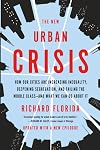
This book, which manages to be both readable and academic, looks closely at the problems of cities and inequality. I particularly appreciated the last few chapters, when the author proposes some solutions to the examined problems. I would have liked, however, a deeper analysis of the historical parallels to New Deal programs the author references as potential solutions. An interesting read, especially as the issues explored remain prominent.
Who's Your City?: How the Creative Economy Is Making Where You Live the Most Important Decision of Your Life: How the Creative Economy is Making Where to Live the Most Important Decision of Your Life by Richard Florida
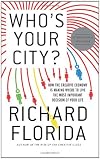
I can barely claim to have read this book, since I skimmed the first two parts pretty mercilessly, slowed down a bit in the third part and then read a couple of the chapters in the fourth part properly. The trouble is that so much of the early parts of the book are just about laying out the empirical evidence of something that seems pretty obvious - place is important, certain types of economic activity take place in certain locations.
Part III is entitled "The Geography of Happiness" and show more despite the fact that I don't approve of the notion of "happiness" as it's defined in a lot of positive psychology and development economics, this section is where some new ideas emerge. The notion that cities have personalities is interesting, and the fact that the authors find evidence that people are happier when they live in places that match their personality is important if the reader is to take the self-help section of the book seriously.
Part IV offers some suggestions for people trying to decide where to live, and I found this very helpful. In the Australian context things are a bit simpler than they are in the US, since there are relatively few options when it comes to major cities, but nevertheless the criteria outlined are interesting and the process Richard Florida recommends is nicely set out.
If you think where you live might be making you unhappy, this book offers a way of deciding if it really is and a plan of action for deciding where you might want to go. show less
Part III is entitled "The Geography of Happiness" and show more despite the fact that I don't approve of the notion of "happiness" as it's defined in a lot of positive psychology and development economics, this section is where some new ideas emerge. The notion that cities have personalities is interesting, and the fact that the authors find evidence that people are happier when they live in places that match their personality is important if the reader is to take the self-help section of the book seriously.
Part IV offers some suggestions for people trying to decide where to live, and I found this very helpful. In the Australian context things are a bit simpler than they are in the US, since there are relatively few options when it comes to major cities, but nevertheless the criteria outlined are interesting and the process Richard Florida recommends is nicely set out.
If you think where you live might be making you unhappy, this book offers a way of deciding if it really is and a plan of action for deciding where you might want to go. show less
The Rise of the Creative Class: And How It's Transforming Work, Leisure, Community and Everyday Life by Richard Florida
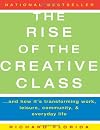
Carnegie Mellon University professor, Richard Florida provides an astute and extensively researched explanation of the massive cultural shifts in U.S. society over the last 30 years that have caused an entirely new social class to develop: the Creative Class. Numbering close to 40 million people, the creative class consists of workers whose intellectual energy is primarily applied to innovation, problem solving, and development of new products or services. A creative class member is show more distinguished from a working class or service class person by the fact that he or she has to figure out how to do something as opposed to just doing something that has already been figured out. The primary premise of Florida's book is that creative work brings the greatest economic benefit to society and distinct geographical regions with superior economic climates are forming around the creative workforce while leaving other areas stuck in the past and struggling to sustain their economies.
Creative workers occupy many fields like engineering, architecture, medicine, law, art, entertainment, design, media, education, and the sciences. Because the demands of creative work do not necessarily fit into a traditional regimented work day with precise start and stop times, employees have been needing and often getting flexible schedules, homier work environments, and lax dress codes. The growth of the creative workforce is also changing society. The recreational needs of creative workers are much different than shift workers of previous generations. Creative workers like individual sports like bicycling far more than team sports because they want to do something on their schedules, which are often erratic.
Creative workers deliver so much economic benefit to society because of the innovation that they are capable of producing. Whole new massive industries like personal computing emerged from passionate creative entrepreneurs. Creative workers can enable any business or industry to rise above its competitors by creating superior manufacturing systems, better management systems, better customer service, and of course brand new products that energize marketplaces.
Florida makes the point that the creative professionals of today are vastly different than the professionals of a few decades ago when the organizational model prevailed. During the organizational age, massive companies controlled their workforces with strict command and control models that eventually stifled innovation. However, the workers, if they towed the company line, could realistically expect lifetime employment and promotions as they climbed the corporate ladder. The ethos of the organizational age dissolved during the 1990s when companies across the board decided to downsize and outsource. Gone was the expectation of lifetime employment, and many workers, especially creative workers, quickly learned that loyalty to a company was a waste of time because they could get the sack at any moment regardless of doing good work. As a result, creative workers of all types have shown a great tendency, as documented by Florida's research, to congregate in regions that offer many job opportunities related to their chosen fields so they can find new jobs as necessary. Creative workers are also very finicky about where they live because they want to live in culturally stimulating environments with robust music scenes, theater, street festivals, and so forth. They also crave nice outdoor recreation areas like bike paths and green spaces as opposed to organized entertainments like theme parks. In fact, tasteless things like box stores and chain restaurants, which Florida labels generica, are anathema to creative workers.
Creative workers in general also crave tolerant societies in which to live. They need environments that easily welcome their quirky and often downright nerdy selves. This is why they tend to be attracted to enclaves of Bohemian style people like artists, writers, and musicians. Such tolerant areas, like the obvious example of San Francisco, almost always have strong gay communities too. Florida found a significant correlation between flourishing gay regions and the presence of creative economies. This was not because all gay people are creative, but gay people face a lot of discrimination and hatred and therefore congregate in tolerant regions. Therefore social tolerance was a leading indicator of a strong economic climate when compared to socially intolerant regions.
In addition to tolerance, creative economies also need access to technology, which is usually promoted by the presence of research universities. Talent was the final requirement for creating a strong creative economic region. Studies strongly showed that talented creative workers were likely to move to regions that had both tolerance and technologically innovative universities and companies. If one element was missing, then a break away creative economy could not come fully into bloom.
As a result, whole industries are starting to relocate to the robust centers of creative workforces so they can have talent pools from which to draw. Major examples of such regions cited by Florida were Austin, Boston, San Francisco, and Seattle.
The author also seeks with this book to make creative workers conscious of their emerging and distinctive class. They have in general been very self absorbed, but Florida entreats them to play a more active role in the shaping of the country because the old school forces of the organizational age persist and tend to pursue ill-conceived and outdated projects that do not help the economy and sometimes even make it worse. The author basically harps on the wasted billions of dollars that governments and economic development corporations slather onto sports stadiums and shopping malls, which are proven to do nothing to enliven local economies. A successful economic future for the country is dependent on creative workers hauling the rest of the country into the twenty first century. Florida wants creative class members to push society toward a more creative model so that the vast untapped creative resources of people in other classes can be nourished instead of wasted. This would make people happier and improve the economy.
This book is tremendously well written. The author has an engaging style that is supported by abundant facts, statistics, and anecdotes. All creative workers should find that it rings very true with their personal experiences, beliefs, and tastes. I know it did for me. After reading this book, I consider myself enlightened to a reality that I felt but was not aware of intellectually or consciously. For anyone interested in understanding systemic problems with the U.S. economy and social trends, The Rise of the Creative Class is highly recommended and truly fascinating. show less
Creative workers occupy many fields like engineering, architecture, medicine, law, art, entertainment, design, media, education, and the sciences. Because the demands of creative work do not necessarily fit into a traditional regimented work day with precise start and stop times, employees have been needing and often getting flexible schedules, homier work environments, and lax dress codes. The growth of the creative workforce is also changing society. The recreational needs of creative workers are much different than shift workers of previous generations. Creative workers like individual sports like bicycling far more than team sports because they want to do something on their schedules, which are often erratic.
Creative workers deliver so much economic benefit to society because of the innovation that they are capable of producing. Whole new massive industries like personal computing emerged from passionate creative entrepreneurs. Creative workers can enable any business or industry to rise above its competitors by creating superior manufacturing systems, better management systems, better customer service, and of course brand new products that energize marketplaces.
Florida makes the point that the creative professionals of today are vastly different than the professionals of a few decades ago when the organizational model prevailed. During the organizational age, massive companies controlled their workforces with strict command and control models that eventually stifled innovation. However, the workers, if they towed the company line, could realistically expect lifetime employment and promotions as they climbed the corporate ladder. The ethos of the organizational age dissolved during the 1990s when companies across the board decided to downsize and outsource. Gone was the expectation of lifetime employment, and many workers, especially creative workers, quickly learned that loyalty to a company was a waste of time because they could get the sack at any moment regardless of doing good work. As a result, creative workers of all types have shown a great tendency, as documented by Florida's research, to congregate in regions that offer many job opportunities related to their chosen fields so they can find new jobs as necessary. Creative workers are also very finicky about where they live because they want to live in culturally stimulating environments with robust music scenes, theater, street festivals, and so forth. They also crave nice outdoor recreation areas like bike paths and green spaces as opposed to organized entertainments like theme parks. In fact, tasteless things like box stores and chain restaurants, which Florida labels generica, are anathema to creative workers.
Creative workers in general also crave tolerant societies in which to live. They need environments that easily welcome their quirky and often downright nerdy selves. This is why they tend to be attracted to enclaves of Bohemian style people like artists, writers, and musicians. Such tolerant areas, like the obvious example of San Francisco, almost always have strong gay communities too. Florida found a significant correlation between flourishing gay regions and the presence of creative economies. This was not because all gay people are creative, but gay people face a lot of discrimination and hatred and therefore congregate in tolerant regions. Therefore social tolerance was a leading indicator of a strong economic climate when compared to socially intolerant regions.
In addition to tolerance, creative economies also need access to technology, which is usually promoted by the presence of research universities. Talent was the final requirement for creating a strong creative economic region. Studies strongly showed that talented creative workers were likely to move to regions that had both tolerance and technologically innovative universities and companies. If one element was missing, then a break away creative economy could not come fully into bloom.
As a result, whole industries are starting to relocate to the robust centers of creative workforces so they can have talent pools from which to draw. Major examples of such regions cited by Florida were Austin, Boston, San Francisco, and Seattle.
The author also seeks with this book to make creative workers conscious of their emerging and distinctive class. They have in general been very self absorbed, but Florida entreats them to play a more active role in the shaping of the country because the old school forces of the organizational age persist and tend to pursue ill-conceived and outdated projects that do not help the economy and sometimes even make it worse. The author basically harps on the wasted billions of dollars that governments and economic development corporations slather onto sports stadiums and shopping malls, which are proven to do nothing to enliven local economies. A successful economic future for the country is dependent on creative workers hauling the rest of the country into the twenty first century. Florida wants creative class members to push society toward a more creative model so that the vast untapped creative resources of people in other classes can be nourished instead of wasted. This would make people happier and improve the economy.
This book is tremendously well written. The author has an engaging style that is supported by abundant facts, statistics, and anecdotes. All creative workers should find that it rings very true with their personal experiences, beliefs, and tastes. I know it did for me. After reading this book, I consider myself enlightened to a reality that I felt but was not aware of intellectually or consciously. For anyone interested in understanding systemic problems with the U.S. economy and social trends, The Rise of the Creative Class is highly recommended and truly fascinating. show less
Who's Your City?: How the Creative Economy Is Making Where to Live the Most Important Decision of Your Life by Richard Florida
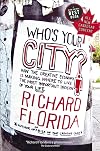
This terrific book looks at the importance of place and cities in our lives. Where do we need to be to succeed in our careers, personal lives? What places are best suited to our personalities, wants and needs? This book strives to look at the influences people have on cities and vice versa. It's written in a compelling and accessible way with plenty of maps, charts and data and a final chapter asking pointed questions to help the reader find a best-suited city. My only complaint: it's show more limited to North America. With Europe, Oceania, Latin America and Asia as world leaders in their own rights, it would have been great to have that global perspective. show less
Lists
Sociology (1)
Unread books (1)
Awards

You May Also Like


Associated Authors
Statistics
- Works
- 22
- Also by
- 2
- Members
- 2,697
- Popularity
- #9,524
- Rating
- 3.5
- Reviews
- 33
- ISBNs
- 76
- Languages
- 10
- Favorited
- 1
