
Giuseppe Ungaretti (1888–1970)
Author of Poesie
About the Author
Born in Egypt of Tuscan parents, Ungaretti went to Paris in 1912 to complete his education, attending the lectures of Henri Bergson and forming friendships with distinguished members of the avant-garde, including Picasso, Modigliani, and Apollinaire. For a time he was swept up by the futurist show more movement of Filippo Tommaso Marinetti, affected more by its nationalistic spirit, however, than by the new poetics. A lover of the written word, Ungaretti's aim in poetry was to find a new language that was simple, precise, melodious, and compelling. His World War I experiences in the Italian army inspired his earliest poetry, first in Italian, Il porto sepolto (1916), and then in French, La guerre (1919). A 1923 edition of the former included a preface by Benito Mussolini. In 1936 Ungaretti left Italy to teach Italian literature in Brazil, out of which grew his subsequently published critical essays on Dante, Petrarch (see also Vol. 4), Vico, and Leopardi, but he returned to Italy in 1942. After Italy's defeat in the war, he received critical attention internationally, spent the year 1964 teaching at Columbia University, and returned to Milan, where he died. Allegria di naufragi (The Joy of Shipwrecks) has been the very Leopardian title of a number of editions of his poems. A translator of Shakespeare, Blake, Gongora, Racine, and Mallarme, Ungaretti was for a long time the leading poet of the so-called hermetic school; but, in retrospect, it becomes clear that his chief models for the craft of poetry were Leopardi and Petrarch. (Bowker Author Biography) show less
Works by Giuseppe Ungaretti
Per conoscere Ungaretti — Author — 7 copies
Un grido e paesaggi 4 copies
17: Giuseppe Ungaretti 4 copies
Poesie disperse 4 copies
Lezioni su Giacomo Leopardi 4 copies
Filosofia fantastica (manca) 3 copies
»Angefügt, nahtlos, dem Heute« / »Agglutinati all'oggi«. Paul Celan übersetzt Giuseppe Ungaretti (2006) 3 copies
Le Prose daunie 2 copies
Allegria di naufragi 1 copy
Poesie e prose liriche 1 copy
2 poesis 1 copy
الأعمال الشعرية الكاملة 1 copy
La guerre: une poésie 1 copy
La terra promessa 1 copy
NDJENJA E KOHËS 1 copy
Das verheissene Land. Das Merkbuch des Alten. Zweisprachige Ausgabe. Deutsch von Paul Celan. (1997) 1 copy
diVersi 1 copy
Per conoscere Ungaretti 1 copy
POEZI TË ZGJEDHURA 1 copy
Il povero nella città 1 copy
La Luce : poesie 1914-1961 1 copy
La grande poesia 1 copy
La terra promessa: frammenti 1 copy
Ποιήματα 1 copy
Poeti prigionieri 1 copy
"Lettere a un fenomenologo" 1 copy
Les cinq livres 1 copy
Silenzio 1 copy
Innocence et mémoire 1 copy
KNAP 1991 Jan, Jan Knap 1 copy
Lettere a Soffici 1917-1930 1 copy
Sirènes 1 copy
Bucuria 1 copy
Tradusioni 1 copy
Da "Tutte le opere" 1 copy
Visioni di William Blake 1 copy
Quattro poesie di Ungaretti 1 copy
A partir du dŽsert 1 copy
Associated Works
World Poetry: An Anthology of Verse from Antiquity to Our Time (1998) — Contributor — 499 copies, 2 reviews
Tagged
Common Knowledge
- Birthdate
- 1888-02-10
- Date of death
- 1970-06-01
- Gender
- male
- Education
- Sorbonne University
Swiss School, Alexandia, Egypt - Occupations
- professor (University of Rome)
translator
poet
essayist
journalist
critic - Organizations
- Italian army (WWI)
- Awards and honors
- Neustadt International Prize for Literature (1970)
- Nationality
- Italy
- Birthplace
- Alexandria, Egypt
- Places of residence
- Paris, France
Alexandria, Egypt - Place of death
- Milan, Italy
- Associated Place (for map)
- Alexandria, Egypt
Members
Reviews

Ungaretti, l'autunno, i soldati. “Si sta come, d’autunno, sugli alberi, le foglie”. Questa famosa micro-poesia di Giuseppe Ungaretti venne scritta nel bosco di Courton, sul fronte della prima guerra mondiale. Il testo si riferisce alla condizione dei soldati. Ma, in effetti, tutto lascia pensare che i “soldati” siamo tutti noi uomini che affrontiamo la battaglia della vita, giorno dopo giorno.
Basta un colpo di fucile a far cadere il soldato. Alla stessa maniera basta un colpo di show more vento della vita a farci cadere. Se i soldati sono gli uomini, la guerra è la metafora della vita in tutta la sua precarietà e provvisorietà, nonostante i tentativi di certezze che gli stessi uomini si costruiscono, stagione dopo stagione. Una condizione che riguarda tutti indistintamente. Così si spiega quel “si sta”, freddamente impersonale e spietato nella sua drammatica e spesso dimenticata realtà. La velocità con la quale noi uomini rincorriamo i giorni della nostra battaglia esistenziale non ci permette di comprendere il senso di ciò che siamo e facciamo.
Certamente un modo come un altro per sfuggire a questa pesante, sempre presente incertezza che potrebbe rendere tutto instabile e precario se ci fermassimo tutti a fare le stesse considerazioni. Il mondo verrebbe ad una immobilità assoluta che nessuno uomo è in grado di concepire e tollerare. Soltanto chi è l’Autore di tutto questo potrà e saprà svelarci il segreto del tutto. Per ora dobbiamo accontentarci del mistero. Il mistero di una foglia che da verde si trasforma in gialla, si stacca dall’albero della vita, cade ed è destinata a decadere e marcire nel seno della madre terra che un giorno le diede i natali.
Ma mentre i soldati erano e, come in tante guerre ancora in atto, sono destinati a “cadere” sotto i colpi delle pallottole di altri uomini, le foglie hanno un loro destino predestinato al quale non possono sfuggire. Il destino dei soldati potrebbe essere eluso, evitato. Basta che gli uomini lo vogliano, basta che sospendano ogni azione di guerra. Le foglie non potranno sfuggire al loro destino segnato dall’arrivo dell’autunno. Così come nessuno essere umano potrà farlo. Le foglie che cadono e marciscono potranno un giorno rifiorire e rinascere nel ciclo naturale di madre natura. La stessa cosa potrà fare l’uomo che ha scelto di vivere il mistero della vita credendo nel mistero della resurrezione. show less
Basta un colpo di fucile a far cadere il soldato. Alla stessa maniera basta un colpo di show more vento della vita a farci cadere. Se i soldati sono gli uomini, la guerra è la metafora della vita in tutta la sua precarietà e provvisorietà, nonostante i tentativi di certezze che gli stessi uomini si costruiscono, stagione dopo stagione. Una condizione che riguarda tutti indistintamente. Così si spiega quel “si sta”, freddamente impersonale e spietato nella sua drammatica e spesso dimenticata realtà. La velocità con la quale noi uomini rincorriamo i giorni della nostra battaglia esistenziale non ci permette di comprendere il senso di ciò che siamo e facciamo.
Certamente un modo come un altro per sfuggire a questa pesante, sempre presente incertezza che potrebbe rendere tutto instabile e precario se ci fermassimo tutti a fare le stesse considerazioni. Il mondo verrebbe ad una immobilità assoluta che nessuno uomo è in grado di concepire e tollerare. Soltanto chi è l’Autore di tutto questo potrà e saprà svelarci il segreto del tutto. Per ora dobbiamo accontentarci del mistero. Il mistero di una foglia che da verde si trasforma in gialla, si stacca dall’albero della vita, cade ed è destinata a decadere e marcire nel seno della madre terra che un giorno le diede i natali.
Ma mentre i soldati erano e, come in tante guerre ancora in atto, sono destinati a “cadere” sotto i colpi delle pallottole di altri uomini, le foglie hanno un loro destino predestinato al quale non possono sfuggire. Il destino dei soldati potrebbe essere eluso, evitato. Basta che gli uomini lo vogliano, basta che sospendano ogni azione di guerra. Le foglie non potranno sfuggire al loro destino segnato dall’arrivo dell’autunno. Così come nessuno essere umano potrà farlo. Le foglie che cadono e marciscono potranno un giorno rifiorire e rinascere nel ciclo naturale di madre natura. La stessa cosa potrà fare l’uomo che ha scelto di vivere il mistero della vita credendo nel mistero della resurrezione. show less

Recentemente fiz um curso sobre tradução epistolar em que a Francesca Cricelli demonstrou todo seu amor por Giuseppe Ungaretti, como nunca havia lido nada dele, prontamente comprei essa edição bilíngue da EDUSP traduzida pelo Geraldo Holanda Cavalcanti e prefaciado pelo Alfredo Bosi. E que surpresa!
Surpresa no sentido de me deliciar com sua majestade poética sem nunca ter me interessado por ele antes, aliás o mundo dos poetas italianos me é muito nebuloso ainda, pouco conheço da show more história poética da Itália, claro, já li os medalhões mais famosos, mas ainda há todo um cânone a ser descoberto sobre o lirismo italiano através dos séculos, sem falar que estudar essas edições bilíngues dão um novo fôlego para meu italiano intermediário. show less
Surpresa no sentido de me deliciar com sua majestade poética sem nunca ter me interessado por ele antes, aliás o mundo dos poetas italianos me é muito nebuloso ainda, pouco conheço da show more história poética da Itália, claro, já li os medalhões mais famosos, mas ainda há todo um cânone a ser descoberto sobre o lirismo italiano através dos séculos, sem falar que estudar essas edições bilíngues dão um novo fôlego para meu italiano intermediário. show less

Estos poemas tienen mucho de empatía por los muertos. En un fragmento del siglo XX caracterizado por acciones que llevaron a personas de todo signo y nacionalidad a matarse como quien no tiene otra opción. Hay un sentimiento de soledad paternal, la emoción de alguien que ama a través de las inclemencias de los elementos y que no puede escuchar del otro lado más que tristeza, pero una tristeza que, por lo que se ve en los textos de otros que acompañan la recopilación, engendraron a un show more montón de artistas y marcaron a miles de lectores.
Después bueno, está el temita de que colaboró con Musolinni, qué se le va a hacer.
La traducción de Oreste Frattoni me da que tiene muchos problemas / errores. Algunos gruesos. show less
Después bueno, está el temita de que colaboró con Musolinni, qué se le va a hacer.
La traducción de Oreste Frattoni me da que tiene muchos problemas / errores. Algunos gruesos. show less
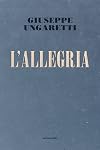
Non ho sempre un buon rapporto con le poesie, quindi ha aiutato molto nella lettura di questa raccolta che per la maggior parte i componimenti fossero molto brevi (e comunque quelli più corti erano di gran lunga i più belli!). Ho sofferto ogni tanto l’assenza di una spiegazione, ma per fortuna spesso non ce n’era bisogno, nel senso che pure non capendo le poesie ho potuto comunque apprezzare la bellezza delle parole e le sensazioni che trasmettevano.
show more target="_top">http://www.naufragio.it/iltempodileggere/23663
I don't always have a good relationship with poems, so it helped a lot in reading this collection that for the most part the poems were very short (and in any case the shortest ones were by far the most beautiful!). Sometimes I suffered from the absence of an explanation, but luckily there was not a real need for that: even though I didn't always understand the poems, I was still able to appreciate the beauty of the words and the sensations they conveyed. show less
show more target="_top">http://www.naufragio.it/iltempodileggere/23663
I don't always have a good relationship with poems, so it helped a lot in reading this collection that for the most part the poems were very short (and in any case the shortest ones were by far the most beautiful!). Sometimes I suffered from the absence of an explanation, but luckily there was not a real need for that: even though I didn't always understand the poems, I was still able to appreciate the beauty of the words and the sensations they conveyed. show less
Lists
Awards


You May Also Like


Associated Authors
Statistics
- Works
- 123
- Also by
- 6
- Members
- 983
- Popularity
- #26,195
- Rating
- 3.9
- Reviews
- 14
- ISBNs
- 100
- Languages
- 12
- Favorited
- 8