
Ruth Goodman
Author of How to Be a Victorian: A Dawn-to-Dusk Guide to Victorian Life
About the Author
Ruth Goodman is the author of multiple books on English domestic history, among them How to Be a Victorian. An historian of British social customs, she has presented a number of BBC television series, including Tudor Monastery Farm. She lives in the United Kingdom.
Series
Works by Ruth Goodman
How to Behave Badly in Elizabethan England: A Guide for Knaves, Fools, Harlots, Cuckolds, Drunkards, Liars, Thieves, and Braggarts (2018) 292 copies, 5 reviews
The Domestic Revolution: How the Introduction of Coal into Victorian Homes Changed Everything (2020) 181 copies, 5 reviews
Associated Works
Victorian Farm [2009 TV series] — Presenter — 2 copies
Wartime Farm [2012 TV series] — Presenter — 1 copy
Tagged
Common Knowledge
- Canonical name
- Goodman, Ruth
- Birthdate
- 1963
- Gender
- female
- Occupations
- historical interpreter
freelance historian
TV presenter
social historian
domestic historian - Organizations
- British Broadcasting Corporation
Victoria and Albert Museum - Awards and honors
- Honorary Doctorate, Bishop Grossteste University College Lincoln
- Agent
- Vicki McIvor (Take 3 Management)
Lesley O’Mara (Michael O’Mara Books) - Relationships
- Goodman, Mark (spouse)
- Nationality
- UK
- Birthplace
- Cardiff, Glamorgan, Wales, UK
- Associated Place (for map)
- Wales, UK
Members
Reviews
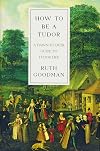
I liked this book even better than How to be a Victorian -- mostly because I like the time period more, but also just for the sheer distance into history that Goodman is writing about. As usual, a delight to read, with really engaging first person stories about reenacting and how things were done. The kinds of experiences that Goodman brings to the book are so incredibly useful for understanding the time period! Finally, someone explains floor rushes in a way that I can visual and show more understand. Marvelous, funny, and great, great history. show less
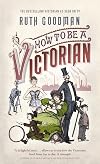
Wow. So much detail, but somehow it doesn't seem to be overwhelming or boring. I am eternally thankful not to be a Victorian, but I do find myself admiring them for casually accepting things (long work hours, decreased meal sizes and/or frequency, putting on only a couple layers of clothing) that we today would find immensely difficult to deal with. Add to that the fact that the author has actually lived as a Victorian, and you have an amazingly detailed and fascinating read that really show more brings history to life. show less
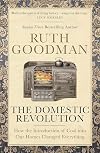
Absolutely spectacular book that traces the changes in everyday cooking and cleaning in Britain from the middle ages to the Edwardians -- which doesn't sound that interesting, but Goodman is an enthralling storyteller. Not only that, but she has a wonderful way of looking at the small and expanding it out to encompass an entire way of life. Has a lot of fascinating tidbits for the medieval reenactor, and really interesting things to say about alternate methods of cleaning than soap. Relates show more the astonishing impact on the landscape from the change to coal, and the colonial oppression that coincides with the rise of soap. I don't necessarily believe that every theory in this book is true, but I appreciate a tidy history and a compelling argument, and this book has those in spades.
Also, I totally want to make oatmeal bars on our next medieval camping trip.
Advanced Readers Copy provided by Edelweiss. show less
Also, I totally want to make oatmeal bars on our next medieval camping trip.
Advanced Readers Copy provided by Edelweiss. show less
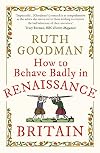
I managed to leave the frustrations of Melbourne lockdown behind me while visiting Renaissance Britain with one of my favourite historians Ruth Goodman this month. In How to Behave Badly in Renaissance Britain, Ruth Goodman covers the many ways in which a person could offend, upset, aggravate and disrespect others in Renaissance Britain, which includes the Stuart and Tudor period. Interestingly, the book has been published under a different title in America, How to Behave Badly in show more Elizabethan England: A Guide for Knaves, Fools, Harlots, Cuckolds, Drunkards, Liars, Thieves, and Braggarts.
The book draws on a range of reference materials, including court records, letters, books, pamphlets and more, and Goodman describes the etiquette and manners of the times, and the way in which those who deviated from what was deemed acceptable or expected behaviour were rude, crass and unpleasant company.
Your dress and bearing immediately indicated your class and social standing, with everyone expected to respect their 'betters'. I continue to be fascinated by the changing fashions and the way in which garments and trends often altered a person's bearing, from the way they held themselves to the way they walked or entered a room. I especially enjoyed the chapter on bowing and curtseying but dearly wished for accompanying images or video footage to demonstrate the movements being described.
The insults were cutting and occasionally amusing, especially the author's favourite "turd in your teeth". Goodman provides interesting insights into the changing meaning of descriptions like knave and swashbuckler and I enjoyed other words from the period including: wastrel, fool, strumpet, drunkard and stinkard.
Chapter 5 covered Disgusting Habits and not much has changed over the centuries when it comes to personal hygiene and revolting habits. Slurping or eating with your mouth open was just as gross then as it is now, and I enjoyed this quote shared by Goodman:
"Sup not loud of thy pottage no time in all thy life.” Boke of Nurture by Hugh Rhodes (Published in 1577)
Having enjoyed watching Ruth Goodman in Tudor Monastery Farm, Victorian Farm, Edwardian Farm, Wartime Farm and Full Steam Ahead, I opted to listen to the audiobook after learning it was narrated by the author herself. Goodman's style and sense of humour flows through the book, however, I noticed that when she's quoting a reference, her voice is louder (and almost shouty) before resuming the regular volume again. At other times, she speaks more softly to emphasise a point, and as a result, I had to continually adjust the volume which greatly impacted my level of enjoyment.
I love learning new things about daily life in different eras, and in How to Behave Badly in Renaissance Britain, it was the importance of shirt tails. How did I not know that the long tails of shirts once acted as a barrier between the body and the trousers, essentially performing the role of underwear (or drawers) for men. Men's shirts reached down to just above the knees with a slit at both sides, so they could be tucked around one's nether regions without impeding movement. As a result, to see a man with his shirt tails hanging out was 'disgusting' and now I understand why!
I enjoyed reading How To Be a Tudor: A Dawn-to-Dusk Guide to Everyday Life by Ruth Goodman back in January 2018 and How to Behave Badly in Renaissance Britain by Ruth Goodman is recommended for those with an interest in social history, etiquette and manners. show less
The book draws on a range of reference materials, including court records, letters, books, pamphlets and more, and Goodman describes the etiquette and manners of the times, and the way in which those who deviated from what was deemed acceptable or expected behaviour were rude, crass and unpleasant company.
Your dress and bearing immediately indicated your class and social standing, with everyone expected to respect their 'betters'. I continue to be fascinated by the changing fashions and the way in which garments and trends often altered a person's bearing, from the way they held themselves to the way they walked or entered a room. I especially enjoyed the chapter on bowing and curtseying but dearly wished for accompanying images or video footage to demonstrate the movements being described.
The insults were cutting and occasionally amusing, especially the author's favourite "turd in your teeth". Goodman provides interesting insights into the changing meaning of descriptions like knave and swashbuckler and I enjoyed other words from the period including: wastrel, fool, strumpet, drunkard and stinkard.
Chapter 5 covered Disgusting Habits and not much has changed over the centuries when it comes to personal hygiene and revolting habits. Slurping or eating with your mouth open was just as gross then as it is now, and I enjoyed this quote shared by Goodman:
"Sup not loud of thy pottage no time in all thy life.” Boke of Nurture by Hugh Rhodes (Published in 1577)
Having enjoyed watching Ruth Goodman in Tudor Monastery Farm, Victorian Farm, Edwardian Farm, Wartime Farm and Full Steam Ahead, I opted to listen to the audiobook after learning it was narrated by the author herself. Goodman's style and sense of humour flows through the book, however, I noticed that when she's quoting a reference, her voice is louder (and almost shouty) before resuming the regular volume again. At other times, she speaks more softly to emphasise a point, and as a result, I had to continually adjust the volume which greatly impacted my level of enjoyment.
I love learning new things about daily life in different eras, and in How to Behave Badly in Renaissance Britain, it was the importance of shirt tails. How did I not know that the long tails of shirts once acted as a barrier between the body and the trousers, essentially performing the role of underwear (or drawers) for men. Men's shirts reached down to just above the knees with a slit at both sides, so they could be tucked around one's nether regions without impeding movement. As a result, to see a man with his shirt tails hanging out was 'disgusting' and now I understand why!
I enjoyed reading How To Be a Tudor: A Dawn-to-Dusk Guide to Everyday Life by Ruth Goodman back in January 2018 and How to Behave Badly in Renaissance Britain by Ruth Goodman is recommended for those with an interest in social history, etiquette and manners. show less
Lists
Awards


You May Also Like


Associated Authors
Statistics
- Works
- 13
- Also by
- 5
- Members
- 2,826
- Popularity
- #9,075
- Rating
- 4.1
- Reviews
- 70
- ISBNs
- 51
- Languages
- 2
- Favorited
- 2