
Ichiyō Higuchi (1872–1896)
Author of In the Shade of Spring Leaves
About the Author
Works by Ichiyō Higuchi
Ichiyo Higuchi Complete works 3 copies
The Thirteenth Night 2 copies
5 japonských novel 1 copy
樋口一葉 [ちくま日本文学013] 1 copy
Pět japonských novel 1 copy
Child's Play 1 copy
Associated Works
Tagged
Common Knowledge
- Canonical name
- Higuchi, Ichiyō
- Legal name
- Higuchi, Natsu
樋口一葉 - Birthdate
- 1872-05-02
- Date of death
- 1896-11-23
- Gender
- female
- Occupations
- novelist
poet - Nationality
- Japan
- Birthplace
- Tokyo, Japan
- Place of death
- Tokyo, Japan
- Associated Place (for map)
- Tokyo, Japan
Members
Reviews
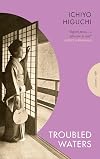
‘’I wish I had spent this fleeting life as the moon, shining brightly before it wanes, or as a cherry tree, in blossom for its short season.’’
Ichiyo Higuchi
In the Yoshiwara quarter, under the light of the paper lanterns, while the shamisen is weeping its laments, love is forbidden, innocence is lost, injustice, prejudice and poverty weave a tangled web. Ichiyo Higuchi's stories are elegies of the exploration and the resilience of women who have been dealt the wrong hand by show more Fate.
‘’[...] her lips painted blood-red, like those of a hound that had just eaten a man.’’
The translation by Bryan Karetnyk masterfully preserves this classical lyricism without softening the gritty realism of the Meiji era. It captures a world where poetic descriptions of moonlit gardens collide harshly with the stench of poverty, ensuring the stories feel like both a haunting melody and a sharp social indictment.
And it is not an easy duty. Ichiyo Higuchi's pen is vivid, realistic, poetic. Modern in its feminist echoes, yet lyrical, sensitive. Silent at times, like a courtesan's tears. Because a courtesan is a temptress, a Japanese Circe. She has neither the ability nor the right to experience feelings…She has been mythologised as a predator while being systematically destroyed as a human.
Ichiyo Higuchi masterfully includes references to tragic, obsessive love stories, myths, and customs as allusions that emphasise the isolation and enmity that have created the walls within which a courtesan spends her life. Young women whose destiny has been sealed from an early age. Men whose love for a courtesan turns into obsession, destroying families. Secrets that result in blood as the women surrender their body and their dignity.
Love becomes a torture, a catalyst for misery. This is a world in which love is thwarted by cruelty. Who can trust, let alone love, the Temptress? How can a courtesan experience attraction without any monetary motive? How can love be born in the pleasure quarter?
A Snowy Day: A young woman narrates the disillusionment, the grief and pain that comes with sacrificing everything in the name of a naive kind of love.
New Year's Eve: A young maid finds herself in the centre of a deeply dysfunctional family as the whims of her tyrannical mistress cause her to commit a questionable deed.
Growing Pains: An unforgettable story that reads like a tale, a fable with deeply realistic roots. Focusing on a brilliant young girl, Midori, Ichiyo Higuchi demonstrates the frighteningly limited choices a girl has once she has been born in the heart of the pleasure quarters. Midori must be one of the most memorable female characters in Japanese Literature.
Troubled Waters: My personal favourite in the collection. A story that sheds light on the way the courtesans were viewed by society, an unflinching, brave tale that would have been a melodrama in the hands of a less competent writer. If we believe that these women are devoid of love, grief and regret, this story will make us think twice. What is undisputed is the evil obsession causes.
This Mortal Coil: The story of a young woman whose guilt (over nothing, in my opinion) causes her to physically wither. Each reader may have their own thoughts on this extremely ambiguous tale, but for me, it is a commentary on mental illness that feels almost absurdly modern.
“They lured men with a mellifluous voice, their call every bit as alluring as a pheasant’s before it goes, and with a dreadful squawk, devours the adder that it has caught whole. And yet they, too, were human; they, too, had spent ten lunar months in their mother’s womb.’’
Ichiyo Higuchi led a life of struggle and died of tuberculosis at the age of 24. She was the first professional woman writer in Japan; her talent left a powerful mark on Japanese Literature and continues to influence Japanese writers.
A side note and a kind reminder. I love the so-called Healing Fiction genre, but Japanese Literature has so much more to offer to the reader who is hungry for brilliance. Its wealth, its beauty, its darkness create a unique tapestry where horror meets poetry, realism meets myth, love meets death.
‘’And yet, how sorrowful the rustling of the willow in the autumn winds…’’
Many thanks to Pushkin Press and NetGalley for the ARC in exchange for an honest review.
My reviews can also be found on https://theopinionatedreaderblog.wordpress.com/ show less
Ichiyo Higuchi
In the Yoshiwara quarter, under the light of the paper lanterns, while the shamisen is weeping its laments, love is forbidden, innocence is lost, injustice, prejudice and poverty weave a tangled web. Ichiyo Higuchi's stories are elegies of the exploration and the resilience of women who have been dealt the wrong hand by show more Fate.
‘’[...] her lips painted blood-red, like those of a hound that had just eaten a man.’’
The translation by Bryan Karetnyk masterfully preserves this classical lyricism without softening the gritty realism of the Meiji era. It captures a world where poetic descriptions of moonlit gardens collide harshly with the stench of poverty, ensuring the stories feel like both a haunting melody and a sharp social indictment.
And it is not an easy duty. Ichiyo Higuchi's pen is vivid, realistic, poetic. Modern in its feminist echoes, yet lyrical, sensitive. Silent at times, like a courtesan's tears. Because a courtesan is a temptress, a Japanese Circe. She has neither the ability nor the right to experience feelings…She has been mythologised as a predator while being systematically destroyed as a human.
Ichiyo Higuchi masterfully includes references to tragic, obsessive love stories, myths, and customs as allusions that emphasise the isolation and enmity that have created the walls within which a courtesan spends her life. Young women whose destiny has been sealed from an early age. Men whose love for a courtesan turns into obsession, destroying families. Secrets that result in blood as the women surrender their body and their dignity.
Love becomes a torture, a catalyst for misery. This is a world in which love is thwarted by cruelty. Who can trust, let alone love, the Temptress? How can a courtesan experience attraction without any monetary motive? How can love be born in the pleasure quarter?
A Snowy Day: A young woman narrates the disillusionment, the grief and pain that comes with sacrificing everything in the name of a naive kind of love.
New Year's Eve: A young maid finds herself in the centre of a deeply dysfunctional family as the whims of her tyrannical mistress cause her to commit a questionable deed.
Growing Pains: An unforgettable story that reads like a tale, a fable with deeply realistic roots. Focusing on a brilliant young girl, Midori, Ichiyo Higuchi demonstrates the frighteningly limited choices a girl has once she has been born in the heart of the pleasure quarters. Midori must be one of the most memorable female characters in Japanese Literature.
Troubled Waters: My personal favourite in the collection. A story that sheds light on the way the courtesans were viewed by society, an unflinching, brave tale that would have been a melodrama in the hands of a less competent writer. If we believe that these women are devoid of love, grief and regret, this story will make us think twice. What is undisputed is the evil obsession causes.
This Mortal Coil: The story of a young woman whose guilt (over nothing, in my opinion) causes her to physically wither. Each reader may have their own thoughts on this extremely ambiguous tale, but for me, it is a commentary on mental illness that feels almost absurdly modern.
“They lured men with a mellifluous voice, their call every bit as alluring as a pheasant’s before it goes, and with a dreadful squawk, devours the adder that it has caught whole. And yet they, too, were human; they, too, had spent ten lunar months in their mother’s womb.’’
Ichiyo Higuchi led a life of struggle and died of tuberculosis at the age of 24. She was the first professional woman writer in Japan; her talent left a powerful mark on Japanese Literature and continues to influence Japanese writers.
A side note and a kind reminder. I love the so-called Healing Fiction genre, but Japanese Literature has so much more to offer to the reader who is hungry for brilliance. Its wealth, its beauty, its darkness create a unique tapestry where horror meets poetry, realism meets myth, love meets death.
‘’And yet, how sorrowful the rustling of the willow in the autumn winds…’’
Many thanks to Pushkin Press and NetGalley for the ARC in exchange for an honest review.
My reviews can also be found on https://theopinionatedreaderblog.wordpress.com/ show less

"Rồi những hội hè vui chơi cũng qua, chuồn chuồn đỏ bay rợp ruộng lúa, sắp đến mùa chim cút gọi bầy quanh bờ đê. Sáng sớm và chiều tối, gió thu thổi mát lạnh. Mùi nhang muỗi hiệu tạp hóa nay nhường chỗ cho mấy túi sưởi cầm tay. Tiếng giã bột uể oải từ nhà Tamura ở cầu đá. Tiếng đồng hồ từ khu Kadoebi như truyền một âm thanh u tịnh."
Ngày còn thơ
cùng hoa với bướm
mải mê chơi show more đùa
Mười sáu bây giờ
biết bao buồn khổ
tan tành cơn mơ. show less
Ngày còn thơ
cùng hoa với bướm
mải mê chơi show more đùa
Mười sáu bây giờ
biết bao buồn khổ
tan tành cơn mơ. show less
In the Shade of Spring Leaves: The Life of Higuchi Ichiyo, with Nine of Her Best Short Stories by Ichiyô Higuchi
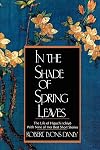
Her life was rather pathetic, but I like some of her stories.
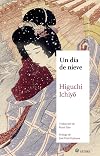
Al igual que los copos de nieve bailan ligeros en el cielo como alas de mariposa para terminar posándose en las ramas desnudas de los árboles, los personajes de Higuchi Ichiyō transitan melancólicos por sus relatos abocados a cumplir con un inexorable destino. Un talentoso artesano que abriga el deseo de culminar su gran obra; una ingenua estudiante que abandona a su familia por amor; un mendigo adolescente de corazón huraño que atisba la belleza en el sonido de la música; una hermosa show more joven que anhela la venganza en su lúgubre mansión; una muchacha que languidece atormentada por la pérdida de su amado; una entregada esposa traicionada es víctima de la traición y la maledicencia… show less
May 29, 2020Spanish
Awards


You May Also Like


Associated Authors
Statistics
- Works
- 45
- Also by
- 4
- Members
- 221
- Popularity
- #101,334
- Rating
- 3.8
- Reviews
- 6
- ISBNs
- 44
- Languages
- 8
- Favorited
- 5


