
Rebecca Rasmussen
Author of The Bird Sisters
About the Author
Image credit: By Jeffrey Beall - Own work, CC BY 3.0, https://commons.wikimedia.org/w/index.php?curid=33752143
Works by Rebecca Rasmussen
Tagged
Common Knowledge
- Gender
- female
- Nationality
- USA
- Places of residence
- Los Angeles, California, USA
- Associated Place (for map)
- California, USA
Members
Reviews
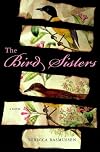
Now in their 70s, Milly and Twiss live in their family home, on a gravel road near the small town of Spring Green, Wisconsin. They are known for miles around as the "bird sisters," for their ability to treat and rehabilitate injured birds, but fewer and fewer people visit them these days. Their days are filled with light chores, walks through the meadow, and sometimes, for Milly, a bit of baking. Mostly they reflect back on lives well lived, but touched by significant events when Milly was show more 16 and Twiss, 14.
Their parents' relationship was already strained when their father had a car accident that prevented him from returning to his job as the local golf pro. Robbed of the one thing that gave him pride and a sense of identity, he isolated himself in the barn, eating meals left for him by one of the girls. Their mother came from a wealthy family, but left those comforts behind when she married. Filled with bitterness, she was unable to comfort her husband. Enter 18-year-old cousin Bett, who comes to stay for the summer, allegedly to improve her health. Her visit leaves an indelible mark on the family and even touches the surrounding community.
The central conflict in this debut novel was easy to predict, and there were some plot elements which seemed superfluous, especially the story of a local priest. The book moves fluidly between present and past, which can be confusing at times. The novel succeeds because of Milly and Twiss, richly-developed characters who are always front and center. Milly was considered a beauty in her youth, and gained local recognition for her creative cakes. Twiss was a rebel, fiercely devoted to Milly and her father, but not at all to her mother. Their father, mother, and Bett stand just slightly in the background, very influential but somewhat less tangible. I would have liked to know more about these characters: what were the father and mother like in their early years? How did the father get started with golf, and how did it come to be his life force? And what about Bett's health issues? I also hoped to read more about Twiss and Milly's bird rescue efforts. I realize my interest is greater from having been a bird rescue volunteer, but the title implies this will be given more emphasis than it was.
Despite the novel's flaws, I really enjoyed this book. I found myself caught up in the domestic drama, and moved by the relationship between the aging sisters. Rebecca Rasmussen made effective use of foreshadowing, and even so there were some particularly fine "aha moments." The final chapters tugged at my heartstrings, and I was sad to say good-bye to Milly and Twiss. show less
Their parents' relationship was already strained when their father had a car accident that prevented him from returning to his job as the local golf pro. Robbed of the one thing that gave him pride and a sense of identity, he isolated himself in the barn, eating meals left for him by one of the girls. Their mother came from a wealthy family, but left those comforts behind when she married. Filled with bitterness, she was unable to comfort her husband. Enter 18-year-old cousin Bett, who comes to stay for the summer, allegedly to improve her health. Her visit leaves an indelible mark on the family and even touches the surrounding community.
The central conflict in this debut novel was easy to predict, and there were some plot elements which seemed superfluous, especially the story of a local priest. The book moves fluidly between present and past, which can be confusing at times. The novel succeeds because of Milly and Twiss, richly-developed characters who are always front and center. Milly was considered a beauty in her youth, and gained local recognition for her creative cakes. Twiss was a rebel, fiercely devoted to Milly and her father, but not at all to her mother. Their father, mother, and Bett stand just slightly in the background, very influential but somewhat less tangible. I would have liked to know more about these characters: what were the father and mother like in their early years? How did the father get started with golf, and how did it come to be his life force? And what about Bett's health issues? I also hoped to read more about Twiss and Milly's bird rescue efforts. I realize my interest is greater from having been a bird rescue volunteer, but the title implies this will be given more emphasis than it was.
Despite the novel's flaws, I really enjoyed this book. I found myself caught up in the domestic drama, and moved by the relationship between the aging sisters. Rebecca Rasmussen made effective use of foreshadowing, and even so there were some particularly fine "aha moments." The final chapters tugged at my heartstrings, and I was sad to say good-bye to Milly and Twiss. show less
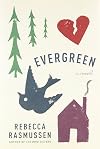
In 1938, Eveline and her new husband Emil leave their small town to make a home in the wilds of Minnesota, scarcely prepared for the changes they will meet. The couple lives a quiet and happy life with their new son Hux until Emil is called to care for his ailing father in Germany. Determined to show her strength, Eveline chooses to stay in Evergreen while Emil is away; a decision that will permanently alter her life.
Evergreen is told in four parts that span most of the twentieth century, show more from Eveline and Emil in 1938 through generations of their family in the 1970′s. The story is one that should be experienced alongside Eveline, with little knowledge of the plot before hand, as Rasmussen excels at fully immersing readers in her novel. Within the first few chapters, Evergreen becomes a real place with distinct textures, smells and identifiable locations. Rasmussen carries her characters, and their descendants, through the next several decades with an admirable blend of tranquil atmosphere and demanding pace.
Though some of the pieces fit together too neatly, particularly in the final section of the novel, the journey of Evergreen is a beautiful one. Rebecca Rasmussen shares the lifetime of a family, from its wavering first steps to its last moments of forgiveness, with all of the moments of grace, strength and heartache in between.
More at rivercityreading.com show less
Evergreen is told in four parts that span most of the twentieth century, show more from Eveline and Emil in 1938 through generations of their family in the 1970′s. The story is one that should be experienced alongside Eveline, with little knowledge of the plot before hand, as Rasmussen excels at fully immersing readers in her novel. Within the first few chapters, Evergreen becomes a real place with distinct textures, smells and identifiable locations. Rasmussen carries her characters, and their descendants, through the next several decades with an admirable blend of tranquil atmosphere and demanding pace.
Though some of the pieces fit together too neatly, particularly in the final section of the novel, the journey of Evergreen is a beautiful one. Rebecca Rasmussen shares the lifetime of a family, from its wavering first steps to its last moments of forgiveness, with all of the moments of grace, strength and heartache in between.
More at rivercityreading.com show less
With profound love comes profound despair and vice versa. At least, this is the theme running through Rebecca Rasmussen’s Evergreen. For every moment of happiness and love, there are equal moments of the most debilitating sadness. It is how one balances on this seesaw that dictates whether one is going to let the darkness or the light rule over their lives.
Evergreen is broken into three parts; three generations of women formed by the wilderness that surrounds them. Eveline is the sweetest show more of the three and the most naive. Her innocence upon her marriage to Emil does not prepare her for life in isolation and the dangers of men in general. That she perseveres is a testament to her strength of will, but at the same time, she never truly recovers from her unwary mistake. Namaah is the wilderness incarnate. It is as if her violent origins founded the very marrow of her bones and prevent her from obtaining the peace she desperately craves. Her story is the most tragic and yet the one most capable of leaving readers with hope. The final part is the culmination of the other two women’s stories, closing the circle of their lives and reminding readers that even the largest reprobate needs forgiveness and love.
Behind this profoundly emotional story lies the backdrop of northern Minnesota. The wilderness is a key part of the women’s stories and, as such, takes on a life of its own. Ms. Rasmussen’s descriptions of this untamed beauty are gorgeous and evocative. The loveliness of the untouched nature hides the danger of living in such isolation.
Evergreen is a surprisingly gentle story in spite of the violence contained within it. Readers will find the forests of Minnesota soothing regardless of the interference and destruction caused by its human inhabitants. The three women, bound together by tragedy and the life-altering nature that surrounds them, will worm their way into a reader’s heart, leaving a lasting impression of their resilience. This beautifully-wrought story of love and loss will leave readers with a greater appreciation for nature’s beauty and fragility and with a greater understanding of human’s ability to overcome the most desperate of situations. show less
Evergreen is broken into three parts; three generations of women formed by the wilderness that surrounds them. Eveline is the sweetest show more of the three and the most naive. Her innocence upon her marriage to Emil does not prepare her for life in isolation and the dangers of men in general. That she perseveres is a testament to her strength of will, but at the same time, she never truly recovers from her unwary mistake. Namaah is the wilderness incarnate. It is as if her violent origins founded the very marrow of her bones and prevent her from obtaining the peace she desperately craves. Her story is the most tragic and yet the one most capable of leaving readers with hope. The final part is the culmination of the other two women’s stories, closing the circle of their lives and reminding readers that even the largest reprobate needs forgiveness and love.
Behind this profoundly emotional story lies the backdrop of northern Minnesota. The wilderness is a key part of the women’s stories and, as such, takes on a life of its own. Ms. Rasmussen’s descriptions of this untamed beauty are gorgeous and evocative. The loveliness of the untouched nature hides the danger of living in such isolation.
Evergreen is a surprisingly gentle story in spite of the violence contained within it. Readers will find the forests of Minnesota soothing regardless of the interference and destruction caused by its human inhabitants. The three women, bound together by tragedy and the life-altering nature that surrounds them, will worm their way into a reader’s heart, leaving a lasting impression of their resilience. This beautifully-wrought story of love and loss will leave readers with a greater appreciation for nature’s beauty and fragility and with a greater understanding of human’s ability to overcome the most desperate of situations. show less

Evergreen, a tale of three generations in the pristine forest lands of Minnesota, spans the decades between the late 1930s and early 1960s. Newlyweds Eveline and Emil move from town into a cabin in the woods to begin their idyllic life together. When her husband is called away to the bedside of his ailing father in Germany, Eveline and her young son, Hux, remain in the cabin against Emil’s wishes. Eveline is raped by a stranger pretending to be an employee of the company that will be show more bringing electricity to the area. Almost as soon as the child is born, Eveline leaves her at the Catholic orphanage in town. As an adult, Hux tracks down his half-sister and tries to help her overcome the trauma of her abandonment.
A genre-defying read, Evergreen has a strong allegorical flavour to me. The natural environment is important to the characters. It provides healing, sustenance and in a way, companionship. Even into the 1960s, Hux chooses to live as his parents did. Implicit in the interaction of the main characters with the remote forest setting is that stewardship we owe to nature; plants and animals, we are all “riders on the earth” as Archibald MacLeish said. Reading Evergreen I was reminded of Rachel Carson’s Silent Spring which was first published in 1962. Carson was one of the first big hitters in ecology and we have yet to fully heed her warning call. I think the metaphor of rape in Rebecca Rasmussen’s story was another strong call to stop taking by force and destroying what is not ours.
Evergreen’s stylized characters may take a little getting used to but the effort is repaid in lyrical prose and serious content.
8 out of 10 Recommended to readers of rural and historical American fiction show less
A genre-defying read, Evergreen has a strong allegorical flavour to me. The natural environment is important to the characters. It provides healing, sustenance and in a way, companionship. Even into the 1960s, Hux chooses to live as his parents did. Implicit in the interaction of the main characters with the remote forest setting is that stewardship we owe to nature; plants and animals, we are all “riders on the earth” as Archibald MacLeish said. Reading Evergreen I was reminded of Rachel Carson’s Silent Spring which was first published in 1962. Carson was one of the first big hitters in ecology and we have yet to fully heed her warning call. I think the metaphor of rape in Rebecca Rasmussen’s story was another strong call to stop taking by force and destroying what is not ours.
Evergreen’s stylized characters may take a little getting used to but the effort is repaid in lyrical prose and serious content.
8 out of 10 Recommended to readers of rural and historical American fiction show less
Lists
Awards

You May Also Like


Statistics
- Works
- 2
- Members
- 511
- Popularity
- #48,531
- Rating
- 3.6
- Reviews
- 38
- ISBNs
- 15
- Languages
- 1