
Jan-Werner Muller
Author of What Is Populism?
About the Author
Jan-Werner Muller is a fellow of All Souls College, Oxford.
Works by Jan-Werner Muller
Tagged
Common Knowledge
- Birthdate
- 1970
- Gender
- male
- Education
- Université de Princeton, Etats-Unis
St. Antony's College, Oxford, Royaume-Uni
University College, Londres, Royaume-Uni
Université libre de Berlin, Allemagne - Occupations
- Professor of Politics, Princeton University
- Organizations
- Université de Princeton, Etats-Unis (Professeur, Sciences politiques, 20 05| )
St. Antony's College, Oxford (Fellow, Pensée européenne moderne, 20 03 | 20 05)
All Souls College d'Oxford, Royaume-Uni (Membre, 19 96 | 20 03)
Ecole des Hautes Etudes en Sciences Sociales, Paris, France (Professeur invité)
Ludwig Maximilians-Universitaet, Munich, Allemagne (Professeur invité)
Humboldt Universitaet, Berlin, Allemagne (Professeur invité) (show all 15)
Institut d'Etudes Politiques, Paris (Professeur invité)
Université de Pékin, Chine (Professeur invité)
Institut des sciences humaines, Vienne, Autriche (Chercheur invité)
Remarque Institute, New York University, Etats-Unis (Chercheur invité)
Centre Robert Schuman d'études avancées, Institut universitaire européen, Florence, Italie (Chercheur invité)
Collegium Budapest Institute of Advanced Study, Hongrie (Chercheur invité)
Collegium Helsinki, Finlande (Chercheur invité)
School of Historical Studies, Institute of Advanced Study, Princeton, Etats-Unis (Membre)
European College of Liberal Arts, Berlin, Allemagne (Co-fondateur) - Nationality
- Germany
- Birthplace
- Bad Honnef, North Rhine-Westphalia, Allemagne
- Associated Place (for map)
- Germany
Members
Reviews
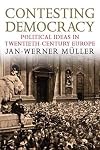
This is a well-written book, but it doesn't deserve all the accolades heaped upon it in the editorial reviews above. A writer claiming pan-European analysis has to find the right generalizations to portray ideas which influenced the entire continent. The author succeeds in doing so only in the first three chapters of the book (leading up to 1945). In the post-1945 chapters he fails to find a focused perspective and mysteriously leaves the democratic state itself out of the picture.
The best show more part of the book is the analysis of political systems before and after the first world war. I also liked the portrayal of fascist ideology as a specifically anti-democratic movement. The author focuses on four or five representative thinkers in each chapter and mixes political thought with history instructively. I haven't read many other studies of fascism yet, but this one serves well as a brief introduction for a novice.
But what happened in European political thought after 1945? I became none the wiser on that subject from reading this book. The author discusses Stalin's communism and the Hungarian and Czech uprisings in reasonably interesting fashion, but he struggles to say anything about developments on the western side of the Iron Curtain. His main contention seems to be that "Christian democracy was the most important ideological innovation of the post-war period, and one of the most significant of the European twentieth century as a whole" (p. 130). I detect a strong German myopia in this absurd statement. I'm a European resident with many political interests but I had never heard of "Christian democracy" before reading this book. I had to use Wikipedia to discover what this "most important innovation" even means.
But even so, Christian democracy could have provided one vantage point for pan-European analysis if properly elaborated. But strangely enough the author lets go of this concept immediately after introducing it. Instead of discussing the roots of European democracy he focuses almost exclusively on left-wing thought and anti-state protest movements. He wastes a whole chapter on the student movement of 1968, a movement whose political thought was rudimentary and inconsequential at best. He even makes room for the repulsive idiocy of Baader-Meinhof terrorists. But what about the various hues of well-functioning liberal democracy in Europe from the 1950s onward? Was no political thinking needed to make them work? And what about the European Union, to which the author devotes one (!) page? Is there really no political thought worth mentioning behind that project either?
The title "Contesting democracy" might seem to justify an exclusively anti-democratic emphasis throughout the book, but it doesn't make much sense to merely discuss opposing ideas without explaining what they opposed. In summary, the author is in his element when analysing the events that led to the World Wars and the political thought these wars spawned, especially fascist and communist ideology. He's unwilling to describe the positive development of democratic politics in Europe after the wars and this reduces the value of the latter half of this book to almost nil. show less
The best show more part of the book is the analysis of political systems before and after the first world war. I also liked the portrayal of fascist ideology as a specifically anti-democratic movement. The author focuses on four or five representative thinkers in each chapter and mixes political thought with history instructively. I haven't read many other studies of fascism yet, but this one serves well as a brief introduction for a novice.
But what happened in European political thought after 1945? I became none the wiser on that subject from reading this book. The author discusses Stalin's communism and the Hungarian and Czech uprisings in reasonably interesting fashion, but he struggles to say anything about developments on the western side of the Iron Curtain. His main contention seems to be that "Christian democracy was the most important ideological innovation of the post-war period, and one of the most significant of the European twentieth century as a whole" (p. 130). I detect a strong German myopia in this absurd statement. I'm a European resident with many political interests but I had never heard of "Christian democracy" before reading this book. I had to use Wikipedia to discover what this "most important innovation" even means.
But even so, Christian democracy could have provided one vantage point for pan-European analysis if properly elaborated. But strangely enough the author lets go of this concept immediately after introducing it. Instead of discussing the roots of European democracy he focuses almost exclusively on left-wing thought and anti-state protest movements. He wastes a whole chapter on the student movement of 1968, a movement whose political thought was rudimentary and inconsequential at best. He even makes room for the repulsive idiocy of Baader-Meinhof terrorists. But what about the various hues of well-functioning liberal democracy in Europe from the 1950s onward? Was no political thinking needed to make them work? And what about the European Union, to which the author devotes one (!) page? Is there really no political thought worth mentioning behind that project either?
The title "Contesting democracy" might seem to justify an exclusively anti-democratic emphasis throughout the book, but it doesn't make much sense to merely discuss opposing ideas without explaining what they opposed. In summary, the author is in his element when analysing the events that led to the World Wars and the political thought these wars spawned, especially fascist and communist ideology. He's unwilling to describe the positive development of democratic politics in Europe after the wars and this reduces the value of the latter half of this book to almost nil. show less
A populizmus jelensége valószínűleg a legnagyobb kihívás, ami a XXI. században a demokráciákra vár – Müller professzor pedig van olyan rendes, és összegereblyézi nekünk a vele kapcsolatos tudnivalókat, definiálja és rendszerbe rendezi őket, majd szép kerek tanulmányként helyezi őket elibénk. Merthogy a populizmusról sokat beszélnek, de sok a zűrzavar is a fogalommal kapcsolatban – többről van ugyanis szó, mint hogy a populizmus a demokrácia részeg show more változata, aki hőzöng a házibulin, hülyeségeket beszél, letépi a függönyt és összerondítja a mosdót, de majd kialussza magát, vagy ha nem, akkor el kell vitetni kényszerelvonóra. A populizmus ezzel szemben a demokrácia állandó kísérőjelensége, ami többnyire a demokrácia létező problémáira reagál – arra az érzésre, hogy nincsenek kapaszkodók, vesztesei vagyunk a szabadpiaci rendszernek, nincs befolyásunk a technokratákra (azt se értjük, mit akarnak), a változást pedig válságnak látjuk és ettől veszélyben érezzük magunkat.
Ha tehát a populizmus hívei felől nézzük, értelmezhető kérdéseket látunk, amire válaszolni kell, mert ha nem tesszük, ott állnak tettre készen a populista politikusok, akik nem haboznak a bennük rejlő potenciált a maguk javára fordítani. A populista politikus ugyanis érzékeli, hogy a túl sok információt, a túl bonyolult válaszokat a lakosság túlnyomó része úgy fordítja le magának, hogy nincsenek igazi információk, és a válaszok is hamisak – tehát a demokrácia nem is valódi demokrácia. Logikus, hogy ha ez a többség olyasvalakit lát maga előtt, aki egyetlen egyszerű igazságot hirdet, az kellemesen érinti, és hajlandó eltekinteni ezért a kellemes érzésért cserébe attól, hogy 1.) ez az ún. “igazság” a tényekkel nem kompatibilis 2.) a populista politikus is szemmel láthatóan ugyanolyan korrupt (sőt!), mint elődei, és hajlamos leépíteni a demokráciában életbevágóan fontos fékek és ellensúlyok rendszerét. Ez utóbbi a többséget azért sem zavarja, mert ő a demokráciát eddig is valami gyanús dolognak tekintette, ami a feje felett zajlik – a populizmus, ha nem is különb nála, de legalább úgy csinálja a suskust, hogy azt ő is érti. Helikopterrel rénszarvasra! Erőművet a haveroknak! Ez legalább világos dolog. A helyzet azonban az, hogy minden hibájával együtt a demokrácia jelen pillanatban az egyetlen politikai rendszer, ami potenciálisan képes egy változó korral kapcsolatban nemcsak döntéseket hozni, de tévedés esetén ezeket a döntéseket korrigálni és új döntést hozni helyettük, ami persze megint nem lesz tökéletes, de akkor ismét új döntést hoz, és így tovább, és így tovább, a végtelenségig – magyarán a demokrácia a politikai rendszerek közül leginkább képes az önkorrekcióra, arra, hogy az általa kinyilvánított ún. “igazságot” az empirikus tényekre reagálva újra és újra kiigazítsa*.
Ezzel szemben a populizmus azt állítja, hogy csak egyetlen igazság van, és annak egyetlen birtokosa – ő maga –, következésképpen a vita és a kiigazítás felesleges, sőt: ellenjavallt. Ez pedig tulajdonképpen nem más, mint a párbeszéd berekesztése – és ezáltal a demokrácia berekesztése is. Megnyugtató persze hinni, hogy van egy darab közérthető, frappáns igazság – de hogy egy komplex, plurális világban egyetlen egyszerű igazság létezhet, az nem több illúziónál. És bármilyen szép is egy illúzió, ha szorul a hurok, a hajunkra kenhetjük.
Amúgy meg remek kötet: világos, okos, és még a magyarokat is sokszor emlegeti. (Mondjuk erre nem nagyon lehetünk büszkék.) Ismerős dolgokat bőven fogunk benne találni, de azokat Müller kiválóan helyezi tágabb kontextusba, és bár helyenként ismétli önmagát, de mindig úgy, hogy új és új információval tágítja az eddig elmondottakat – valószínűleg pont ezért alkalmas tökéletesen arra, hogy laikusok is forgassák. Ha csak egy könyvet olvastok el a populizmusról… ésatöbbi, ésatöbbi, blabla, blabla.
* Egyes politológusok szerint maga a válságjelenség (például maga a populizmus) sem más, mint a demokrácia önkorrekciója működés közben, tehát nem pusztán probléma, hanem a megoldás része. show less
Ha tehát a populizmus hívei felől nézzük, értelmezhető kérdéseket látunk, amire válaszolni kell, mert ha nem tesszük, ott állnak tettre készen a populista politikusok, akik nem haboznak a bennük rejlő potenciált a maguk javára fordítani. A populista politikus ugyanis érzékeli, hogy a túl sok információt, a túl bonyolult válaszokat a lakosság túlnyomó része úgy fordítja le magának, hogy nincsenek igazi információk, és a válaszok is hamisak – tehát a demokrácia nem is valódi demokrácia. Logikus, hogy ha ez a többség olyasvalakit lát maga előtt, aki egyetlen egyszerű igazságot hirdet, az kellemesen érinti, és hajlandó eltekinteni ezért a kellemes érzésért cserébe attól, hogy 1.) ez az ún. “igazság” a tényekkel nem kompatibilis 2.) a populista politikus is szemmel láthatóan ugyanolyan korrupt (sőt!), mint elődei, és hajlamos leépíteni a demokráciában életbevágóan fontos fékek és ellensúlyok rendszerét. Ez utóbbi a többséget azért sem zavarja, mert ő a demokráciát eddig is valami gyanús dolognak tekintette, ami a feje felett zajlik – a populizmus, ha nem is különb nála, de legalább úgy csinálja a suskust, hogy azt ő is érti. Helikopterrel rénszarvasra! Erőművet a haveroknak! Ez legalább világos dolog. A helyzet azonban az, hogy minden hibájával együtt a demokrácia jelen pillanatban az egyetlen politikai rendszer, ami potenciálisan képes egy változó korral kapcsolatban nemcsak döntéseket hozni, de tévedés esetén ezeket a döntéseket korrigálni és új döntést hozni helyettük, ami persze megint nem lesz tökéletes, de akkor ismét új döntést hoz, és így tovább, és így tovább, a végtelenségig – magyarán a demokrácia a politikai rendszerek közül leginkább képes az önkorrekcióra, arra, hogy az általa kinyilvánított ún. “igazságot” az empirikus tényekre reagálva újra és újra kiigazítsa*.
Ezzel szemben a populizmus azt állítja, hogy csak egyetlen igazság van, és annak egyetlen birtokosa – ő maga –, következésképpen a vita és a kiigazítás felesleges, sőt: ellenjavallt. Ez pedig tulajdonképpen nem más, mint a párbeszéd berekesztése – és ezáltal a demokrácia berekesztése is. Megnyugtató persze hinni, hogy van egy darab közérthető, frappáns igazság – de hogy egy komplex, plurális világban egyetlen egyszerű igazság létezhet, az nem több illúziónál. És bármilyen szép is egy illúzió, ha szorul a hurok, a hajunkra kenhetjük.
Amúgy meg remek kötet: világos, okos, és még a magyarokat is sokszor emlegeti. (Mondjuk erre nem nagyon lehetünk büszkék.) Ismerős dolgokat bőven fogunk benne találni, de azokat Müller kiválóan helyezi tágabb kontextusba, és bár helyenként ismétli önmagát, de mindig úgy, hogy új és új információval tágítja az eddig elmondottakat – valószínűleg pont ezért alkalmas tökéletesen arra, hogy laikusok is forgassák. Ha csak egy könyvet olvastok el a populizmusról… ésatöbbi, ésatöbbi, blabla, blabla.
* Egyes politológusok szerint maga a válságjelenség (például maga a populizmus) sem más, mint a demokrácia önkorrekciója működés közben, tehát nem pusztán probléma, hanem a megoldás része. show less
A wonderful book about this modern political phenomenon. The author argues that the core claim of populism is moralized antipluralism. A populist leader claims to be a spokesperson for the common people, but all who disagree are excluded from that group. The author explains clearly why support for populism should not be mischaracterized as mere stupidity, and also how, if they gain control, populists can abuse their powers without being exposed as frauds in the eyes of their supporters. He show more also maintains that other parties should engage with populists, not exclude them. It would have been good to discuss this in a bit more detail and cite a few examples. Nevertheless, it is a rare book which provides this much political wisdom in just over 100 pages, even more so when that wisdom finds immediate application in real-world events. You will certainly be able to debate politics better after reading this book, though maybe not with populists. show less
This may be called an excellent primer to populism. Abd, this is the third time I have read this book!
For many of us, who call leaders populist, in our daily speech, there has never been a clear definition, or guideline, to defining what it is. This book provides this. It is a short book, and this makes it even more valuable, in my eyes, as there is little space wasted. Too often, people will write a long book because it is a good thing to do, and this then creates a lot of matter that show more obscures the subject.
Jan-Werner Muller avoids this trap and goes to the heart of the subject.
Could he have analysed more? I would say yes. For instance, what sort of populist would Bernie Sanders make, versus Trump. However, I assume that this was not the subject of the book.
I can clearly see parallels in the India of today.
So, overall, an excellent book. show less
For many of us, who call leaders populist, in our daily speech, there has never been a clear definition, or guideline, to defining what it is. This book provides this. It is a short book, and this makes it even more valuable, in my eyes, as there is little space wasted. Too often, people will write a long book because it is a good thing to do, and this then creates a lot of matter that show more obscures the subject.
Jan-Werner Muller avoids this trap and goes to the heart of the subject.
Could he have analysed more? I would say yes. For instance, what sort of populist would Bernie Sanders make, versus Trump. However, I assume that this was not the subject of the book.
I can clearly see parallels in the India of today.
So, overall, an excellent book. show less
Lists
Awards


You May Also Like


Associated Authors
Statistics
- Works
- 15
- Members
- 565
- Popularity
- #44,254
- Rating
- 3.7
- Reviews
- 13
- ISBNs
- 76
- Languages
- 16