
Ian W. Walker
Author of Harold: The Last Anglo-Saxon King
Works by Ian W. Walker
Tagged
Common Knowledge
- Gender
- male
- Occupations
- civil servant
historian - Places of residence
- Edinburgh, Scotland, UK
- Map Location
- UK
Members
Reviews
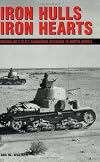
While some parts are a bit dry, they are broken up by Italian firsthand accounts of the Desert War which are fascinating. Overall the book does a great job of dispelling the myth of Italian cowardice and lack of fighting spirit. They too had their ebb and flow in the desert just like their German allies.
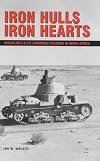
Over the past decade or so there's been an effort to analyse just what the real contribution of Mussolini's military was to the war effort in World War II. This books builds on this English-language research to consider the performance of the Italian armored divisions as a microcosm of what could have been achieve if Italy had concentrated on fielding the most efficient military it could, instead of the largest. Taking you through the battles of the 'Ariete', 'Littorio', and 'Centauro' show more divisions in North Africa, Walker's conclusion is that these units were a legitimate elite that fought hard even when their equipment left a lot to be desired. If this book has a particular weakness it's that it just sort of peters out at the end, when an appropriate epilog might have been to examine whether the combat performance of the Italian armored troops had any meaning for their post-war successors. It might be noted that the premier Italian armored unit still bears the nickname 'Ariete' (or 'Ram'). show less
Wow. I rarely do not suffer while reading history, but as I've whined in my updates, this was the longest 290 pages I've ever read. Mr. Walker gave us the complete history of Harold Godwineson's father, Godwin Wulfnothson, and his rise to power in the mid-eleventh century, the crisis of 1052, but almost glossed over Harold, the subject of his book!
I give the book four stars for the research, two stars for actually covering the career of Harold, who was the last Anglo-Saxon King of show more England.
Histories and biographies of the king and the era written after the Conquest did their best to show Harold in a negative light. William claimed that Edward the Confessor (not exactly a saint but like Thomas Becket, the subject of a quick and political canonization)left England to him, though there were no writings nor mention of this in England at the tie to prove this claim, only what was written into history after the Battle of Hastings. Harold was asked and was elected king as he was the most suitable candidate for the job at the time; Edward the Confessor's nephew Edgar was a child - that's right, elected, for the practice of primogeniture hadn't taken hold in England yet - and judging by the numbers rallying to his side during the march to York to deal with Harald of Norway and his own brother Tostig, he was respected and trusted as a leader, perhaps even beloved by the people, liked by Edward the Confessor, who hated his father. A little gem of supposition caught my attention - Walker opines that Edward the Confessor's confidante and Archbishop of Canterbury, Robert of Jumieges, put the idea that Edward named William his heir in William's head, and that Harold's oath to William to support a claim to England was given under duress while Harold was Normandy after being shipwrecked and taken prisoner.
The Battle of Hastings was well-documented and I was hoping that Walker would give the reader more of the hours directly following Harold's death and mutilation (that's right - accounts state that Harold was within minutes of claiming victory when he was struck in eye by an arrow, fell, and then hacked into pieces perhaps after he was dead). Again, this decisive event is glossed over. At this point in the book, it seems as though the author was in a hurry to finish, or make a deadline, for the writing feels rushed. In fairness, there aren't as many books written about Harold as William the Bastard (in so many ways), but then, history is written by the victorious. A shorter work focusing on the brief career and reign of Harold II would have been more satisfying. The writing is not as dry and academic as a doctoral thesis, and it does keep your attention. I cannot recommend this book for a quick introduction to Late Anglo-Saxon England. show less
I give the book four stars for the research, two stars for actually covering the career of Harold, who was the last Anglo-Saxon King of show more England.
Histories and biographies of the king and the era written after the Conquest did their best to show Harold in a negative light. William claimed that Edward the Confessor (not exactly a saint but like Thomas Becket, the subject of a quick and political canonization)left England to him, though there were no writings nor mention of this in England at the tie to prove this claim, only what was written into history after the Battle of Hastings. Harold was asked and was elected king as he was the most suitable candidate for the job at the time; Edward the Confessor's nephew Edgar was a child - that's right, elected, for the practice of primogeniture hadn't taken hold in England yet - and judging by the numbers rallying to his side during the march to York to deal with Harald of Norway and his own brother Tostig, he was respected and trusted as a leader, perhaps even beloved by the people, liked by Edward the Confessor, who hated his father. A little gem of supposition caught my attention - Walker opines that Edward the Confessor's confidante and Archbishop of Canterbury, Robert of Jumieges, put the idea that Edward named William his heir in William's head, and that Harold's oath to William to support a claim to England was given under duress while Harold was Normandy after being shipwrecked and taken prisoner.
The Battle of Hastings was well-documented and I was hoping that Walker would give the reader more of the hours directly following Harold's death and mutilation (that's right - accounts state that Harold was within minutes of claiming victory when he was struck in eye by an arrow, fell, and then hacked into pieces perhaps after he was dead). Again, this decisive event is glossed over. At this point in the book, it seems as though the author was in a hurry to finish, or make a deadline, for the writing feels rushed. In fairness, there aren't as many books written about Harold as William the Bastard (in so many ways), but then, history is written by the victorious. A shorter work focusing on the brief career and reign of Harold II would have been more satisfying. The writing is not as dry and academic as a doctoral thesis, and it does keep your attention. I cannot recommend this book for a quick introduction to Late Anglo-Saxon England. show less
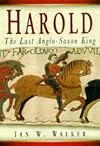
Wow. I rarely do not suffer while reading history, but as I've whined in my updates, this was the longest 290 pages I've ever read. Mr. Walker gave us the complete history of Harold Godwineson's father, Godwin Wulfnothson, and his rise to power in the mid-eleventh century, the crisis of 1052, but almost glossed over Harold, the subject of his book!
I give the book four stars for the research, two stars for actually covering the career of Harold, who was the last Anglo-Saxon King of England. show more
Histories and biographies of the king and the era written after the Conquest did their best to show Harold in a negative light. William claimed that Edward the Confessor (not exactly a saint but like Thomas Becket, the subject of a quick and political canonization)left England to him, though there were no writings nor mention of this in England at the tie to prove this claim, only what was written into history after the Battle of Hastings. Harold was asked and was elected king as he was the most suitable candidate for the job at the time; Edward the Confessor's nephew Edgar was a child - that's right, elected, for the practice of primogeniture hadn't taken hold in England yet - and judging by the numbers rallying to his side during the march to York to deal with Harald of Norway and his own brother Tostig, he was respected and trusted as a leader, perhaps even beloved by the people, liked by Edward the Confessor, who hated his father. A little gem of supposition caught my attention - Walker opines that Edward the Confessor's confidante and Archbishop of Canterbury, Robert of Jumieges, put the idea that Edward named William his heir in William's head, and that Harold's oath to William to support a claim to England was given under duress while Harold was Normandy after being shipwrecked and taken prisoner.
The Battle of Hastings was well-documented and I was hoping that Walker would give the reader more of the hours directly following Harold's death and mutilation (that's right - accounts state that Harold was within minutes of claiming victory when he was struck in eye by an arrow, fell, and then hacked into pieces perhaps after he was dead). Again, this decisive event is glossed over. At this point in the book, it seems as though the author was in a hurry to finish, or make a deadline, for the writing feels rushed. In fairness, there aren't as many books written about Harold as William the Bastard (in so many ways), but then, history is written by the victorious. A shorter work focusing on the brief career and reign of Harold II would have been more satisfying. The writing is not as dry and academic as a doctoral thesis, and it does keep your attention. I cannot recommend this book for a quick introduction to Late Anglo-Saxon England. show less
I give the book four stars for the research, two stars for actually covering the career of Harold, who was the last Anglo-Saxon King of England. show more
Histories and biographies of the king and the era written after the Conquest did their best to show Harold in a negative light. William claimed that Edward the Confessor (not exactly a saint but like Thomas Becket, the subject of a quick and political canonization)left England to him, though there were no writings nor mention of this in England at the tie to prove this claim, only what was written into history after the Battle of Hastings. Harold was asked and was elected king as he was the most suitable candidate for the job at the time; Edward the Confessor's nephew Edgar was a child - that's right, elected, for the practice of primogeniture hadn't taken hold in England yet - and judging by the numbers rallying to his side during the march to York to deal with Harald of Norway and his own brother Tostig, he was respected and trusted as a leader, perhaps even beloved by the people, liked by Edward the Confessor, who hated his father. A little gem of supposition caught my attention - Walker opines that Edward the Confessor's confidante and Archbishop of Canterbury, Robert of Jumieges, put the idea that Edward named William his heir in William's head, and that Harold's oath to William to support a claim to England was given under duress while Harold was Normandy after being shipwrecked and taken prisoner.
The Battle of Hastings was well-documented and I was hoping that Walker would give the reader more of the hours directly following Harold's death and mutilation (that's right - accounts state that Harold was within minutes of claiming victory when he was struck in eye by an arrow, fell, and then hacked into pieces perhaps after he was dead). Again, this decisive event is glossed over. At this point in the book, it seems as though the author was in a hurry to finish, or make a deadline, for the writing feels rushed. In fairness, there aren't as many books written about Harold as William the Bastard (in so many ways), but then, history is written by the victorious. A shorter work focusing on the brief career and reign of Harold II would have been more satisfying. The writing is not as dry and academic as a doctoral thesis, and it does keep your attention. I cannot recommend this book for a quick introduction to Late Anglo-Saxon England. show less
You May Also Like


Statistics
- Works
- 4
- Members
- 323
- Popularity
- #73,308
- Rating
- 4.0
- Reviews
- 7
- ISBNs
- 11