
Suad Amiry
Author of Sharon and My Mother-in-Law: Ramallah Diaries
About the Author
Suad Amiry is a Palestinian writer and architect. Born in Damascus to a Syrian mother and a Palestinian father from Jaffa, she now lives between Ramallah and New York City. She is the founder of Riwaq: Centre for Architectural Conservation, in Ramallah, and the author of several highly-acclaimed show more memoirs including, Sharon and My Mother-in-Law (2005); Menopausal Palestine (2011); Nothing to Lose but Your Life (2011); and Golda Slept Here (2014). show less
Image credit: Courtesy of Allen and Unwin
Works by Suad Amiry
Associated Works
Tagged
Common Knowledge
Members
Reviews

Un libro molto bello che racconta le vicissitudini di una colta donna palestinese che vive nei territori occupati da Israele.
Le enormi difficoltà, i contrattempi, le terribili e infinite attese, le eterne cavillosità burocratiche, l’assurdità delle tante ingiustizie e atrocità subite sono narrate con molta lucidità ma anche con la giusta dose di ironia che aiuta a stemperare la drammaticità di un’esistenza costretta a confrontarsi ogni giorno con un conflitto ingiusto e assurdo. show more
Un libro che ha suscitato in me una rabbia costantemente crescente e ha radicato ancor di più la mia totale incapacità di comprendere come un popolo che ha dovuto subire l’indicibile con la shoah possa essere diventato il carnefice di un’altra nazione.
Da leggere e meditare. show less
Le enormi difficoltà, i contrattempi, le terribili e infinite attese, le eterne cavillosità burocratiche, l’assurdità delle tante ingiustizie e atrocità subite sono narrate con molta lucidità ma anche con la giusta dose di ironia che aiuta a stemperare la drammaticità di un’esistenza costretta a confrontarsi ogni giorno con un conflitto ingiusto e assurdo. show more
Un libro che ha suscitato in me una rabbia costantemente crescente e ha radicato ancor di più la mia totale incapacità di comprendere come un popolo che ha dovuto subire l’indicibile con la shoah possa essere diventato il carnefice di un’altra nazione.
Da leggere e meditare. show less
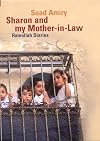
In 1981, Dr Suad Amiry moved to occupied Ramallah, where she lived and worked at the Birzeit University. There she also met a wonderful man, fell in love, married, and acquired a mother-in-law.
This memoir takes you into the heart of the Palestinian-Israeli conflict but, though the book’s setting is dire, the tone is surprisingly light. Amiry conveys her story with a sharp sense of humor, choosing to see the funny side of things – perhaps a mechanism employed to deal with the show more senselessness and absurdity amid heartbreaking circumstances.
We are given some insight into the challenges Palestinians face, the physical destruction of the land and homes, and the permits, passports and checkpoints that are a part of the day-to-day routine. Amiry has an amazing understanding of humanity and portrays her own struggle vis-a-vis that of others, on both sides of the divide. The narrative is mostly comical, but also sometimes quite sad.
Interestingly, these journal entries were written as a form of therapy during very trying times. When anxious friends asked how she was, Amiry would simply send her ramblings to them. When she later met fellow-Moroccan Fatema Mernissi in Stockholm once, the issue of publishing her thoughts first came up and later materialised. She then she had to recover some of the entries from friends, as she had lost track of many of them.
On the whole tongue-firmly-in-cheek, of course, it seems she cannot decide what her biggest challenge is: Ariel Sharon and the subjugation he has imposed on Palestinians, or having to deal with her mother-in-law and all that comes with it! This was a wonderful, insightful, funny read. show less
This memoir takes you into the heart of the Palestinian-Israeli conflict but, though the book’s setting is dire, the tone is surprisingly light. Amiry conveys her story with a sharp sense of humor, choosing to see the funny side of things – perhaps a mechanism employed to deal with the show more senselessness and absurdity amid heartbreaking circumstances.
We are given some insight into the challenges Palestinians face, the physical destruction of the land and homes, and the permits, passports and checkpoints that are a part of the day-to-day routine. Amiry has an amazing understanding of humanity and portrays her own struggle vis-a-vis that of others, on both sides of the divide. The narrative is mostly comical, but also sometimes quite sad.
Interestingly, these journal entries were written as a form of therapy during very trying times. When anxious friends asked how she was, Amiry would simply send her ramblings to them. When she later met fellow-Moroccan Fatema Mernissi in Stockholm once, the issue of publishing her thoughts first came up and later materialised. She then she had to recover some of the entries from friends, as she had lost track of many of them.
On the whole tongue-firmly-in-cheek, of course, it seems she cannot decide what her biggest challenge is: Ariel Sharon and the subjugation he has imposed on Palestinians, or having to deal with her mother-in-law and all that comes with it! This was a wonderful, insightful, funny read. show less
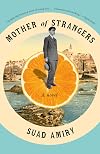
Jaffa, Palestina. Dat is de plek waar de Palestijnse schrijfster Suad Amiry haar lezers mee naartoe neemt. Het jaar: 1947. Israël bestaat dan nog niet, en Palestina is een Brits protectoraat. Onder toeziend oog van de Britten hebben zich veel Joodse immigranten in Palestina gevestigd. Bijvoorbeeld in Tel Aviv, net ten noorden van Jaffa. De spanningen tussen de oorspronkelijke bevolking en de immigranten lopen op en monden uiteindelijk uit in een oorlog, waarbij de oorspronkelijke bewoners show more uit Jaffa worden verjaagd. Maar zover is het nog niet als het boek begint en je kennismaakt met de 15-jarige Subhi, een eenvoudige jongen met een grote passie voor techniek, die werkt als monteur en graag dagdroomt over zijn geliefde, de nu nog maar 13-jarige Shams met wie hij op een dag hoopt te trouwen.
Schrijfster Amiry is opgeleid als architect en betrokken bij Riwaq, een organisatie die Palestijns materieel erfgoed renoveert, specifiek gebouwen en dorpen . Deze achtergrond zie je terug in haar roman Mother of strangers, waarin zij zeker in de eerste delen veel aandacht besteedt aan het beschrijven van de stad Jaffa: de gebouwen, de wijken, de haven en de sinaasappelvelden rondom de stad. Ze bouwt de stad als het ware opnieuw voor ons op zoals die was vóórdat de Palestijnse inwoners werden verdreven en de stad grotendeels werd vernietigd.
Door de grote aandacht voor de fysieke context van het verhaal heeft de schrijfster helaas wat minder tijd besteed aan het uitwerken van haar personages en het plot. Vooral de eerste delen van het boek hebben een zeer traag verteltempo, omdat de schrijfster uitgebreid te tijd neemt om de stad Jaffa te beschrijven. Ondanks dat wordt hoofdpersoon Subhi goed neergezet, maar vreemd is dat hij in de latere delen, die een veel hoger verteltempo kennen, volledig uit beeld verdwijnt, waarna het verhaal zich onverwacht ineens concentreert op Shams en hoe het haar vergaat als de oorlog eenmaal is uitgebroken. Vóór dat moment is Shams slechts een figurant geweest in de dagdromen van Subhi, maar ook als hoofdpersoon komt ze niet helemaal goed uit de verf. Je volgt haar als ze wegvlucht voor het oorlogsgeweld, familieleden kwijtraakt en met haar jongere zusjes bij een pleegfamilie terecht komt. Een hoop feiten op een rij, maar zonder dat je als lezer dicht bij de gevoelens van Shams komt.
Belangrijk om te weten is dat het verhaal over Subhi en Shams is gebaseerd op een waargebeurde geschiedenis; Amiry heeft beide personen - inmiddels bejaarden - gesproken over de gebeurtenissen uit hun jeugd. Mogelijk heeft ze uit respect voor deze personen geen gevoelens aan haar personages willen toeschrijven die zij zelf heeft bedacht, maar gevolg is wel dat het verhaal nogal vlak blijft. Als roman werkt dit boek dus niet zo goed, en dat is heel jammer, want de besproken historische periode is juist zo interessant en nog altijd actueel. Je steekt een hoop op van de achtergronden van het huidige conflict in Israël, en dat is waarom dit boek toch zeker de moeite van het lezen waard is. show less
Schrijfster Amiry is opgeleid als architect en betrokken bij Riwaq, een organisatie die Palestijns materieel erfgoed renoveert, specifiek gebouwen en dorpen . Deze achtergrond zie je terug in haar roman Mother of strangers, waarin zij zeker in de eerste delen veel aandacht besteedt aan het beschrijven van de stad Jaffa: de gebouwen, de wijken, de haven en de sinaasappelvelden rondom de stad. Ze bouwt de stad als het ware opnieuw voor ons op zoals die was vóórdat de Palestijnse inwoners werden verdreven en de stad grotendeels werd vernietigd.
Door de grote aandacht voor de fysieke context van het verhaal heeft de schrijfster helaas wat minder tijd besteed aan het uitwerken van haar personages en het plot. Vooral de eerste delen van het boek hebben een zeer traag verteltempo, omdat de schrijfster uitgebreid te tijd neemt om de stad Jaffa te beschrijven. Ondanks dat wordt hoofdpersoon Subhi goed neergezet, maar vreemd is dat hij in de latere delen, die een veel hoger verteltempo kennen, volledig uit beeld verdwijnt, waarna het verhaal zich onverwacht ineens concentreert op Shams en hoe het haar vergaat als de oorlog eenmaal is uitgebroken. Vóór dat moment is Shams slechts een figurant geweest in de dagdromen van Subhi, maar ook als hoofdpersoon komt ze niet helemaal goed uit de verf. Je volgt haar als ze wegvlucht voor het oorlogsgeweld, familieleden kwijtraakt en met haar jongere zusjes bij een pleegfamilie terecht komt. Een hoop feiten op een rij, maar zonder dat je als lezer dicht bij de gevoelens van Shams komt.
Belangrijk om te weten is dat het verhaal over Subhi en Shams is gebaseerd op een waargebeurde geschiedenis; Amiry heeft beide personen - inmiddels bejaarden - gesproken over de gebeurtenissen uit hun jeugd. Mogelijk heeft ze uit respect voor deze personen geen gevoelens aan haar personages willen toeschrijven die zij zelf heeft bedacht, maar gevolg is wel dat het verhaal nogal vlak blijft. Als roman werkt dit boek dus niet zo goed, en dat is heel jammer, want de besproken historische periode is juist zo interessant en nog altijd actueel. Je steekt een hoop op van de achtergronden van het huidige conflict in Israël, en dat is waarom dit boek toch zeker de moeite van het lezen waard is. show less
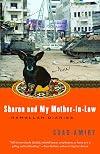
Interesting stories but very simply written. I never really saw how the "mother in law" deserved a place in the title
Lists
Awards


You May Also Like


Associated Authors
Statistics
- Works
- 18
- Also by
- 1
- Members
- 403
- Popularity
- #60,269
- Rating
- 3.6
- Reviews
- 16
- ISBNs
- 47
- Languages
- 10
- Favorited
- 1