
Alfred Appel (1934–2009)
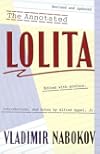
Author of Lolita [annotated • Penguin]
About the Author
Alfred Appel, Jr., is Professor Emeritus of English at Northwestern University.
Image credit: Northwestern University
Works by Alfred Appel
The Art of Celebration: Twentieth-Century Painting, Literature, Sculpture, Photography, and (1992) 30 copies
The Bitter air of exile : Russian writers in the West, 1922-1972 (1977) — Editor — 10 copies, 1 review
The Art of Celebration 1 copy
Associated Works
Rediscoveries II: Important Writers Select Their Favorite Works of Neglected Fiction (1988) — Contributor — 31 copies, 1 review
Tagged
Common Knowledge
- Birthdate
- 1934-01-31
- Date of death
- 2009-05-03
- Gender
- male
- Education
- Columbia University
- Occupations
- professor
- Organizations
- Northwestern University
- Nationality
- USA
- Associated Place (for map)
- USA
Members
Reviews
I suppose it is a good novel about the ability to deceive oneself, but it is hard to push through a novel with few sympathetic characters. One feels sorry for Delores, orphaned and left to the care of the pedophile Humbert. But we are forced to see her through his eyes, which distracts us from whatever her true character might me. Humbert is a creep. The narration at least assures the reader that he will be punished, but we learn that he is not punished for the rape of Delores, but for show more killing another pedophile. Justice or not? Too much time in the mind of someone one wouldn't want to know. show less
So how do you rate a book that so effectively explores the mind of a pervert? And how do you justify admitting that you think it is a great book?
Admittedly, it's about a relationship that the protagonist in a moment of lucidity admits robbed a child of her childhood. But it's also about the vast landscape of the US in the first post-war years seen through the eyes of an observer experiencing it for the first time, everything from awesome natural beauty to the seedy succession of motor show more courts. Perhaps this is what makes the book feel creepy at the same time that it reads like great literature: in this experience of America, we sense the voice and reactions of Nabokov the author behind the words of the protagonist. So how can we be sure that the protagonist's taste in sexuality -- something he clearly expects us to disapprove us, despite the repeated allusions to practices in antiquity or to Poe's Annabel Lee -- doesn't in some way have a nod of approval from the author? Nabokov of course denied it, and handles the matter with the refined sensibility of an aesthete (the depiction of Dolores/Lolita on the tennis court is more erotic than the account of the first sex between Humbert Humbert and his step-daughter).
In addition to being about hopeless, self-destructive attraction to a nymphet and omnivorous depictions of America in its grandeur and grit, it is also literature about literature. It feels as Nabokov never forgot a book he admired, and weaves his text into the larger fabric.
So yes, I think it's a great book.
A note on the edition: I bought the annotated edition because I had heard of the author's penchant for obscure literary allusions and multi-lingual puns. Dutiful as I am, I read the lengthy, erudite introduction first, then tackled the novel, looking up every annotation. I gave this up after a few pages, though, and my enjoyment soared. Still glad the notes are there. When it comes time to reread the book, I think I'll read all the annotations first, then the book. But I don't recommend doing this the first time through, though. Just settle in, enjoy the book, and don't worry what obscure reference you might be missing. show less
Admittedly, it's about a relationship that the protagonist in a moment of lucidity admits robbed a child of her childhood. But it's also about the vast landscape of the US in the first post-war years seen through the eyes of an observer experiencing it for the first time, everything from awesome natural beauty to the seedy succession of motor show more courts. Perhaps this is what makes the book feel creepy at the same time that it reads like great literature: in this experience of America, we sense the voice and reactions of Nabokov the author behind the words of the protagonist. So how can we be sure that the protagonist's taste in sexuality -- something he clearly expects us to disapprove us, despite the repeated allusions to practices in antiquity or to Poe's Annabel Lee -- doesn't in some way have a nod of approval from the author? Nabokov of course denied it, and handles the matter with the refined sensibility of an aesthete (the depiction of Dolores/Lolita on the tennis court is more erotic than the account of the first sex between Humbert Humbert and his step-daughter).
In addition to being about hopeless, self-destructive attraction to a nymphet and omnivorous depictions of America in its grandeur and grit, it is also literature about literature. It feels as Nabokov never forgot a book he admired, and weaves his text into the larger fabric.
So yes, I think it's a great book.
A note on the edition: I bought the annotated edition because I had heard of the author's penchant for obscure literary allusions and multi-lingual puns. Dutiful as I am, I read the lengthy, erudite introduction first, then tackled the novel, looking up every annotation. I gave this up after a few pages, though, and my enjoyment soared. Still glad the notes are there. When it comes time to reread the book, I think I'll read all the annotations first, then the book. But I don't recommend doing this the first time through, though. Just settle in, enjoy the book, and don't worry what obscure reference you might be missing. show less
The Great American Novel. One of the best openings in all of literature, the only novel whose first page I've memorized. A perfect work literary self-undermining, this book transcends each of its successive one-uppings to make for one of the handful of great ironic books. Here you will find ironies within ironies.
And a great story, on the surface level, too.
And a great story, on the surface level, too.
Rates in my personal top 10. This is my 4th read of Lolita and each time is remarkably different. This time I was struck by not only the brilliance of the wordplay and the device of the narrator's blindness and attempted manipulation of everyone, including the reader--but also by the pain of all involved: the deluded and pretentious wife, the powerless victim and the "monster" sex addict. The fact that such a clever and beautifully constructed and styled novel can also be so moving and show more morally powerful is just one of the achievements of this unique masterpiece. Definitely a gift that keeps on giving and meets the reader wherever he or she is at the moment, reading after reading. show less
Lists
Awards

You May Also Like


Associated Authors
Statistics
- Works
- 10
- Also by
- 1
- Members
- 2,823
- Popularity
- #9,088
- Rating
- 4.5
- Reviews
- 46
- ISBNs
- 24