
James Hawes (1) (1960–)
Author of The Shortest History of Germany
For other authors named James Hawes, see the disambiguation page.
About the Author
Image credit: James Hawes (1)
Works by James Hawes
Tagged
Common Knowledge
- Birthdate
- 1960
- Gender
- male
- Education
- University of Oxford (Hertford College)
University College London - Nationality
- UK
- Places of residence
- Cardiff, Wales, UK
Shropshire, England, UK
Edinburgh, Scotland, UK
Gloucestershire, England, UK - Associated Place (for map)
- UK
Members
Reviews
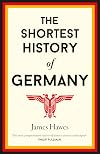
A breezy history that confidently speeds through prehistory through roman influence, skips the carolingians, dips into the HRE and Teutonic Order and then grinds to a halt around the 1800s to develop a thesis about the horrible Prussian influence on the German soul, the impact of which not only results in WWI but is to blame for WWII and the lingering effects of which still resonate today. That latter point is what gets the most criticism in an otherwise pretty good speedrun. We get some show more postwar Germany and reunification as well. The very end is the most political as it relates to current world issues (Merkel, migration and AfD) and your opinion on that breaks by how much you agree with the author's take on said events. It's at least up to date, where a safer approach might have been to leave the narrative somewhere after reunification. show less
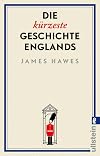
Den Brexit haben die Menschen auf dem Kontinent teils fassungslos, teils kopfschüttelnd betrachtet. Wie konnte es zu so einer gravierenden (Fehl-)Entscheidung kommen? Man hat den Eindruck die Briten nicht mehr zu verstehen, vielleicht aber auch nie verstanden zu haben. Tausende Jahre Geschichte sind es, die das Land zu dem gemacht haben, das diese folgenreiche Abstimmung herbeiführte. Doch kann man einen so langen Zeitraum prägnant und gut lesbar zusammenfassen? James Hawes ist dies show more gelungen. Von Caesars Eroberung über zahlreiche Kriege bis hin zur Entstehung des Empire und dessen Niedergang im 20. Jahrhundert, ein letztes Aufbäumen durch popkulturelle Erfolge kurz vor der Jahrtausendwende und schließlich die Absage auf ein gemeinsames Europa. Mit zahlreichen historischen Dokumenten, Karte und prägnanten Schaubildern untermauert er die Tatsache, dass die Nation nicht erst im Brexit ihre tiefe Spaltung zeigte, tatsächlich war sie nie wirklich vereint.
James Hawes ist Germanist, der an verschiedenen Universitäten im Vereinigten Königreich lehrte. In den 1990ern war er mit zwei Romanen recht erfolgreich, seine Abriss über die Geschichte Deutschlands wurde in seiner Heimat mit sehr positiven Kritiken aufgenommen, was vermutlich auch zur Entstehung seines aktuellen Werkes beigetragen hat. „Die kürzeste Geschichte Englands“ hält, was der Titel verspricht. Anhand des roten Fadens der Spaltung leitet den Autor durch 2000 Jahre Geschichte, die notwendigerweise reduziert, aber gleichsam zielgerichtet und leicht verständlich wird.
Mit der britischen Geschichte grundlegend vertraut, hat mich Hewes‘ Buch dennoch gereizt, weil man gerade wegen der politischen Entwicklungen der letzten Jahre anfing zu zweifeln, ob man das Land und seine Bewohner wirklich kennt oder ob es nicht doch tiefergehende Faktoren gibt, die man übersehen hat. Geschichte ist nicht linear und eindimensional, sondern vielschichtig und unterschiedliche Faktoren überlagern sich. Trotz der Kürze arbeitet der Autor dies immer wieder heraus. Sprache, soziale Schicht, Geografie, Glaube – weder lassen sie sich trennen noch genügen sie einzeln zu erklären, weshalb an unterschiedlichsten Stellen Risse, Brüche und tiefe Gräben existieren, die zwar gelegentlich gekittet den Anschein einer vereinten großen Nation erweckten, unter der Oberfläche jedoch ein vielfach zerfasertes Gebilde beherbergten.
Das etwas andere Geschichtsbuch, das nie den Anspruch auf Vollständigkeit und Ausführlichkeit legt, sondern zielgerichtet einen anderen Blick auf Großbritannien wirft und leider auch kein besonders optimistisches Fazit zieht. show less
James Hawes ist Germanist, der an verschiedenen Universitäten im Vereinigten Königreich lehrte. In den 1990ern war er mit zwei Romanen recht erfolgreich, seine Abriss über die Geschichte Deutschlands wurde in seiner Heimat mit sehr positiven Kritiken aufgenommen, was vermutlich auch zur Entstehung seines aktuellen Werkes beigetragen hat. „Die kürzeste Geschichte Englands“ hält, was der Titel verspricht. Anhand des roten Fadens der Spaltung leitet den Autor durch 2000 Jahre Geschichte, die notwendigerweise reduziert, aber gleichsam zielgerichtet und leicht verständlich wird.
Mit der britischen Geschichte grundlegend vertraut, hat mich Hewes‘ Buch dennoch gereizt, weil man gerade wegen der politischen Entwicklungen der letzten Jahre anfing zu zweifeln, ob man das Land und seine Bewohner wirklich kennt oder ob es nicht doch tiefergehende Faktoren gibt, die man übersehen hat. Geschichte ist nicht linear und eindimensional, sondern vielschichtig und unterschiedliche Faktoren überlagern sich. Trotz der Kürze arbeitet der Autor dies immer wieder heraus. Sprache, soziale Schicht, Geografie, Glaube – weder lassen sie sich trennen noch genügen sie einzeln zu erklären, weshalb an unterschiedlichsten Stellen Risse, Brüche und tiefe Gräben existieren, die zwar gelegentlich gekittet den Anschein einer vereinten großen Nation erweckten, unter der Oberfläche jedoch ein vielfach zerfasertes Gebilde beherbergten.
Das etwas andere Geschichtsbuch, das nie den Anspruch auf Vollständigkeit und Ausführlichkeit legt, sondern zielgerichtet einen anderen Blick auf Großbritannien wirft und leider auch kein besonders optimistisches Fazit zieht. show less
Quite simply one of the most godawful pieces of garbage I have ever had the misfortune to pick up. I genuinely cannot believe this ever got published. There was just about enough characterisation to show the characters as one-dimensionally unpleasant and the writing was the prose version of aggressively bad soap opera. Imagine Colin Bateman or Chris Brookmyre, but without any talent or charm whatsoever. In fact, imagine that Piers Morgan decided to write a crime novel; halting yet aggressive show more delivery that the purveyor somehow thinks is charming, brainless populism underscored with an utter contempt for the audience.
The people who published and marketed this tripe should be hunted down and given a stern talking to, preferable with a pair of hot pliers. show less
The people who published and marketed this tripe should be hunted down and given a stern talking to, preferable with a pair of hot pliers. show less
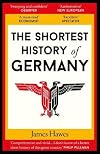
An unusual history, this sets out to package a history of Germany into an easily-digested work, suited to our age of distrust of obvious experts. The style is highly journalistic, but meatier quotes are called out as we go along. Only when we reach the end does the author make their pedigree clear; not a historian, true, but certainly an academic, with access to academic sources. Some of the quotations made along the way were familiar to me, as well.
The thesis the book puts forward is that show more many of the values popularly thought of as "German" are actually Prussian; and much of the history of Germany in the 20th Century can be explained by pointing to Prussian hegemony over the rest of Germany, using the industrial and financial might of western Germany to drive their ambition. This is not a new idea - I first came across it in a work of current affairs written in 1916 - but I've not seen it expressed much in more recent histories.
The finger of blame is pointed at Bismarck, who set up a lot of mechanisms to steer Germany along the routes he wanted. The trouble is that after Bismarck fell, those mechanisms, from military institutions to clubs and societies, each with their own nationalistic agenda, carried on without him, and went along the routes of least resistance. The rest really is history.
Some have been very critical of this book, suggesting it is superficial, inaccurate, or even racist. But it has to be measured against its target audience. There are Britons nowadays who stick to the idea of Germany as militaristic, expansionist, arrogant and likely to repeat the actions of the past. This book attempts to set them right.
In attempting to squeeze the whole span of German history down into fewer than 230 pages, a lot has to be missed out. Perhaps the two omissions I noticed the most were a discussion of the origins of Hitler's motivations, and German tensions within NATO in the 1980s. Hitler's obsession with Germany, as an Austrian, can only be understood with reference to the nature of Austrian politics in the 19th Century; the divide between those who felt Austria should be looking west and those who felt it should be looking east. As for NATO in the 1980s, the deployment of Pershing missiles to Germany upset a lot of people in the German establishment who saw this as an attempt by America to fight World War 3 away from the Continental USA. Having been bombed almost back to the Stone Age just a generation before, many in Germany were not prepared to undergo the same again - only much worse - on behalf of somebody else. NATO's Exercise Able Archer was the final straw, almost igniting that war because the Soviets were on the verge of mistaking it for a genuine attack. Hawes attributes the progress on disarmament that followed specifically to Helmut Kohl; but there was a major groundswell of opinion in West Germany that he could not ignore.
But these are minor matters. Another five or ten pages probably wouldn't have mattered; then again, this book has the advantage of being right up to date (my copy being the 2nd, revised edition of 2020), looking at Angela Merkel with some degree of perspective as she draws near to the end of her term of office, and casting Vladimir Putin as a modern-day Tsar.
If you have never read any German history or know nothing of the country, this is a quick start. It should not be the only source if you intend any sort of in-depth knowledge or analysis; but it is far from the superficial gloss some would have you believe. show less
The thesis the book puts forward is that show more many of the values popularly thought of as "German" are actually Prussian; and much of the history of Germany in the 20th Century can be explained by pointing to Prussian hegemony over the rest of Germany, using the industrial and financial might of western Germany to drive their ambition. This is not a new idea - I first came across it in a work of current affairs written in 1916 - but I've not seen it expressed much in more recent histories.
The finger of blame is pointed at Bismarck, who set up a lot of mechanisms to steer Germany along the routes he wanted. The trouble is that after Bismarck fell, those mechanisms, from military institutions to clubs and societies, each with their own nationalistic agenda, carried on without him, and went along the routes of least resistance. The rest really is history.
Some have been very critical of this book, suggesting it is superficial, inaccurate, or even racist. But it has to be measured against its target audience. There are Britons nowadays who stick to the idea of Germany as militaristic, expansionist, arrogant and likely to repeat the actions of the past. This book attempts to set them right.
In attempting to squeeze the whole span of German history down into fewer than 230 pages, a lot has to be missed out. Perhaps the two omissions I noticed the most were a discussion of the origins of Hitler's motivations, and German tensions within NATO in the 1980s. Hitler's obsession with Germany, as an Austrian, can only be understood with reference to the nature of Austrian politics in the 19th Century; the divide between those who felt Austria should be looking west and those who felt it should be looking east. As for NATO in the 1980s, the deployment of Pershing missiles to Germany upset a lot of people in the German establishment who saw this as an attempt by America to fight World War 3 away from the Continental USA. Having been bombed almost back to the Stone Age just a generation before, many in Germany were not prepared to undergo the same again - only much worse - on behalf of somebody else. NATO's Exercise Able Archer was the final straw, almost igniting that war because the Soviets were on the verge of mistaking it for a genuine attack. Hawes attributes the progress on disarmament that followed specifically to Helmut Kohl; but there was a major groundswell of opinion in West Germany that he could not ignore.
But these are minor matters. Another five or ten pages probably wouldn't have mattered; then again, this book has the advantage of being right up to date (my copy being the 2nd, revised edition of 2020), looking at Angela Merkel with some degree of perspective as she draws near to the end of her term of office, and casting Vladimir Putin as a modern-day Tsar.
If you have never read any German history or know nothing of the country, this is a quick start. It should not be the only source if you intend any sort of in-depth knowledge or analysis; but it is far from the superficial gloss some would have you believe. show less
Lists
Awards

You May Also Like


Associated Authors
Statistics
- Works
- 13
- Members
- 1,573
- Popularity
- #16,417
- Rating
- 3.4
- Reviews
- 41
- ISBNs
- 111
- Languages
- 12
- Favorited
- 3