
Sue Townsend (1) (1946–2014)
Author of The Secret Diary of Adrian Mole Aged 13¾
For other authors named Sue Townsend, see the disambiguation page.
About the Author
Sue Townsend was born in Leicester, England on April 2, 1946. She left school at fifteen and worked a series of jobs before becoming a full-time author. She was best known for her books about the neurotic diarist Adrian Mole including The Secret Diary of Adrian Mole Aged 13 ¾, The Growing Pains of show more Adrian Mole, Adrian Mole: The Wilderness Years, Adrian Mole and the Weapons of Mass Destruction, and Adrian Mole: The Prostrate Years. Her other works include The Queen and I, Number Ten, The Public Confessions of a Middle-Aged Woman Aged 55¾, and The Woman Who Went to Bed for a Year. She died after a stroke on April 10, 2014 at the age of 68. (Bowker Author Biography) show less
Image credit: Niall McDermind
Series
Works by Sue Townsend
The Adrian Mole Diaries: The Secret Diary of Adrian Mole, Aged 13¾ & The Growing Pains of Adrian Mole (1986) 689 copies, 10 reviews
Sue Townsend Boxed Set: The Secret Diary of Adrian Mole / the Growing Pains of Adrian Mole / Adrian Mole: the Wilderness Years (Mandarin Humour) (1995) 28 copies
PERFECT PARTNERS: THE GROWING PAINS OF ADRIAN MOLE; ADRIAN MOLE THE WILDERNESS YEARS. (2005) 8 copies
Penguin Readers Level 3: The Secret Diary of Adrian Mole Aged 13 ¾ (ELT Graded Reader) (2021) 7 copies
Страдания Адриана Моула = The growing pains of Adrian Mole ; Признания Адриана Моула = True congressions of Adrian Albert Mole (2004) 1 copy
Mole Cooks his Goose 1 copy
Adrian Mole: The Web Years 1 copy
Associated Works
The Pleasure of Reading: 43 Writers on the Discovery of Reading and the Books That Inspired Them (2015) — Contributor — 104 copies, 2 reviews
Wicked: Women's Wit and Humour from Elizabeth I to Ruby Wax (1995) — Preface, some editions — 18 copies
Tagged
Common Knowledge
- Legal name
- Broadway, Susan Lillian Johnstone Townsend
- Other names
- Johnstone, Susan Lillian (birth)
- Birthdate
- 1946-04-02
- Date of death
- 2014-04-10
- Gender
- female
- Education
- South Wigston High School
- Occupations
- novelist
playwright
screenwriter
columnist - Awards and honors
- Thames Television Playwright Award, Womberang (1981)
Honorary MA from the University of Leicester (1991)
James Joyce Award (2007) - Nationality
- UK
- Birthplace
- Leicester, Leicestershire, England, UK
- Places of residence
- Leicester, Leicestershire, England, UK
- Place of death
- Leicester, Leicestershire, England, UK
- Burial location
- cremated (scattered in undisclosed woodland)
- Map Location
- England, UK
Members
Reviews
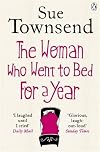
The day her 17-year-old twins leave for college, Eva Beaver locks the door behind them, climbs the stairs to her bedroom, and gets under the covers, shoes and all.
She’s tired of being in charge of cooking and cleaning and laundry and bill-paying and everyone’s social life and making doctor appointments and entertaining people she dislikes and gardening and just generally adulting. So when she gets a telephone call, a few hours into her self-imposed exile, revealing that her husband has show more for years been carrying on an affair with a co-worker, it simply reinforces her plan to simply stay in bed and think about things.
The first half of the book is mostly funny. It’s obvious that Eva has spoiled both her husband and the twins to the point that they are incapable of navigating the quotidian details of life on their own. Brian Beaver’s attempts to prepare a traditional Thanksgiving dinner, via a split-second timetable and a computerized preparation / presentation schedule, goes hilariously awry as he attempts to juggle 17 courses, his mother, his mother-in-law, his lover, his twins, a narcissistic house guest, and assorted neighbors.
As the book, and Eva’s year, continue however, things get darker and one cannot help but wonder why her family continues to cater to her oddities even as they resent the disruption it’s causing. After asking, unsuccessfully, for assistance in managing the realities of her bodily waste, she indulges in a bit of magical thinking that allows her to walk The White Path (a folded sheet, tucked under the edge of the mattress) to the en suite toilet facilities, but still “can’t” get out of bed because she “knows” if she gets up, if she puts her feet on the floor, she will slowly be drawn back into the life she is trying to abandon. With that immediate problem resolved, Eva goes back to bed with the full expectation that someone will continue to prepare and deliver her meals, take away the dirty dishes, and otherwise meet her needs as she concentrates on mining her memories and thinking about things.
Eventually, word gets out about the strange happenings within the household, and Eva becomes a celebrity in spite of herself. This is the point at which things begin to really twist, and the friends and family who have – with varying degrees of enthusiasm – been serving her needs begin to lose their own lives in the service of The Woman in the Bed.
Eva’s connection to reality becomes more and more tenuous even as her husband’s affair collapses and he drifts into a more malignant one and her children’s narrowly-focused brilliance leads them away from normality. The question is not so much whether anyone can rescue Eva as whether anyone still wants to.
Enjoy the humor of the early book, relish the spot-on observations of hypocrisy and family dysfunction in the middle, but be ready for the darkness that seeps into the last third of the book. show less
She’s tired of being in charge of cooking and cleaning and laundry and bill-paying and everyone’s social life and making doctor appointments and entertaining people she dislikes and gardening and just generally adulting. So when she gets a telephone call, a few hours into her self-imposed exile, revealing that her husband has show more for years been carrying on an affair with a co-worker, it simply reinforces her plan to simply stay in bed and think about things.
The first half of the book is mostly funny. It’s obvious that Eva has spoiled both her husband and the twins to the point that they are incapable of navigating the quotidian details of life on their own. Brian Beaver’s attempts to prepare a traditional Thanksgiving dinner, via a split-second timetable and a computerized preparation / presentation schedule, goes hilariously awry as he attempts to juggle 17 courses, his mother, his mother-in-law, his lover, his twins, a narcissistic house guest, and assorted neighbors.
As the book, and Eva’s year, continue however, things get darker and one cannot help but wonder why her family continues to cater to her oddities even as they resent the disruption it’s causing. After asking, unsuccessfully, for assistance in managing the realities of her bodily waste, she indulges in a bit of magical thinking that allows her to walk The White Path (a folded sheet, tucked under the edge of the mattress) to the en suite toilet facilities, but still “can’t” get out of bed because she “knows” if she gets up, if she puts her feet on the floor, she will slowly be drawn back into the life she is trying to abandon. With that immediate problem resolved, Eva goes back to bed with the full expectation that someone will continue to prepare and deliver her meals, take away the dirty dishes, and otherwise meet her needs as she concentrates on mining her memories and thinking about things.
Eventually, word gets out about the strange happenings within the household, and Eva becomes a celebrity in spite of herself. This is the point at which things begin to really twist, and the friends and family who have – with varying degrees of enthusiasm – been serving her needs begin to lose their own lives in the service of The Woman in the Bed.
Eva’s connection to reality becomes more and more tenuous even as her husband’s affair collapses and he drifts into a more malignant one and her children’s narrowly-focused brilliance leads them away from normality. The question is not so much whether anyone can rescue Eva as whether anyone still wants to.
Enjoy the humor of the early book, relish the spot-on observations of hypocrisy and family dysfunction in the middle, but be ready for the darkness that seeps into the last third of the book. show less
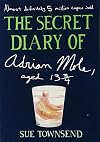
Like many before him, pimply, priggish, pretentious 13-year-old Adrian Mole — well, 13 and three-fourths, to be precise — begins a diary on New Year’s Day. Well, he Leicester had me from the very start. Adrian’s the sort of boy who imagines a future in which his parents, his teachers, school bully Barry Kent, and just about everyone will be sorry that they weren’t nicer to him. My favorite quote? “Perhaps when I am famous and my diary is discovered, people will understand the show more torment of being a 13¾-year-old undiscovered intellectual.”
His entries over two years detail his frustrations with his parents, his infatuation with the popular Pandora, his pompous posing as an intellectual “artiste,” his snobbery and self-dramatization, his dreadful poems, and the awkward obsessions with acne and being cool endemic to all teens in every age. His obliviousness and the usual teen self-absorption, while amusing, brings back memories of my own 13th year, when I locked myself in my room after school every day, wrote book reviews, and cried about my hard, hard life as the pampered daughter who never lifted a finger about the house. Leicester, UK, in the 1980s clearly wasn’t that different from Miami in 1970s, another, more innocent age. Like Adrian with Pandora (“my treacle-haired love”), I was in love with red-headed Darryl McNair, my lab partner, who never gave me a second thought. And like the overly sensitive Adrian, I would have died if Darryl had ever known. At the same time, my heart went out to Adrian over Barry Kent’s bullying him, his parents’ squabbling, and his teen angst and utter cluelessness.
You’ll laugh out loud — right before you catch yourself thanking God that those days are behind you. Despite his priggishness and cluelessness, it’s impossible not to love Adrian Mole.
Merged review:
Like many before him, pimply, priggish, pretentious 13-year-old Adrian Mole — well, 13 and three-fourths, to be precise — begins a diary on New Year’s Day. Well, he Leicester had me from the very start. Adrian’s the sort of boy who imagines a future in which his parents, his teachers, school bully Barry Kent, and just about everyone will be sorry that they weren’t nicer to him. My favorite quote? “Perhaps when I am famous and my diary is discovered, people will understand the torment of being a 13¾-year-old undiscovered intellectual.”
His entries over two years detail his frustrations with his parents, his infatuation with the popular Pandora, his pompous posing as an intellectual “artiste,” his snobbery and self-dramatization, his dreadful poems, and the awkward obsessions with acne and being cool endemic to all teens in every age. His obliviousness and the usual teen self-absorption, while amusing, brings back memories of my own 13th year, when I locked myself in my room after school every day, wrote book reviews, and cried about my hard, hard life as the pampered daughter who never lifted a finger about the house. Leicester, UK, in the 1980s clearly wasn’t that different from Miami in 1970s, another, more innocent age. Like Adrian with Pandora (“my treacle-haired love”), I was in love with red-headed Darryl McNair, my lab partner, who never gave me a second thought. And like the overly sensitive Adrian, I would have died if Darryl had ever known. At the same time, my heart went out to Adrian over Barry Kent’s bullying him, his parents’ squabbling, and his teen angst and utter cluelessness.
You’ll laugh out loud — right before you catch yourself thanking God that those days are behind you. Despite his priggishness and cluelessness, it’s impossible not to love Adrian Mole. show less
His entries over two years detail his frustrations with his parents, his infatuation with the popular Pandora, his pompous posing as an intellectual “artiste,” his snobbery and self-dramatization, his dreadful poems, and the awkward obsessions with acne and being cool endemic to all teens in every age. His obliviousness and the usual teen self-absorption, while amusing, brings back memories of my own 13th year, when I locked myself in my room after school every day, wrote book reviews, and cried about my hard, hard life as the pampered daughter who never lifted a finger about the house. Leicester, UK, in the 1980s clearly wasn’t that different from Miami in 1970s, another, more innocent age. Like Adrian with Pandora (“my treacle-haired love”), I was in love with red-headed Darryl McNair, my lab partner, who never gave me a second thought. And like the overly sensitive Adrian, I would have died if Darryl had ever known. At the same time, my heart went out to Adrian over Barry Kent’s bullying him, his parents’ squabbling, and his teen angst and utter cluelessness.
You’ll laugh out loud — right before you catch yourself thanking God that those days are behind you. Despite his priggishness and cluelessness, it’s impossible not to love Adrian Mole.
Merged review:
Like many before him, pimply, priggish, pretentious 13-year-old Adrian Mole — well, 13 and three-fourths, to be precise — begins a diary on New Year’s Day. Well, he Leicester had me from the very start. Adrian’s the sort of boy who imagines a future in which his parents, his teachers, school bully Barry Kent, and just about everyone will be sorry that they weren’t nicer to him. My favorite quote? “Perhaps when I am famous and my diary is discovered, people will understand the torment of being a 13¾-year-old undiscovered intellectual.”
His entries over two years detail his frustrations with his parents, his infatuation with the popular Pandora, his pompous posing as an intellectual “artiste,” his snobbery and self-dramatization, his dreadful poems, and the awkward obsessions with acne and being cool endemic to all teens in every age. His obliviousness and the usual teen self-absorption, while amusing, brings back memories of my own 13th year, when I locked myself in my room after school every day, wrote book reviews, and cried about my hard, hard life as the pampered daughter who never lifted a finger about the house. Leicester, UK, in the 1980s clearly wasn’t that different from Miami in 1970s, another, more innocent age. Like Adrian with Pandora (“my treacle-haired love”), I was in love with red-headed Darryl McNair, my lab partner, who never gave me a second thought. And like the overly sensitive Adrian, I would have died if Darryl had ever known. At the same time, my heart went out to Adrian over Barry Kent’s bullying him, his parents’ squabbling, and his teen angst and utter cluelessness.
You’ll laugh out loud — right before you catch yourself thanking God that those days are behind you. Despite his priggishness and cluelessness, it’s impossible not to love Adrian Mole. show less

The final book in the Adrian Mole series, and this ones a classic. Adrian continues his life as a bad husband, inattentive parent, and general useless lump, only this time he maybe gets a happy ending. Or maybe he doesn't, its unclear.
Things that I notice on the second reading that I missed the first time round: The "prostrate" joke in the title works in multiple ways - firstly, because throughout the book Adrian is enraged at people confusing the words prostrate and prostate. Secondly, show more because in this book Adrian is defeated by life. Unlike earlier books he is no longer really an agent of his own misfortune; instead he is flotsam, unable to even to make the decisions necessary to screw up his own life. Even with Pandora throwing herself at him he is not able to act. He is basically face down in the mud and drowning.
Secondly, the ending is so wonderfully ambiguous. There's a mess of good luck and bad luck that reflects real life. As our last ever visit to Adrian its brutal but in this its just right,
Yes, this is a fine book and a great finale to the series. Its a damn tragedy that we'll never get to see any more of the Mole family. show less
Things that I notice on the second reading that I missed the first time round: The "prostrate" joke in the title works in multiple ways - firstly, because throughout the book Adrian is enraged at people confusing the words prostrate and prostate. Secondly, show more because in this book Adrian is defeated by life. Unlike earlier books he is no longer really an agent of his own misfortune; instead he is flotsam, unable to even to make the decisions necessary to screw up his own life. Even with Pandora throwing herself at him he is not able to act. He is basically face down in the mud and drowning.
Secondly, the ending is so wonderfully ambiguous. There's a mess of good luck and bad luck that reflects real life. As our last ever visit to Adrian its brutal but in this its just right,
Yes, this is a fine book and a great finale to the series. Its a damn tragedy that we'll never get to see any more of the Mole family. show less
The Adrian Mole Diaries: "Secret Diary of Adrian Mole Aged Thirteen and Three Quarters" and "Growing Pains of Adrian Mol by Sue Townsend

It's surprisingly easy to forget at this distance, nearly forty years on and post-Harry-Potter, but Adrian Mole was the British publishing sensation of the 1980s. Sue Townsend sold over six million copies of the first two books in the UK within the decade, which put her a long way ahead of niche authors like Jeffrey Archer, Jackie Collins and Barbara Taylor Bradford as the bestselling writer of the eighties. And yet, she was exactly the sort of "sponger" Mrs Thatcher was keenest to demonise: show more a working-class single mother from the East Midlands who left school at fifteen without any proper qualifications...
Like many other great comic writers, Townsend started out as a playwright, when she was persuaded, in her early thirties, to go to a writing workshop at a local theatre. A couple of successful stage plays were followed by a BBC commission for a short series of radio plays about a teenager called Nigel Mole (later changed to Adrian to avoid confusion with the hero of Down with skool!). And the rest, as they say, is history.
A lot of the appeal of Adrian Mole is quite simply down to it being very clever comic writing. All the diaries are full of brilliant one-liners and more sophisticated buried jokes, some that you would probably only spot on a third or fourth reading. There are brilliant set-pieces in which absurd situations are brought about in the most natural and plausible way imaginable. But it also succeeded commercially because of the way Townsend was able to sneak a lot of the hard realities of Thatcherite Britain into a superficially innocent narrative: it was a book that you could enjoy whether you were an adult or a teenager, working-class or middle-class, on the left or on the right. Re-reading forty years on, it's striking how multi-culti it was: even in the early eighties this very mainstream book was full of non-white, non-heterosexual and non-stereotype characters. Reading it obviously didn't reform British society and overcome its prejudices, but it might have mitigated a few of them.
Townsend talked about the diary form as a very easy one to work with: she felt that you could do anything you like with it, provided you stuck to a linear time-sequence. (And a single point of view, obviously.) In a way, teenage Adrian is just an updated Mr Pooter, reporting on things that don't make sense to him but are much clearer to us, and getting into embarrassing or humiliating situations that he tells us about in a disarmingly frank way (going to A&E with a model aeroplane stuck to his nose after a failed attempt to try glue-sniffing). His overestimation of his own literary talents and his failure to understand other people (especially women) often make him a little bit contemptible, but this is always offset by his honesty, kindness and compassion. The way he is constantly being seduced by elderly people into becoming their unpaid carer is much more important to us than his conviction that his experimental novel Lo! The flat hills of my homeland and his serial-killer sitcom The white van are masterpieces. We can't help liking him and feeling that, if we had the bad luck to get into situations like those he is constantly finding himself in, we probably wouldn't do much better at maintaining our dignity. show less
Like many other great comic writers, Townsend started out as a playwright, when she was persuaded, in her early thirties, to go to a writing workshop at a local theatre. A couple of successful stage plays were followed by a BBC commission for a short series of radio plays about a teenager called Nigel Mole (later changed to Adrian to avoid confusion with the hero of Down with skool!). And the rest, as they say, is history.
A lot of the appeal of Adrian Mole is quite simply down to it being very clever comic writing. All the diaries are full of brilliant one-liners and more sophisticated buried jokes, some that you would probably only spot on a third or fourth reading. There are brilliant set-pieces in which absurd situations are brought about in the most natural and plausible way imaginable. But it also succeeded commercially because of the way Townsend was able to sneak a lot of the hard realities of Thatcherite Britain into a superficially innocent narrative: it was a book that you could enjoy whether you were an adult or a teenager, working-class or middle-class, on the left or on the right. Re-reading forty years on, it's striking how multi-culti it was: even in the early eighties this very mainstream book was full of non-white, non-heterosexual and non-stereotype characters. Reading it obviously didn't reform British society and overcome its prejudices, but it might have mitigated a few of them.
Townsend talked about the diary form as a very easy one to work with: she felt that you could do anything you like with it, provided you stuck to a linear time-sequence. (And a single point of view, obviously.) In a way, teenage Adrian is just an updated Mr Pooter, reporting on things that don't make sense to him but are much clearer to us, and getting into embarrassing or humiliating situations that he tells us about in a disarmingly frank way (going to A&E with a model aeroplane stuck to his nose after a failed attempt to try glue-sniffing). His overestimation of his own literary talents and his failure to understand other people (especially women) often make him a little bit contemptible, but this is always offset by his honesty, kindness and compassion. The way he is constantly being seduced by elderly people into becoming their unpaid carer is much more important to us than his conviction that his experimental novel Lo! The flat hills of my homeland and his serial-killer sitcom The white van are masterpieces. We can't help liking him and feeling that, if we had the bad luck to get into situations like those he is constantly finding himself in, we probably wouldn't do much better at maintaining our dignity. show less
Lists
Favourite Books (1)
Mooie titels (1)
BBC Big Read (1)
Funny Books (1)
A Novel Cure (1)
Epistolary Books (2)
Female Author (1)
Awards


You May Also Like


Associated Authors
Statistics
- Works
- 49
- Also by
- 15
- Members
- 16,606
- Popularity
- #1,365
- Rating
- 3.6
- Reviews
- 330
- ISBNs
- 660
- Languages
- 23
- Favorited
- 39
