
Robert Clark (1) (1952–)
Author of Mr. White's Confession
For other authors named Robert Clark, see the disambiguation page.
Works by Robert Clark
Associated Works
Tagged
Common Knowledge
- Birthdate
- 1952-04-09
- Gender
- male
- Nationality
- USA
- Places of residence
- Seattle, Washington, USA
- Associated Place (for map)
- Washington, USA
Members
Reviews
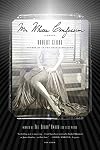
I started reading Robert Clark a few years ago, beginning with LOVE AMONG THE RUINS, an absolutely exquisite and tragic novel of young love in the turmoil of the late sixties. I was hooked. Then I read IN THE DEEP MIDWINTER which kept me firmly in the fold of Clark followers. With MR. WHITE'S CONFESSION I am a confirmed believer. Clark is perhaps the consumate voice of fiction for the St. Paul region. While reading his stuff I wondered if he knew Patricia Hampl or had read her mesmerizing show more St. Paul memoir, THE FLORIST'S DAUGHTER. Because the same locales and streets come up in all of the books. I've never visited St. Paul, but after reading Clark and Hampl, I feel like I know the place.
MR. WHITE'S CONFESSION is a slightly different kinda animal from Clark's other two novels in that it is set mostly in the year 1939 with lots of historical and cultural references from that year, and, perhaps most significantly, it is a "crime novel." A cover blurb from Greil Marcus likens the book to "Dashiel Hammett or James Crumley - at their best." That's damn good company Mr. Clark is keeping, and I couldn't agree more. But this is so much more than just a murder mystery; it is a dual character study in the best literary tradition: of the suspected murderer, or the "Dime-a-Dance Monster," Herbert White; and the homicide detective, Wesley Horner.
Herbert White is a fascinating creation, a gentle giant kind of character, described as a tall, shambling man with a round Humpty-Dumpty head (and look) and huge hands. Orphaned at an early age, White was apparently home schooled (and well) by his devoted grandmother. There is something altogether odd, perhaps even Asperger-ian, about White, who suffers from a fractured, defective memory. So he has kept scrapbooks and Proustian journals for years to make up for this defect. His looks, however, cannot be helped. People are often afraid of him, so his life since the death of his grandmother has been a solitary one of very regular routines and habits. He has worked for years as a clerk and spends his free time with his scrapbooks and journals, going to the movies weekly, and frequenting the local dance hall and making photographic 'studies' of the girls who work there. Two of these girls turn up dead and therein lies the tale upon which the novel turns.
I spent a little time researching Robert Clark after I discovered his work and found he'd written a biography of the famous cook/chef, James Beard. I know almost nothing about Beard, but in reading a bit about him and studying some photos of him, I couldn't help but wonder if perhaps there weren't a bit of Beard in Clark's character of Herbert White - certainly in the physical description, and perhaps in the sensibilities too. Because White seems at heart a gentle, lonely soul, who has studied the classics and writes in a very Victorian style, and whose sexual identity seems unformed and innocent. But whether there is anything of Beard in him, Herbert White is a totally unique fictional creation - one I will remember for a long time.
The other central character, detective Wesley Horner, is equally fascinating, if a bit more conventional. A tragic figure in that he has lost his wife to cancer and his only daughter simply disappeared, Horner finds a kind of brief salvation in a relationship with Maggie, a sixteen year-old girl he rescues from the street. Since the relationship becomes sexual, some might take issue with it (Horner is in his forties), but Clark manages to make it seem sweetly redemptive, for both parties involved, as indeed it is.
There is evil incarnate in this tale, however, make no mistake. But I'm not a spoiler, so I'll mention no names, although astute readers will have their suspicions early on. Bad things happen, to be sure, but there are some wonderfully kind and sweet things that occur here too, and even some "off stage" intimations of nearly "happily-ever-after" kinda stuff - bittersweet perhaps, but still ... The thing is this is simply a terrifically told story, with wonderful, fully developed characters and a real period feel for the mean streets of pre-war St. Paul. Clark is a master at what he does. I may have already asked this in reviewing his other books, but I'll ask it again. How come this guy is not a nationally bestselling author? Where have all the discerning readers of quality fiction gone? Ah, well ... This is a highly recommended read from a confirmed and compulsive booklover. show less
MR. WHITE'S CONFESSION is a slightly different kinda animal from Clark's other two novels in that it is set mostly in the year 1939 with lots of historical and cultural references from that year, and, perhaps most significantly, it is a "crime novel." A cover blurb from Greil Marcus likens the book to "Dashiel Hammett or James Crumley - at their best." That's damn good company Mr. Clark is keeping, and I couldn't agree more. But this is so much more than just a murder mystery; it is a dual character study in the best literary tradition: of the suspected murderer, or the "Dime-a-Dance Monster," Herbert White; and the homicide detective, Wesley Horner.
Herbert White is a fascinating creation, a gentle giant kind of character, described as a tall, shambling man with a round Humpty-Dumpty head (and look) and huge hands. Orphaned at an early age, White was apparently home schooled (and well) by his devoted grandmother. There is something altogether odd, perhaps even Asperger-ian, about White, who suffers from a fractured, defective memory. So he has kept scrapbooks and Proustian journals for years to make up for this defect. His looks, however, cannot be helped. People are often afraid of him, so his life since the death of his grandmother has been a solitary one of very regular routines and habits. He has worked for years as a clerk and spends his free time with his scrapbooks and journals, going to the movies weekly, and frequenting the local dance hall and making photographic 'studies' of the girls who work there. Two of these girls turn up dead and therein lies the tale upon which the novel turns.
I spent a little time researching Robert Clark after I discovered his work and found he'd written a biography of the famous cook/chef, James Beard. I know almost nothing about Beard, but in reading a bit about him and studying some photos of him, I couldn't help but wonder if perhaps there weren't a bit of Beard in Clark's character of Herbert White - certainly in the physical description, and perhaps in the sensibilities too. Because White seems at heart a gentle, lonely soul, who has studied the classics and writes in a very Victorian style, and whose sexual identity seems unformed and innocent. But whether there is anything of Beard in him, Herbert White is a totally unique fictional creation - one I will remember for a long time.
The other central character, detective Wesley Horner, is equally fascinating, if a bit more conventional. A tragic figure in that he has lost his wife to cancer and his only daughter simply disappeared, Horner finds a kind of brief salvation in a relationship with Maggie, a sixteen year-old girl he rescues from the street. Since the relationship becomes sexual, some might take issue with it (Horner is in his forties), but Clark manages to make it seem sweetly redemptive, for both parties involved, as indeed it is.
There is evil incarnate in this tale, however, make no mistake. But I'm not a spoiler, so I'll mention no names, although astute readers will have their suspicions early on. Bad things happen, to be sure, but there are some wonderfully kind and sweet things that occur here too, and even some "off stage" intimations of nearly "happily-ever-after" kinda stuff - bittersweet perhaps, but still ... The thing is this is simply a terrifically told story, with wonderful, fully developed characters and a real period feel for the mean streets of pre-war St. Paul. Clark is a master at what he does. I may have already asked this in reviewing his other books, but I'll ask it again. How come this guy is not a nationally bestselling author? Where have all the discerning readers of quality fiction gone? Ah, well ... This is a highly recommended read from a confirmed and compulsive booklover. show less

Spoilers ahoy.
This is my second time reading this and I still love this book. It is startling and unusual in many respects. First the time period. Between wars. America is still fairly isolated from world affairs and we’re still learning how to conduct our own. The harsh light of news media and litigation haven’t rooted out police corruption on every level. Wesley is trying really hard to be one of the good guys. His isolation just echoes the country and the times. On the surface, his show more relationship with Maggie could be construed as somehow an abuse of his power both as a man and as a police officer, but it isn’t. He needs Maggie on a level he doesn’t understand and cannot admit. His inner monologue is full of things he cannot bring himself to voice. When he does show tenderness to Maggie, he is embarrassed and she is surprised. When she leaves his life, we fear for what might become of him.
Which brings me to Welshinger. A more palpable villain is hard to imagine. His petty crimes and bullying behavior is typical of the period. He can get away with being this way and relishes in all the vice he is supposed to be combating. He puts Wesley in a bind several times and his greasy way of hiding his tracks and manipulating people puts him beyond reach. The whole business of taking White’s confession and signing Wesley’s name to it completely bound Wesley to Welshinger and kept him docile and controlled. It was sickening to read. But it paled compared to what he did to Maggie and Wesley. A diseased soul destroyed a little island of peace and happiness just because he could. His sudden “suicide” was really weird and unexpected and I still don’t know what to make of it. Afterwards Wesley seems to be mystified by it, but who knows, it could be just him covering up the fact that he killed him. It didn’t bring Maggie back though.
And then there’s White. An enigma if I ever saw one. My own memory problems helped me to sympathize with his, but I understood why the police thought it a very convenient affliction and used it as a prybar to get the confession from him. Welshinger saw to that; him and his amateur psychiatry. Even at the end of the my second read of this, I can’t decide if White is guilty or not. He seemed so placid and frightened of the world and to truly like Ruby. Then again, plenty of murderers have been cut from that cloth. Then there was the fact that Welshinger had the girls’ shoes in his car. Did he take the evidence, or did he do it? show less
This is my second time reading this and I still love this book. It is startling and unusual in many respects. First the time period. Between wars. America is still fairly isolated from world affairs and we’re still learning how to conduct our own. The harsh light of news media and litigation haven’t rooted out police corruption on every level. Wesley is trying really hard to be one of the good guys. His isolation just echoes the country and the times. On the surface, his show more relationship with Maggie could be construed as somehow an abuse of his power both as a man and as a police officer, but it isn’t. He needs Maggie on a level he doesn’t understand and cannot admit. His inner monologue is full of things he cannot bring himself to voice. When he does show tenderness to Maggie, he is embarrassed and she is surprised. When she leaves his life, we fear for what might become of him.
Which brings me to Welshinger. A more palpable villain is hard to imagine. His petty crimes and bullying behavior is typical of the period. He can get away with being this way and relishes in all the vice he is supposed to be combating. He puts Wesley in a bind several times and his greasy way of hiding his tracks and manipulating people puts him beyond reach. The whole business of taking White’s confession and signing Wesley’s name to it completely bound Wesley to Welshinger and kept him docile and controlled. It was sickening to read. But it paled compared to what he did to Maggie and Wesley. A diseased soul destroyed a little island of peace and happiness just because he could. His sudden “suicide” was really weird and unexpected and I still don’t know what to make of it. Afterwards Wesley seems to be mystified by it, but who knows, it could be just him covering up the fact that he killed him. It didn’t bring Maggie back though.
And then there’s White. An enigma if I ever saw one. My own memory problems helped me to sympathize with his, but I understood why the police thought it a very convenient affliction and used it as a prybar to get the confession from him. Welshinger saw to that; him and his amateur psychiatry. Even at the end of the my second read of this, I can’t decide if White is guilty or not. He seemed so placid and frightened of the world and to truly like Ruby. Then again, plenty of murderers have been cut from that cloth. Then there was the fact that Welshinger had the girls’ shoes in his car. Did he take the evidence, or did he do it? show less
It is always exciting to find a good novel by an author whose work I haven't read before, but when that author is brand new, as in this is his first novel ever, well, that's nothing short of magical.
"Mr. White's Confession" is sort of a cross between a Chandleresque whodunnit and a noir fictional memoir. It tells the tale of an odd-looking and -acting young man who, mostly due to his strangeness, is suspected of murdering a young, beautiful dime-a-dance girl in 1939 during the Great show more Depression in St. Paul, Minnesota. He is not only socially inept and odd-looking, he has a memory disability. Because of his disability ~ he can't recall middle distance events, only memories from long-ago and things that have happened in the past day ~ he keeps track of his life in journals and scrapbooks, and that makes up one part of the story. The part that focuses on the police investigation is told mostly through the eyes of the detectives, Lt. Wesley Horner, a chain-smoking, dogged, rough, but honest cop, and reads like a dime-detective novel from that era. When the story begins, the two protagonists ~ Mr. White and Lt. Horner ~ are eons apart in personality and experience, but, as the novel continues, their lives begin to parallel each other.
I found Mr. White a sympathetic character, perhaps because he is also into photography, and I understood his descriptions of the photographic process and identified with his pleasure at watching an image appear from nothing. I also found his ruminations on the metaphorical aspects of photography versus memory, love, life itself, really quite astute. I also sympathized with him for the way he was looked at ~ as a freak and a creep and even a murderer ~ only because he wasn't handsome and cool-looking. Too many times people judge others by the way they look or if they aren't socially adept without ever trying to get to know them. In this case, things got way out of hand because of that blind bias.
The novel was a little slow in portions, but the writing itself was so good that it was always enough to keep me going until the pace would pick up again. Toward the end, maybe the last 50 pages or so, the story got so intense that I had to force myself to just keep reading and not skip to the end to see what happened. I did sort of figure out more or less who the murderer was, although it was never 100% certain, due to the ambiguities of Mr. White's faulty memory and everyone's intentional and unintentional falsehoods.
One other thing that bothered me (not about the novel but one of the issues brought up by the book) was the way the criminal justice system in effect at the time was so brutal and unfair. There were none of the checks that keep the system in line, like Miranda rights, the rights of the accused to representation and a fair trial by jury, the rights of a criminal not to be subjected to brutal, inhumane punishments, etc. While the criminal justice system today has flaws, they are nothing to what it was like back then. Some of the things that happened to some of the characters infuriated me, and I had to keep telling myself "it's only fiction," and "that was then, it's not like that anymore."
Needless to say, I really enjoyed this novel and am looking forward to more from this author! show less
"Mr. White's Confession" is sort of a cross between a Chandleresque whodunnit and a noir fictional memoir. It tells the tale of an odd-looking and -acting young man who, mostly due to his strangeness, is suspected of murdering a young, beautiful dime-a-dance girl in 1939 during the Great show more Depression in St. Paul, Minnesota. He is not only socially inept and odd-looking, he has a memory disability. Because of his disability ~ he can't recall middle distance events, only memories from long-ago and things that have happened in the past day ~ he keeps track of his life in journals and scrapbooks, and that makes up one part of the story. The part that focuses on the police investigation is told mostly through the eyes of the detectives, Lt. Wesley Horner, a chain-smoking, dogged, rough, but honest cop, and reads like a dime-detective novel from that era. When the story begins, the two protagonists ~ Mr. White and Lt. Horner ~ are eons apart in personality and experience, but, as the novel continues, their lives begin to parallel each other.
I found Mr. White a sympathetic character, perhaps because he is also into photography, and I understood his descriptions of the photographic process and identified with his pleasure at watching an image appear from nothing. I also found his ruminations on the metaphorical aspects of photography versus memory, love, life itself, really quite astute. I also sympathized with him for the way he was looked at ~ as a freak and a creep and even a murderer ~ only because he wasn't handsome and cool-looking. Too many times people judge others by the way they look or if they aren't socially adept without ever trying to get to know them. In this case, things got way out of hand because of that blind bias.
The novel was a little slow in portions, but the writing itself was so good that it was always enough to keep me going until the pace would pick up again. Toward the end, maybe the last 50 pages or so, the story got so intense that I had to force myself to just keep reading and not skip to the end to see what happened. I did sort of figure out more or less who the murderer was, although it was never 100% certain, due to the ambiguities of Mr. White's faulty memory and everyone's intentional and unintentional falsehoods.
One other thing that bothered me (not about the novel but one of the issues brought up by the book) was the way the criminal justice system in effect at the time was so brutal and unfair. There were none of the checks that keep the system in line, like Miranda rights, the rights of the accused to representation and a fair trial by jury, the rights of a criminal not to be subjected to brutal, inhumane punishments, etc. While the criminal justice system today has flaws, they are nothing to what it was like back then. Some of the things that happened to some of the characters infuriated me, and I had to keep telling myself "it's only fiction," and "that was then, it's not like that anymore."
Needless to say, I really enjoyed this novel and am looking forward to more from this author! show less
 This review was written for LibraryThing Early Reviewers.
A slightly expanded version of this review is available on my blog:
http://jlshall.blogspot.com/2008/09/review-mr-whites-confession.html
Robert Clark’s Mr. White’s Confession is an atmospheric, genre-bending murder mystery, set in St. Paul, Minnesota, in 1939. Someone is killing dime-a-dance girls in the city, and Police Lieutenant Wesley Horner is assigned to the case. His investigation soon leads him to a chief suspect – one Herbert White, a local eccentric with memory problems and a show more taste for “glamour” photography. White was a frequent customer at the dance hall where the two murdered women worked, and had taken their photographs just before they turned up dead. And when the police question him, his answers are unconventional and unsatisfying. Is it possible he’s using his claims of faulty memory to mask his guilt?
The book shifts back and forth between Horner’s investigation of the case and White’s diaries from the period. Herbert keeps detailed diaries and scrapbooks to help him remember things. Because of an injury at birth, he has a very quirky memory – he can recall his childhood and events from long ago, and things that happened within the last day or two, but has trouble with the time between – his “middle-distance” memories. And by the time Horner settles on him as the likely killer, we’ve already gotten to know and care about White through those diaries and scrapbooks – a circumstance which really adds to the suspense and tension of the story. But then there’s always the nagging question: Can we rely on him as a narrator?
I thoroughly enjoyed this book. The characters – even the minor characters – are all interesting and believable. No one is perfect – even Lieutenant Horner is troubled and flawed. As a mystery novel, it’s probably only half successful, but that’s really not its point. Much more important is its exploration of themes of guilt and innocence, truth and fiction, past and present, love, faith, and memory – especially memory.
I received this book through LibraryThing’s Early Reviewer program, although it originally came out in 1998. Before I read it, I wasn’t familiar with Robert Clark’s works. But now I’m a fan. And I’m eager to read his earlier work, In the Deep Midwinter – if only for that wonderful title. show less
http://jlshall.blogspot.com/2008/09/review-mr-whites-confession.html
Robert Clark’s Mr. White’s Confession is an atmospheric, genre-bending murder mystery, set in St. Paul, Minnesota, in 1939. Someone is killing dime-a-dance girls in the city, and Police Lieutenant Wesley Horner is assigned to the case. His investigation soon leads him to a chief suspect – one Herbert White, a local eccentric with memory problems and a show more taste for “glamour” photography. White was a frequent customer at the dance hall where the two murdered women worked, and had taken their photographs just before they turned up dead. And when the police question him, his answers are unconventional and unsatisfying. Is it possible he’s using his claims of faulty memory to mask his guilt?
The book shifts back and forth between Horner’s investigation of the case and White’s diaries from the period. Herbert keeps detailed diaries and scrapbooks to help him remember things. Because of an injury at birth, he has a very quirky memory – he can recall his childhood and events from long ago, and things that happened within the last day or two, but has trouble with the time between – his “middle-distance” memories. And by the time Horner settles on him as the likely killer, we’ve already gotten to know and care about White through those diaries and scrapbooks – a circumstance which really adds to the suspense and tension of the story. But then there’s always the nagging question: Can we rely on him as a narrator?
I thoroughly enjoyed this book. The characters – even the minor characters – are all interesting and believable. No one is perfect – even Lieutenant Horner is troubled and flawed. As a mystery novel, it’s probably only half successful, but that’s really not its point. Much more important is its exploration of themes of guilt and innocence, truth and fiction, past and present, love, faith, and memory – especially memory.
I received this book through LibraryThing’s Early Reviewer program, although it originally came out in 1998. Before I read it, I wasn’t familiar with Robert Clark’s works. But now I’m a fan. And I’m eager to read his earlier work, In the Deep Midwinter – if only for that wonderful title. show less
This review was written for LibraryThing Early Reviewers.Lists
Awards


You May Also Like


Associated Authors
Statistics
- Works
- 10
- Also by
- 1
- Members
- 1,072
- Popularity
- #23,986
- Rating
- 3.5
- Reviews
- 48
- ISBNs
- 120
- Languages
- 4
- Favorited
- 1
