
Yannick Haenel
Author of The Messenger
Works by Yannick Haenel
Evoluer parmi les avalanches 2 copies
Apara-ti coroana 1 copy
Associated Works
Tagged
Common Knowledge
- Legal name
- Haenel, Yannick
- Other names
- Haenel, Yannick
- Birthdate
- 1967
- Gender
- male
- Education
- Lycée prytanée national militaire, La Flèche, Sarthe, France
Lycée Chateaubriand, Rennes, Ille-et-Vilaine, France - Occupations
- Auteur
Enseignant (Français)
Chroniqueur - Organizations
- Ligne de risque (Revue, 1997)
Lycée La Bruyère, Versailles, Yvelines, France (?- 2005)
Académie de France à Rome - Villa Médicis (Pensionnaire, 2008-2009)
Transfuge (Magazine de littérature et de cinéma, 2010- )
Charlie Hebdo ((Magazine satirique, 2015- ) - Relationships
- Meyronnis, François (Co-dirigeant)
- Nationality
- France
- Birthplace
- Rennes, Ille-et-Vilaine, France
- Places of residence
- Paris, France
- Map Location
- France
- Associated Place (for map)
- France
Members
Reviews
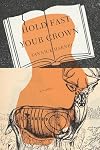
‘Back then, I was crazy.’ So begins Yannick Haenel’s novel, first published in his native French in 2017 and now receiving its English language publication, ably translated by Teresa Fagan.
This is a pretty bonkers book, to be honest. I’m torn between saying I loved it or was slightly irritated by it. Maybe both at the same time. Our central character, mostly nameless but perhaps called Jean, has written his magnum opus, a 700-page screenplay of the life of Herman Melville, but which show more is constantly being turned down by anyone he approaches. He becomes convinced that the best person to read it would be Michael Cimino, legendary American director of films such as ‘The Deer Hunter’ and ‘Heaven’s Gate’. Jean spends his days watching ‘Apocalypse Now’, finding philosophical profundity in every scene, and drinking heavily. We are deeply in the realms of a totally unreliable narrator as the novel constantly plays with the blurring of reality: we are never fully sure what is hallucination and what is actually happening.
Haenel throws in an abundance of Greek myths, contemporary references, nods to films and books and current affairs. This is a book full of a certain self-reference that could teeter into the verge of annoyance; again, I’m still not sure where I sit on that one, to be honest. As the narrative helter-skelters through a variety of semi-farcical events it soon becomes clear that this is some sort of quest that Jean has to make. He does get to meet Cimino in New York, whilst back in Paris he ends up meeting Isabelle Huppert and falling in love with a woman called Léna. He also manages to lose Sabbat, the dog he was looking after for his friend. As the various parts of his life become ever more complicated, he comes to realise a central truth: ‘Ultimately, that’s the only question: what do you hold dear? What do you truly hold dear?’
It's very French, it’s very po-mo, it’s an elusive and allusive journey to some sort of peace by the shores of Lake Nemi in Italy. I think in the course of writing this review I am edging towards a more positive view; I did enjoy it, and some of the scenes are just so odd that they become weirdly hypnotic. At times you are never quite sure if the central character is just paranoid or hallucinating or seeing the truth. The cultural references add to the sense that he is, quite simply, living in a world of his own, somehow outwith but part of social norms. Go with the flow, enjoy the crazy ride, and revel in an author willing to be slightly outrageous. I’ve talked myself into 4 stars, but try it for yourself! show less
This is a pretty bonkers book, to be honest. I’m torn between saying I loved it or was slightly irritated by it. Maybe both at the same time. Our central character, mostly nameless but perhaps called Jean, has written his magnum opus, a 700-page screenplay of the life of Herman Melville, but which show more is constantly being turned down by anyone he approaches. He becomes convinced that the best person to read it would be Michael Cimino, legendary American director of films such as ‘The Deer Hunter’ and ‘Heaven’s Gate’. Jean spends his days watching ‘Apocalypse Now’, finding philosophical profundity in every scene, and drinking heavily. We are deeply in the realms of a totally unreliable narrator as the novel constantly plays with the blurring of reality: we are never fully sure what is hallucination and what is actually happening.
Haenel throws in an abundance of Greek myths, contemporary references, nods to films and books and current affairs. This is a book full of a certain self-reference that could teeter into the verge of annoyance; again, I’m still not sure where I sit on that one, to be honest. As the narrative helter-skelters through a variety of semi-farcical events it soon becomes clear that this is some sort of quest that Jean has to make. He does get to meet Cimino in New York, whilst back in Paris he ends up meeting Isabelle Huppert and falling in love with a woman called Léna. He also manages to lose Sabbat, the dog he was looking after for his friend. As the various parts of his life become ever more complicated, he comes to realise a central truth: ‘Ultimately, that’s the only question: what do you hold dear? What do you truly hold dear?’
It's very French, it’s very po-mo, it’s an elusive and allusive journey to some sort of peace by the shores of Lake Nemi in Italy. I think in the course of writing this review I am edging towards a more positive view; I did enjoy it, and some of the scenes are just so odd that they become weirdly hypnotic. At times you are never quite sure if the central character is just paranoid or hallucinating or seeing the truth. The cultural references add to the sense that he is, quite simply, living in a world of his own, somehow outwith but part of social norms. Go with the flow, enjoy the crazy ride, and revel in an author willing to be slightly outrageous. I’ve talked myself into 4 stars, but try it for yourself! show less
This is an odd but compelling book. Written by a French novelist, the first section consists of an interpretation of Claude Lanzmann’s interview with Karski concerning his observations of the Warsaw ghetto, German actions to exterminate the Jews and his mission to the Allies to report that these horrifying events were taking place. The second section consists of a summary of Karski’s book published in 1944 concerning the same events as well as his other experiences in the Polish show more Underground. According to the author, the last section is fictional. It consists largely of Karski’s own thoughts concerning the terrible of events he witnessed and his disappointment that the Allies did nothing in response to his reports, as well as covering events in his own life in the period from the end of the war until the 1990s. Much of this last section takes the form of stream of consciousness (there are only two paragraphs and it is the longest part of the book). Because it is described as fiction, one does not know which of the described events or views are true and which may have been the author's own interpretation or even imagination (such as the pivotal role of Rembrandt's Cavalier Polonaise seen by Karski in the Frick). One has the feeling that the author believes that what is said in this section truly occurred and was believed by Karski but given that the author was writing up in his own words the thoughts and feelings he was ascribing to Karski, he felt he needed to describe it as fiction. Maybe the biography of Karski will shed some light on this last section. show less
I have been thinking about this book all day. I don't think I can come up with a good review but this perspective does sum up pretty well: "The extermination of the Jews of Europe was not a crime against humanity, it was a crime by humanity - by what can no longer be called humanity. Pretending that it was a crime against humanity means sparing a part of humanity, and naively leaving this part outside the crime. But the entirety of humanity was implicated in the extermination of the Jews of show more Europe; it was universally implicated because, with this crime, humanity totally lost its characteristic of being humane. We should all recognize that, after the extermination of the Jews of Europe, humanity no longer exists, that this notion is obscene, that we can no longer call upon humanity as a criterion that protects us and exonerates us from our responsibilities: with the extermination of the Jews of Europe, the very idea of humanity died." show less
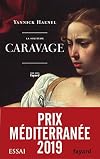
Avec ce texte, Yannick Haenel nous offre une plongée hallucinée, quasiment en apnée dans l'univers du Caravage, à travers sa vie et sa peinture.
A l'âge de 15 ans, l'auteur s'éveille à la sensualité en tombant sur la page d'un livre de peinture. L'objet de son désir est une femme vêtue d'un corsage blanc sur fond noir, dont les beaux seins sont moulés dans la transparence de l'étoffe. Il ne le sait pas encore mais il vient de faire la rencontre du Caravage. Il découvrira bien show more des années plus tard, en visitant la galerie nationale d'art ancien de Rome, que l'objet de son désir représente Judith décapitant Holopherne. Choc vertigineux du point de rencontre entre Eros et Thanatos.
L'écriture de Yannick Haenel, somptueuse, chatoyante, passionnée et un peu folle nous invite à aiguiser notre regard sur de nombreuses oeuvres du peintre hors normes, bagarreur et exigeant, ombrageux et génial que fut Le Caravage.
Ce sont des mots incandescents, des illuminations de détails infinis, des impressions sensuelles et intellectuelles, des élucubrations, des excès, des fulgurances... c'est une déclaration d'amour fou (presque rageuse) au peintre, en même temps qu'un festin de l'intelligence, de la création et de la beauté tant dans le geste pictural que littéraire.
La passion de l'auteur est véritablement contagieuse au point de nous insuffler un désir frénétique d'observer chaque oeuvre au plus près.
Une grande réussite. Yannick Haenel fait décidément partie des écrivains les plus intéressants de l'hexagone.
Extrait concernant Le Crucifiement de saint Pierre : "Comme dans certaines nouvelles de Kafka, l'horreur que nous inspire le crime vient de la méticulosité technique avec laquelle la mise à mort est décrite : en attirant l'attention sur le fonctionnement de la mort plutôt que sur la victime elle-même, on ne se protège derrière aucune identification sentimentale, mais on transmet, d'une manière peut-être plus efficace" quelque chose de la cruauté qui rend possible une telle scène."
"Je me figure parfois le Caravage comme le frère impulsif de ce personnage de Shakespeare – le jeune Henri V –, futur roi d’Angleterre, qui, avant de prendre la couronne, vit aux côtés du peuple dont il a adopté le mode de vie festif et braillard, et semble très à son aise dans l’univers de débauche des tavernes. Le Caravage, lui aussi, est un roi ; et il n’aime rien tant que tremper sa couronne dans le caniveau, non pour s’encanailler, mais parce que sa vérité réside autant dans la boue des nuits que dans l’or de sa peinture : le clair-obscur n’est pas son lieu pour rien. Ce qu’il découvre à travers sa peinture – cet entre-deux périlleux où s’ajointent les ténèbres et la lumière – est aussi l’intervalle où il se glisse dans sa vie". "Wo aber Gefahr ist, wächst das Rettende auch".
"L’exigence artistique du Caravage ne le protège de rien : au contraire, l’intégrité fait délirer ceux qui en manquent ; les voici chargés de haine à votre endroit, faute de savoir aimer sans convoitise. Comme le monde de la littérature, celui de la peinture est surveillé par un milieu qui ne vous épargne rien ; mieux vous écrivez, mieux vous peignez, et plus la médiocrité se transforme en rage à votre égard".
L'écriture de Haenel pourrait bien, elle aussi, enrager nombre de ses congénères... show less
A l'âge de 15 ans, l'auteur s'éveille à la sensualité en tombant sur la page d'un livre de peinture. L'objet de son désir est une femme vêtue d'un corsage blanc sur fond noir, dont les beaux seins sont moulés dans la transparence de l'étoffe. Il ne le sait pas encore mais il vient de faire la rencontre du Caravage. Il découvrira bien show more des années plus tard, en visitant la galerie nationale d'art ancien de Rome, que l'objet de son désir représente Judith décapitant Holopherne. Choc vertigineux du point de rencontre entre Eros et Thanatos.
L'écriture de Yannick Haenel, somptueuse, chatoyante, passionnée et un peu folle nous invite à aiguiser notre regard sur de nombreuses oeuvres du peintre hors normes, bagarreur et exigeant, ombrageux et génial que fut Le Caravage.
Ce sont des mots incandescents, des illuminations de détails infinis, des impressions sensuelles et intellectuelles, des élucubrations, des excès, des fulgurances... c'est une déclaration d'amour fou (presque rageuse) au peintre, en même temps qu'un festin de l'intelligence, de la création et de la beauté tant dans le geste pictural que littéraire.
La passion de l'auteur est véritablement contagieuse au point de nous insuffler un désir frénétique d'observer chaque oeuvre au plus près.
Une grande réussite. Yannick Haenel fait décidément partie des écrivains les plus intéressants de l'hexagone.
Extrait concernant Le Crucifiement de saint Pierre : "Comme dans certaines nouvelles de Kafka, l'horreur que nous inspire le crime vient de la méticulosité technique avec laquelle la mise à mort est décrite : en attirant l'attention sur le fonctionnement de la mort plutôt que sur la victime elle-même, on ne se protège derrière aucune identification sentimentale, mais on transmet, d'une manière peut-être plus efficace" quelque chose de la cruauté qui rend possible une telle scène."
"Je me figure parfois le Caravage comme le frère impulsif de ce personnage de Shakespeare – le jeune Henri V –, futur roi d’Angleterre, qui, avant de prendre la couronne, vit aux côtés du peuple dont il a adopté le mode de vie festif et braillard, et semble très à son aise dans l’univers de débauche des tavernes. Le Caravage, lui aussi, est un roi ; et il n’aime rien tant que tremper sa couronne dans le caniveau, non pour s’encanailler, mais parce que sa vérité réside autant dans la boue des nuits que dans l’or de sa peinture : le clair-obscur n’est pas son lieu pour rien. Ce qu’il découvre à travers sa peinture – cet entre-deux périlleux où s’ajointent les ténèbres et la lumière – est aussi l’intervalle où il se glisse dans sa vie". "Wo aber Gefahr ist, wächst das Rettende auch".
"L’exigence artistique du Caravage ne le protège de rien : au contraire, l’intégrité fait délirer ceux qui en manquent ; les voici chargés de haine à votre endroit, faute de savoir aimer sans convoitise. Comme le monde de la littérature, celui de la peinture est surveillé par un milieu qui ne vous épargne rien ; mieux vous écrivez, mieux vous peignez, et plus la médiocrité se transforme en rage à votre égard".
L'écriture de Haenel pourrait bien, elle aussi, enrager nombre de ses congénères... show less
Apr 14, 2020French
Awards


You May Also Like


Associated Authors
Statistics
- Works
- 27
- Also by
- 1
- Members
- 328
- Popularity
- #72,310
- Rating
- 3.6
- Reviews
- 8
- ISBNs
- 62
- Languages
- 11
