
Jim Corbett (1) (1875–1955)
Author of Man-Eaters of Kumaon
For other authors named Jim Corbett, see the disambiguation page.
About the Author
Jim Corbett (1875-1955), well-known hunter, naturalist, and conservationist, is the author of several acclaimed classics, including Man-Eaters of Kumaon (1944), The Man-Eating Leopard of Rudrapravag (1948), and My India (1952).
Works by Jim Corbett
The Jim Corbett Omnibus: "Man-eaters of Kumaon", "Man-eating Leopard of Rudraprayag" and "Temple Tiger and More Man-eaters of Kumaon" (1991) 141 copies, 2 reviews
Associated Works
Tagged
Common Knowledge
- Legal name
- Corbett, James Edward
- Birthdate
- 1875-07-25
- Date of death
- 1955-04-19
- Gender
- male
- Occupations
- hunter
photographer
conservationist - Organizations
- Indian Army
- Awards and honors
- Corbett National Park
- Nationality
- UK
- Places of residence
- Nainital, Uttarakhand, India
Members
Reviews
The Jim Corbett Omnibus: Man-eaters of Kumaon; The Man-eating Leopard of Rudraprayag; The Temple Tiger and More Man-eaters of Kumaon by Jim Corbett
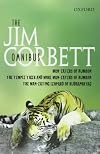
A really excellent, exciting collection of three books by Jim Corbett: Man-Eaters of Kumaon, The Man-Eating Leopard of Rudraprayag, and The Temple Tiger and More Man-Eaters of Kumaon.
I am not a hunter or a sportsman but I found Corbett's tales of his adventures in India, mostly hunting man-eating tigers and leopards in the first half of the twentieth century to be utterly fascinating. Corbett's writing is engaging, and conveys a clear sense of his jungle knowledge, animal behavior, and show more Indian culture. A more detailed set of maps would have helped (a two-page spread is included), as would a glossary (context clues are adequate for most purposes). I would recommend this omnibus for anyone interested in real-life adventures with dangerous carnivores.
Lest one think that Corbett was an unduly bloodthirsty killer of animals, he was a conservationist in the truest sense and valued using his jungle skills to obtain photos of animals rather than trophies. But when an aged or injured tiger starts killing humans, someone must intervene, and the foremost expert for decades was Jim Corbett. He's a modest fellow, and makes clear just how afraid he was at times, as well as the limitations of the tools he had at his disposal. Though it's a profoundly different kind of book from most of what I read, I have to say that this was one of the most interesting books I've read in years. Highly recommended. show less
I am not a hunter or a sportsman but I found Corbett's tales of his adventures in India, mostly hunting man-eating tigers and leopards in the first half of the twentieth century to be utterly fascinating. Corbett's writing is engaging, and conveys a clear sense of his jungle knowledge, animal behavior, and show more Indian culture. A more detailed set of maps would have helped (a two-page spread is included), as would a glossary (context clues are adequate for most purposes). I would recommend this omnibus for anyone interested in real-life adventures with dangerous carnivores.
Lest one think that Corbett was an unduly bloodthirsty killer of animals, he was a conservationist in the truest sense and valued using his jungle skills to obtain photos of animals rather than trophies. But when an aged or injured tiger starts killing humans, someone must intervene, and the foremost expert for decades was Jim Corbett. He's a modest fellow, and makes clear just how afraid he was at times, as well as the limitations of the tools he had at his disposal. Though it's a profoundly different kind of book from most of what I read, I have to say that this was one of the most interesting books I've read in years. Highly recommended. show less
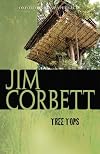
This is partly a nature book describing an evening of animal-watching from a tree house in Kenya.
This is partly a history book about a young woman whose father died during the night; she was Princess Elizabeth when she climbed up the tree and Queen Elizabeth when she came back down.
This is partly a memoir from someone who describes the great honor he felt in passing the evening with the Royal Party.
My compliments to the library catalogers; this one must have been difficult to place.
The book show more is quite short but also very compelling. The introduction by Lord Hailey describes the author and his accomplishments, which is wonderful for the readers because it helps us understand Mr. Corbett. I don’t know if I’ve ever read a memoir in which the author talked less about himself. It’s only through the introduction that I know of full life Corbett had lived—and such knowledge helps ground the rest of the book. In many ways, he was ahead of his time. When other big-game hunters were shooting animals with rifles, he was shooting tigers with a camera.
As for the rest of the book, it doesn’t disappoint. He describes, in great detail, the different animals and their behavior. Illustrations enhance the experience. Parts of it are funny and sweet, but he does describe one of the animals killing another, and I found this part very difficult to read (no pictures of THAT, thank goodness). He also describes the actions of the people staying in the tree house. I was especially moved reading about Corbett’s impressions of the Princess. She was charming and kind, but she was also brave—he describes how calmly she walked past a herd of angry elephants to reach the ladder. He also describes how, when the rest of the group spent the night in the tree house bedrooms, he was perched at the top of the ladder, 30 feet off the ground. He writes that this “was no hardship; in fact it was on this occasion a pleasure. A pleasure to feel that I would have the honour of guarding for one night the life of a very gracious lady who, in God’s good time, would sit on the throne of England.” His joy is palpable. He was in total darkness, with wild animals passing beneath him, and he took it in stride, and with remarkable dignity. This book is delightful in many ways, not the least of which is the insight it offers into a public figure and the lives she’s touched. I would recommend it for nature lovers and for anyone interested in European history and the UK’s rulers. show less
This is partly a history book about a young woman whose father died during the night; she was Princess Elizabeth when she climbed up the tree and Queen Elizabeth when she came back down.
This is partly a memoir from someone who describes the great honor he felt in passing the evening with the Royal Party.
My compliments to the library catalogers; this one must have been difficult to place.
The book show more is quite short but also very compelling. The introduction by Lord Hailey describes the author and his accomplishments, which is wonderful for the readers because it helps us understand Mr. Corbett. I don’t know if I’ve ever read a memoir in which the author talked less about himself. It’s only through the introduction that I know of full life Corbett had lived—and such knowledge helps ground the rest of the book. In many ways, he was ahead of his time. When other big-game hunters were shooting animals with rifles, he was shooting tigers with a camera.
As for the rest of the book, it doesn’t disappoint. He describes, in great detail, the different animals and their behavior. Illustrations enhance the experience. Parts of it are funny and sweet, but he does describe one of the animals killing another, and I found this part very difficult to read (no pictures of THAT, thank goodness). He also describes the actions of the people staying in the tree house. I was especially moved reading about Corbett’s impressions of the Princess. She was charming and kind, but she was also brave—he describes how calmly she walked past a herd of angry elephants to reach the ladder. He also describes how, when the rest of the group spent the night in the tree house bedrooms, he was perched at the top of the ladder, 30 feet off the ground. He writes that this “was no hardship; in fact it was on this occasion a pleasure. A pleasure to feel that I would have the honour of guarding for one night the life of a very gracious lady who, in God’s good time, would sit on the throne of England.” His joy is palpable. He was in total darkness, with wild animals passing beneath him, and he took it in stride, and with remarkable dignity. This book is delightful in many ways, not the least of which is the insight it offers into a public figure and the lives she’s touched. I would recommend it for nature lovers and for anyone interested in European history and the UK’s rulers. show less

If you're a Jim Corbett fan, this would be a wonderful book. As I've never read anything else by him, it came off as a bunch of semi-disconnected stories. He doesn't bother, for instance, to mention _where_, exactly, all this is happening until about the third chapter (and then only vaguely); I deduced India and the hills because I'm a Kipling fan and some of the descriptions matched. Jungle explorer from childhood, with a healthy dose of caution (/fear) keeping him reasonably safe at 8 show more years old, armed with a catapult (slingshot). He was hunting even then - but mostly for the pot, not for fun or the joy of killing. As he advanced in weapon skill and jungle experience, he mostly kept that attitude - there are a lot of reports of killing predators (tigers, leopards), but mostly there's a good reason (the animal is either wounded or is starting to threaten or attack humans or their animals). There's some sport hunting as well, generally with Corbett acting as guide for someone else who wants to make a kill. The timeline jumps around a lot - he's the youngest boy in the area, he's a teenager hunting, he's the youngest cadet in his school, he's a grown man (with a wife) and apparently in charge of hunting and arranging hunting for the...district?, back again to teenager...Each story is at least interesting, but overall (to someone unfamiliar with his other books), it's rather too meandering. There's a chapter late in the book where he pretends that you-the-reader is taking a class in jungle lore from him; he describes, as if you're seeing it, how to determine the age of tracks, what sort of trees are growing in the area - both what they look like and what they're useful for - describes standing still so the leopard crossing in front of "us" doesn't notice us, and so on. That chapter was very interesting and enjoyable to me. But overall, the book isn't for me; I don't hunt for sport or enjoy hearing about it, and aside from that chapter his descriptions of the jungle and its creatures are mixed with a little too much shooting for my taste. Glad I read it, I might pick up another Jim Corbett book if I came across one (he's an excellent writer), but I doubt I'll bother to reread this. show less
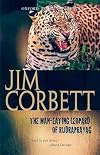
Както забелязах преди известно време, на Земята вече не останаха диви, неизследвани местности. В която и дълбока джунгла да отидеш, докато се усетиш ще почнеш да се препъваш в дървари, фотографи на Нешънъл Джиографик и „екоактивисти“ които протестират в защита на show more хабитата на червеногъзия мушитрънен бръмбар който живеел само там. Не е било толкова отдавна времето обаче, когато джунглите са криели значителни изненади и опасности – а Джим Корбет е бил специалист именно по тях.
Леопардът от Рудрапраяг е човекояден леопард, който в началото на 20-ти век убива и изяжда над 120 човека в местността Рудрапраяг в Индия и за период от 8 години тероризира местното население, живеещо доста нагъсто (все пак – Индия), но в малки селца из планините, в къщи направени от кал и дърво. Местните хора се ужасяват от него толкова, че вярват, че е зъл дух и дори не правят опити да го убият, въпреки че имат оръжие и са ловци.
По това време Индия е под властта на Британската империя и английският парламент се принуждава да се обърне към известния ловец Джим Корбет, който има опит с лов на хищници от семейство котки и по-специално тигри-човекоядци в други области на Индия и да му осигури средства и помощ за залавяне на леопарда.
Опитите за отравяне с различни отрови (стрихнин, цианид) се оказват неуспешни, както и заложените многобройни капани. Леопардът от Рудрапраяг е стар и изключително хитър – избягва капаните, не яде отровеното месо, а в същото време скача през прозорците на къщи, кърти вратите и дори прокопава глинените стени за да вземе поредната си жертва.
Все пак, Джим Корбет, с помощта на друг английски ловец и на местното население успява да надхитри човекоядеца и да го убие, рискувайки на много пъти собствения си живот – да вървиш нощем из джунглите или да чакаш в укритието и на сутринта по следите да разбереш, че докато напразно си чакал човекоядния леопард, той всъщност се е движил отзад и е дебнал теб, чакайки да отпуснеш само за момент вниманието си… show less
Леопардът от Рудрапраяг е човекояден леопард, който в началото на 20-ти век убива и изяжда над 120 човека в местността Рудрапраяг в Индия и за период от 8 години тероризира местното население, живеещо доста нагъсто (все пак – Индия), но в малки селца из планините, в къщи направени от кал и дърво. Местните хора се ужасяват от него толкова, че вярват, че е зъл дух и дори не правят опити да го убият, въпреки че имат оръжие и са ловци.
По това време Индия е под властта на Британската империя и английският парламент се принуждава да се обърне към известния ловец Джим Корбет, който има опит с лов на хищници от семейство котки и по-специално тигри-човекоядци в други области на Индия и да му осигури средства и помощ за залавяне на леопарда.
Опитите за отравяне с различни отрови (стрихнин, цианид) се оказват неуспешни, както и заложените многобройни капани. Леопардът от Рудрапраяг е стар и изключително хитър – избягва капаните, не яде отровеното месо, а в същото време скача през прозорците на къщи, кърти вратите и дори прокопава глинените стени за да вземе поредната си жертва.
Все пак, Джим Корбет, с помощта на друг английски ловец и на местното население успява да надхитри човекоядеца и да го убие, рискувайки на много пъти собствения си живот – да вървиш нощем из джунглите или да чакаш в укритието и на сутринта по следите да разбереш, че докато напразно си чакал човекоядния леопард, той всъщност се е движил отзад и е дебнал теб, чакайки да отпуснеш само за момент вниманието си… show less
Lists
Awards


You May Also Like


Associated Authors
Statistics
- Works
- 30
- Also by
- 6
- Members
- 1,556
- Popularity
- #16,556
- Rating
- 4.1
- Reviews
- 32
- ISBNs
- 111
- Languages
- 8
- Favorited
- 4