
Joe Klein
Author of Primary Colors
About the Author
Joe Klein, a journalist for nearly three decades, is currently Washington correspondent for "The New Yorker". In addition to "Primary Colors", his previous books include "Payback: Five Marines After Vietnam" & "Woody Guthrie: A Life". (Bowker Author Biography) Joe Klein, the formerly "anonymous" show more author of Primary Colors, has also authored Payback: Five Marines After Vietnam (1984) and Woody Guthrie: A Life (1980). A long time editor and political columnist, Klein has reported extensively on America's disillusionment with the political system and related issues for New York Magazine, for Newsweek in the column Public Lives, and for The New Yorker in the column Letter From Washington. In addition, Klein was a contributing editor for Rolling Stone magazine, serving as its Washington bureau chief from 1975 to 1977. (Bowker Author Biography) show less
Works by Joe Klein
Politics Lost: How American Democracy Was Trivialized By People Who Think You're Stupid (2006) 172 copies, 4 reviews
Associated Works
Tagged
Common Knowledge
- Canonical name
- Klein, Joe
- Legal name
- Klein, Joseph Allan
- Birthdate
- 1946-09-07
- Gender
- male
- Education
- University of Pennsylvania (American civilization|BA|1968)
- Occupations
- journalist
author - Organizations
- Time
- Awards and honors
- Guggenheim Fellowship
- Agent
- Kathy Robbins (The Robbins Office)
- Nationality
- USA
- Places of residence
- Westchester County, New York, USA
- Associated Place (for map)
- New York, USA
Members
Reviews
4.75 stars.
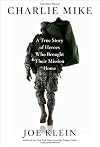
Charlie Mike is not the name of any person, but military shorthand for “continue the mission.” This is the story of some veterans from America’s 21st century wars and their reorientation to civilian life.
Navy veteran Eric Greitens was the initial driving force behind the organization that grew to be named “The Mission Continues.” His life had been filled with a desire to achieve excellence in all things, academics, sports, martial arts, leadership, and service, military show more and otherwise. That innate urge led him to carve a way for veterans of his generation to transition back to the civilian world. Eric’s ideal of “warrior” and all that entailed convinced him that veterans needed not only to be of service but also needed the camaraderie of fellow veterans while doing so. Many felt isolated from the civilian population and struggled to fit in. Give them a mission/purpose with other vets and they could heal each other and hopefully decrease the astronomical rate of suicide and emotional dysfunction among the men and women who had served.
Jake Wood, a Marine veteran of Afghanistan, and his buddy Clay Hunt, were on their way back from volunteer service in post earthquake Haiti, on a plane to Miami, when they found Eric’s advertisement in “Outside” magazine. He was looking for veterans who wanted to be part of a force that used their military skills for service to others. Jake and Clay had just completed a remarkable experience in Haiti and both knew they wanted to help at another disaster zone in the future. To their surprise, they found the Haitian people gracious and grateful for the help that they brought. They saw no evidence of the havoc that was described on broadcast TV and in other media.
That was the opening for Jake and Eric to join forces. Team Rubicon, focusing on disaster response, and The Mission Continues, the larger organization with a wider scope of service projects result. The Mission Continues has its own website and presently has a large number of corporate sponsors, celebrity board members, and thousands of veterans in its membership. Klein documents the beginning and the extraordinary lives of the men and women involved in this project.
I found this book eminently readable. Klein writes well, packs a lot of information into these pages, and his deep respect and admiration for the people involved in this organization are evident. At times I found him a bit too emotional, but that is just a matter of opinion. It is a book about people who have been to hell and back, some still with one foot in hell, so know that you will alternately cheer and tear when you read their stories. Not all make it back to civilian life. There are undiagnosed traumatic brain injuries, post traumatic stress (which one psychiatrist refuses to call a disorder because PTS is a normal reaction to an abnormal situation), and the incredible stress of dealing with the Veterans Administration and their byzantine application process. There are broken relationships among the veterans as well as veterans and their loved ones. There is also heroic generosity of spirit backed up with action. The biggest surprise to me was to learn how these combat veterans felt about the people and places where they were deployed.
This review will be published in the Book Remarks column of the Coastal Breeze News (Marco Island, FL) 5/27/2016 issue. show less
Charlie Mike is not the name of any person, but military shorthand for “continue the mission.” This is the story of some veterans from America’s 21st century wars and their reorientation to civilian life.
Navy veteran Eric Greitens was the initial driving force behind the organization that grew to be named “The Mission Continues.” His life had been filled with a desire to achieve excellence in all things, academics, sports, martial arts, leadership, and service, military show more and otherwise. That innate urge led him to carve a way for veterans of his generation to transition back to the civilian world. Eric’s ideal of “warrior” and all that entailed convinced him that veterans needed not only to be of service but also needed the camaraderie of fellow veterans while doing so. Many felt isolated from the civilian population and struggled to fit in. Give them a mission/purpose with other vets and they could heal each other and hopefully decrease the astronomical rate of suicide and emotional dysfunction among the men and women who had served.
Jake Wood, a Marine veteran of Afghanistan, and his buddy Clay Hunt, were on their way back from volunteer service in post earthquake Haiti, on a plane to Miami, when they found Eric’s advertisement in “Outside” magazine. He was looking for veterans who wanted to be part of a force that used their military skills for service to others. Jake and Clay had just completed a remarkable experience in Haiti and both knew they wanted to help at another disaster zone in the future. To their surprise, they found the Haitian people gracious and grateful for the help that they brought. They saw no evidence of the havoc that was described on broadcast TV and in other media.
That was the opening for Jake and Eric to join forces. Team Rubicon, focusing on disaster response, and The Mission Continues, the larger organization with a wider scope of service projects result. The Mission Continues has its own website and presently has a large number of corporate sponsors, celebrity board members, and thousands of veterans in its membership. Klein documents the beginning and the extraordinary lives of the men and women involved in this project.
I found this book eminently readable. Klein writes well, packs a lot of information into these pages, and his deep respect and admiration for the people involved in this organization are evident. At times I found him a bit too emotional, but that is just a matter of opinion. It is a book about people who have been to hell and back, some still with one foot in hell, so know that you will alternately cheer and tear when you read their stories. Not all make it back to civilian life. There are undiagnosed traumatic brain injuries, post traumatic stress (which one psychiatrist refuses to call a disorder because PTS is a normal reaction to an abnormal situation), and the incredible stress of dealing with the Veterans Administration and their byzantine application process. There are broken relationships among the veterans as well as veterans and their loved ones. There is also heroic generosity of spirit backed up with action. The biggest surprise to me was to learn how these combat veterans felt about the people and places where they were deployed.
This review will be published in the Book Remarks column of the Coastal Breeze News (Marco Island, FL) 5/27/2016 issue. show less
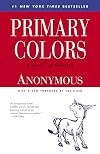
Primary Colors is a strange beast of a political thriller, a novel based on the 1992 Clinton campaign, where the names have been changed and some events altered. Jack Stanton is a charismatic governor of a southern state, a new kind of democrat who blends populist politics with Ivy League credentials. Jack Stanton can light up a room, but he's got feet of clay. He avoided serving during the Vietnam War, and he can't stop sleeping around.
Our viewpoint is campaign manager Henry Burton, the show more grandson of a legendary civil rights leader (think Martin Luther King), and a consummate political staffer. Burton is brought on as deputy campaign manager, and joins the slog through the retail politics of the New Hampshire primary. Challengers arise, various flavors of strange cold Northeasterners, along with scandal, as Susan Stanton's hairdresser publicly accuses Jack Stanton of an affair, and the teenage daughter of the owner of Stanton's favorite BBQ joint accuses him of impregnating her. Burton, meanwhile has his own romance with media whiz Daisy, and teams up with the bipolar and aggressively queer "dustbuster" Libby (partially based on Vince Foster) to kill threats to the Stantons, and dig up opposition research on the other candidates, including a strange story of sex, drugs, and corrupt real estate deals.
When this book is good, it's very good, capturing the frenetic amphetamine rush of politics, the excitement of the game, and the larger-than-life quality of those who play it. Primary Colors gets the thrill of the great American experiment in democracy, what it means to be a Candidate, why people work such long hours for these people, the sordid deals and lies of what politics is, and the soaring ideals of what it might be.
But two things bring this down. The first is that the narrator is Black, and author Joe Klein so very White. I really do not need some white dude in TYOOL 2018 to pontificate about Blackness in America. And the second is that Henry is more a witness than a protagonist. I'm not sure if he makes a single real choice in the novel. He witnesses horrible things, he sees people destroyed by ambition, he finds love, loses it, regains it, but who is he? The political animal, a bag of reflexes watching C-SPAN, the ultimate empty suit. show less
Our viewpoint is campaign manager Henry Burton, the show more grandson of a legendary civil rights leader (think Martin Luther King), and a consummate political staffer. Burton is brought on as deputy campaign manager, and joins the slog through the retail politics of the New Hampshire primary. Challengers arise, various flavors of strange cold Northeasterners, along with scandal, as Susan Stanton's hairdresser publicly accuses Jack Stanton of an affair, and the teenage daughter of the owner of Stanton's favorite BBQ joint accuses him of impregnating her. Burton, meanwhile has his own romance with media whiz Daisy, and teams up with the bipolar and aggressively queer "dustbuster" Libby (partially based on Vince Foster) to kill threats to the Stantons, and dig up opposition research on the other candidates, including a strange story of sex, drugs, and corrupt real estate deals.
When this book is good, it's very good, capturing the frenetic amphetamine rush of politics, the excitement of the game, and the larger-than-life quality of those who play it. Primary Colors gets the thrill of the great American experiment in democracy, what it means to be a Candidate, why people work such long hours for these people, the sordid deals and lies of what politics is, and the soaring ideals of what it might be.
But two things bring this down. The first is that the narrator is Black, and author Joe Klein so very White. I really do not need some white dude in TYOOL 2018 to pontificate about Blackness in America. And the second is that Henry is more a witness than a protagonist. I'm not sure if he makes a single real choice in the novel. He witnesses horrible things, he sees people destroyed by ambition, he finds love, loses it, regains it, but who is he? The political animal, a bag of reflexes watching C-SPAN, the ultimate empty suit. show less
The anonymity of Primary Colors appeared calculated on many different levels. It gave the author the ultimate freedom to insert truth into fiction and fiction into trust and never check the difference. No credentials on the author's part would guarantee the lack of fact-finding, allowing the author to come as close to the truth as fiction would allow. It is obvious Primary Colors is based upon Bill Clinton and his first presidential campaign in 1992.
Jack Stanton is a young, charismatic show more southern-state governor with very human vices. He has a weakness for food and pretty women. He wears his heart on his sleeve. Sound like anyone you knew in the 90s? His wife is smart, unflappable; the one one comes up with the soundbites whenever the governor is interviewed. Primary Colors is told from the point of view of his presidential campaign employee, Henry Burton. Henry is idealistic about his candidate and wants to believe he's a man of his word, but as word and action soon start to contradict Henry must make a choice. show less
Jack Stanton is a young, charismatic show more southern-state governor with very human vices. He has a weakness for food and pretty women. He wears his heart on his sleeve. Sound like anyone you knew in the 90s? His wife is smart, unflappable; the one one comes up with the soundbites whenever the governor is interviewed. Primary Colors is told from the point of view of his presidential campaign employee, Henry Burton. Henry is idealistic about his candidate and wants to believe he's a man of his word, but as word and action soon start to contradict Henry must make a choice. show less
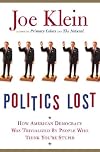
Az elveszett politika: Hogyan trivializálták az amerikai demokráciát azok, akik hülyének nézik az embert? by Joe Klein
"A választók voltaképpen lusták, nem akarnak erőfeszítést tenni annak érdekében, hogy megértsék, miről beszélünk. Az érvelés nagy fokú fegyelmet, összpontosítás igényel; a benyomáskeltés ennél sokkal egyszerűbb. Az érvelés eltaszítja, sérti, döntéshelyzet elé állítja a közönséget; a benyomás ezzel szemben betakarja, magával ragadja, s teszi ezt anélkül, hogy intellektuális követelményeket támasztana."
(William Gavin, a Fehér Ház egyik show more beszédírójának Nixonnak írt feljegyzéséből, 1968)
Amíg még volt Könyvhét, mindig meglátogattam a Napvilág Kiadó standját, ahol 500 meg 1000 forintért felettébb érdekes köteteket tudtam magamévá tenni. Ott leltem ezt a könyvet is, és rá is csaptam, gondoltam, hátha segítségével rájövök, hogy jutott el az USA Lincolntól Donald Trumpig, ami azért valljuk be, van olyan minőségi zuhanás, mint Spielberg Cápa c. remekétől a Sharknado 6-ig* csúszni. Klein alapvetése, hogy a az amerikai politika végzetesen kilúgozódott, teljesen elveszítette emberi oldalát, ami főképp annak köszönhető, hogy a mindenkori elnökök és elnökjelöltek a politikai tanácsadók és marketingstratégák karmai közé kerültek. Addig volt olyan, hogy "program", a jelöltek képviseltek valamiféle ügyeket, képesek voltak meglepni választóikat valami eredetivel - ám valahol a '60-as években elkezdték az okosok úgy vélni, hogy mindez csak luxus, hisz az átlagos választó nem különösebben kíváncsi a programokra**. Ő személyt választ, következésképpen nem az érdekli, mit tesz a leendő vezér az oktatással vagy az egészségüggyel, hanem három kérdést tesz fel magának:
1.) Erős vezető lesz-e?
2.) Megbízhatok-e benne?
3.) Törődik-e a hozzám hasonlókkal?
És ha egy kampánystratéga eléri, hogy a választók többsége a fentiekre igennel válaszoljon, akkor onnantól kezdve pártfogoltja akár egy büdös szót se ejtsen arról, mire használja fel mandátumát, mindenképpen tarolni fog.
Így lett az elnökjelöltekből termék, aki körül fizetett marketingesek és szövegírók hada nyüzsög, akiknek más célja sincs, mint hogy alaposan kicsinosítsák őt. Gyurmáznak vele, patikamérlegen lemérik szavainak lehetséges hatását, közvélemény-kutatások tömegével próbálják megsaccolni, bevált-e számításuk, illetve milyen igényeknek kell még megfelelni, hogy a célcsoport méretét maximalizálhassuk. Ami ebből következik, az egy színtelen-szagtalan, mesterségesen előállított legóemberke, akiből minden őszinte megnyilvánulást kipurgáltak, és akinek valódi szándékai és képességei rejtve maradnak a választó előtt. Klein persze nem állítja, hogy a tanácsadók mind léhűtők és láblógatók, nézete szerint nagyon is fontos elemei a kampánynak, de csak addig, amíg a megfelelő jelölttel kiegészítik egymást - azzal, hogy uralmuk alá hajtották a látható politikát, beláthatatlan következményeket idéztek elő. Tulajdonképpen a polgárok legrosszabb ösztöneire támaszkodtak és azokat erősítették meg, ezzel pedig hosszú évek alatt eljuttatták odáig a választásokat, hogy már egy politikus sem mer komplex ügyekről összetett mondatokban beszélni vagy - ne adj' Isten - beismerni a hibáját. Nincsenek őszinte pillanataik, spontán megnyilvánulásaik, egyáltalán: nincs közöttük, aki embernek látszana. (Illetve ha annak látszik néha, csak azért, mert az ő marketingesei ügyesebbek.) Mindenki óvatos, köntörfalaz, biztosra megy, a választó pedig érzi ezt, és azt szűri le belőle, hogy a politikusok mind egyformák, folyton mellébeszélnek, akkor lehet hinni nekik, mikor ló legel a sírjukon. Ez pedig a demokrácia kiüresedését vonja maga után****.
Arra számítottam, Klein mélyebben elemzi majd ezt a problémát, egyfajta kemény, szikár társadalomtudományi vizsgálódást tesz le az asztalra - ebben végül is csalatkoztam. Ez a könyv sokkal anekdotikusabb, "újságíróibb" produktum, ami nagyjából Cartertől Bush második ciklusáig (uszkve 30 évig) követi a fejleményeket. Tulajdonképpen párviadalok eseménytörténete: elnökök és elnökjelöltek csatáit rögzíti, arra fókuszálva, milyen kampánystratégiákat és marketingtrükköket vetettek be a siker érdekében, és hogy ez mennyiben volt kompatibilis az adott politikus személyes kvalitásaival. Győzelmek és vereségek okaiba nyerünk betekintést, és ez nagyon jól van így. Egyfelől mert Klein megdöbbentően pártatlan, Reagan vagy Clinton remek húzásait ugyanúgy megtapsolja, Al Gore vagy McCain emberi tisztessége előtt egyformán kalapot emel. A negatív kampányokat mindkét oldalon fanyalogva nézi*****, és úgy általában: véleménye szerint a kialakult helyzetért a felelősséget közösen viselik. De a legfontosabb értéke e könyvnek alighanem az, hogy Klein közelről szemlélte a történéseket. Politikai rovatvezetőként a könyv legtöbb szereplőjét személyesen ismerte, sokukkal barátságot is ápolt, így megismerjük őket emberi oldalukról, sokszínű egyéniségként jelennek meg előttünk, akiknek megvannak a maguk gyarlóságaik és erényeik. Emberek tehát, még ha ezt a köréjük épített kampány el is leplezi. Kvázi a szemünk előtt buknak el és aratnak diadalt, az olvasó pedig olyan közelről szemlélheti mindezt, mintha a saját nappalijában rendeznék négyévente az elnökválasztásokat. Igazi - jó értelemben vett - "bennfentes-könyv", iszonyatosan sok mindent meg lehet érteni belőle az amerikai politika mozgatórugóiból. És még jól is szórakoztam rajta.
* https://www.youtube.com/watch?v=QCoYXJ701WI
** Ezt a felfedezést talán először a zseniális, de emberileg elviselhetetlen politikai machinátor, Pat Caddel installálta következetesen elnöki kampányra, mégpedig a demokrata Jimmy Carter idején, '76-ban***. Caddel egy fiatalkori tapasztalatából indult ki: zöldfülű közvélemény-kutatóként azt vette észre, hogy a legmélyebb Mélydélen, a fullrasszista Észak-Jacksonville-ben a kérdezettek között kábé ugyanolyan népszerű a demokrata Robert Kennedy és a republikánus George C. Wallace. Holott előbbi a szegregáció ellen szólalt fel, utóbbi mellette, és amúgy sem akadt egy kérdés sem, amiben egyetértettek volna. A megfejtés, hogy a szavazókat nem különösebben érdekelte a program - azt érzékelték csak, hogy Kennedy és Wallace is "tökös gyerek".
*** Carter esete amúgy iskolapéldája annak, milyen katasztrofális következménnyel jár, amikor a jelöltről olyan képet konstruálnak a kampány során, aminek ő valójában egyáltalán nem tud, nem akar megfelelni.
**** Itt kapcsolódhat be a kérdésbe Trump személye, akit egyébként Klein nyilván nem láthatott előre (a könyv 2005-ös), de tételeiből tulajdonképpen simán levezethető a megjelenése. Ugyanis a politikai kiüresedés oda vezetett, hogy a választó nyitottan fogadta az első olyan outsidert, aki nem úgy nézett ki, mint a sótlan mainstream.
***** Mondjuk a negatív kampány mestere ifjabb Bush volt (persze kampánycsapatával együtt), aki már a republikánus előválasztás idején látszólag független források igénybevételével azt terjesztette riválisáról, a háborús hős McCainről, hogy a hosszú vietnami hadifogság tönkretette mentális egészségét. Aztán az elnöki kampányban is ehhez az eszközhöz nyúlt, amikor a szintén háborús hős John Kerryről szivárogtatott ki hamis információkat annak vietnami tevékenységével kapcsolatban. Persze ezeket az információkat az érintettek cáfolni tudták, de addigra már megvolt a maguk hatása a választói hangulatra. show less
(William Gavin, a Fehér Ház egyik show more beszédírójának Nixonnak írt feljegyzéséből, 1968)
Amíg még volt Könyvhét, mindig meglátogattam a Napvilág Kiadó standját, ahol 500 meg 1000 forintért felettébb érdekes köteteket tudtam magamévá tenni. Ott leltem ezt a könyvet is, és rá is csaptam, gondoltam, hátha segítségével rájövök, hogy jutott el az USA Lincolntól Donald Trumpig, ami azért valljuk be, van olyan minőségi zuhanás, mint Spielberg Cápa c. remekétől a Sharknado 6-ig* csúszni. Klein alapvetése, hogy a az amerikai politika végzetesen kilúgozódott, teljesen elveszítette emberi oldalát, ami főképp annak köszönhető, hogy a mindenkori elnökök és elnökjelöltek a politikai tanácsadók és marketingstratégák karmai közé kerültek. Addig volt olyan, hogy "program", a jelöltek képviseltek valamiféle ügyeket, képesek voltak meglepni választóikat valami eredetivel - ám valahol a '60-as években elkezdték az okosok úgy vélni, hogy mindez csak luxus, hisz az átlagos választó nem különösebben kíváncsi a programokra**. Ő személyt választ, következésképpen nem az érdekli, mit tesz a leendő vezér az oktatással vagy az egészségüggyel, hanem három kérdést tesz fel magának:
1.) Erős vezető lesz-e?
2.) Megbízhatok-e benne?
3.) Törődik-e a hozzám hasonlókkal?
És ha egy kampánystratéga eléri, hogy a választók többsége a fentiekre igennel válaszoljon, akkor onnantól kezdve pártfogoltja akár egy büdös szót se ejtsen arról, mire használja fel mandátumát, mindenképpen tarolni fog.
Így lett az elnökjelöltekből termék, aki körül fizetett marketingesek és szövegírók hada nyüzsög, akiknek más célja sincs, mint hogy alaposan kicsinosítsák őt. Gyurmáznak vele, patikamérlegen lemérik szavainak lehetséges hatását, közvélemény-kutatások tömegével próbálják megsaccolni, bevált-e számításuk, illetve milyen igényeknek kell még megfelelni, hogy a célcsoport méretét maximalizálhassuk. Ami ebből következik, az egy színtelen-szagtalan, mesterségesen előállított legóemberke, akiből minden őszinte megnyilvánulást kipurgáltak, és akinek valódi szándékai és képességei rejtve maradnak a választó előtt. Klein persze nem állítja, hogy a tanácsadók mind léhűtők és láblógatók, nézete szerint nagyon is fontos elemei a kampánynak, de csak addig, amíg a megfelelő jelölttel kiegészítik egymást - azzal, hogy uralmuk alá hajtották a látható politikát, beláthatatlan következményeket idéztek elő. Tulajdonképpen a polgárok legrosszabb ösztöneire támaszkodtak és azokat erősítették meg, ezzel pedig hosszú évek alatt eljuttatták odáig a választásokat, hogy már egy politikus sem mer komplex ügyekről összetett mondatokban beszélni vagy - ne adj' Isten - beismerni a hibáját. Nincsenek őszinte pillanataik, spontán megnyilvánulásaik, egyáltalán: nincs közöttük, aki embernek látszana. (Illetve ha annak látszik néha, csak azért, mert az ő marketingesei ügyesebbek.) Mindenki óvatos, köntörfalaz, biztosra megy, a választó pedig érzi ezt, és azt szűri le belőle, hogy a politikusok mind egyformák, folyton mellébeszélnek, akkor lehet hinni nekik, mikor ló legel a sírjukon. Ez pedig a demokrácia kiüresedését vonja maga után****.
Arra számítottam, Klein mélyebben elemzi majd ezt a problémát, egyfajta kemény, szikár társadalomtudományi vizsgálódást tesz le az asztalra - ebben végül is csalatkoztam. Ez a könyv sokkal anekdotikusabb, "újságíróibb" produktum, ami nagyjából Cartertől Bush második ciklusáig (uszkve 30 évig) követi a fejleményeket. Tulajdonképpen párviadalok eseménytörténete: elnökök és elnökjelöltek csatáit rögzíti, arra fókuszálva, milyen kampánystratégiákat és marketingtrükköket vetettek be a siker érdekében, és hogy ez mennyiben volt kompatibilis az adott politikus személyes kvalitásaival. Győzelmek és vereségek okaiba nyerünk betekintést, és ez nagyon jól van így. Egyfelől mert Klein megdöbbentően pártatlan, Reagan vagy Clinton remek húzásait ugyanúgy megtapsolja, Al Gore vagy McCain emberi tisztessége előtt egyformán kalapot emel. A negatív kampányokat mindkét oldalon fanyalogva nézi*****, és úgy általában: véleménye szerint a kialakult helyzetért a felelősséget közösen viselik. De a legfontosabb értéke e könyvnek alighanem az, hogy Klein közelről szemlélte a történéseket. Politikai rovatvezetőként a könyv legtöbb szereplőjét személyesen ismerte, sokukkal barátságot is ápolt, így megismerjük őket emberi oldalukról, sokszínű egyéniségként jelennek meg előttünk, akiknek megvannak a maguk gyarlóságaik és erényeik. Emberek tehát, még ha ezt a köréjük épített kampány el is leplezi. Kvázi a szemünk előtt buknak el és aratnak diadalt, az olvasó pedig olyan közelről szemlélheti mindezt, mintha a saját nappalijában rendeznék négyévente az elnökválasztásokat. Igazi - jó értelemben vett - "bennfentes-könyv", iszonyatosan sok mindent meg lehet érteni belőle az amerikai politika mozgatórugóiból. És még jól is szórakoztam rajta.
* https://www.youtube.com/watch?v=QCoYXJ701WI
** Ezt a felfedezést talán először a zseniális, de emberileg elviselhetetlen politikai machinátor, Pat Caddel installálta következetesen elnöki kampányra, mégpedig a demokrata Jimmy Carter idején, '76-ban***. Caddel egy fiatalkori tapasztalatából indult ki: zöldfülű közvélemény-kutatóként azt vette észre, hogy a legmélyebb Mélydélen, a fullrasszista Észak-Jacksonville-ben a kérdezettek között kábé ugyanolyan népszerű a demokrata Robert Kennedy és a republikánus George C. Wallace. Holott előbbi a szegregáció ellen szólalt fel, utóbbi mellette, és amúgy sem akadt egy kérdés sem, amiben egyetértettek volna. A megfejtés, hogy a szavazókat nem különösebben érdekelte a program - azt érzékelték csak, hogy Kennedy és Wallace is "tökös gyerek".
*** Carter esete amúgy iskolapéldája annak, milyen katasztrofális következménnyel jár, amikor a jelöltről olyan képet konstruálnak a kampány során, aminek ő valójában egyáltalán nem tud, nem akar megfelelni.
**** Itt kapcsolódhat be a kérdésbe Trump személye, akit egyébként Klein nyilván nem láthatott előre (a könyv 2005-ös), de tételeiből tulajdonképpen simán levezethető a megjelenése. Ugyanis a politikai kiüresedés oda vezetett, hogy a választó nyitottan fogadta az első olyan outsidert, aki nem úgy nézett ki, mint a sótlan mainstream.
***** Mondjuk a negatív kampány mestere ifjabb Bush volt (persze kampánycsapatával együtt), aki már a republikánus előválasztás idején látszólag független források igénybevételével azt terjesztette riválisáról, a háborús hős McCainről, hogy a hosszú vietnami hadifogság tönkretette mentális egészségét. Aztán az elnöki kampányban is ehhez az eszközhöz nyúlt, amikor a szintén háborús hős John Kerryről szivárogtatott ki hamis információkat annak vietnami tevékenységével kapcsolatban. Persze ezeket az információkat az érintettek cáfolni tudták, de addigra már megvolt a maguk hatása a választói hangulatra. show less
Lists
Awards


You May Also Like


Associated Authors
Statistics
- Works
- 9
- Also by
- 6
- Members
- 4,110
- Popularity
- #6,123
- Rating
- 3.7
- Reviews
- 63
- ISBNs
- 101
- Languages
- 9