
Hugh Raffles
Author of Insectopedia
About the Author
Image credit: By Larry D. Moore, CC BY-SA 3.0, https://commons.wikimedia.org/w/index.php?curid=17331812
Works by Hugh Raffles
The Illustrated Insectopedia 4 copies
Associated Works
Tagged
Common Knowledge
- Gender
- male
- Occupations
- professor
anthropologist - Organizations
- The New School
- Nationality
- UK
- Places of residence
- New York, New York, USA
- Associated Place (for map)
- New York, New York, USA
Members
Reviews

Thanks to NetGalley for my ARC.
This book opens up like no other anthropology book you will ever read and its because its not a straightforward anthropology 'all about rocks' kind of a book although it is written by an accomplished anthropologist. Hugh Raffles opens his The Book of Unconformities with the tragic story of the uncannily timed death of his two sisters, one dies during pregnancy and the other in suicide. After the opening there is no direct stated trace back to this heartbreaking show more entrance into his subject matter. However throughout the read the death of Raffles sisters, at least to this reader, hung over my head, loomed in the background and I kept making my own connections to this tragic event and the things that Raffles writes about throughout this wonderfully written book. Try to keep the introduction as you read this book. Try to hearken back to the tragedy that served as the reason Raffles spent 10 years researching this endlessly interesting topic. Thinking on this will help to make sense and have a connection to the details and insights that Raffles makes throughout.
It is a stunning work and a wholly original deep dive into the objects that we, mankind/humanity, imbue with meaning and stories and mythology and what it means when those meanings break down and change and get interpreted and reinterpreted. In that way it's heartbreaking, this research topic that found its genesis in tragic loss that is all about all sorts of losses over the entire history of mankind. While time is indifferent it seems to all of our fates or the fates of things or the fates of the things that we give meaning to and the fates of those meanings themselves what is not indifferent, at least it is evident to this reader, is our ability to then trace over those things that are losing meaning that seem dead or lost and to then find comfort and meaning in them. It is then the ability or potential to find kinship with deep time with the geologic timescale that Raffles seems to be pointing at. The fact that all of the histories that he traces back to and writes about is about humanity tapping into just one moment in the 'lifespan' of fragments of geology that will outlast us all by many aeons. It is this uncanny realization that our marks can upon the geologic will be there long after us - long after any of us and that the meanings are all temporary and subject to change and loss and reinvention.
Hugh Raffles writes the sort of quirky off-kilter and unexpected natural science books that I love to read. Highly original and based on good field work and full of information and insights that I would not be able to access myself. The Book of Unconformities pairs well with work like Adele Brands The Hidden World of the Fox and anything written by Helen MacDonald. This said it is obvious but it must be stated that Raffles is a totally engaging writer and his prose keeps you moving along even when the subject matter gets deep and it does get deep. The book is based on ten years of field work and travel and research it is all encompassing but its engaging in the way a really great class is engaging Raffles teaches and illuminates but it never feels like a chore.
The Book of Unconformities takes anthropology writing into the realm of literature and as the cover will tell you its a speculation(s) on lost time. show less
This book opens up like no other anthropology book you will ever read and its because its not a straightforward anthropology 'all about rocks' kind of a book although it is written by an accomplished anthropologist. Hugh Raffles opens his The Book of Unconformities with the tragic story of the uncannily timed death of his two sisters, one dies during pregnancy and the other in suicide. After the opening there is no direct stated trace back to this heartbreaking show more entrance into his subject matter. However throughout the read the death of Raffles sisters, at least to this reader, hung over my head, loomed in the background and I kept making my own connections to this tragic event and the things that Raffles writes about throughout this wonderfully written book. Try to keep the introduction as you read this book. Try to hearken back to the tragedy that served as the reason Raffles spent 10 years researching this endlessly interesting topic. Thinking on this will help to make sense and have a connection to the details and insights that Raffles makes throughout.
It is a stunning work and a wholly original deep dive into the objects that we, mankind/humanity, imbue with meaning and stories and mythology and what it means when those meanings break down and change and get interpreted and reinterpreted. In that way it's heartbreaking, this research topic that found its genesis in tragic loss that is all about all sorts of losses over the entire history of mankind. While time is indifferent it seems to all of our fates or the fates of things or the fates of the things that we give meaning to and the fates of those meanings themselves what is not indifferent, at least it is evident to this reader, is our ability to then trace over those things that are losing meaning that seem dead or lost and to then find comfort and meaning in them. It is then the ability or potential to find kinship with deep time with the geologic timescale that Raffles seems to be pointing at. The fact that all of the histories that he traces back to and writes about is about humanity tapping into just one moment in the 'lifespan' of fragments of geology that will outlast us all by many aeons. It is this uncanny realization that our marks can upon the geologic will be there long after us - long after any of us and that the meanings are all temporary and subject to change and loss and reinvention.
Hugh Raffles writes the sort of quirky off-kilter and unexpected natural science books that I love to read. Highly original and based on good field work and full of information and insights that I would not be able to access myself. The Book of Unconformities pairs well with work like Adele Brands The Hidden World of the Fox and anything written by Helen MacDonald. This said it is obvious but it must be stated that Raffles is a totally engaging writer and his prose keeps you moving along even when the subject matter gets deep and it does get deep. The book is based on ten years of field work and travel and research it is all encompassing but its engaging in the way a really great class is engaging Raffles teaches and illuminates but it never feels like a chore.
The Book of Unconformities takes anthropology writing into the realm of literature and as the cover will tell you its a speculation(s) on lost time. show less
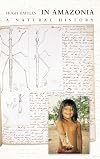
Just as river waters ceaselessly make and unmake its geography, the Amazonian landscape has proven pliant for contradictory and shifting human narratives. From Sir Walter Raleigh's political need for an El Dorado to a modern group of rural Brazilians bickering about a generation-old power struggle, the Amazon is generously and physically plastic.
I really like the core idea of In Amazonia -- that understanding the region is impossible unless you understand the multitude of contradictory show more "texts" embraced simultaneously by past conquerors and current residents -- but I was somewhat thrown by the tone of the book. Three-fourths of the book is richly anecdotal and conversational, whether the author is laying out the lifelong disappointments of naturalist Henry Walter Bates or turning an anthropological eye on the self-conscious residents of an Amazonian tributary during the 1990s. But these accounts are unexpectedly laced with abstract, jangly terminology, as if the author randomly felt the need to prove his chops as a Real Historian.
Admittedly, the reader probably knows what lies ahead after seeing the Walter Benjamin quote on the third page, but I was constantly jarred by the tonal shifts in the book. Perhaps it reveals my own biases when I prefer the straight reportage over the interpretative theory, but I'd like to think that there's a middle ground between the spoon-feeding found in "popular" history and the impenetrable, inside-baseball jargon present in academic history. In Amazonia handles its subject so smoothly and naturally most of the time that it's doubly disappointing when it fumbles towards some strained buzz word.
(Also: The In Amazonia drinking game includes the words "materiality" and "oneiric.") show less
I really like the core idea of In Amazonia -- that understanding the region is impossible unless you understand the multitude of contradictory show more "texts" embraced simultaneously by past conquerors and current residents -- but I was somewhat thrown by the tone of the book. Three-fourths of the book is richly anecdotal and conversational, whether the author is laying out the lifelong disappointments of naturalist Henry Walter Bates or turning an anthropological eye on the self-conscious residents of an Amazonian tributary during the 1990s. But these accounts are unexpectedly laced with abstract, jangly terminology, as if the author randomly felt the need to prove his chops as a Real Historian.
Admittedly, the reader probably knows what lies ahead after seeing the Walter Benjamin quote on the third page, but I was constantly jarred by the tonal shifts in the book. Perhaps it reveals my own biases when I prefer the straight reportage over the interpretative theory, but I'd like to think that there's a middle ground between the spoon-feeding found in "popular" history and the impenetrable, inside-baseball jargon present in academic history. In Amazonia handles its subject so smoothly and naturally most of the time that it's doubly disappointing when it fumbles towards some strained buzz word.
(Also: The In Amazonia drinking game includes the words "materiality" and "oneiric.") show less
No real idea how to do this one justice; a beautiful book that refuses to draw disciplinary lines and presents some of the ugliest human behavior (vis-à-vis other sapiens and the rest of creation, organic and in-), somehow without causing the reader to lose faith. The very sort of book I hope one day to write.
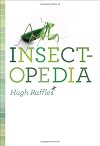
Совсем недавно, буквально на днях, у Ad Marginem вышла книга, которую многие ждали – “Инсектопедия” Хью Раффлза. У меня она уже давно лежала в закромах, на английском, но ее невысокий рейтинг держал ее далеко не в первой сотне папки “К прочтению”. Однако, сама тема насекомых show more да и животных вообще мне интересна, плюс сейчас прямо шквал идет работ про насекомых, еще как правило добротных. И под российский релиз я решил дать ей шанс.
Представляет она собой сборник статей, посвященных насекомым (Вот, не поленился за вас глянуть этимологию этого привычного, но диковатого термина: “Название класса происходит от глагола «сечь» (насекать) и представляет собой кальку с французского «insecte» (латинского insectum, ср. греческое ἔντομον с тем же значением), означающего «животное с насечками».”).
Статьи расположены в алфавитном порядке (латиницы), но названия статей, начинающиеся с соответствующих порядку букв, с названием конкретной букашки никак не коррелируют. Букве О соответствует вот такое: On January 8th, 2008, Abdou Mahamane Was Driving Through Niamey...Когда 8 января 2008 года Абду Махамане ехал по Ниамею...
Все сюжеты просто калейдоскопически разнообразны, разношерстно-разнохитиновы даже, если можно. И надо признать, это и интригующе любопытно, и сложно одновременно. Получается, как та самая коробка шоколадных конфет Форреста Гампа, только здесь можно наткнуться на пралине с засахаренными тараканами. Есть, конечно, можно – миллионы людей за лакомство почтут – но вам (или мне) может как-то сразу и не зайти. Поэтому сразу скажу – чтение этой книги дело тонкого читательского вкуса и дзен-терпения.
Я сломался на седьмой статье. G по-английски, Щ по-русски (Generosity/Щедрость). Она про нетривиальный, и ранее мне не встречавшийся сюжет – бойцовых насекомых (про беговых мы все наслышаны). Первые всполохи темы заставляли хихикать и подсовывать планшет подруге:
“…он хотел, чтобы мы поняли, как глубок мир китайских боев сверчков»
«...единственный в Шанхае музей бойцовых сверчков».
Однако дальше стало очень густо и не до шуток:
“Вот Пять Добродетелей, объявляет он, пять качеств человека, имеющиеся у лучших бойцовых сверчков, пять добродетелей, которые роднят сверчка и человека.
Первая Добродетель: когда придет время петь, он будет петь. Это надежность (синь).
Вторая Добродетель: повстречавшись с врагом, он без колебаний бросится в бой. Это храбрость (юн).
Третья Добродетель: даже тяжелораненый, он не сдается. Это преданность (чжун).
Четвертая Добродетель: потерпев поражение, он не будет петь. Он знает, что такое стыд (чжи чи).
Пятая Добродетель: когда ему станет холодно, он вернется в свой дом. Он мудр и смиряется с фактами, обусловленными его положением (ши ши у).
На своих хрупких спинах сверчки несут груз прошлого. Чжун — не просто преданность, а преданность императору, готовность отдать за него жизнь, не уклоняясь от своего высшего долга.
Юн — не просто храбрость, а тоже готовность пожертвовать своей жизнью, причем охотно.
Это не просто старинные добродетели, а разметка нравственного компаса, кодекс чести. Как скажет вам всякий, эти сверчки — «воины», а те из них, кто побеждает в чемпионатах, — «генералы».
Прочитав это на пятой странице, я понял, что у меня уже едет крыша. При том, что некоторые другие статьи Инсектопедии умещаются чуть ли не на двух, эта про боевых сверчков тянется целых....42! И ведь не скажешь, что предмет безусловно неинтересен. Напротив, он весьма даже неожиданный, но блин... Пролистав еще несколько страниц, где в том числе, кажется, обсуждалось как накачать их челюсти, я выкинул полотенце и захлопнул книгу, что для меня редкость. Сверчки меня забороли вчистую, сил и главное воли на продолжение не осталось никаких. В общем, если возьметесь читать, оставляйте сверчков на десерт. show less
Представляет она собой сборник статей, посвященных насекомым (Вот, не поленился за вас глянуть этимологию этого привычного, но диковатого термина: “Название класса происходит от глагола «сечь» (насекать) и представляет собой кальку с французского «insecte» (латинского insectum, ср. греческое ἔντομον с тем же значением), означающего «животное с насечками».”).
Статьи расположены в алфавитном порядке (латиницы), но названия статей, начинающиеся с соответствующих порядку букв, с названием конкретной букашки никак не коррелируют. Букве О соответствует вот такое: On January 8th, 2008, Abdou Mahamane Was Driving Through Niamey...Когда 8 января 2008 года Абду Махамане ехал по Ниамею...
Все сюжеты просто калейдоскопически разнообразны, разношерстно-разнохитиновы даже, если можно. И надо признать, это и интригующе любопытно, и сложно одновременно. Получается, как та самая коробка шоколадных конфет Форреста Гампа, только здесь можно наткнуться на пралине с засахаренными тараканами. Есть, конечно, можно – миллионы людей за лакомство почтут – но вам (или мне) может как-то сразу и не зайти. Поэтому сразу скажу – чтение этой книги дело тонкого читательского вкуса и дзен-терпения.
Я сломался на седьмой статье. G по-английски, Щ по-русски (Generosity/Щедрость). Она про нетривиальный, и ранее мне не встречавшийся сюжет – бойцовых насекомых (про беговых мы все наслышаны). Первые всполохи темы заставляли хихикать и подсовывать планшет подруге:
“…он хотел, чтобы мы поняли, как глубок мир китайских боев сверчков»
«...единственный в Шанхае музей бойцовых сверчков».
Однако дальше стало очень густо и не до шуток:
“Вот Пять Добродетелей, объявляет он, пять качеств человека, имеющиеся у лучших бойцовых сверчков, пять добродетелей, которые роднят сверчка и человека.
Первая Добродетель: когда придет время петь, он будет петь. Это надежность (синь).
Вторая Добродетель: повстречавшись с врагом, он без колебаний бросится в бой. Это храбрость (юн).
Третья Добродетель: даже тяжелораненый, он не сдается. Это преданность (чжун).
Четвертая Добродетель: потерпев поражение, он не будет петь. Он знает, что такое стыд (чжи чи).
Пятая Добродетель: когда ему станет холодно, он вернется в свой дом. Он мудр и смиряется с фактами, обусловленными его положением (ши ши у).
На своих хрупких спинах сверчки несут груз прошлого. Чжун — не просто преданность, а преданность императору, готовность отдать за него жизнь, не уклоняясь от своего высшего долга.
Юн — не просто храбрость, а тоже готовность пожертвовать своей жизнью, причем охотно.
Это не просто старинные добродетели, а разметка нравственного компаса, кодекс чести. Как скажет вам всякий, эти сверчки — «воины», а те из них, кто побеждает в чемпионатах, — «генералы».
Прочитав это на пятой странице, я понял, что у меня уже едет крыша. При том, что некоторые другие статьи Инсектопедии умещаются чуть ли не на двух, эта про боевых сверчков тянется целых....42! И ведь не скажешь, что предмет безусловно неинтересен. Напротив, он весьма даже неожиданный, но блин... Пролистав еще несколько страниц, где в том числе, кажется, обсуждалось как накачать их челюсти, я выкинул полотенце и захлопнул книгу, что для меня редкость. Сверчки меня забороли вчистую, сил и главное воли на продолжение не осталось никаких. В общем, если возьметесь читать, оставляйте сверчков на десерт. show less
Awards


You May Also Like


Associated Authors
Statistics
- Works
- 5
- Also by
- 1
- Members
- 492
- Popularity
- #50,225
- Rating
- 3.5
- Reviews
- 6
- ISBNs
- 18
- Languages
- 3