
Jerzy Pilch (1952–2020)
Author of The Mighty Angel
About the Author
Image credit: Sławek
Works by Jerzy Pilch
Seznam prešuštnic 1 copy
Associated Works
Description of a Struggle: The Vintage Book of Contemporary Eastern European Writing (1994) — Contributor — 77 copies, 1 review
Tagged
Common Knowledge
- Canonical name
- Pilch, Jerzy
- Birthdate
- 1952
- Date of death
- 2020-05-29
- Gender
- male
- Occupations
- Schriftsteller
- Nationality
- Poland
- Birthplace
- Wisła , Schlesien, Polen
- Places of residence
- Warschau, Polen
Wisła, Polen
Krakau, Polen - Place of death
- Kielce, Heiligkreuz, Polen
- Associated Place (for map)
- Poland
Members
Reviews
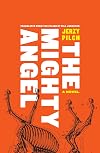
Episodic, fictionalised memoir of alcoholism (or "alcohology" as it's referred to at one point), at first frustratingly disconnected and annoyingly self-aware (one early chapter is simply a grab bag of quotes from a hit parade of rummy writers), but which gradually coheres as (maybe) a path to, or glimpse of, sobriety comes into view. Like many an alcoholic, the author knows himself both too well and not at all, and this is reflected in the elegant self-flagellations of his prose style. It show more must have been tricky to translate, but Bill Johnston's English version reads flawlessly.
I bought this book by mistake. I got it in my mind that it was the source story for Wojciech Has's 1950 masterpiece of alcoholic cinema The Noose, and only when it arrived at my door did I notice it was published 50 years later than that film. But I'm glad I read it. The best bit is the haunting, lyrical digression into the narrator's grandfather's story of frostbitten vodka-tinctured self-destruction, but I also really like how the book ends, with an apparently genuine encomium to the transformative power of love. Not easy to pull off. show less
I bought this book by mistake. I got it in my mind that it was the source story for Wojciech Has's 1950 masterpiece of alcoholic cinema The Noose, and only when it arrived at my door did I notice it was published 50 years later than that film. But I'm glad I read it. The best bit is the haunting, lyrical digression into the narrator's grandfather's story of frostbitten vodka-tinctured self-destruction, but I also really like how the book ends, with an apparently genuine encomium to the transformative power of love. Not easy to pull off. show less

Normally, reading about alcoholism is about as interesting as watching other people getting drunk, so I wasn't really in a rush to read this book. However, when I finally got around to it, I found that Pilch does a pretty good job of explaining the appeal of alcohol. His narrator may be detached and satirical enough to demand our attention, but at th same time he's implicated so deeply in his alcoholic persona that we can follow him some way along the road. I wasn't quite at the point of show more searching the bathroom cabinet for untapped bottles of after-shave as I read it, but I had the feeling that I could begin to see why someone might want to do that. Pilch shows us a sort of Catch-22 of drinking: you have to be mad to destroy your life with alcohol, but with the world in its current state you would have to be mad not to... show less
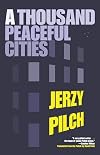
Think about this...."The invention of stories about oneself is the duty and irresistible temptation of the true man. The made-up story is the song of his life and death. The story of the loser, the invented story of the loser, is the sign of the winner." This is the primary driving belief, in my opinion, behind the story of the Chief, Jerzy, and Mr. Traba's plot to assassinate the communist leader of Poland in 1963. Did they do it? Did they fantasize about it as they fantasized about the show more French woman who whispered "mille....villes.....tranquille" in the ear of her lover (thousand....peaceful...cities...the title of the novel)? I will be pondering this novel for a while. Very good! show less
A quirky small tale of the loss of innocence, as little Jerzyk is growing up and experiencing his first love -- and gets subsequently involved in an intricate plan by his father and his friend, Mr. Trąba, who have both decided to do something for the good of the mankind and assassinate Władysław Gomułka, the Secretary of Polish United Workers' Party. The story is, however, very little about what happens, rather than numerous small digressions, flashbacks, loops, and sideways glances at show more the despair and greatness of human existence. show less
Awards


You May Also Like


Associated Authors
Statistics
- Works
- 31
- Also by
- 1
- Members
- 430
- Popularity
- #56,814
- Rating
- 3.6
- Reviews
- 14
- ISBNs
- 78
- Languages
- 9
- Favorited
- 2