
Judith B. Jones (1924–2017)
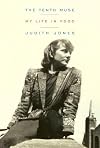
Author of The Tenth Muse: My Life in Food
About the Author
Judith Jones is a noted book editor who first learned to cook in her aunt's Vermont kitchen. Evan Jones, Minnesota-born, is the author of a number of books including The World of Cheese and American Food: The Gastronomic Story. The Joneses, who have four grown children, have pursued the art of show more breadmaking on writing assignments in Europe and other parts of the world, and the recipes in The Book of Bread are selected from hundreds they have recorded and adapted for American kitchens. show less
Works by Judith B. Jones
The Bread Calendar 1984 1 copy
Associated Works
Tagged
Common Knowledge
- Legal name
- Jones, Judith (neé Bailey)
- Birthdate
- 1924-03-10
- Date of death
- 2017-08-2
- Gender
- female
- Education
- Bennington College (1945)
Brearley School - Occupations
- book editor
culinary writer - Organizations
- Doubleday Publishing
Alfred A. Knopf (vice president) - Awards and honors
- Lifetime Achievement Award, James Beard Foundation (2006)
- Relationships
- Child, Julia (client)
- Cause of death
- Alzheimer's disease (complications)
- Nationality
- USA
- Birthplace
- New York, New York, USA
- Places of residence
- New York, New York, USA
Paris, France
Walden Township, Vermont, USA - Place of death
- Bryn Teg Farm, Walden Township, Vermont, USA
- Associated Place (for map)
- USA
Members
Reviews
When I went over to my grandmother’s house on the weekends, I would undoubtedly find myself making cookies or banana bread or some other such thing on one of the days we were together. For her it was something exciting, for me it was something to pass the time. I have very fond memories of walking in to her kitchen with all of the cooking gadgets and gizmos scattered on the counters, in cupboards and on shelves, but I never wanted to bother with any of it for myself. As I got older, I used show more the griddle to make pancakes the way we used to on Sunday mornings, but that’s about all.
Then I picked up The Tenth Muse and I instantly thought of my grandmother. I devoured the pages like I would her banana bread or blueberry pancakes and as I read on I came to realize exactly what all of this cooking stuff was all about. The book did not convert me. I will never want to go in a kitchen and whip up a simple or elaborate meal, but I have learned a new appreciation for the people who do have that desire to cook somewhere in their blood. Thankfully Judith Jones doesn’t insist that reading her book will make everyone run out and pick up a pot or a pan. She accepts that there are people out there who just don’t have a cooking gene and is okay with that, though she does say she hopes to see more young people cooking.
At first this statement upset me because I know from experience that you can’t force a love of cooking on anyone. I may have the fondest memories of my grandmother in her kitchen, but I am not going to run to my kitchen in order to relive them. After a while, though, I realized that the exposure to the kitchen is more about remembering the past, sharing time together, and enjoying yourselves than it is about making someone figure out how to boil potatoes or bake the perfect cake. I read stories of Julia Childe and all of the other famous folks out there who wrote cook books or encouraged people to take the time to feed their families in a wholesome way and I made a connection with my grandmother’s generation that I never thought was possible.
I can’t go to her now and tell her that all of this has happened for me, but I can remember what it was like to experience this realization and I can pass it on to other readers. I can recommend this book to anyone who has a willingness to relive a memory of family in the kitchen, I can tell the cooks out there that there are recipes in the back of the book, and I can let everyone know that the stories of publishing a wide variety of cookbooks will intrigue and delight readers of every variety. I never thought a book about cooking would touch me the way this one has. I never thought I would claim said book was a must read. This one falls into both of those. Enjoy. show less
Then I picked up The Tenth Muse and I instantly thought of my grandmother. I devoured the pages like I would her banana bread or blueberry pancakes and as I read on I came to realize exactly what all of this cooking stuff was all about. The book did not convert me. I will never want to go in a kitchen and whip up a simple or elaborate meal, but I have learned a new appreciation for the people who do have that desire to cook somewhere in their blood. Thankfully Judith Jones doesn’t insist that reading her book will make everyone run out and pick up a pot or a pan. She accepts that there are people out there who just don’t have a cooking gene and is okay with that, though she does say she hopes to see more young people cooking.
At first this statement upset me because I know from experience that you can’t force a love of cooking on anyone. I may have the fondest memories of my grandmother in her kitchen, but I am not going to run to my kitchen in order to relive them. After a while, though, I realized that the exposure to the kitchen is more about remembering the past, sharing time together, and enjoying yourselves than it is about making someone figure out how to boil potatoes or bake the perfect cake. I read stories of Julia Childe and all of the other famous folks out there who wrote cook books or encouraged people to take the time to feed their families in a wholesome way and I made a connection with my grandmother’s generation that I never thought was possible.
I can’t go to her now and tell her that all of this has happened for me, but I can remember what it was like to experience this realization and I can pass it on to other readers. I can recommend this book to anyone who has a willingness to relive a memory of family in the kitchen, I can tell the cooks out there that there are recipes in the back of the book, and I can let everyone know that the stories of publishing a wide variety of cookbooks will intrigue and delight readers of every variety. I never thought a book about cooking would touch me the way this one has. I never thought I would claim said book was a must read. This one falls into both of those. Enjoy. show less
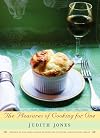
This cookbook is different from my other ones. It has the feel of someone who is cooking as she is telling me how to cook, and her basic concepts can be extrapolated to other recipes and the idea of cooking for oneself in general. Although the book references New England often, its ideas apply to me in the Southwest due to how she handles leftovers ("tasty bits in your refrigerator"), portion size, common ingredients, and plain, simple instructions. She encourages the reader to get creative show more with their own preferences within the framework of each basic dish, so someone like myself who relishes hot peppers and other local foods will cook according to my own tastes. Her hearty winter bean soup recipe can support a Southwest flare based on bean types, spices and choice of protein. I took the book to a workshop to read at lunch, and another attendee said, "The pleasures of cooking for one? It doesn't exist!" As I cook for one often, I replied, "Oh, but it does," and briefly shared with her some of Jones' concepts. She didn't appear to be convinced, and I thought she sees cooking as a chore rather than a creative, relaxing event. This book is a good starter for the new cook, and refreshing for those more experienced. show less
Lovely cookbook, well presented. I often cook just for myself and usually resort to an omelet or leftovers. I got some nice ideas for other things I can do from this cookbook, which I borrowed from the library. I also enjoyed the author's tone, which is gentle, encouraging, and reassuring. I may buy myself a copy because I'd like to have the sauce and baking recipes, particularly.
People who enjoyed Julia Child's memoir, [book: My Life in France] will probably enjoy this one as well. Judith Jones was Julia Child's editor and also worked with most of the other famous cookbook authors of that era. She was also married to food writer Evan Jones, with whom she did some cookbooks as well. Judith Jones enjoyed food from an early age, even though this was discouraged in her family, and when she first went to Paris in the late 1940s she fell in love, first with French food show more and then with Evan Jones. She also learned to cook and even helped run a clandestine restaurant in the apartment of a friend's aunt (who was unaware of the use). Jones's other claim to fame, which preceded her work with Child, was convincing Alfred A. Knopf to publish Anne Frank's [book: The Diary of a Young Girl}, which had already met with several rejections. Jones's book has just enough gossip to be interesting without making the reader feel grimy. The latter part of the book describes her and Evan's semi-retirement to Vermont, their food and gardening adventures there, and then her widowhood and why she cooks herself a real meal each evening. Many photographs add to the enjoyment and there are recipes at the end of the book. It doesn't take long to read, and is rewarding far beyond the time spent reading it. show less
Lists
Awards


You May Also Like


Associated Authors
Statistics
- Works
- 10
- Also by
- 3
- Members
- 1,380
- Popularity
- #18,637
- Rating
- 4.0
- Reviews
- 24
- ISBNs
- 19
- Favorited
- 1