
Pirkko Saisio
Author of Punainen erokirja
About the Author
Disambiguation Notice:
(fin) Kirjoittanut myös salanimillä Jukka Larsson ja Eva Wein
Series
Works by Pirkko Saisio
Associated Works
Tagged
Common Knowledge
- Canonical name
- Saisio, Pirkko
- Other names
- Larsson, Jukka (pseudonym)
Wein, Eva (pseudonym) - Birthdate
- 1949-04-16
- Gender
- female
- Education
- Finnish Theatre School
- Occupations
- actor
director
writer - Relationships
- Honkasalo, Pirjo (spouse)
- Nationality
- Finland
- Places of residence
- Helsinki, Finland
- Disambiguation notice
- Kirjoittanut myös salanimillä Jukka Larsson ja Eva Wein
- Associated Place (for map)
- Helsinki, Finland
Members
Reviews
Rating: 4.5* of five
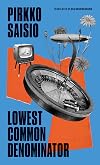
The Publisher Says: For readers of Eileen Myles and Patti Smith, Lowest Common Denominator is an ecstatic coming-of-age novel by the Finlandia-prize-winning author of The Red Book of Farewells
Writing in the wake of her father’s death, the narrator of Pirkko Saisio’s autofictional novel (translated from Finnish by Mia Spangenberg) transports us to the 1950s Finland of her youth, where she navigates life as an only child of communist parents. Convinced she will grow up show more to become a man, a young Saisio keeps trying and failing to meet the expectations of the adults around her. Writing with her trademark wit and style, each formative experience—with the Big Bad Wolf, a bikini-clad circus announcer, and Jesus Christ “who has a beard like a man but a skirt and long hair like a woman”—drives her further and further from her family and others.
Struggling to understand her place in the world around her, it’s in language that she discovers a refuge and a way to be seen at last.
I RECEIVED A DRC FROM THE PUBLISHER VIA NETGALLEY. THANK YOU.
My Review: I have to believe Author Pirkko (as distinct from Narrator Pirkko, her stand-in) when she says this is autobiographical fiction, not a memoir; but honestly it reads like a memoir. It's that immediate, it's that intimate, it takes on the core issue of queer life...identity...so fully and so bravely. I suppose the reason for novelizing something that otherwise would get criticized for being invented but passed off as factual. Instead, write it as a novel and tell the truth that way.
I was drawn in, as I'm confident all my queer siblings would be, to the story of knowing you're different, Other, thus feeling like you're a disappointment. Or, more terribly, being told you're a disappointment. Like Author Pirkko I had the experience of viewing myself and my world from the outside as a child. In my case it was my utter certainty there was no god at all and religion was a deliberate lie. My gayness, known to myself from about the same time, was nebulous until adolescence brought the specifics into focus. So my relationship to the central fact of this story was immediate and powerful.
It's a trauma to be required by your sense of yourself to see the Otherness, to experience the selfhoods of your family at too early an age occasioned by that explosion of the idea of community. The family never looks the same, never feels safe and welcoming, when you see yourself as unequivocally an outsider to it. That realization should come in adolescence with more life under one's belt. Author Pirkko stunned me by explaining this fundamental truth of my life to me in terms of her (or her stand-in's) own life; she did it both matter-of-factly and with the greatest emotional honesty.
The story takes us around and about in time, revealing generational traumas that all families carry. In a novel format the time-hopping can logically come at key moments not from an organizing principle like non-fiction imposes. We're never far from another point of change in her family's history that resonates with her Otherness. It wove a net that caught both the reality of solitary experiences of reality being all we have and the often obscure fact that families are made of communities of Otherness. Closeness is hard when the Otherness is pathologized as queerness is...as political unorthodoxy does...by most outside cultural forces.
Author Pirkko writing as she does from personal resonance with this reality makes this read a deeply satisfying one for me. I suspect many, if not most, will find many points of fellow feeling for this story. It's a shame she was only inspired to write it by her father's death.
What opportunities for healing were squandered. Very saddening to me. show less
The Publisher Says: For readers of Eileen Myles and Patti Smith, Lowest Common Denominator is an ecstatic coming-of-age novel by the Finlandia-prize-winning author of The Red Book of Farewells
Writing in the wake of her father’s death, the narrator of Pirkko Saisio’s autofictional novel (translated from Finnish by Mia Spangenberg) transports us to the 1950s Finland of her youth, where she navigates life as an only child of communist parents. Convinced she will grow up show more to become a man, a young Saisio keeps trying and failing to meet the expectations of the adults around her. Writing with her trademark wit and style, each formative experience—with the Big Bad Wolf, a bikini-clad circus announcer, and Jesus Christ “who has a beard like a man but a skirt and long hair like a woman”—drives her further and further from her family and others.
Struggling to understand her place in the world around her, it’s in language that she discovers a refuge and a way to be seen at last.
I RECEIVED A DRC FROM THE PUBLISHER VIA NETGALLEY. THANK YOU.
My Review: I have to believe Author Pirkko (as distinct from Narrator Pirkko, her stand-in) when she says this is autobiographical fiction, not a memoir; but honestly it reads like a memoir. It's that immediate, it's that intimate, it takes on the core issue of queer life...identity...so fully and so bravely. I suppose the reason for novelizing something that otherwise would get criticized for being invented but passed off as factual. Instead, write it as a novel and tell the truth that way.
I looked triumphantly at Father, who was in his shirtsleeves drinking black coffee and reading the Työkansan Sanomat newspaper.
Mother stood by the entryway mirror spreading a touch of rouge from her lips to her cheeks as has hummed "Harbor Nights."
Neither of them noticed that I had become she, the one always under observation.
I was drawn in, as I'm confident all my queer siblings would be, to the story of knowing you're different, Other, thus feeling like you're a disappointment. Or, more terribly, being told you're a disappointment. Like Author Pirkko I had the experience of viewing myself and my world from the outside as a child. In my case it was my utter certainty there was no god at all and religion was a deliberate lie. My gayness, known to myself from about the same time, was nebulous until adolescence brought the specifics into focus. So my relationship to the central fact of this story was immediate and powerful.
It's a trauma to be required by your sense of yourself to see the Otherness, to experience the selfhoods of your family at too early an age occasioned by that explosion of the idea of community. The family never looks the same, never feels safe and welcoming, when you see yourself as unequivocally an outsider to it. That realization should come in adolescence with more life under one's belt. Author Pirkko stunned me by explaining this fundamental truth of my life to me in terms of her (or her stand-in's) own life; she did it both matter-of-factly and with the greatest emotional honesty.
The story takes us around and about in time, revealing generational traumas that all families carry. In a novel format the time-hopping can logically come at key moments not from an organizing principle like non-fiction imposes. We're never far from another point of change in her family's history that resonates with her Otherness. It wove a net that caught both the reality of solitary experiences of reality being all we have and the often obscure fact that families are made of communities of Otherness. Closeness is hard when the Otherness is pathologized as queerness is...as political unorthodoxy does...by most outside cultural forces.
Author Pirkko writing as she does from personal resonance with this reality makes this read a deeply satisfying one for me. I suspect many, if not most, will find many points of fellow feeling for this story. It's a shame she was only inspired to write it by her father's death.
What opportunities for healing were squandered. Very saddening to me. show less
This is auto-fiction, from a Finnish writer, translated by Mia Spangenberg through Two Lines Press Two Lines does always have interesting works that they translate. I was worried that it might be too interesting, as the book features shifting pronouns, stream of consciousness, and not a lot of plot. She was compared to [[Eileen Myles]], whose writing I don't especially like.
However, I ended up finding it quite readable. The narrator refers to herself sometimes in first and sometimes in third show more person, which reflects the way she sees herself as author and commentator on the world. It was confusing for the first few chapters, but then it worked. The book mostly covers her childhood, which is in post-war Finland, with her father working for Finnish-Soviet relations. Descriptions of her adulthood, and coping with her parent's deaths are interspersed.
It was a good chance to learn more about Finnish life. Also, I felt that she did a good job of showing how strange and confusing the world is for young children. show less
However, I ended up finding it quite readable. The narrator refers to herself sometimes in first and sometimes in third show more person, which reflects the way she sees herself as author and commentator on the world. It was confusing for the first few chapters, but then it worked. The book mostly covers her childhood, which is in post-war Finland, with her father working for Finnish-Soviet relations. Descriptions of her adulthood, and coping with her parent's deaths are interspersed.
It was a good chance to learn more about Finnish life. Also, I felt that she did a good job of showing how strange and confusing the world is for young children. show less

Kirja kertoo veljeksistä, Simosta ja Ilkasta, ja heidän vuorokaudestaan kesäisessä Helsingissä. Simo on lopettanut koulun keväällä ja Ilkka on joutumassa vankilaan. Osa vuorokauden tapahtumista ovat sellaisia, joita kumpikaan ei olisi halunnut olla todistamassa. Eräs tapahtumasarja saattaa Simon tilanteeseen, jollaiseen hän ei suunnitellut päätyvänsä.
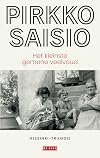
Het kleinste gemene veelvoud. Door: Pirkko Saisio.
Dit is het eerste deel van de ‘Helsinki-trilogie’, een autofictionele reeks die in Finland een heuse bestseller was. En na twintig jaar eindelijk in het Nederlands is verschenen.
Na het overlijden van haar vader beslist de dochter om haar verhaal eindelijk op papier te zetten. We maken kennis met de grote én de kleine versie van de dochter. Hoewel ze (natuurlijk) veel gemeen hebben blijken het soms bijna twee verschillende personen te show more zijn. Als de kleine versie aan het woord is schrijft ze heel kinderlijk, eenvoudig vanuit de ik-persoon. De volwassen versie is vloeiender, komt hier en daar tussen met commentaren en reflecties en schrijft vanuit de derde-persoon (ze). Wat dit boek een extra laag geeft maar wat het soms ook moeilijker leesbaar maakt.
Dit is geen chronologische autobiografie, het is wél een afdaling in het geheugen, elke herinnering triggert weer een andere. Wat wél blijft is het worstelen met een meisje/vrouw zijn. Ze wil niet in het keurslijf van jurkjes en strikjes, rustig spelen en dromen van huisje-boompje-beestje.
Het kleinste gemene veelvoud is een boek waar je de tijd voor moet nemen, je moet het rustig tot jou laten komen en je er helemaal in onderdompelen. Saisio is een boeiende, grappige, poëtische schrijfster met oog voor detail en het talent om grote dingen met weinig woorden op papier te zetten. Ideaal voor in je hangmat deze zomer. show less
Dit is het eerste deel van de ‘Helsinki-trilogie’, een autofictionele reeks die in Finland een heuse bestseller was. En na twintig jaar eindelijk in het Nederlands is verschenen.
Na het overlijden van haar vader beslist de dochter om haar verhaal eindelijk op papier te zetten. We maken kennis met de grote én de kleine versie van de dochter. Hoewel ze (natuurlijk) veel gemeen hebben blijken het soms bijna twee verschillende personen te show more zijn. Als de kleine versie aan het woord is schrijft ze heel kinderlijk, eenvoudig vanuit de ik-persoon. De volwassen versie is vloeiender, komt hier en daar tussen met commentaren en reflecties en schrijft vanuit de derde-persoon (ze). Wat dit boek een extra laag geeft maar wat het soms ook moeilijker leesbaar maakt.
Dit is geen chronologische autobiografie, het is wél een afdaling in het geheugen, elke herinnering triggert weer een andere. Wat wél blijft is het worstelen met een meisje/vrouw zijn. Ze wil niet in het keurslijf van jurkjes en strikjes, rustig spelen en dromen van huisje-boompje-beestje.
Het kleinste gemene veelvoud is een boek waar je de tijd voor moet nemen, je moet het rustig tot jou laten komen en je er helemaal in onderdompelen. Saisio is een boeiende, grappige, poëtische schrijfster met oog voor detail en het talent om grote dingen met weinig woorden op papier te zetten. Ideaal voor in je hangmat deze zomer. show less
Lists
Awards


You May Also Like


Associated Authors
Statistics
- Works
- 35
- Also by
- 3
- Members
- 593
- Popularity
- #42,348
- Rating
- 3.8
- Reviews
- 6
- ISBNs
- 83
- Languages
- 8
- Favorited
- 4