
Alessandro Piperno
Author of The worst intentions
About the Author
Alessandro Piperno is a professor of French literature at Rome's Tor Vergata University.
Image credit: Alessandro Piperno
Series
Works by Alessandro Piperno
Un air de famille (French Edition) 3 copies
Ogni maledetta mattina 1 copy
I racconti di baratto 1 copy
Tagged
Common Knowledge
- Canonical name
- Piperno, Alessandro
- Birthdate
- 1972-03-25
- Gender
- male
- Occupations
- docent Frans
- Nationality
- Italy
- Birthplace
- Rome, Italy
- Places of residence
- Rome, Italië
- Associated Place (for map)
- Rome, Italy
Members
Reviews
Review: 8 of seventy-five
Rating: 3.9* of five
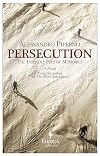
The Book Description: In a sprawling villa on the outskirts of Rome, the members of the Pontecorvo family have gathered for dinner. Leo Pontecorvo, an internationally revered pediatric oncologist, is forty-eight. His wife, Rachel, is a physician and the loving mother to Filippo and Samuel, two amiable pre-teens. The evening news is on in the living room but nobody pays it any attention until Dr. Pontecorvo's name surfaces from the background noise show more and a news item airs that will change the lives of the Pontecorvos forever.
Leo Pontecorvo has been publicly accused of a vile crime. A spotlight is turned on him that reveals the mistakes, regrets, and contradictions of a lifetime. Every detail of his private and professional life is about to come under scrutiny, to be debated by both friends and foes, by ravenous reporters and punctilious prosecutors. But Leo could bear all this if it weren't for the suspicious gazes of his wife and children. Surely they, of all people, believe in his innocence!
Alessandro Piperno is widely acknowledged as one of today's most talented European novelists. His voice is singular and shocking at times, yet always possessed of tenderness and enormous generosity of heart. His vision is broad and encompassing, his psychological insights penetrating and undeniable. In this deeply felt family drama, Alessandro Piperno paints a broad canvas and fills it with psychologically complex characters whom readers will instantly recognize and never forget.
My Review: Words can not only hurt, not only damage...they can kill. They can annihilate, destroy utterly the target of the carelessly spoken or maliciously uttered or calculatedly disseminated words. They can blow up a life, a family, a career, a vocation, they can eviscerate the worthy and worthwhile work a person has done.
And what if they're true? What if they're not true? Half true? He said, she said? It doesn't matter at all. Words, when spoken, can only be forgiven but never forgotten.
Piperno's novel of a Jewish pediatric oncologist's fall from the pinnacle of his life-saving profession is profoundly unsettling. It is discursive in style, and it is peculiarly intimate because of that. Very few paragraphs lead directly to the subject allegedly at hand, but all of them, each of them, serves to build the image of the Pontecorvo world, that of Dottore Leo, la signora Rachel, the pre-teen boys, Telma the Filipina maid...all these intersecting, interlocking worlds are completely and finally and irrevocably smashed and cannot be restored, only re-formed. The tracks in the thickets of words Piperno creates are like the game spoor a hunter follows, requiring patience and attention to interpret and encouraging the reader, the hunter, to look around carefully, to attend to the landscape as much as the path.
Ann Goldstein ably translates the Italian text in such a way as to suggest the varying uses made of familiar and formal address. It's a very hard thing to do, and it's impressive to see the job done so well. Part of the job of a translator is to create the mood of the original in a different idiom...never does Goldstein do this better than in the passages where the snobbery and class-consciousness that Leo faces when others refer to or speak to his wife, daughter of an observant Jew who also happens to be a businessman, in contrast to his more assimilated, haute bourgeois background.
I was transported in the reading of this novel, though not to a lovely sweet cotton-candy land of milk and honey. (Frankly, that's always sounded revolting to me. Not to mention sticky.) I was immersed in the life of the disintegrating Pontecorvo family. I emerged after a catharsis feeling, oddly, buoyed up, able to see the shore and feel the water of the sad existence below me support me as I started for solid ground.
Europa Editions provided this copy in a Goodreads giveaway. show less
Rating: 3.9* of five
The Book Description: In a sprawling villa on the outskirts of Rome, the members of the Pontecorvo family have gathered for dinner. Leo Pontecorvo, an internationally revered pediatric oncologist, is forty-eight. His wife, Rachel, is a physician and the loving mother to Filippo and Samuel, two amiable pre-teens. The evening news is on in the living room but nobody pays it any attention until Dr. Pontecorvo's name surfaces from the background noise show more and a news item airs that will change the lives of the Pontecorvos forever.
Leo Pontecorvo has been publicly accused of a vile crime. A spotlight is turned on him that reveals the mistakes, regrets, and contradictions of a lifetime. Every detail of his private and professional life is about to come under scrutiny, to be debated by both friends and foes, by ravenous reporters and punctilious prosecutors. But Leo could bear all this if it weren't for the suspicious gazes of his wife and children. Surely they, of all people, believe in his innocence!
Alessandro Piperno is widely acknowledged as one of today's most talented European novelists. His voice is singular and shocking at times, yet always possessed of tenderness and enormous generosity of heart. His vision is broad and encompassing, his psychological insights penetrating and undeniable. In this deeply felt family drama, Alessandro Piperno paints a broad canvas and fills it with psychologically complex characters whom readers will instantly recognize and never forget.
My Review: Words can not only hurt, not only damage...they can kill. They can annihilate, destroy utterly the target of the carelessly spoken or maliciously uttered or calculatedly disseminated words. They can blow up a life, a family, a career, a vocation, they can eviscerate the worthy and worthwhile work a person has done.
And what if they're true? What if they're not true? Half true? He said, she said? It doesn't matter at all. Words, when spoken, can only be forgiven but never forgotten.
Piperno's novel of a Jewish pediatric oncologist's fall from the pinnacle of his life-saving profession is profoundly unsettling. It is discursive in style, and it is peculiarly intimate because of that. Very few paragraphs lead directly to the subject allegedly at hand, but all of them, each of them, serves to build the image of the Pontecorvo world, that of Dottore Leo, la signora Rachel, the pre-teen boys, Telma the Filipina maid...all these intersecting, interlocking worlds are completely and finally and irrevocably smashed and cannot be restored, only re-formed. The tracks in the thickets of words Piperno creates are like the game spoor a hunter follows, requiring patience and attention to interpret and encouraging the reader, the hunter, to look around carefully, to attend to the landscape as much as the path.
Ann Goldstein ably translates the Italian text in such a way as to suggest the varying uses made of familiar and formal address. It's a very hard thing to do, and it's impressive to see the job done so well. Part of the job of a translator is to create the mood of the original in a different idiom...never does Goldstein do this better than in the passages where the snobbery and class-consciousness that Leo faces when others refer to or speak to his wife, daughter of an observant Jew who also happens to be a businessman, in contrast to his more assimilated, haute bourgeois background.
I was transported in the reading of this novel, though not to a lovely sweet cotton-candy land of milk and honey. (Frankly, that's always sounded revolting to me. Not to mention sticky.) I was immersed in the life of the disintegrating Pontecorvo family. I emerged after a catharsis feeling, oddly, buoyed up, able to see the shore and feel the water of the sad existence below me support me as I started for solid ground.
Europa Editions provided this copy in a Goodreads giveaway. show less
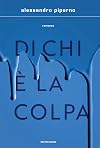
Cosa scrivere che non sia già stato scritto nelle recensioni di chi mi ha preceduto? Il Philip Roth de' noantri, il romanzo di formazione nel XX secolo, oppure la citazione “Troppe parole forbite, ragazzo mio, e non abbastanza verità” che riassume in modo estremo e necessariamente sommario l'intero romanzo? Personalmente trovo insopportabile il continuo e smodato utilizzo di termini desueti se non addirittura arcaici e comunque di uso assolutamente non comune e mi chiedo quale sia il show more fine: vuole forse l'autore manifestare la sua superiorità linguistica sul lettore? Prendersela con me perché ho fatto studi scientifici e non umanistici e vado in difficoltà con un lessico così costruito?
Se mi capita un firmacopie gli chiedo come dedica l'equazione di Schrödinger, vediamo come se la cava. Ma nonostante questo il libro mi è piaciuto e ne consiglio la lettura perché anche se l'autore sembra tirarsela tantissimo (anche nelle parti in cui si rivolge direttamente al lettore per esempio) tutto il racconto è ricco di ironia e auto-ironia e la famosa citazione sembra essere, almeno per come l'ho interpretata io, una forte auto-critica.
Mi sono affezionato al protagonista, un anti-eroe di cui non si scopre mai il nome e di cui purtroppo mancano 30 anni di vita: un po' la curiosità di sapere cosa sia successo tra i 20 ed i 50 mi è rimasta. Se comunque la tesi che l'autore voleva dimostrare è che l'esercizio del dare la colpa della propria infelicità agli altri è sbagliato mi sembra che le vicende vissute dal protagonista vadano nella direzione opposta: difficile non rimanere segnati da episodi cruenti o da routine che lentamente ti forgiano come può fare l'acqua persino con la roccia. show less
Se mi capita un firmacopie gli chiedo come dedica l'equazione di Schrödinger, vediamo come se la cava. Ma nonostante questo il libro mi è piaciuto e ne consiglio la lettura perché anche se l'autore sembra tirarsela tantissimo (anche nelle parti in cui si rivolge direttamente al lettore per esempio) tutto il racconto è ricco di ironia e auto-ironia e la famosa citazione sembra essere, almeno per come l'ho interpretata io, una forte auto-critica.
Mi sono affezionato al protagonista, un anti-eroe di cui non si scopre mai il nome e di cui purtroppo mancano 30 anni di vita: un po' la curiosità di sapere cosa sia successo tra i 20 ed i 50 mi è rimasta. Se comunque la tesi che l'autore voleva dimostrare è che l'esercizio del dare la colpa della propria infelicità agli altri è sbagliato mi sembra che le vicende vissute dal protagonista vadano nella direzione opposta: difficile non rimanere segnati da episodi cruenti o da routine che lentamente ti forgiano come può fare l'acqua persino con la roccia. show less
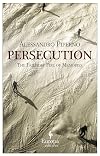
After the first part I thought this was a very well written psychological novel, but in the other three parts it seemed to change genre several times. The end leaves you flabbergasted and without a clue. The author with his last words "to be continued" forces you to read the second part in the hope of obtaining answers. In the meanwhile this first part was an exciting read, reminding me of Ian McEwan.
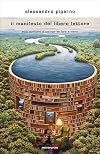
Non mi piacciono i romanzi, per questa ragione ho comprato e letto questo libro. Gli ho dato quattro stelle per rispettare la bravura e la cultura di chi l'ha scritto. Bisogna sempre dare a Cesare quello che è di Cesare e a Piperno quello che è di Piperno. In contemporanea a questo libro, ne ho letto un altro, in inglese, di Brian Dillon, intitolato "Essayism". Io amo i saggi.
In questa opposizione, solo apparente, ho basato la mia lettura e il mio giudizio che spero di sintetizzare qui in show more maniera chiara. Lo faccio non tanto per far sapere agli altri quello che leggo e, sopratutto, come leggo, quanto per chiarire a me stesso il senso di una vita che ho speso, in un modo od un altro, tra i libri, con i libri e per i libri.
Nato e cresciuto nella carta stampata, tra lettere di piombo e puzzo di inchiostro, non mi stanco mai di ripeterlo: il libro, o meglio la pagina stampata, per me è un modo di comunicare con gli altri. Tanti fogli stampati, tante pagine convogliano un significato, diventano un messaggio nelle mani di chi ferma sulla carta il suo pensiero.
Con le nuove tecnologie di comunicazione la pagina a stampa di Gutenberg è diventata un'altra cosa da questa che mi scorre sotto il naso mentre scrivo sul mio iPad questa breve recensione.
In questo momento, in tutto il mondo, scorre un fiume inarrestabile di pagine che raccontano fatti, avvenimenti, accadimenti, storie della vita, a nord come al sud, ad est come ad ovest.
Scorrere i titoli, le pagine dei giornali è ormai sempre più impossibile. Non me la sento di entrare in tutte queste storie che quotidianamente la vita ci propina, ci coinvolge e ci impone di vivere anche contro voglia. Come potrei avere la forza e la voglia di entrare in una storia inventata, pensata e scritta per essere letta e poi discussa in un libro?
Siamo costretti ogni giorno a vivere tante di quelle storie che mi diventa davvero difficile viverne una "inventata" e per giunta a pagamento. Perché, tutto sommato, chi scrive libri, romanzi e racconti, per lo più lo fa per guadagnare, per vendere copie.
Mi basta la razione di storie, racconti e vicende che la vita ogni giorno mi costringe a "leggere". Ci sono più cose in cielo e in terra che nella fantasia di chi, scrivendo storie, crede di conoscere il mondo e se stesso.
Lo so, scrivendo queste cose, qualcuno penserà che sto distruggendo la fantasia alla quale gli uomini sono legati sin dai tempi di quando ogni storia viveva soltanto di parole parlate.
Mi basta la memoria quotidiana, quella vera e vissuta per non annegare in un mare sempre più oceano di sogni e fantasie.
Scusa Alessandro Piperno, preferisco la vita ... show less
In questa opposizione, solo apparente, ho basato la mia lettura e il mio giudizio che spero di sintetizzare qui in show more maniera chiara. Lo faccio non tanto per far sapere agli altri quello che leggo e, sopratutto, come leggo, quanto per chiarire a me stesso il senso di una vita che ho speso, in un modo od un altro, tra i libri, con i libri e per i libri.
Nato e cresciuto nella carta stampata, tra lettere di piombo e puzzo di inchiostro, non mi stanco mai di ripeterlo: il libro, o meglio la pagina stampata, per me è un modo di comunicare con gli altri. Tanti fogli stampati, tante pagine convogliano un significato, diventano un messaggio nelle mani di chi ferma sulla carta il suo pensiero.
Con le nuove tecnologie di comunicazione la pagina a stampa di Gutenberg è diventata un'altra cosa da questa che mi scorre sotto il naso mentre scrivo sul mio iPad questa breve recensione.
In questo momento, in tutto il mondo, scorre un fiume inarrestabile di pagine che raccontano fatti, avvenimenti, accadimenti, storie della vita, a nord come al sud, ad est come ad ovest.
Scorrere i titoli, le pagine dei giornali è ormai sempre più impossibile. Non me la sento di entrare in tutte queste storie che quotidianamente la vita ci propina, ci coinvolge e ci impone di vivere anche contro voglia. Come potrei avere la forza e la voglia di entrare in una storia inventata, pensata e scritta per essere letta e poi discussa in un libro?
Siamo costretti ogni giorno a vivere tante di quelle storie che mi diventa davvero difficile viverne una "inventata" e per giunta a pagamento. Perché, tutto sommato, chi scrive libri, romanzi e racconti, per lo più lo fa per guadagnare, per vendere copie.
Mi basta la razione di storie, racconti e vicende che la vita ogni giorno mi costringe a "leggere". Ci sono più cose in cielo e in terra che nella fantasia di chi, scrivendo storie, crede di conoscere il mondo e se stesso.
Lo so, scrivendo queste cose, qualcuno penserà che sto distruggendo la fantasia alla quale gli uomini sono legati sin dai tempi di quando ogni storia viveva soltanto di parole parlate.
Mi basta la memoria quotidiana, quella vera e vissuta per non annegare in un mare sempre più oceano di sogni e fantasie.
Scusa Alessandro Piperno, preferisco la vita ... show less
Lists
Awards


You May Also Like


Associated Authors
Statistics
- Works
- 20
- Members
- 576
- Popularity
- #43,501
- Rating
- 3.1
- Reviews
- 26
- ISBNs
- 56
- Languages
- 8