
Sandro Veronesi
Author of Quiet Chaos
About the Author
Image credit: notiziediprato.it
Series
Works by Sandro Veronesi
Il ventre della macchina 7 copies
Un coup de téléphone du ciel: nouvelles - Traduites de l'italien par Jean-Paul Manganaro (2014) 6 copies
Vergankelijkheid 3 copies
Panta. Calcio 1 copy
Proročanstvo i druge priče 1 copy
SHEMBJA E BURRIT 1 copy
VER La fuerza del pasado 1 copy
Zwarte szptembe 1 copy
La tartaruga 1 copy
Associated Works
Tagged
Common Knowledge
- Canonical name
- Veronesi, Sandro
- Birthdate
- 1959-04-01
- Gender
- male
- Education
- Architecture
- Awards and honors
- Premio Viareggio (2000)
Premio Strega (2006)
Premio Campiello (2000)
Premio Strega (2020) - Nationality
- Italy
- Birthplace
- Prato, Italy
- Places of residence
- Prato, Italy
Rome, Italy - Associated Place (for map)
- Italy
Members
Reviews
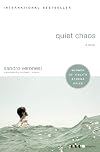
Quiet Chaos, translated from Italian and winner of Italy's prestigious Strega literary award, is a reflective novel on life, death, family, work and the social norms that both bind and tie us.
The novel opens with the protagonist Pietro saving a woman from drowning, unknowing that at the very same time his wife is dying of an aneurism not far away in their holiday home. Bringing his young daughter back to school in Milan for the first time since the funeral, he decides on the spur of the show more moment to commit to waiting outside the school all day until she is finished, and then not just to wait that day but for every day that follows in anticipation of the onslaught wave of grief that has yet to hit either he or his daughter.
A top executive in a television company, his employer allows him to work from his car and the park outside his daughter's school, but not indefinitely. Pietro, feeling no discernible sadness for his wife, believes that he is not grieving but simply appreciating a new perspective on what's important in life, and as he waits outside the school day after day, week after week, a host of characters come into his new 'office'. Sensing the freedom of Pietro's unconventional choices, his family and work colleagues inevitably end up unburdening themselves to him about their work and family troubles, while Pietro increasingly finds it easy to simply not worry about what tomorrow brings and to focus only on the here and now.
Quiet Chaos is a book that appears simple and straightforward yet also has many layers of depth. I enjoyed it, yet it's one of those books where I was also glad to reach the end, and a culling of 100 or so pages would have done it no harm.
4 stars - enjoyable, but I was often glad to put it down again after a reading stint. show less
The novel opens with the protagonist Pietro saving a woman from drowning, unknowing that at the very same time his wife is dying of an aneurism not far away in their holiday home. Bringing his young daughter back to school in Milan for the first time since the funeral, he decides on the spur of the show more moment to commit to waiting outside the school all day until she is finished, and then not just to wait that day but for every day that follows in anticipation of the onslaught wave of grief that has yet to hit either he or his daughter.
A top executive in a television company, his employer allows him to work from his car and the park outside his daughter's school, but not indefinitely. Pietro, feeling no discernible sadness for his wife, believes that he is not grieving but simply appreciating a new perspective on what's important in life, and as he waits outside the school day after day, week after week, a host of characters come into his new 'office'. Sensing the freedom of Pietro's unconventional choices, his family and work colleagues inevitably end up unburdening themselves to him about their work and family troubles, while Pietro increasingly finds it easy to simply not worry about what tomorrow brings and to focus only on the here and now.
Quiet Chaos is a book that appears simple and straightforward yet also has many layers of depth. I enjoyed it, yet it's one of those books where I was also glad to reach the end, and a culling of 100 or so pages would have done it no harm.
4 stars - enjoyable, but I was often glad to put it down again after a reading stint. show less
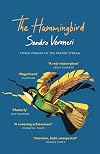
As a child, Marco was so small he was nicknamed the hummingbird. Later in life, Luisa, his friend and beloved, thinks it's not his size that makes him like a hummingbird, but his ability for stillness in life. The book takes a non-linear journey through Marco's life, a lucky escape from a serious accident, loss of his sister, difficult divorce, loss of his daughter as a young woman, raising his grand-daughter.
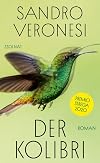
Alle nannten ihn nur Kolibri, weil er viel kleiner war als alle anderen Jungs und filigran; erst eine riskante Therapie konnte das Wachstum des Teenagers beschleunigen und als Erwachsener ist der Augenarzt Marco Carrera zu einer normalen Körpergröße gelangt. Das Gefühl anders, ein Außenseiter, der erst als letzter in die Mannschaft gewählt wird, zu sein, konnte er jedoch nie ganz ablegen, ebenso wie eine besondere Sensibilität, weshalb auch nur er verstehen kann, weshalb sich seine show more kleine Tochter Adele einbildet, einen Faden in ihrem Rücken zu haben. Sein Leben ist voller emotionaler Begegnungen und außergewöhnlicher Menschen, mit denen er Verbindungen aufbaut, die mal enger mal lockerer sind, die jedoch nie abreißen und ihn durch alle Unwägbarkeiten des Daseins begleiten.
Sandro Veronesis Roman wurde mit dem renommierten Premio Strega ausgezeichnet, eine Ehre, die der poetischen und dichten Sprache Rechnung trägt. Es ist keine chronologische Erzählung eines Lebens, sondern ein Kaleidoskop verschiedener Momente, Briefe wie Gesprächsdokumente, die immer wieder zeitlich, räumlich und auch bezogen auf die Figuren springen und einem scheinbar unbewussten Bewusstseins- oder Erinnerungsstrom folgen, der erst im Rückblick und der Gesamtschau ein klares Bild ergibt. „Der Kolibri“ ist einer dieser ganz langsamen Romane, die man immer wieder weglegen muss, um sie wirken zu lassen und nicht überfordert zu werden von ihrer Intensität.
Was sofort ins Auge sticht, ist die Gabe des Autors für präzise Beobachtung und den Transfer von kleinen Momenten in durchdringende Sprache. Kein Kapitel gleicht dem anderen, die unterschiedlichen Textsorten allein schon verhindern eine Gleichförmigkeit und doch gibt es rote Fäden, die sich durch sie hindurchziehen und verbinden.
Den Figuren ist die glückliche Liebe vergönnt. Schon Marcos Eltern sind mehr durch das Unglücklichsein miteinander verbunden als durch Zuneigung. Der junge Marco verliebt sich in Luisa, doch ihnen ist keine Zukunft über ihren Briefwechsel hinaus vergönnt. Die Ehe mit seiner Frau hält auch nur kurz, einzig seine Liebe zur Tochter und später zur Enkelin ist von Dauer. Die Frauen insbesondere scheinen unter keinen guten Sternen geboren zu sein, auch die psychoanalytische Betrachtung hilft ihnen nicht das Leben zu führen, von dem sie träumen. Immer wieder legt es auch das Schicksal darauf an, Marcos Leben frühzeitig zu beenden, doch dem kann er mal clever mal glücklich ein Schnippchen schlagen, bis dann doch sein letzter Tag auf Erden gekommen ist.
Eine Familiengeschichte, die ihresgleichen sucht, denn es geht nicht um ein Leben, eine Familie, sondern um das, was bleibt, wenn ein Mensch mal nicht mehr ist und auch, wie man seine Familie jenseits von genetischer Zusammengehörigkeit finden kann, um sie zu versammeln, wenn man sie braucht. show less
Sandro Veronesis Roman wurde mit dem renommierten Premio Strega ausgezeichnet, eine Ehre, die der poetischen und dichten Sprache Rechnung trägt. Es ist keine chronologische Erzählung eines Lebens, sondern ein Kaleidoskop verschiedener Momente, Briefe wie Gesprächsdokumente, die immer wieder zeitlich, räumlich und auch bezogen auf die Figuren springen und einem scheinbar unbewussten Bewusstseins- oder Erinnerungsstrom folgen, der erst im Rückblick und der Gesamtschau ein klares Bild ergibt. „Der Kolibri“ ist einer dieser ganz langsamen Romane, die man immer wieder weglegen muss, um sie wirken zu lassen und nicht überfordert zu werden von ihrer Intensität.
Was sofort ins Auge sticht, ist die Gabe des Autors für präzise Beobachtung und den Transfer von kleinen Momenten in durchdringende Sprache. Kein Kapitel gleicht dem anderen, die unterschiedlichen Textsorten allein schon verhindern eine Gleichförmigkeit und doch gibt es rote Fäden, die sich durch sie hindurchziehen und verbinden.
Den Figuren ist die glückliche Liebe vergönnt. Schon Marcos Eltern sind mehr durch das Unglücklichsein miteinander verbunden als durch Zuneigung. Der junge Marco verliebt sich in Luisa, doch ihnen ist keine Zukunft über ihren Briefwechsel hinaus vergönnt. Die Ehe mit seiner Frau hält auch nur kurz, einzig seine Liebe zur Tochter und später zur Enkelin ist von Dauer. Die Frauen insbesondere scheinen unter keinen guten Sternen geboren zu sein, auch die psychoanalytische Betrachtung hilft ihnen nicht das Leben zu führen, von dem sie träumen. Immer wieder legt es auch das Schicksal darauf an, Marcos Leben frühzeitig zu beenden, doch dem kann er mal clever mal glücklich ein Schnippchen schlagen, bis dann doch sein letzter Tag auf Erden gekommen ist.
Eine Familiengeschichte, die ihresgleichen sucht, denn es geht nicht um ein Leben, eine Familie, sondern um das, was bleibt, wenn ein Mensch mal nicht mehr ist und auch, wie man seine Familie jenseits von genetischer Zusammengehörigkeit finden kann, um sie zu versammeln, wenn man sie braucht. show less
Quiet Chaos is a deeply structured though linear novel. A McEwanesque opening drama involving the simultaneous dramatic rescue of two drowning women even as, unbeknownst to one of the rescuers, Pietro, his own wife is dying of an aneurysm back at their cottage, gives way to the now bereaved father deciding to forego his important job in a large corporation in order to wait patiently in a park immediately across from his 10 year old daughter’s school. He waits throughout the day and then show more repeats his action the following day and again and again. In the process he becomes a centre of calm in the chaotic swirl of life and business that might otherwise overwhelm him and young Claudia. At first it is just something personal, or perhaps directly solely at Claudia. But later it becomes a form of refuge. From his work, which is fracturing under the stress of a global merger. From his personal relations. From his own thoughts and feeling, perhaps.
Pietro’s station in the park opposite the school, however, also becomes a stopping point for others, troubled or sorrowful. A succession of work colleagues, relations, even strangers, come to him to unburden themselves. He listens, mostly in silence, and for the most part does not judge. But like a saint of olden days his hermit-like existence is threatened by his increasing notoriety, both locally and within his company. Pietro does his best to discount the gossip and the speculation and concentrate instead on being there, literally being there, for his daughter. But eventually this daily cycle must reach an end. Whether that will happen before Pietro has completed his grieving process is part of the drama of the ending.
The writing here is thoughtful, full of rumination and exculpation. The characters are sometimes caricatures, thin types exploited for specific effect. And although Pietro, for the most part, stays in one place, this has the picaresque feel of a road story. You will either find it deeply affecting or mawkish — there is a thin line between them. For me, it worked sufficiently well. Enough at least to recommend it. show less
Pietro’s station in the park opposite the school, however, also becomes a stopping point for others, troubled or sorrowful. A succession of work colleagues, relations, even strangers, come to him to unburden themselves. He listens, mostly in silence, and for the most part does not judge. But like a saint of olden days his hermit-like existence is threatened by his increasing notoriety, both locally and within his company. Pietro does his best to discount the gossip and the speculation and concentrate instead on being there, literally being there, for his daughter. But eventually this daily cycle must reach an end. Whether that will happen before Pietro has completed his grieving process is part of the drama of the ending.
The writing here is thoughtful, full of rumination and exculpation. The characters are sometimes caricatures, thin types exploited for specific effect. And although Pietro, for the most part, stays in one place, this has the picaresque feel of a road story. You will either find it deeply affecting or mawkish — there is a thin line between them. For me, it worked sufficiently well. Enough at least to recommend it. show less
Lists
Awards


You May Also Like


Associated Authors
Statistics
- Works
- 38
- Also by
- 1
- Members
- 2,466
- Popularity
- #10,394
- Rating
- 3.6
- Reviews
- 99
- ISBNs
- 172
- Languages
- 15
- Favorited
- 7