
Ilja Leonard Pfeijffer
Author of Grand Hotel Europa
About the Author
Works by Ilja Leonard Pfeijffer
500 gedichten die iedereen gelezen moet hebben de canon van de Europese poëzie (2009) 56 copies, 1 review
De Nederlandse poëzie van de twintigste en de eenentwintigste eeuw in 1000 en enige gedichten (2016) 34 copies, 1 review
Ondraaglijke lichtheid over het nut en nadeel van de ironie voor het leven (2019) 31 copies, 1 review
Het ministerie van Specifieke Zaken over Haags gekonkel en de mentale staat van het land (2011) 3 copies
The manipulative mode : political propaganda in antiquity : a collection of case studies (2004) — Editor — 3 copies
Three Aeginetan odes of Pindar : a commentary on Nemean V, Nemean III & Pythian VIII (1999) 3 copies
Absolute democratie 1 copy
Pfeijffer Ilja 1 copy
Sonnetten 2018 1 copy
Peachez, een romace 1 copy
Dodendans 1 copy
Karakters 1 copy
Associated Works
Tagged
Common Knowledge
- Canonical name
- Pfeijffer, Ilja Leonard
- Legal name
- Pfeijffer, Ilja Leonard
- Birthdate
- 1968-01-17
- Gender
- male
- Occupations
- poet
novelist
polemicist - Awards and honors
- C. Buddingh’-prijs (1999)
Anton Wachterprijs (2002)
Literaturpreis Nordrhein-Westfalen, Düsseldorf (2002)
Tzumprijs (2005) - Nationality
- Netherlands
- Birthplace
- Rijswijk, Netherlands
- Places of residence
- Genoa, Italy
- Map Location
- Netherlands
Members
Reviews

After decades of knocking tennis balls into nets and drinking sherry in various third-rate capital cities, Carmen and her ex-diplomat husband have retired to a medium-sized Dutch town, where she volunteers as events organiser for the public library. But she still looks back affectionately on her teenage holiday romance with the lovely Antonio on the coast of Liguria. After a reunion with her primary school classmate Ilja Leonard Pfeijffer, now a big-shot novelist, turns out to be a complete show more flop, she decides it's about time she did something about that teenage promise to go back and see Antonio. Unfortunately, it's March 2020, not the ideal moment to be visiting northern Italy.
An enjoyable little book, with a pleasantly romantic atmosphere but enough twists and ironies to keep you alert, and plenty of little nods to great literature. Exactly the sort of thing that makes a good Boekenweek novella. Pfeijffer has fun sending himself up in his new role as high-profile novelist, and we can't help liking Carmen, who "chronically fails conspicuously in her brave attempts to be average but doesn't realise it". show less
An enjoyable little book, with a pleasantly romantic atmosphere but enough twists and ironies to keep you alert, and plenty of little nods to great literature. Exactly the sort of thing that makes a good Boekenweek novella. Pfeijffer has fun sending himself up in his new role as high-profile novelist, and we can't help liking Carmen, who "chronically fails conspicuously in her brave attempts to be average but doesn't realise it". show less

A book to my tastes: The writing is atmospheric, condensed, and lyrical, with wordplay and literary references; it's sometimes funny; the narrator is unreliable and of great psychological interest; it transfixedmy attention; and there are questions left unanswered.
Rupert is accused of a crime, and the novel comprises statements he makes to the court in three hearings. Much of his account is of his love for Mira, the ideal woman he has lost, but his meanderings into other matters--the city as show more a repository of memories, the ideal public square, e.g.--are every bit as interesting and every bit as revealing, if less obviously so, of Rupert's personality and of his drive to be now a spectator, now the cynosure.
The word-play begins with the subtitle, is apparent in Mira's name, and continues. There are phrases, just as there are some characters, that recur in varying circumstances throughout the book. And the literary references are used beautifully: Nabokov, Eliot, Algonquin Round Table habitues, classical writers and more are all worked in in, but with a light and usually comic touch, and their very presence tells us something about Rupert.
I skimmed some online reviews after finishing this, and some of them complained that the book was prurient or that it contained deeply upsetting scenes. It's true that a horrible crime is described, but because it's done so at second hand in poetic language the account of it isn't gruelling.
This is a book I'll read again, for several reasons: No doubt I'll find details and references I missed in this reading; oblique references to trial evidence near the end put a different slant on the previous pages; I want to read it even more closely, as Pfeijffer seems so intelligent a writer that I think he's chosen each character, each episode, and each word with very great care; and simply because it's a page-turner that's also great fun. Clever cover design as well. show less
Rupert is accused of a crime, and the novel comprises statements he makes to the court in three hearings. Much of his account is of his love for Mira, the ideal woman he has lost, but his meanderings into other matters--the city as show more a repository of memories, the ideal public square, e.g.--are every bit as interesting and every bit as revealing, if less obviously so, of Rupert's personality and of his drive to be now a spectator, now the cynosure.
The word-play begins with the subtitle, is apparent in Mira's name, and continues. There are phrases, just as there are some characters, that recur in varying circumstances throughout the book. And the literary references are used beautifully: Nabokov, Eliot, Algonquin Round Table habitues, classical writers and more are all worked in in, but with a light and usually comic touch, and their very presence tells us something about Rupert.
I skimmed some online reviews after finishing this, and some of them complained that the book was prurient or that it contained deeply upsetting scenes. It's true that a horrible crime is described, but because it's done so at second hand in poetic language the account of it isn't gruelling.
This is a book I'll read again, for several reasons: No doubt I'll find details and references I missed in this reading; oblique references to trial evidence near the end put a different slant on the previous pages; I want to read it even more closely, as Pfeijffer seems so intelligent a writer that I think he's chosen each character, each episode, and each word with very great care; and simply because it's a page-turner that's also great fun. Clever cover design as well. show less
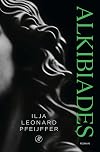
Lack of self-confidence is a fault of character of which one cannot easily accuse me.
I’m here to read about Alcibiades being hedonistic, dramatic, queer and arrogant, not a reiteration of Thucydides or Plato.
The book was highly detailed, which was a good and a bad thing. Good because it was immersive and explained the reasoning and context of each strategic decision.
Bad because Alcibiades himself and his character are often left out of these paragraphs. If I wanted the details and dates of show more the Peloponnesian war, I’d read Thucydides. If I wanted commentary on the democracy of Athens, I’d read Plato. These parts felt long and dragged unnecessarily.
The formal, archaic language set the tone and added immersion during the good parts, but it was almost headache-inducing during the bad.
Alcibiades addresses the reader directly and I liked his sometimes witty, sometimes complex wording. This is the story of a man who tries to justify his choices and he walks a fine line between egocentric and sympathetic. Plainly put: He manipulate-mainsplain-manwhores this way through the Peloponnesian war.
Him surviving through trickery and oratory skills was a lot of fun to read. Sometimes it felt like a true historical epic, a grand adventure of a biography.
Counting 700+ pages of novel and 100+ pages of bibliography, spanning twenty years and three cultures, this book is certainly memorable. show less
I’m here to read about Alcibiades being hedonistic, dramatic, queer and arrogant, not a reiteration of Thucydides or Plato.
The book was highly detailed, which was a good and a bad thing. Good because it was immersive and explained the reasoning and context of each strategic decision.
Bad because Alcibiades himself and his character are often left out of these paragraphs. If I wanted the details and dates of show more the Peloponnesian war, I’d read Thucydides. If I wanted commentary on the democracy of Athens, I’d read Plato. These parts felt long and dragged unnecessarily.
The formal, archaic language set the tone and added immersion during the good parts, but it was almost headache-inducing during the bad.
Alcibiades addresses the reader directly and I liked his sometimes witty, sometimes complex wording. This is the story of a man who tries to justify his choices and he walks a fine line between egocentric and sympathetic. Plainly put: He manipulate-mainsplain-manwhores this way through the Peloponnesian war.
Him surviving through trickery and oratory skills was a lot of fun to read. Sometimes it felt like a true historical epic, a grand adventure of a biography.
Counting 700+ pages of novel and 100+ pages of bibliography, spanning twenty years and three cultures, this book is certainly memorable. show less
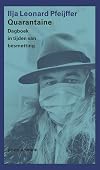
Heler, vlot leesbaar en helemaal menselijk.
Pfeijffer ligt ons niet altijd, dat zal een beetje aan ons en een beetje aan hem liggen. Maar zijn Quarantaine-dagboek hebben we graag gelezen. Helder, scherpzinnig en met prachtige zinnen beschrijft hij dag op dag zijn eigen ervaringen en die van zijn omgeving tijdens de scherpe lockdown gedurende het voorjaar van 2020 in Genua, Italië waar hij woont.
Een confronterend relaas omwille van de harde feiten waarmee de Italianen geconfronteerd worden show more en verhelderend omdat we allemaal wel eens opnieuw uit het oog verliezen waarom we in deze situatie zijn beland en wat daar de bedoeling van is.
Maar wat zijn dagboek helemaal lezenswaardig maakt, is de menselijkheid er van. Ook Pfeijffer twijfelt en stelt de boel in vraag, waarna hij daags nadien weer helemaal overtuigd is van de logica van de quarantaine. Bij aanvang sprak hij over 'een griepje' maar snel geeft hij toe dat hij de impact en de gevolgen van COVID-19 schromelijk onderschat heeft. Pfeijffer geeft zichzelf en zijn omgeving bloot, wat het voor de lezer aangenaam maakt omdat de twijfels, de opstandigheid, de aanvaarding, de paniek en de hunkering naar een normaal leven (wat dat ook moge zijn) herkenbaar zijn en elkaar regelmatig afwisselen.
Puik werk, zinvol leesvoer. show less
Pfeijffer ligt ons niet altijd, dat zal een beetje aan ons en een beetje aan hem liggen. Maar zijn Quarantaine-dagboek hebben we graag gelezen. Helder, scherpzinnig en met prachtige zinnen beschrijft hij dag op dag zijn eigen ervaringen en die van zijn omgeving tijdens de scherpe lockdown gedurende het voorjaar van 2020 in Genua, Italië waar hij woont.
Een confronterend relaas omwille van de harde feiten waarmee de Italianen geconfronteerd worden show more en verhelderend omdat we allemaal wel eens opnieuw uit het oog verliezen waarom we in deze situatie zijn beland en wat daar de bedoeling van is.
Maar wat zijn dagboek helemaal lezenswaardig maakt, is de menselijkheid er van. Ook Pfeijffer twijfelt en stelt de boel in vraag, waarna hij daags nadien weer helemaal overtuigd is van de logica van de quarantaine. Bij aanvang sprak hij over 'een griepje' maar snel geeft hij toe dat hij de impact en de gevolgen van COVID-19 schromelijk onderschat heeft. Pfeijffer geeft zichzelf en zijn omgeving bloot, wat het voor de lezer aangenaam maakt omdat de twijfels, de opstandigheid, de aanvaarding, de paniek en de hunkering naar een normaal leven (wat dat ook moge zijn) herkenbaar zijn en elkaar regelmatig afwisselen.
Puik werk, zinvol leesvoer. show less
Lists
Five star books (1)
Awards


You May Also Like


Associated Authors
Statistics
- Works
- 57
- Also by
- 1
- Members
- 2,273
- Popularity
- #11,291
- Rating
- 3.8
- Reviews
- 85
- ISBNs
- 135
- Languages
- 14
- Favorited
- 4
