
Adrian Nicole LeBlanc
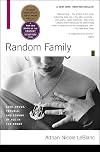
Author of Random Family: Love, Drugs, Trouble, and Coming of Age in the Bronx
About the Author
Image credit: Norman Mailer Writers Colony
Works by Adrian Nicole LeBlanc
Associated Works
Fight of the Century: Writers Reflect on 100 Years of Landmark ACLU Cases (2020) — Contributor — 262 copies, 5 reviews
Tagged
Common Knowledge
- Canonical name
- LeBlanc, Adrian Nicole
- Birthdate
- 1963
- Gender
- female
- Education
- Smith College
University of Oxford
Yale University (MLS) - Occupations
- journalist
- Organizations
- Seventeen
- Awards and honors
- MacArthur Fellowship (2006)
- Nationality
- USA
- Places of residence
- Leominster, Massachusetts, USA
New York, New York, USA - Associated Place (for map)
- USA
Members
Reviews
This work of immersive journalism follows several Bronx Puerto Ricans and their circle of family and friends for over a decade. There is extensive poverty, drug dealing/use, teen pregnancy, incarcerations, and both child and spousal abuse. They also struggle to work with shelters, public housing authorities, social services, hospitals, and schools, most of which are not as supportive as they could be. This very long dense book is a gut-wrenching ride and will anger you. You will be mad at show more the repeated stupidity of the main characters as well as the socio-political-economic system that created and is continuing to govern their situations. The most devastating takeaway for me was the women and their attitudes towards men and their relationship to them. It is deeply ingrained patriarchy and misogyny at its absolute worst and I feel that it is the driving force that perpetuates most of their struggles. I highly recommend you pick up this book even if you only read half of it. It's long, but accessible and reads like an urban soap opera. show less
(33) This is a non-fiction account of an extended circle of friends and family growing up in the projects of the Bronx in the 90's. Their lives are riddled with drugs, teen pregnancy, prison, unstable housing, food insecurity. The author managed to embed and befriend several of the subjects. She then writes the book in such a way that she herself disappears - it reads like fiction from multiple POVs. At first, it is so hard to read as it is so sordid. The people in the novel are not show more portrayed as victims, nor blameless in their predicaments. Yet, you cannot help empathizing with what seems their inevitable fates. You can't make good decisions if you have never developed emotional regulation, basic critical thinking skills, nor even had role models that show you what safety, security, and sanity might look like.
One of the main people followed is Coco - a young Puerto Rican girl who becomes sexually active at 13 and pregnant shortly after that and drops out of school. The typical dynamic is for the young pregnant adolescent to then move in to the father of the baby's childhood bedroom with him while she has a "belly." He is usually involved in a life of crime in some way; typically drugs, and inevitably impregnates multiple other teenagers and ends up in jail. Eventually Coco moves back home for her mother (usually also with a drug problem and/or a string of abusive boyfriends) to raise the child. Coco herself is usually generous, loving, and decidedly NOT addicted. She tries really hard to be a good mother ... and tries to better their lives. And yet. She has no tools to do so. Pregnancy seems to be a status symbol in a world where there is very little currency - thus, access to birth control is not actually the barrier here.
This is a book that shows, and not tells. And leaves it at that. You draw your own conclusions. I remember reading Erskine Caldwell's 'Tobacco Road,' a fictional account of poor rural Southern sharecroppers lives. The people were so -- well, stupid, careless, pathetic and I remember thinking - "Why?" Why, indeed. I recently discovered this book on the New York Times 100 best books of the 21st century list. I can see why it made it. show less
One of the main people followed is Coco - a young Puerto Rican girl who becomes sexually active at 13 and pregnant shortly after that and drops out of school. The typical dynamic is for the young pregnant adolescent to then move in to the father of the baby's childhood bedroom with him while she has a "belly." He is usually involved in a life of crime in some way; typically drugs, and inevitably impregnates multiple other teenagers and ends up in jail. Eventually Coco moves back home for her mother (usually also with a drug problem and/or a string of abusive boyfriends) to raise the child. Coco herself is usually generous, loving, and decidedly NOT addicted. She tries really hard to be a good mother ... and tries to better their lives. And yet. She has no tools to do so. Pregnancy seems to be a status symbol in a world where there is very little currency - thus, access to birth control is not actually the barrier here.
This is a book that shows, and not tells. And leaves it at that. You draw your own conclusions. I remember reading Erskine Caldwell's 'Tobacco Road,' a fictional account of poor rural Southern sharecroppers lives. The people were so -- well, stupid, careless, pathetic and I remember thinking - "Why?" Why, indeed. I recently discovered this book on the New York Times 100 best books of the 21st century list. I can see why it made it. show less

Random Family was written over 10 years by LeBlanc who immersed herself in the lives of an extended family of Puerto Ricans living in serious poverty in the Bronx. As a non-fiction book this is a little old now in relation to it's subject matter (written in 2003, chronicling from 1985 to 2000), but no matter - it's still incredibly powerful stuff.
As an immersive piece of fly-on-the-wall piece of journalism (LeBlanc was trusted and welcomed into the lives of those she chronicled), this book show more is so affecting because of the extended length of time the author spent with her subjects. We don't just read about the 'whats' in their lives - by really getting under the hood of their world we start to understand a little more about their 'whys' in terms of bad choices made.
At its heart this is a story about abject poverty in an area overrun by crime. Depressingly, although each generation wants better for their children than their own upbringing, the cycle gets endlessly repeated again and again. Young mothers (14, 15, 16) end up with large families from different fathers while they're still adolescents themselves. Families typically have no firm roofs over their heads, drifting between small, rundown apartments belonging to extended family members that often have multiple adults and children already living in them. Adults most usually are unemployed or ensconced in the drug trade. Addictions are the norm, child molestation is common but not dwelled on (there are so many adults on the scene figuring out the culprit is often near to impossible), and kids are generally neglected by their families and schools despite good intentions. Young girls typically end up bearing the brunt of the work in bringing up their younger siblings (before starting motherhood themselves), and young boys - lacking guidance from fathers who are usually not involved in their upbringing and typically in jail by their late teens or murdered - eventually get into trouble on the streets, with tough attitudes and uncontrolled anger leading quickly to involvement in gangs, drugs and serious crime.
LeBlanc started writing this novel after following the trial of notorious young drug kingpin Boy George, who, before being sent down for life, was living the high life with Bentleys, jewellery, furs and beautiful women. One of those girls was Jessica, a knockout girl from a poor slum in the Bronx, and it's starting with Jessica that LeBlanc weaves this true story. Within 15 years, Jessica will have gone from rags to riches to a 10 year prison sentence back to rags, becoming a mother of 5 and grandmother of 1 in that same period. We also follow the story of her brother Cesar and his inevitable spiral into crime, and that of Coco, mother to 2 of Cesar's children who extracts herself from the Bronx but ultimately can't escape the grinding poverty that keeps her stuck in the same cycle as previous generations.
As a white, privileged reader, many of the life choices made seem utterly crazy - more babies when they can't cope with the ones they already have, money windfalls (from robberies or insurance claims) frittered away within weeks. However, LeBlanc is pretty successful by the end of the book in helping us understand that when living in this level of extreme poverty, amid everyday violence and dysfunction, there are few support structures, few reliable people to guide or help, and few opportunities to do the right thing when the day-to-day grind is like quicksand.
This is not a book of hope and light at the end of the tunnel - it is a book of stark realism about those living in the poorest sectors of society.
Were it written today, I wonder would LeBlanc be accused of writing a story that is not hers to tell. I think in this case that would be an unfair argument. In researching Random Family she spent a significantly long time immersed in her characters' lives, and it's doubtful that any of her characters would ever have been in a situation privileged enough to have been able to write their story themselves.
5 stars - thoroughly engrossing, albeit incredibly tragic. show less
As an immersive piece of fly-on-the-wall piece of journalism (LeBlanc was trusted and welcomed into the lives of those she chronicled), this book show more is so affecting because of the extended length of time the author spent with her subjects. We don't just read about the 'whats' in their lives - by really getting under the hood of their world we start to understand a little more about their 'whys' in terms of bad choices made.
At its heart this is a story about abject poverty in an area overrun by crime. Depressingly, although each generation wants better for their children than their own upbringing, the cycle gets endlessly repeated again and again. Young mothers (14, 15, 16) end up with large families from different fathers while they're still adolescents themselves. Families typically have no firm roofs over their heads, drifting between small, rundown apartments belonging to extended family members that often have multiple adults and children already living in them. Adults most usually are unemployed or ensconced in the drug trade. Addictions are the norm, child molestation is common but not dwelled on (there are so many adults on the scene figuring out the culprit is often near to impossible), and kids are generally neglected by their families and schools despite good intentions. Young girls typically end up bearing the brunt of the work in bringing up their younger siblings (before starting motherhood themselves), and young boys - lacking guidance from fathers who are usually not involved in their upbringing and typically in jail by their late teens or murdered - eventually get into trouble on the streets, with tough attitudes and uncontrolled anger leading quickly to involvement in gangs, drugs and serious crime.
LeBlanc started writing this novel after following the trial of notorious young drug kingpin Boy George, who, before being sent down for life, was living the high life with Bentleys, jewellery, furs and beautiful women. One of those girls was Jessica, a knockout girl from a poor slum in the Bronx, and it's starting with Jessica that LeBlanc weaves this true story. Within 15 years, Jessica will have gone from rags to riches to a 10 year prison sentence back to rags, becoming a mother of 5 and grandmother of 1 in that same period. We also follow the story of her brother Cesar and his inevitable spiral into crime, and that of Coco, mother to 2 of Cesar's children who extracts herself from the Bronx but ultimately can't escape the grinding poverty that keeps her stuck in the same cycle as previous generations.
As a white, privileged reader, many of the life choices made seem utterly crazy - more babies when they can't cope with the ones they already have, money windfalls (from robberies or insurance claims) frittered away within weeks. However, LeBlanc is pretty successful by the end of the book in helping us understand that when living in this level of extreme poverty, amid everyday violence and dysfunction, there are few support structures, few reliable people to guide or help, and few opportunities to do the right thing when the day-to-day grind is like quicksand.
This is not a book of hope and light at the end of the tunnel - it is a book of stark realism about those living in the poorest sectors of society.
Were it written today, I wonder would LeBlanc be accused of writing a story that is not hers to tell. I think in this case that would be an unfair argument. In researching Random Family she spent a significantly long time immersed in her characters' lives, and it's doubtful that any of her characters would ever have been in a situation privileged enough to have been able to write their story themselves.
5 stars - thoroughly engrossing, albeit incredibly tragic. show less
I thought maybe I was getting into a slightly more modern "A tree grows in Brooklyn" sort of story, but this is non-fiction, gritty, unvarnished living life in poverty and in spite of it. So many times throughout reading this book I'd think "why do they keep doing this? Why do they want to live at all if this is all they can find?" And the circumstances never get better, but they keep going and they keep bringing kids into this messy world, and they are never broken. It's truly amazing how show more kids, teenagers, can live entire lifetimes before some of us even get out of high school. This is very well done, and really brings empathy to circumstances many people abhor. show less
Lists
Awards


You May Also Like


Associated Authors
Statistics
- Works
- 1
- Also by
- 2
- Members
- 1,495
- Popularity
- #17,183
- Rating
- 4.3
- Reviews
- 40
- ISBNs
- 16
- Languages
- 5
- Favorited
- 2