
Carmen Martín Gaite (1925–2000)
Author of Behind the Curtains
About the Author
Image credit: Carmen Martin Gaite, ca. 1987
Works by Carmen Martín Gaite
Ensayos II. O. C. Carmen Martín Gaite, vol.V: Carmen Martín Gaite. Obras completas V (2016) 3 copies
El balneario 1 copy
Los cuentos de la esfinge : una antología de autores de todo el mundo — Contributor — 1 copy
La tata 1970 — Author — 1 copy
De su ventana a la mia 1987 — Author — 1 copy
Associated Works
Amores de mujer : (de los 15 a los 70 ) — Contributor — 2 copies
Tagged
Common Knowledge
- Canonical name
- Martín Gaite, Carmen
- Legal name
- Martín Gaite, Carmen
- Other names
- Calila
- Birthdate
- 1925-12-08
- Date of death
- 2000-07-22
- Gender
- female
- Education
- University of Salamanca (Philosophy and Letters)
- Awards and honors
- Premio Príncipe de Asturias (Letras ∙ 1986)
Premio Nacional de las Letras Españolas (obra) (1994)
Premio Nacional de Narrativa de las Letras Españolas
Nadal (1957)
Anagrama de Ensayo (1987) - Relationships
- Rafael Sánchez Ferlosio (spouse)
- Nationality
- Spain
- Birthplace
- Salamanca, Spain
- Place of death
- Madrid, Spain
- Burial location
- El Boalo
- Associated Place (for map)
- Spain
Members
Reviews

En un ejercicio de modernidad sin pretensiones, Carmen Martín Gaite se lanza aquí a la autoficción, en un momento en el que, desconozco por completo, si este género estaba muy consolidado, y con una historia de argumento sencillo pero de gran armazón. Casi al principio nos hace un resumen de su plan: “Pretender al mismo tiempo entender y soñar: ahí está la condena de mis noches.”
Y pretender explicar el proceso de creación literaria, con su bagaje de libros, sus fugas y pérdidas show more del hilo, con la memoria de su propia vida, no debe ser nada fácil, pero consigue trasladarnos una gran parte de esa experiencia con una novela que mezcla también la fantasía, el misterio, y la memoria histórica. Pero no corre nunca toda la cortina que nos deje ver lo más profundo, porque “solo la distancia revela el secreto de lo que parecía estar oculto”.
El humor y el ingenio que se infiltran en toda la historia, creo, que nos dan una pista del carácter de Martín Gaite, que no deja de ironizar sobre el mundo que le tocó vivir y sobre ella misma.
Las metáforas llenan el libro desde el título, con ese cuarto de atrás, “me lo imagino también como un desván del cerebro, una especie de recinto secreto lleno de trastos borrosos, separado de las antesalas más limpias y ordenadas de la mente por una cortina que solo se descorre de vez en cuando; los recuerdos que pueden darnos alguna sorpresa viven agazapados en el cuarto de atrás, siempre salen de allí, y sólo cuando quieren, no sirve hostigarlos. Las piedrecitas blancas, las miguitas, y los refugios, o el escondite inglés como fórmula que utilizan los recuerdos para sorprendernos.
Y me quedo con la estela que nos ofrece para poder de llegar a Cunigan o a la isla de Bergai:
“A Bergai se llegaba por el aire. Bastaba con mirar a la ventana, invocar el lugar con los ojos cerrados y se producía la levitación. «Siempre que notes que no te quieren mucho —me dijo mi amiga—, o que no entiendes algo, te vienes a Bergai. Yo te estaré esperando allí». show less
Y pretender explicar el proceso de creación literaria, con su bagaje de libros, sus fugas y pérdidas show more del hilo, con la memoria de su propia vida, no debe ser nada fácil, pero consigue trasladarnos una gran parte de esa experiencia con una novela que mezcla también la fantasía, el misterio, y la memoria histórica. Pero no corre nunca toda la cortina que nos deje ver lo más profundo, porque “solo la distancia revela el secreto de lo que parecía estar oculto”.
El humor y el ingenio que se infiltran en toda la historia, creo, que nos dan una pista del carácter de Martín Gaite, que no deja de ironizar sobre el mundo que le tocó vivir y sobre ella misma.
Las metáforas llenan el libro desde el título, con ese cuarto de atrás, “me lo imagino también como un desván del cerebro, una especie de recinto secreto lleno de trastos borrosos, separado de las antesalas más limpias y ordenadas de la mente por una cortina que solo se descorre de vez en cuando; los recuerdos que pueden darnos alguna sorpresa viven agazapados en el cuarto de atrás, siempre salen de allí, y sólo cuando quieren, no sirve hostigarlos. Las piedrecitas blancas, las miguitas, y los refugios, o el escondite inglés como fórmula que utilizan los recuerdos para sorprendernos.
Y me quedo con la estela que nos ofrece para poder de llegar a Cunigan o a la isla de Bergai:
“A Bergai se llegaba por el aire. Bastaba con mirar a la ventana, invocar el lugar con los ojos cerrados y se producía la levitación. «Siempre que notes que no te quieren mucho —me dijo mi amiga—, o que no entiendes algo, te vienes a Bergai. Yo te estaré esperando allí». show less
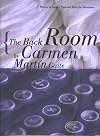
Although this is a metafictional work, it is done in a very low-key, casual way, and rather naturally subverts a lot of tropes. There is a lot of ambiguity as well. The narrator is an obvious portrait of the author, so there are mentions of her work and writing. Halfway through the book, the narrator notes that after the death of Franco, many memoirs appeared, but she doesn’t want to write a typical memoir. Indeed, the reminiscences of her childhood are fragmented and non-chronological, show more and some important facts (her marriage) are mentioned once, then dropped. Besides the novel being an anti-post-Franco memoir, it also departs from the familiar novelistic structure of one character relating their story to another. Usually when this happens, the viewpoint shifts from the first character to the storyteller, or the person who the story is being told to is a very minor character. The majority of the story is about the person doing the telling. But here, the questioner is an ambiguous man in black who could have several possible identities, and his life intrudes on the story in one chapter. The discussion between the narrator and the man in black is a large part of the novel and things jump from subject to subject, and there is some conversational sparring. Because of this, the story moves around a lot, but it feels very natural – like a somewhat rambling conversation. There are several different styles – most notably, a stream-of-consciousness half-awake first chapter and one that consists of a phone conversation but is also a pastiche of the romantic dramas written by the narrator and her friend as girls. A recurrent motif is the popular music and culture of the day – I think someone familiar with the era might have found that more meaningful, but that didn’t hinder my enjoyment of the book. I quite liked the structure, was absorbed by the narrative (such as it was), and found the author’s descriptions to be sharp and memorable.
The first chapter is very interesting, written in an almost stream-of-consciousness style as the narrator is about to go to sleep. Her thoughts wander all over, and eventually she gets up, although it isn’t entirely clear whether this happened or whether she dreamed it. Is the letter that she finds real or imagined? The first chapter also introduces possible identities for the man in black: the literal man in black from the print “Luther’s Discussion with the Devil”; the letter writer of the possibly apocryphal letter; or the ideal confidante from her dreams. It’s also possible that he could be a journalist, although coming to call after midnight, as he does in the next chapter, seems suspect. In any case, the discussion between the narrator and the man in black makes up much of the rest of the book, although in alternating chapters – there’s one with their conversation, followed by one involving kitchen reminiscing by the narrator, followed by another conversation, then one chapter that consists of a phone call between the narrator and a mysterious woman. Then there’s a chapter describing the end of their conversation and one wrapping it up, with the narrator wondering whether it happened or was all a dream.
The narrator’s confusion seems plausible enough – she mentions that she has been forgetting things lately, but there could be other explanations. Whole thing is a dream? Man in black is screwing with her? Her uncertainty contributes to the ambiguous situation and the anti-standard memoir feel. During the conversation, the narrator talks about being blocked in her writing and various projects she considered which adds to the meta structure. References to popular songs, movies, and celebrities of her childhood are frequent – sometimes they almost feel more real than her actual life, again destabilizing the narrative. Fictional places are also touchstones for the narrator; one is a place mentioned in a song, the other the world that she and her friend created in their stories. The more conventional glimpses of her life are interesting though – an aborted infatuation, the death of a relative, bomb shelters, thoughts on Franco’s daughter, childhood friends. One of my favorites was her musing on the different classes of dressmakers. Certainly an odd book, but it flows well and has that kind of dream logic so you go along with it. show less
The first chapter is very interesting, written in an almost stream-of-consciousness style as the narrator is about to go to sleep. Her thoughts wander all over, and eventually she gets up, although it isn’t entirely clear whether this happened or whether she dreamed it. Is the letter that she finds real or imagined? The first chapter also introduces possible identities for the man in black: the literal man in black from the print “Luther’s Discussion with the Devil”; the letter writer of the possibly apocryphal letter; or the ideal confidante from her dreams. It’s also possible that he could be a journalist, although coming to call after midnight, as he does in the next chapter, seems suspect. In any case, the discussion between the narrator and the man in black makes up much of the rest of the book, although in alternating chapters – there’s one with their conversation, followed by one involving kitchen reminiscing by the narrator, followed by another conversation, then one chapter that consists of a phone call between the narrator and a mysterious woman. Then there’s a chapter describing the end of their conversation and one wrapping it up, with the narrator wondering whether it happened or was all a dream.
The narrator’s confusion seems plausible enough – she mentions that she has been forgetting things lately, but there could be other explanations. Whole thing is a dream? Man in black is screwing with her? Her uncertainty contributes to the ambiguous situation and the anti-standard memoir feel. During the conversation, the narrator talks about being blocked in her writing and various projects she considered which adds to the meta structure. References to popular songs, movies, and celebrities of her childhood are frequent – sometimes they almost feel more real than her actual life, again destabilizing the narrative. Fictional places are also touchstones for the narrator; one is a place mentioned in a song, the other the world that she and her friend created in their stories. The more conventional glimpses of her life are interesting though – an aborted infatuation, the death of a relative, bomb shelters, thoughts on Franco’s daughter, childhood friends. One of my favorites was her musing on the different classes of dressmakers. Certainly an odd book, but it flows well and has that kind of dream logic so you go along with it. show less
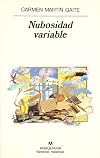
Con Nubosidad Variable se me ha abierto el alma varias veces, también me he perdido y me he vuelto a encontrar. Si me dejo llevar por la hermosura de sus sentimientos y la belleza de su prosa, le otorgaría un imprescindible que sería muy justo. Pero enfocándome a ser objetiva de cara a vosotros, los que nos leéis todos los días, lo dejaré en una entusiasta recomendación.
Crítica completa en: https://alibreria.com/2018/01/12/nubosidad-variable-de-carmen-martin-gaite/
Crítica completa en: https://alibreria.com/2018/01/12/nubosidad-variable-de-carmen-martin-gaite/

Ganadora del premio Nadal en 1957, Entre visillos es el duro retrato de un grupo de jóvenes en la España de los años cincuenta: ellos, dominadores, y ellas, sometidas y condenadas a vivir su juventud bajo las estrictas convenciones sociales de encontrar marido, casarse, tener hijos y dedicarse a las labores del hogar. Pero en realidad, Entre visillos también es Natalia, una joven de mente abierta, moderna, que no se conforma, y que en realidad está diciendo a esas mujeres que no se show more queden a observar el mundo desde detrás de la ventana, sino que salgan a por él.
Con Entre visillos, Carmen Martín Gaite da rienda suelta a la naturalidad de su prosa, sencilla y precisa, y alcanza la maestría en el arte de hacer hablar a sus personajes como seres reales. show less
Con Entre visillos, Carmen Martín Gaite da rienda suelta a la naturalidad de su prosa, sencilla y precisa, y alcanza la maestría en el arte de hacer hablar a sus personajes como seres reales. show less
Lists
My TBR (1)
Awards


You May Also Like


Associated Authors
Statistics
- Works
- 70
- Also by
- 8
- Members
- 2,896
- Popularity
- #8,847
- Rating
- 3.9
- Reviews
- 66
- ISBNs
- 273
- Languages
- 9
- Favorited
- 2

