
Margaret R. Higonnet
Author of Lines of Fire
About the Author
Margaret R. Higonnet is Professor of English at the University of Connecticut and an Affiliate at Harvard University's Center for European Studies
Works by Margaret R. Higonnet
Associated Works
The Cambridge History of the First World War: Volume 3, Civil Society (2014) — Contributor — 40 copies
Tagged
Common Knowledge
- Gender
- female
Members
Reviews
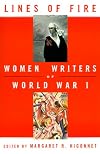
I was hesitant to read this book, thinking what could these women contribute to such a well-documented time in history?"
Now I know: they stayed behind and starved, and dealt with children starving, and brought their labor problems to the forefront of the time with strikes.
Oh, and women's right to vote in the US was suppressed until the end of America's involvement in the War. And then women were allowed to vote and the US has never been the same.
The narratives and histories and articles are show more translated and historical and fascinating and gripping. Hard to read but worth every moment." show less
Now I know: they stayed behind and starved, and dealt with children starving, and brought their labor problems to the forefront of the time with strikes.
Oh, and women's right to vote in the US was suppressed until the end of America's involvement in the War. And then women were allowed to vote and the US has never been the same.
The narratives and histories and articles are show more translated and historical and fascinating and gripping. Hard to read but worth every moment." show less
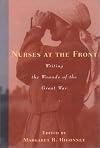
This is a combination of 2 books The Backwash of War and the Forbidden Zone, both were written by American women who nursed the French and occasionally Belgian Armies. The books are far from the usual propaganda about the war, in fact the editor says both were banned because of their frank talk about the casualties and the behaviors of the men. The language is brilliant and the imagery vivid making for many captivating vignettes.
Exerpts from long out of print memoirs of two American nurses at the front during WWI, Ellen La Motte and Mary Borden. Both women describe difficult conditions faced by American nurses at military hospitals. Their perspectives were very different, however. Borden was a Vassar graduate married to an Englishman; a mother an daspiring writer who had never nursed before she volunteered. She is typical of many of the idealistic, upper class women who felt compelled to do something to help during show more the war. La Motte was a professional nurse with administrative experience who was a specialist in tuberculosis. The two women met at a hospital at the front, and became friends. show less
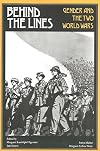
The effect the two world wars had on the relationships between men and women. Higonnet has pulled together a group of essays by different authors which discuss such topics as women's military service in WWI Britain, American women and the democratic family during World War II, Women's Activism during Wartime France, and male gender anxieties during wartime.
You May Also Like


Associated Authors
Statistics
- Works
- 15
- Also by
- 3
- Members
- 262
- Popularity
- #87,813
- Rating
- 3.8
- Reviews
- 7
- ISBNs
- 29