
Olivia Laing
Author of The Lonely City: Adventures in the Art of Being Alone
About the Author
Olivia Laing was awarded the 2018 Windham-Campbell Prize for nonfiction and the 2019 James Tait Black Prize for her debut novel Crudo. She writes for the Guardian, frieze, and New York Times among many other publications. She lives in Suffolk, UK.
Works by Olivia Laing
Den tidlösa trädgården 2 copies
Associated Works
Walking Through Clear Water in a Pool Painted Black, New Edition: Collected Stories (2022) — Introduction, some editions — 122 copies, 1 review
Tagged
Common Knowledge
- Birthdate
- 1977-04-14
- Gender
- non-binary
- Occupations
- author
- Nationality
- UK
- Places of residence
- London, England, UK
New York, New York, USA - Associated Place (for map)
- UK
Members
Reviews
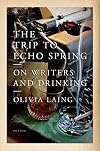
Featuring Hemingway, Fitzgerald, Carver, Cheever, Tennessee Williams, and John Berryman, Olivia Laing follows the literary path and the bottles left in the wake. It's a sad book, on balance, as the extreme talent of these men is offset by their severe mental strain and the herculean self-medicating in which they indulged to dull the pain. The book offers a nice counterbalance to [Max Perkins: Editor of Genius], which sometimes looked at Hemingway and Fitzgerald with rose-colored glasses. show more Lang demolishes any rosiness, exposing the bourbon-tinged truth. Cheever gets a lions' share of the page time, which is a refreshing change given the other company usually attracts the spotlight. And Cheever actually managed to pull himself out of the bottle. It was also nice to learn about John Berryman, who is not a common figure of attention, and was the only poet here. Laing necessarily examines some of the underlying mental difficulties these men faced, and some of the precipitating factors that led them to the booze. And she also examines their published writings for how some of their personal feelings about booze and its effects on them leaked into the fiction. Most interesting, there are several deep dives into journaling and other writings done by the men while in rehabilitation facilities - terribly interesting to see their shifting perceptions as they go through rehab multiple times and come out slightly changed each time.
5 bones!!!!!
Highly recommended. show less
5 bones!!!!!
Highly recommended. show less
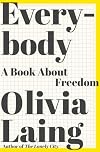
Laing is such a fabulous writer, not only are these essays interesting but they also teach, empathize and she always leave some wanting more. In these she uses Wilhelm Reich to tie these essays together or maybe I should say she uses him to guide us through what freedom for our body actually means.
From Isherwood and Weimar Berlin she explores the sexual freedom that was prominent, where all sexes, what one was or wanted to be was not judged. From freedom to McCarthyism which was almost the show more opposite. From illness, using Sontag and her will not to submit to the cancer eating away at her body, to Agnes Martin, who wanted to escape from people and her mental illness. Malcolm X and Nina Simone, all the different freedoms they wanted but did not have, though they fought for them.
There is so much here, people who found freedom, people who want to take away others freedoms, these essays exemplify both the body's power and it's vulnerability. A truly terrific grouping of essays.
ARC from W. W. Norton and Edelweiss. show less
From Isherwood and Weimar Berlin she explores the sexual freedom that was prominent, where all sexes, what one was or wanted to be was not judged. From freedom to McCarthyism which was almost the show more opposite. From illness, using Sontag and her will not to submit to the cancer eating away at her body, to Agnes Martin, who wanted to escape from people and her mental illness. Malcolm X and Nina Simone, all the different freedoms they wanted but did not have, though they fought for them.
There is so much here, people who found freedom, people who want to take away others freedoms, these essays exemplify both the body's power and it's vulnerability. A truly terrific grouping of essays.
ARC from W. W. Norton and Edelweiss. show less
This is one of those "think I'll read a few pages of this" books that pulled me in and captivated me from start to finish. There's no easy way to categorize this book, as it includes literary criticism, biography, memoir, reflections on addiction and recovery...and much more that I'm not thinking of right now. Laing expertly weaves all this together, looking at the role of addiction in the lives and works of six writers (F. Scott Fitzgerald, Ernest Hemingway, Tennessee Williams, John show more Berryman, John Cheever, Raymond Carver), She never talks down to the reader, nor does she trivialize her subjects; she doesn't oversimplify, but neither does she needlessly complicate matters when a direct approach is needed. She is willing to call out cowardice in these writers' lives and she is also generous in pointing out courage. The book is not only about recovery; it is as if she has internalized the twelve steps within the writing itself, seeking what is true as best she can, behind all of our posturing and all of our justifications and all of our excuses (speaking as an addict in recovery myself). Nicely done. show less
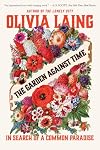
Time has a way of stopping when you’re in a garden. Yet leave that garden, and it will continue on, for better or worse. Should the creator or custodian of the garden move or die, that garden dies too. This was brought home to Olivia Laing when they visited Derek Jarman’s garden after his death. Everything was as it had been before, Keith Collins was still living there, but it felt as if the spark was gone.
Laing had been involved with saving Jarman’s garden, noting that it is a place show more without borders; the distinction between the cultivated flowers and the wild sea kale was deliberately obliterated.
This sort of freeing of the space led them to explore the the tension between the world as it is, and the world as humans desire it to be, often manifested in a micro level as a personal garden, be it a postage stamp or an estate. However, there was also the long history of communal gardens, and the sometimes violent opposition to them as experienced by the seventeenth century Diggers. What was the history behind the ideas of communal garden, and the “patterns of privilege and exclusion” manifested by some in their private garden?.
Laing set out to explore these questions while they themselves worked on restoring the garden which formerly belonged to Mark Rumary and his partner Derek Melville. Rumary had laid out the garden, which had now receded into chaos. Laing chose to look at this not as disorder, but rather as a natural occurrence, seen through a concurrent reading of Paradise Lost.
So many other texts were read and examined by Laing along the way that this is a book which makes the reader want to follow their reading journey. Sebald’s The Rings of Saturn features prominently. Sebald too was fascinated by decline, visiting Somerleyton as the first in stop on his journey, a place which Laing visited too. Utopia, News from Nowhere, and Jarman’s own writings led her to wonder
Laing is careful to examine the financial origins of many of the so called grand estates in England and the US. They look at both the search and mania for new plants as overseas colonies developed, and trace the financial lines between slave owning, slave labour, and the estates developed with the income from them.
If there is a criticism to be made here, it is that Laing probably takes on too much. There’s a sort of “look over here, now look over here” feeling sometimes. So we have the early nineteenth poet John Clare, and twentieth century English homophobia. Yet even if only a few pages, each topic is one which feels well worth pursuing.
All in all, it was a fascinating book. The bibliography alone is work a look.
_______________
Some gardens look like retreats, but they are actually an attack. Ian Hamilton Finlay quoted in The Garden against Time show less
Laing had been involved with saving Jarman’s garden, noting that it is a place show more without borders; the distinction between the cultivated flowers and the wild sea kale was deliberately obliterated.
This sort of freeing of the space led them to explore the the tension between the world as it is, and the world as humans desire it to be, often manifested in a micro level as a personal garden, be it a postage stamp or an estate. However, there was also the long history of communal gardens, and the sometimes violent opposition to them as experienced by the seventeenth century Diggers. What was the history behind the ideas of communal garden, and the “patterns of privilege and exclusion” manifested by some in their private garden?.
Laing set out to explore these questions while they themselves worked on restoring the garden which formerly belonged to Mark Rumary and his partner Derek Melville. Rumary had laid out the garden, which had now receded into chaos. Laing chose to look at this not as disorder, but rather as a natural occurrence, seen through a concurrent reading of Paradise Lost.
So many other texts were read and examined by Laing along the way that this is a book which makes the reader want to follow their reading journey. Sebald’s The Rings of Saturn features prominently. Sebald too was fascinated by decline, visiting Somerleyton as the first in stop on his journey, a place which Laing visited too. Utopia, News from Nowhere, and Jarman’s own writings led her to wonder
What makes a garden such an important constituent of a utopia? It is neither a farm nor a wilderness, though it can push up hard against either of these extremes. This means it betokens more than just utility, encompassing beauty, pleasure and delight, while remaining emphatically a site of labour as well as leisure, a place to please puritans and sybarites alike. {…} If a new model of society is desired, one that attempts to share its burdens and benefits more equably, then the question of the garden becomes very interesting to contemplate.
Laing is careful to examine the financial origins of many of the so called grand estates in England and the US. They look at both the search and mania for new plants as overseas colonies developed, and trace the financial lines between slave owning, slave labour, and the estates developed with the income from them.
If there is a criticism to be made here, it is that Laing probably takes on too much. There’s a sort of “look over here, now look over here” feeling sometimes. So we have the early nineteenth poet John Clare, and twentieth century English homophobia. Yet even if only a few pages, each topic is one which feels well worth pursuing.
All in all, it was a fascinating book. The bibliography alone is work a look.
_______________
Some gardens look like retreats, but they are actually an attack. Ian Hamilton Finlay quoted in The Garden against Time show less
Lists
On Books (1)
Awards


You May Also Like


Associated Authors
Statistics
- Works
- 12
- Also by
- 8
- Members
- 3,725
- Popularity
- #6,800
- Rating
- 3.8
- Reviews
- 105
- ISBNs
- 121
- Languages
- 10
- Favorited
- 4
