
Vivian Gornick
Author of Fierce Attachments: A Memoir
About the Author
Vivian Gornick is a writer and critic whose work has received two National Book Critics Circle Award nominations and been collected in The Best American Essays 2014. Her works include the memoirs Fierce Attachments and The Odd Woman and the City and the classic text on writing The Situation and the show more Story. show less
Works by Vivian Gornick
Taking A Long Look: Essays on Culture, Literature and Feminism in Our Time (2021) 106 copies, 1 review
Gornick, Vivian Archive 1 copy
Associated Works
The Bitch in the House: 26 Women Tell the Truth About Sex, Solitude, Work, Motherhood, and Marriage (2002) — Contributor — 735 copies, 20 reviews
Mirror, Mirror on the Wall: Women Writers Explore Their Favorite Fairy Tales (1998) — Contributor — 312 copies, 4 reviews
The Friend Who Got Away: Twenty Women's True Life Tales of Friendships that Blew Up, Burned Out or Faded Away (2005) — Contributor — 213 copies, 9 reviews
Writers on Writing, 2: More Collected Essays from the New York Times (2003) — Contributor — 200 copies, 3 reviews
Writing Women's Lives: An Anthology of Autobiographical Narratives by Twentieth-Century American Women Writers (1994) — Contributor — 128 copies, 3 reviews
The Glorious American Essay: One Hundred Essays from Colonial Times to the Present (2020) — Contributor — 118 copies
Written by Herself, Volume II: Women's Memoirs from Britain, Africa, Asia, and the United States (1996) — Contributor — 95 copies, 1 review
Here Lies My Heart: Essays on Why We Marry, Why We Don't, and What We Find There (1999) — Contributor — 62 copies, 3 reviews
How I Learned to Cook and Other Writings on Complex Mother-Daughter Relationships (2004) — Contributor — 62 copies
Tagged
Common Knowledge
- Birthdate
- 1935-06-14
- Gender
- female
- Education
- City College of New York
New York University - Occupations
- essayist
memoirist
critic
journalist - Organizations
- Village Voice
The New School - Nationality
- USA
- Birthplace
- The Bronx, New York, USA
- Places of residence
- Manhattan, New York, USA
- Associated Place (for map)
- New York, USA
Members
Reviews
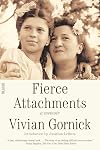
"La relación con mi madre no es buena y, a medida que nuestras vidas se van acumulando, a menudo tengo la sensación de que empeora. Estamos atrapadas en un estrecho canal de familiaridad intenso y vinculante: durante años surge por temporadas un agotamiento, una especie de debilitamiento entre nosotras. Después, la ira brota de nuevo, ardiente y clara, erótica en su habilidad para llamar la atención."
Pocas veces me encuentro con un libro que sea capaz de mostrar la disfuncionalidad de show more la relación madre-hija y, al mismo tiempo, lo fuerte que está puede ser. Generalmente, en la ficción, este tipo de relaciones son idealizadas, mostrando a madres e hijas como grandes amigas que, ocasionalmente, tienen desacuerdos o bien, como complicados nexos durante la infancia/adolescencia que al llegar a la adultez se van reparando, llegando al punto en que no necesariamente es ideal, pero es primordialmente pacífica y cargada de sororidad. Este es el estereotipo, pero las relaciones interpersonales son difíciles y, sí tienes más de 10 años, sabes que el amor no lo puede todo...especialmente cuando rivaliza con otros afectos.
"Una de las dos va a morir a causa de este apego."
Vivian Gornick hace una representación muy humana de como el vínculo sanguíneo no necesariamente lleva a las relaciones más sanas. De manera perfecta muestra como este lazo se entrama con el resto de las afinidades, aquellos que se comunican con Gornick y su madre, y como amistades, amoríos y sueños se convierten en obstáculos para la convivencia.
Todo el contexto de estas mujeres es expuesto para representar porque su relación llegó a ser la que es, como todo se conjuntó para llevar a esta tortura que es el amor que se profesan y como es que se llenaron de resentimiento la una hacia la otra. Es difícil hablar de que este parentesco pueda llegar a este punto, pero sucede. Compartir este tipo de interacción, que no necesariamente es la predominante pero, según mi experiencia, es más común de lo que parece, es romper con el mito, destrozar una fantasía: todos queremos sentir que los nexos irrompibles son los que más nos benefician, los que más nos aportan y los que más nos apoyan, pero no siempre es así y reconocerlo es prácticamente un tabú tan grande que ni siquiera nos atrevemos a aceptar que esto pasa.
Es ahí donde encuentro la importancia de este libro, aún cuando creo que no muchos puedan congeniar con lo que establece, es una conversación que es necesario plantearse al menos a uno mismo: ¿Cómo reconocer que hay obstáculos en la, debería de ser, nuestra relación más importante e influyente? ¿Cómo aceptar con buen agrado que la familia puede ser tóxica? Estas son preguntas que fueron creándose en mi cabeza al notar que lo que narraba Gornik llegaba a incomodarme, ese saltarse la norma y lo bello, para dar paso a una realidad escasa y desagradable puede llegar a ser desgarrador.
Más allá de la historia, hay algo que no se puede negar es lo bien que escribe Gornick. Esta mujer es brutal en la forma que narra, cada frase provoca la alegría, el dolor o el placer de lo que esta descrito; cada persona, inclusive aquellas que tienen poca relevancia, demuestra su valor para la vida de estas mujeres y cada lugar tiene su razón de ser. En pocas palabras, como debió de ser, dado que esto es una autobiografía (con algo de ficción, sí recuerdo correctamente).
Súper recomendado.
"Con una voz sorprendentemente libre de emoción [...] me pregunta:
-¿Por qué no te vas ya?¿Por qué no te apartas de mi vida? No voy a detenerte.
Veo la luz, oigo la calle. La mitad de mi está dentro; la otra mitad, fuera.
-Ya sé que no, mamá" show less
Pocas veces me encuentro con un libro que sea capaz de mostrar la disfuncionalidad de show more la relación madre-hija y, al mismo tiempo, lo fuerte que está puede ser. Generalmente, en la ficción, este tipo de relaciones son idealizadas, mostrando a madres e hijas como grandes amigas que, ocasionalmente, tienen desacuerdos o bien, como complicados nexos durante la infancia/adolescencia que al llegar a la adultez se van reparando, llegando al punto en que no necesariamente es ideal, pero es primordialmente pacífica y cargada de sororidad. Este es el estereotipo, pero las relaciones interpersonales son difíciles y, sí tienes más de 10 años, sabes que el amor no lo puede todo...especialmente cuando rivaliza con otros afectos.
"Una de las dos va a morir a causa de este apego."
Vivian Gornick hace una representación muy humana de como el vínculo sanguíneo no necesariamente lleva a las relaciones más sanas. De manera perfecta muestra como este lazo se entrama con el resto de las afinidades, aquellos que se comunican con Gornick y su madre, y como amistades, amoríos y sueños se convierten en obstáculos para la convivencia.
Todo el contexto de estas mujeres es expuesto para representar porque su relación llegó a ser la que es, como todo se conjuntó para llevar a esta tortura que es el amor que se profesan y como es que se llenaron de resentimiento la una hacia la otra. Es difícil hablar de que este parentesco pueda llegar a este punto, pero sucede. Compartir este tipo de interacción, que no necesariamente es la predominante pero, según mi experiencia, es más común de lo que parece, es romper con el mito, destrozar una fantasía: todos queremos sentir que los nexos irrompibles son los que más nos benefician, los que más nos aportan y los que más nos apoyan, pero no siempre es así y reconocerlo es prácticamente un tabú tan grande que ni siquiera nos atrevemos a aceptar que esto pasa.
Es ahí donde encuentro la importancia de este libro, aún cuando creo que no muchos puedan congeniar con lo que establece, es una conversación que es necesario plantearse al menos a uno mismo: ¿Cómo reconocer que hay obstáculos en la, debería de ser, nuestra relación más importante e influyente? ¿Cómo aceptar con buen agrado que la familia puede ser tóxica? Estas son preguntas que fueron creándose en mi cabeza al notar que lo que narraba Gornik llegaba a incomodarme, ese saltarse la norma y lo bello, para dar paso a una realidad escasa y desagradable puede llegar a ser desgarrador.
Más allá de la historia, hay algo que no se puede negar es lo bien que escribe Gornick. Esta mujer es brutal en la forma que narra, cada frase provoca la alegría, el dolor o el placer de lo que esta descrito; cada persona, inclusive aquellas que tienen poca relevancia, demuestra su valor para la vida de estas mujeres y cada lugar tiene su razón de ser. En pocas palabras, como debió de ser, dado que esto es una autobiografía (con algo de ficción, sí recuerdo correctamente).
Súper recomendado.
"Con una voz sorprendentemente libre de emoción [...] me pregunta:
-¿Por qué no te vas ya?¿Por qué no te apartas de mi vida? No voy a detenerte.
Veo la luz, oigo la calle. La mitad de mi está dentro; la otra mitad, fuera.
-Ya sé que no, mamá" show less
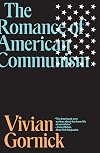
this book resonated with me from the first, as gornick describes being a "red diaper baby" - an unattractive phrase meaning she was raised by communists. girl, same. though my family's communism looks so different to gornick's, both generationally and geographically, i felt that thread of need in her writing, of wanting to understand the political forces that came before her, that shaped her own political engagement. in that sense, i found this immensely satisfying; also in the sense that it show more covered a period of communist and american history where i had holes in my knowledge, and now no longer. in the new introduction, written in 2019, gornick laments that her prose was so overblown and dramatic. but it feels so right for a book about "romance" - that is, the deep stirring of the soul that's drawn to a political life. to me, her prose was just right. it certainly stirred something in me. through reading this, i feel more connected to my politics *in myself* than ever; beyond simply an understanding of my world. compelling stuff. the oral histories are gripping, the people we meet are such fascinating figures. there were stories that shocked me, or made me deeply emotional. a masterwork. show less
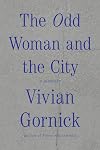
My third Gornick and I just have to ask myself, what took so long to find her? Like Laing, she writes about people and how they interact. Gornick lives in NYC and walks the streets of the city to find so many interesting things to talk about. As she walks, she absorbs the drama, humor and humanity on the streets and writes about it using absolutely beautiful prose. On top of that she throws in discussions about authors that I love and authors I would like to get to know. I now know I have to show more read George Gissing's The Odd Women and Thomas Hardy's Jude the Obscure. And every book she writes is like that. Highly recommended. show less
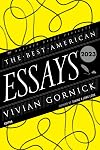
The Best American Essays 2023, edited by Vivian Gornick, collects twenty-one of the best essays, all of which give the reader some insight into life, often life as we may not ever experience it.
Any anthology is a representation of the editor's tastes, even when she may be open to including an essay because it is "so indisputably well written." I tend to think of this as a positive since it usually leads to a cohesion that isn't based solely on theme or topic. This collection is an ideal show more example. These are based, as most good essays are, on lived experience. That lived experience is always within a society, a family, and/or other imposed structures, so they reflect those structures as well as the person.
I saw someone claim there was too much grief in this collection. Don't accept such a basic overstatement and oversimplification. There is some grief here, but there is also a lot of hopefulness, another quality that same person didn't see here. We all understand narratives differently, such is the nature of humanity. When a weakness or flaw in society is highlighted through personal experience, especially that which questions one's own role, I find hopefulness as well as sadness, or in a few cases anger. When someone comes to understand something better, even if through less than events, there is a positive there. And by sharing that, it becomes a positive for all of us to grow from. Unless you insist you want just rose-colored glasses types of essays, in which case you just lament you didn't leave every essay feeling great. Go figure.
Not every essay will speak to every reader the same, so I won't claim you'll love all of them. I will say that if you approach each one with an open mind and open heart, you will be moved by all of them. Some more than others, but they all offer us the opportunity to step outside whatever our norm is and try to understand a different shading to our world. Embrace it, and maybe even think about ways to make things better, or at least not contribute to making them worse.
If you use collections, whether of essays or stories, as brief daily excursions when you don't have time to dive back into a longer work you're reading, this will be an excellent option. I found myself thinking about what I read as I went back to my other tasks or going to bed. I appreciate an essay that doesn't end for me when I finish reading.
Reviewed from a copy made available by the publisher via NetGalley. show less
Any anthology is a representation of the editor's tastes, even when she may be open to including an essay because it is "so indisputably well written." I tend to think of this as a positive since it usually leads to a cohesion that isn't based solely on theme or topic. This collection is an ideal show more example. These are based, as most good essays are, on lived experience. That lived experience is always within a society, a family, and/or other imposed structures, so they reflect those structures as well as the person.
I saw someone claim there was too much grief in this collection. Don't accept such a basic overstatement and oversimplification. There is some grief here, but there is also a lot of hopefulness, another quality that same person didn't see here. We all understand narratives differently, such is the nature of humanity. When a weakness or flaw in society is highlighted through personal experience, especially that which questions one's own role, I find hopefulness as well as sadness, or in a few cases anger. When someone comes to understand something better, even if through less than events, there is a positive there. And by sharing that, it becomes a positive for all of us to grow from. Unless you insist you want just rose-colored glasses types of essays, in which case you just lament you didn't leave every essay feeling great. Go figure.
Not every essay will speak to every reader the same, so I won't claim you'll love all of them. I will say that if you approach each one with an open mind and open heart, you will be moved by all of them. Some more than others, but they all offer us the opportunity to step outside whatever our norm is and try to understand a different shading to our world. Embrace it, and maybe even think about ways to make things better, or at least not contribute to making them worse.
If you use collections, whether of essays or stories, as brief daily excursions when you don't have time to dive back into a longer work you're reading, this will be an excellent option. I found myself thinking about what I read as I went back to my other tasks or going to bed. I appreciate an essay that doesn't end for me when I finish reading.
Reviewed from a copy made available by the publisher via NetGalley. show less
Lists
Awards


You May Also Like


Associated Authors
Statistics
- Works
- 19
- Also by
- 18
- Members
- 3,304
- Popularity
- #7,744
- Rating
- 3.8
- Reviews
- 76
- ISBNs
- 144
- Languages
- 10
- Favorited
- 2