
Mohamed Choukri
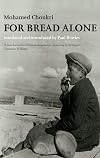
Author of For Bread Alone
About the Author
Image credit: from web site: myamazighen.wordpress.com
Works by Mohamed Choukri
La seducción del mirlo blanco: Textos sobre mi experiencia con la lectura y la escritura (2020) 4 copies
الخيمة 2 copies
Writing Tangier : conference proceedings : in memoriam Mohammed Choukri, 26-28 November, 2004, Tangier (2005) 2 copies
الشطار (Arabic Edition) 1 copy
hongerjaren 1 copy
الخبز الحافي 1 copy
Il cadavere strano. Racconto 1 copy
Associated Works
Tagged
Common Knowledge
- Canonical name
- Choukri, Mohamed
- Legal name
- شكري، محمد
- Other names
- ⵎⵓⵃⴰⵎⵎⴻⴷ ⵛⵓⴽⵔⵉ
- Birthdate
- 1935-07-15
- Date of death
- 2003-11-15
- Gender
- male
- Occupations
- writer
autobiographer - Cause of death
- cancer
- Nationality
- Morocco
- Birthplace
- Had, Bni Chiker, Rif, Morocco
- Places of residence
- Tangier, Morocco
- Map Location
- Morocco
Members
Reviews
In all honesty, I don’t know how to react to this book or to the life story it tells. The very first page seats us in the story; there is death, starvation, and desperation. Young Mohamed Choukri is crying for bread, his brother is sick, his father is beating him. His mother, like so many women in the books we’ve read is helpless, she admonishes Mohamed to be quiet like his brother, his sick brother. Still, nothing prepared me for Mohamed’s search through the garbage dumps for food and show more his frank exchange with another boy “covered in ringworm…scarred with sores” about how “Nazarene garbage is the best” (11).
Page 11 is the third page of the story. On page 12 the unthinkable—at least to my eyes—happens: Mohamed’s violent father murders his sick brother. The way it is related seems callous, cold, and it seems very little different from Mohamed’s attempts to kill (an already dead) hen on the previous page. It’s impossible to miss the message about what one does under conditions of abject poverty. We don’t know why his father kills his brother, but we can see that poverty was the trigger.
Mohamed’s life revolves around satisfying his most basic of needs. As a child that need is food, then shelter, then, as he ages, sex and the escape his vices of alcohol and kif bring him. It would be simple to say that Mohamed has no limitations, no moral compass, that there is nothing he will not do, but that wouldn’t be exactly true. He is bound, if not by his own morals or preferences, by the limitations society places on him. As a starving child he finds a dead hen then brings it home to his family. He “kills” it the way he’d seen others kill live hens and he attempts to do everything correctly to prepare this food for eating. His mother doesn’t allow him to eat it because it’s carrion and people don’t eat carrion. Not long after he picks rosemary for he and his mother to eat and when she finds out he’s picked it from a graveyard she takes it away because “you’re not supposed to eat anything that grows in a cemetery” (19). Mohamed would have eaten both the hen and the rosemary, because he was starving, but his mother would not because society told her it was wrong.
This book was scandalous because of the amount of sex contained in its pages. For me, what was scandalous was not the amount of sex but the reasons Mohamed engaged in sexual activity and the emotions (or lack thereof) he demonstrated while doing so. The sexual acts being all about Mohamed and treating the women as props can be partially excused by the first person point of view and by Mohamed as an unreliable narrator. I don’t think that fully excuses it, and the first person point of view actually enhances the disturbing nature of Mohamed’s violent sexual fantasies and acts.
Like many young boys, I’d imagine, Mohamed fantasizes about the women he encounters in his life. His stealing of Asiya’s clothes while she is swimming naked can be excused as the mischievousness (and relative lack of conscience) demonstrated by boys of that age. But his experiments with Fatima, where he “slap(s) her cheek to hear the sound it makes” (37) and his rape fantasies about Sallafa show a more disturbing side to his nature, one where sex is about power, not love. His learning he can make money by allowing men to fellate him only contributes to this idea by showing him that sex is something one does in exchange for something else, something that benefits one person, not both.
From the title it’s clear that bread—and what one might do for bread (food, survival)—is very important to this story. As a young, starving boy, Mohamed dives into the water to get a piece of bread thrown there by a fisherman. He finds himself surrounded by “lumps of shit” (93) and the bread is “sticky with oil from the boats” (93). This is a traumatic experience for him, and at the end of it when he drags himself back to shore, the ideas of “bread and shit” connected in his mind, the fisherman yells after him to come back, that it was only a joke. Perhaps to the fisherman it was, but what kind of joke is that to play on a starving child, to see how far he will go, how low he will sink? That isn’t the first time someone uses food to punish and harm Mohamed. Earlier, angry because Mohamed wouldn’t eat with the family, his father forces him to eat everything the family had for their meal, resulting in his needing his stomach pumped. Food, to him, becomes more than something needed for survival. It’s something controlled by others, something that can be taken away out of anger or on a whim.
Seeing his fellow inmate crumble his bread into the latrine and having Zailachi say “it’s his business” was a pivotal moment for Mohamed, coming as it does near the moments where he begins to learn letters and memorizes lines of poetry. “I tell you I’m free” (181) the bread-crumbler yells when confronted by others. Bread (food, life) can be under your own control, if you only have the knowledge to make it so. show less
Page 11 is the third page of the story. On page 12 the unthinkable—at least to my eyes—happens: Mohamed’s violent father murders his sick brother. The way it is related seems callous, cold, and it seems very little different from Mohamed’s attempts to kill (an already dead) hen on the previous page. It’s impossible to miss the message about what one does under conditions of abject poverty. We don’t know why his father kills his brother, but we can see that poverty was the trigger.
Mohamed’s life revolves around satisfying his most basic of needs. As a child that need is food, then shelter, then, as he ages, sex and the escape his vices of alcohol and kif bring him. It would be simple to say that Mohamed has no limitations, no moral compass, that there is nothing he will not do, but that wouldn’t be exactly true. He is bound, if not by his own morals or preferences, by the limitations society places on him. As a starving child he finds a dead hen then brings it home to his family. He “kills” it the way he’d seen others kill live hens and he attempts to do everything correctly to prepare this food for eating. His mother doesn’t allow him to eat it because it’s carrion and people don’t eat carrion. Not long after he picks rosemary for he and his mother to eat and when she finds out he’s picked it from a graveyard she takes it away because “you’re not supposed to eat anything that grows in a cemetery” (19). Mohamed would have eaten both the hen and the rosemary, because he was starving, but his mother would not because society told her it was wrong.
This book was scandalous because of the amount of sex contained in its pages. For me, what was scandalous was not the amount of sex but the reasons Mohamed engaged in sexual activity and the emotions (or lack thereof) he demonstrated while doing so. The sexual acts being all about Mohamed and treating the women as props can be partially excused by the first person point of view and by Mohamed as an unreliable narrator. I don’t think that fully excuses it, and the first person point of view actually enhances the disturbing nature of Mohamed’s violent sexual fantasies and acts.
Like many young boys, I’d imagine, Mohamed fantasizes about the women he encounters in his life. His stealing of Asiya’s clothes while she is swimming naked can be excused as the mischievousness (and relative lack of conscience) demonstrated by boys of that age. But his experiments with Fatima, where he “slap(s) her cheek to hear the sound it makes” (37) and his rape fantasies about Sallafa show a more disturbing side to his nature, one where sex is about power, not love. His learning he can make money by allowing men to fellate him only contributes to this idea by showing him that sex is something one does in exchange for something else, something that benefits one person, not both.
From the title it’s clear that bread—and what one might do for bread (food, survival)—is very important to this story. As a young, starving boy, Mohamed dives into the water to get a piece of bread thrown there by a fisherman. He finds himself surrounded by “lumps of shit” (93) and the bread is “sticky with oil from the boats” (93). This is a traumatic experience for him, and at the end of it when he drags himself back to shore, the ideas of “bread and shit” connected in his mind, the fisherman yells after him to come back, that it was only a joke. Perhaps to the fisherman it was, but what kind of joke is that to play on a starving child, to see how far he will go, how low he will sink? That isn’t the first time someone uses food to punish and harm Mohamed. Earlier, angry because Mohamed wouldn’t eat with the family, his father forces him to eat everything the family had for their meal, resulting in his needing his stomach pumped. Food, to him, becomes more than something needed for survival. It’s something controlled by others, something that can be taken away out of anger or on a whim.
Seeing his fellow inmate crumble his bread into the latrine and having Zailachi say “it’s his business” was a pivotal moment for Mohamed, coming as it does near the moments where he begins to learn letters and memorizes lines of poetry. “I tell you I’m free” (181) the bread-crumbler yells when confronted by others. Bread (food, life) can be under your own control, if you only have the knowledge to make it so. show less

“In Tangier, everything is surreal and everything is possible” says Moroccan writer Mohamed Choukri. Perhaps that’s why writers, artists and musicians began going there in the 1950s and beyond, to capture the magic.
In this collection, originally three separate works, Choukri writes about his encounters, and even friendships, with Jean Genet, Tennessee Williams and Paul Bowles. He writes about both Paul and Jane Bowles, “Both of them believed that living was only possible if one show more mythologized one’s life,” but only Paul gets a chapter.
Jean Genet: “I hate all governments. I’m not welcome in the United States, for instance, because of my homosexuality and because of my criminal record. As if there were no ex-convicts or homosexuals in the United States!” And “The police have never been human, and the day they become human they’ll no longer be police.”
Choukri thought Tennessee Williams was happier than his writing. Williams invites him to visit in Key West, despite some misgivings, “If he does come, do you think he’ll destroy me?” and encourages his writing. Williams: “It would be better to be dead than to have to live surrounded only by stupid people.”
Choukri led a life of petty crime when younger and taught himself to read and write at twenty. As he meets these successful writers he compares them to their writing and tries to see what makes them tick. You can see him measuring himself against them as he strives to establish himself as a writer. And he does, with some success. show less
In this collection, originally three separate works, Choukri writes about his encounters, and even friendships, with Jean Genet, Tennessee Williams and Paul Bowles. He writes about both Paul and Jane Bowles, “Both of them believed that living was only possible if one show more mythologized one’s life,” but only Paul gets a chapter.
Jean Genet: “I hate all governments. I’m not welcome in the United States, for instance, because of my homosexuality and because of my criminal record. As if there were no ex-convicts or homosexuals in the United States!” And “The police have never been human, and the day they become human they’ll no longer be police.”
Choukri thought Tennessee Williams was happier than his writing. Williams invites him to visit in Key West, despite some misgivings, “If he does come, do you think he’ll destroy me?” and encourages his writing. Williams: “It would be better to be dead than to have to live surrounded only by stupid people.”
Choukri led a life of petty crime when younger and taught himself to read and write at twenty. As he meets these successful writers he compares them to their writing and tries to see what makes them tick. You can see him measuring himself against them as he strives to establish himself as a writer. And he does, with some success. show less

So much shit, piss, bodily fluids, misogyny and toxic masculinity! Ick! 🤢
Is it critique? Is it observation & testament? Is it holding up a mirror to the underclass of society, (venereal) warts and all? Is it complicit with the abuses? I don't know. I've stomached walks on the wild side with Algren & Lou Reed, but I can't swim any further through Choukri's sewer. Perhaps I'm too pampered and privileged for the realities of Tangier 🤷🏻♂️
Is it critique? Is it observation & testament? Is it holding up a mirror to the underclass of society, (venereal) warts and all? Is it complicit with the abuses? I don't know. I've stomached walks on the wild side with Algren & Lou Reed, but I can't swim any further through Choukri's sewer. Perhaps I'm too pampered and privileged for the realities of Tangier 🤷🏻♂️
سيرة ذاتية روائية للكاتب ترجمت إلى الفرنسية والاسبانية قبل أن تجد طريقها إلى القارئ العربي. موضوع القصة صعب يصور الحياة البائسة لأفراد يعيشون على هامش المجتمع المغربي.
القاص هو صبي فتح عينيه في الحياة على أب قاس عاطل عن العمل وأم مستكينة خاضعة لسلطة هذا الأب التي يفرضها show more بوحشيته وعنفه. محمد يعيش بدوره على هامش الحياة متلقفاً العمل البدني الوضيع أو محترفاً التهريب والسرقة. ما يكسب بالأعمال الوضيعة والدنيئة يصرفه على السكر وتدخين الكيف وبيوت الدعارة، فكان كل ما تعلمه من الحياة شريعة الغاب وأن يحمي نفسه بذراعه.
قراءة هذه الكتاب ليست سهلة فهو يصف بصراحة عجيبة حياته المبتذلة وخلوها من احترام الذات واحترام الآخرين، وتصويره للمجتمع وللنساء سلبي إلى أبعد الدرجات ولكنه طبعاً وليد البيئة البائسة التي لا تترك للمرء أي فرصة لتهذيب الذات فلا صوت إلا صوت الجوع والغرائز.
التصوير الصريح كان سبباً لمقاطعة هذه الرواية في بعض الدول العربية ومحاربتها ولكن إنكار أسلوبها الفج لا يعني أن القصص التي ترويها لا تحدث بعيداً عن أنظارنا، ولكننا نحن العرب نكره أن ننظر إلى عوراتنا ومواضع ضعفنا مع أن إخفاءها لا يلغي وجودها.
راوي القصة وجد طريقه من هذا الضياع حين التحق بالدراسة متأخراً (في سن العشرين) ووجد بعد ذلك الشجاعة في أن يقول كلمته وألا ينكر بدايته الوضيعة، وفي رأيي أن ما أنقذه من كل هذا ليست الكلمة أو قصيدة إرادة الحياة التي حفظها في زنزانة سجنه بل هو قدرته على التساؤل والمحاكمة العقلية، ففي كل خطوة من خطوات حياته السائرة حتماً نحو الضياع كان لديه فضول التساؤل ولم يقبل بشكل مطلق مفردات الضياع في حياته، لا تسلط ووعنف والده ولا استغلال أقوياء الأوغاد له كصبي ضعيف ولا مسلمات جهله وأميته وهذا في رأيي ما ساهم في إنقاذه من جادة اللا رجوع التي انتهى إليها كل رفقاء درب روايته.
الجملة الأولى في الرواية ربما تلخص سبب كتابته لها ولماذا لم يخجل من تصوير ما صوره:
لقد علمتني الحياة أن أنتظر. أن أعي لعبة الزمن بدون أن أتنازل عن عمق ما استحصدته: قل كلمتك قبل أن تموت فإنها ستعرف، حتماً، طريقها. لا يهم ما ستؤول إليه. الأهم هو أن تشعل عاطفة، أو حزناً أو نزوة غافية... أن تشعل لهيباً في المناطق اليباب الموات. show less
القاص هو صبي فتح عينيه في الحياة على أب قاس عاطل عن العمل وأم مستكينة خاضعة لسلطة هذا الأب التي يفرضها show more بوحشيته وعنفه. محمد يعيش بدوره على هامش الحياة متلقفاً العمل البدني الوضيع أو محترفاً التهريب والسرقة. ما يكسب بالأعمال الوضيعة والدنيئة يصرفه على السكر وتدخين الكيف وبيوت الدعارة، فكان كل ما تعلمه من الحياة شريعة الغاب وأن يحمي نفسه بذراعه.
قراءة هذه الكتاب ليست سهلة فهو يصف بصراحة عجيبة حياته المبتذلة وخلوها من احترام الذات واحترام الآخرين، وتصويره للمجتمع وللنساء سلبي إلى أبعد الدرجات ولكنه طبعاً وليد البيئة البائسة التي لا تترك للمرء أي فرصة لتهذيب الذات فلا صوت إلا صوت الجوع والغرائز.
التصوير الصريح كان سبباً لمقاطعة هذه الرواية في بعض الدول العربية ومحاربتها ولكن إنكار أسلوبها الفج لا يعني أن القصص التي ترويها لا تحدث بعيداً عن أنظارنا، ولكننا نحن العرب نكره أن ننظر إلى عوراتنا ومواضع ضعفنا مع أن إخفاءها لا يلغي وجودها.
راوي القصة وجد طريقه من هذا الضياع حين التحق بالدراسة متأخراً (في سن العشرين) ووجد بعد ذلك الشجاعة في أن يقول كلمته وألا ينكر بدايته الوضيعة، وفي رأيي أن ما أنقذه من كل هذا ليست الكلمة أو قصيدة إرادة الحياة التي حفظها في زنزانة سجنه بل هو قدرته على التساؤل والمحاكمة العقلية، ففي كل خطوة من خطوات حياته السائرة حتماً نحو الضياع كان لديه فضول التساؤل ولم يقبل بشكل مطلق مفردات الضياع في حياته، لا تسلط ووعنف والده ولا استغلال أقوياء الأوغاد له كصبي ضعيف ولا مسلمات جهله وأميته وهذا في رأيي ما ساهم في إنقاذه من جادة اللا رجوع التي انتهى إليها كل رفقاء درب روايته.
الجملة الأولى في الرواية ربما تلخص سبب كتابته لها ولماذا لم يخجل من تصوير ما صوره:
لقد علمتني الحياة أن أنتظر. أن أعي لعبة الزمن بدون أن أتنازل عن عمق ما استحصدته: قل كلمتك قبل أن تموت فإنها ستعرف، حتماً، طريقها. لا يهم ما ستؤول إليه. الأهم هو أن تشعل عاطفة، أو حزناً أو نزوة غافية... أن تشعل لهيباً في المناطق اليباب الموات. show less
Lists
Awards


You May Also Like


Associated Authors
Statistics
- Works
- 33
- Also by
- 4
- Members
- 771
- Popularity
- #33,005
- Rating
- 3.7
- Reviews
- 27
- ISBNs
- 95
- Languages
- 12
- Favorited
- 1