
Jennifer McVeigh
Author of The Fever Tree
Works by Jennifer McVeigh
Tagged
Common Knowledge
- Gender
- female
Members
Reviews
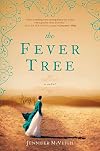
The Fever Tree by Jennifer McVeigh is a novel of historical fiction that is set in South Africa during the 1880s. It is the story of Frances Irvine who, after growing up in a life of privilege, finds herself destitute after the death of her father. She accepts an offer of marriage to a young doctor who she has never particularly cared for. She soon finds herself emigrating to Africa to join him.
On board ship headed for Cape Town, she meets and falls in love with William Westwood but although show more he declares his love for her, he walks away due to the urging of his wealthy cousin. Her new husband, Dr. Edwin Matthews, is a seemingly cold and unemotional man whose passion seems to be reserved for fighting the epidemic of smallpox that officials in Kimberly are covering up in order not to disturb the flow of diamonds. Frances is ill-prepared for her new life and makes many mistakes, the biggest by far is under-estimating her husband and thinking that William Westwood would be a better match for her.
I was totally absorbed by The Fever Tree finding it compelling, interesting and evocative. The African setting is brought to life vividly and the story of love, betrayal and loss was believable and touching. The descriptions of the smallpox epidemic and the greed of the diamond merchants is brought to life with such powerful images that I found it hard to believe that this is a debut novel. I look forward to reading more from this author. show less
On board ship headed for Cape Town, she meets and falls in love with William Westwood but although show more he declares his love for her, he walks away due to the urging of his wealthy cousin. Her new husband, Dr. Edwin Matthews, is a seemingly cold and unemotional man whose passion seems to be reserved for fighting the epidemic of smallpox that officials in Kimberly are covering up in order not to disturb the flow of diamonds. Frances is ill-prepared for her new life and makes many mistakes, the biggest by far is under-estimating her husband and thinking that William Westwood would be a better match for her.
I was totally absorbed by The Fever Tree finding it compelling, interesting and evocative. The African setting is brought to life vividly and the story of love, betrayal and loss was believable and touching. The descriptions of the smallpox epidemic and the greed of the diamond merchants is brought to life with such powerful images that I found it hard to believe that this is a debut novel. I look forward to reading more from this author. show less
In 1880s London society, a young, wealthy girl’s options were few. When Frances Irvine suddenly finds herself a poor orphan, her limited options become even fewer. Enter Dr. Edwin Matthews, the gentlemen doctor and distant cousin who offers her his hand in marriage and a life in the south African colonies. With little choice, Frances accepts his proposal and finds herself immersed in a world for which she is both mentally and physically unprepared. Jennifer McVeigh’s The Fever Tree show more follows Frances from London to Africa and from the veldt to the diamond mines. Along the way, she discovers passion, depravity, greed, a shocking disregard for human life, and an extremely circuitous and lengthy journey to happiness.
Much like Scarlett, Frances is an extremely polarizing character. She is meant to be a highly flawed character as the story follows her personal growth alongside the tragedy unfolding around her. She is predictable and spoiled; she makes some truly awful decisions, and her self-centeredness is at times appalling. Some readers might not be able to overlook her continued poor decision-making and her constant need to play the victim of her circumstances, while others will be able to look past that and focus on the character she becomes. Still others will find her shift in demeanor and attitude rather abrupt and more of a convenient, and predictable, plot device than a realistic change. However, one’s enjoyment of the novel does not hinge on the likeability of the main character. The Fever Tree is a sum of its parts, of which Frances is just one portion.
Any discussion about The Fever Tree would be incomplete without discussing the similarities between it and Gone With The Wind; even the publishers mention the likeness. This is not to say that the two stories are exactly the same, but the parallels exist. Frances is a spoiled, naïve girl compelled by outside forces to grow up, and the route she takes to do so is extremely unconventional. There are two men in her life – one the placid intellectual, the other the dashing roué. Frances’ choice is ultimately the wrong one, and she must suffer the consequences. The scope of The Fever Tree is also similar in that both take place in areas and during times of extreme turmoil and danger. Just like Scarlett eventually adjusts to the new world brought by the Civil War, Frances must adjust to the dangers and lack of conventions found in southern Africa.
While readers might feel that nagging sense of familiarity throughout the novel, The Fever Tree does a remarkable job of standing upon its own laurels. Its presentation of the African diamond mines in the 1880s as well as their supporting towns is breathtaking in its brutal clarity, while the scenes that occur in the veldt are stunning in their starkness. Both locations were harsh, unforgiving, and downright dangerous to those unable or unwilling to adapt. Ms. McVeigh also takes a no-holds-barred approach to the political machinations and the ruling entrepreneurs running the mines. The cold-blooded greed, fueled by racism, is horrifying and yet not surprising given how little has really changed in the subsequent decades. While racism and poor working conditions are no surprise to any student of history, what is shocking is the heart of The Fever Tree – the smallpox epidemic hidden by the mines’ owners in order to protect their economic interest. This portion of the novel is absolutely fascinating with its exploration of the scope of the conspiracy and the fact that it completely negates ordinary reactions in times of medical crisis.
In spite of its flaws – its predictability, its clichéd and fairly unlikeable characters - readers will still marvel at the ambition and scope behind The Fever Tree. It is not just a personal growth story about a young girl of privilege. It is really a story about the diamond mines and the immense personal tragedy surrounding them. All of the characters’ actions revolve around the mines in some fashion, and Frances’ fate is directly tied to them. The little-known true story about the epidemic cover-up makes for a tragic and highly compelling backdrop against which Frances searches for her path in life. show less
Much like Scarlett, Frances is an extremely polarizing character. She is meant to be a highly flawed character as the story follows her personal growth alongside the tragedy unfolding around her. She is predictable and spoiled; she makes some truly awful decisions, and her self-centeredness is at times appalling. Some readers might not be able to overlook her continued poor decision-making and her constant need to play the victim of her circumstances, while others will be able to look past that and focus on the character she becomes. Still others will find her shift in demeanor and attitude rather abrupt and more of a convenient, and predictable, plot device than a realistic change. However, one’s enjoyment of the novel does not hinge on the likeability of the main character. The Fever Tree is a sum of its parts, of which Frances is just one portion.
Any discussion about The Fever Tree would be incomplete without discussing the similarities between it and Gone With The Wind; even the publishers mention the likeness. This is not to say that the two stories are exactly the same, but the parallels exist. Frances is a spoiled, naïve girl compelled by outside forces to grow up, and the route she takes to do so is extremely unconventional. There are two men in her life – one the placid intellectual, the other the dashing roué. Frances’ choice is ultimately the wrong one, and she must suffer the consequences. The scope of The Fever Tree is also similar in that both take place in areas and during times of extreme turmoil and danger. Just like Scarlett eventually adjusts to the new world brought by the Civil War, Frances must adjust to the dangers and lack of conventions found in southern Africa.
While readers might feel that nagging sense of familiarity throughout the novel, The Fever Tree does a remarkable job of standing upon its own laurels. Its presentation of the African diamond mines in the 1880s as well as their supporting towns is breathtaking in its brutal clarity, while the scenes that occur in the veldt are stunning in their starkness. Both locations were harsh, unforgiving, and downright dangerous to those unable or unwilling to adapt. Ms. McVeigh also takes a no-holds-barred approach to the political machinations and the ruling entrepreneurs running the mines. The cold-blooded greed, fueled by racism, is horrifying and yet not surprising given how little has really changed in the subsequent decades. While racism and poor working conditions are no surprise to any student of history, what is shocking is the heart of The Fever Tree – the smallpox epidemic hidden by the mines’ owners in order to protect their economic interest. This portion of the novel is absolutely fascinating with its exploration of the scope of the conspiracy and the fact that it completely negates ordinary reactions in times of medical crisis.
In spite of its flaws – its predictability, its clichéd and fairly unlikeable characters - readers will still marvel at the ambition and scope behind The Fever Tree. It is not just a personal growth story about a young girl of privilege. It is really a story about the diamond mines and the immense personal tragedy surrounding them. All of the characters’ actions revolve around the mines in some fashion, and Frances’ fate is directly tied to them. The little-known true story about the epidemic cover-up makes for a tragic and highly compelling backdrop against which Frances searches for her path in life. show less
A most enjoyable debut historical novel, set in upper-middle-class London and colonial South Africa in 1880. Frances Irvine, left without any good options by the death of her bankrupt father, agrees to marry a man she has no feelings for and sets off for South Africa. Aboard the ship, however, another man, very much unlike her husband-to-be, catches her eye, and a novel ensues. While the general narrative arc may be somewhat expected, McVeigh's writing is a delight to read, and she does a show more marvelous job at setting the scene, probably unfamiliar to most.
Enlivened by historical detail and all-too-human (and thus not always like-able) characters, this is a book to savor, written by an author to watch. show less
Enlivened by historical detail and all-too-human (and thus not always like-able) characters, this is a book to savor, written by an author to watch. show less

Someone gave me this galley because of my interest in Kenya. Looking at the cover and blurb, I took it for a historical romance with Kenya's Mau Mau period as background and expected not to like it much. I was pleasantly surprised. McVeigh has taken the time to do careful research as her detailed descriptions and historical accuracy clearly show. Furthermore, the story of Rachel Fullsmith, who returns to Kenya at 18 after six years at school in England to find her father has remarried after show more her mother's tragic death and the idyllic farm she dreamed of returning to is rife with tension, both from the jealous and controlling behavior of her stepmother towards everyone, including her own son, Harold, and from the fear and confusion caused by Kenya's Mau Mau resistance movement. Rachel finds the clear loyalties what appeared to her as a child as peaceful coexistence between her family and their laborers either never really existed at all or has been destroyed. The treatment of the subject is nuanced and careful. A good read. show less
Lists
Awards


You May Also Like


Statistics
- Works
- 3
- Members
- 702
- Popularity
- #36,076
- Rating
- 3.7
- Reviews
- 64
- ISBNs
- 38
- Languages
- 5
