
Kahlil Gibran (1883–1931)
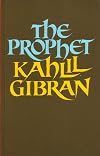
Author of The Prophet
About the Author
Khalil Gibran, also known as Kahlil Gibran, was born on January 6, 1883 in Northern Lebanon. As a result of his family's poverty, he received no formal education as a small child but had regular visits from the local priest who taught him about the Bible as well as the Syrian and Arabic languages. show more After his father was imprisoned for embezzlement and his family's property was confiscated by the authorities, his mother decided to emigrate to the United States in 1895. They settled in Boston's South End. He attended public school and art school, where he was introduced to the artist, photographer, and publisher Fred Holland Day. A publisher used some of Gibran's drawings for book covers in 1898. His family forced him to return to Lebanon to complete his education and learn the Arabic language. He enrolled in Madrasat-al-Hikmah, a Maronite-founded school, which offered a nationalistic curriculum partial to church writings, history and liturgy. He learned Arabic, French, and exceled in poetry. He returned to the United States in 1902. In 1904, he hosted his first art exhibit, which featured his allegorical and symbolic charcoal drawings. During this exhibition, he met Mary Elizabeth Haskell, who would go on to fund Gibran's artistic development for nearly his entire life. Not only was he an artist, but he also wrote poetry and other works including The Madman, The Prophet, and Sand and Foam. He died of cirrhosis of the liver and tuberculosis on April 10, 1931. (Bowker Author Biography) show less
Series
Works by Kahlil Gibran
Beloved Prophet: The Love Letters of Kahlil Gibran and Mary Haskell, and Her Private Journal (1972) 143 copies, 3 reviews
Collected Works of Kahlil Gibran- DELUXE EDITION [Hardcover] KAHLIL GIBRAN (2018) 91 copies, 1 review
I Care About Your Happiness: Quotations from the Love Letters of Kahlil Gibran and Mary Haskell (1976) 54 copies
Tears and Laughter, the Wisdom of Gibran, and the Broken Wings 3 Vol. Set (Works of Gibran, Assorted Volumes) (1966) 13 copies
Collected Works of Khalil Gibran 7 copies
Kahlil Gibran a Tear and a Smile; Prose Poems; This Man From Lebanon, and the Wanderer (1968) 5 copies
The Kahlil Gibran Diary For 1972 (With a selection for each week from the Prophet & his other writings) (1971) 4 copies
Khalil Gibran 4 copies
الشعلة الزرقاء 4 copies
Segredos do coraçao 4 copies
THE PROPHET By KAHLIL GIBRAN, A MUSICAL INTERPRETATION FEATURING RICHARD HARRIS. (LP Record) (1974) 4 copies
Sky is the Limit: The Art of of Upgrading Your Life (50 Classic Self-Help Books Including: Think and Grow Rich, The Way to Wealth, As A Man Thinketh, The ... The Art of War, Acres… (2018) 4 copies, 1 review
Die Propheten-Bücher: Der Prophet. Im Garten des Propheten. Die Heimkehr des Propheten (Arkana) (2002) 4 copies
El profeta & El loco & El vagabundo & El jardín del profeta & Arena y espuma (El Club Diógenes) (2006) 4 copies
Il profeta-Il giardino del profeta. Con disegni dell'autore. Testo inglese a fronte 3 copies, 1 review
الأرواح المتمردة 3 copies
Parábolas 3 copies
(Maseeha) (Hindi Edition) 3 copies
The Prophet The Original 1923 Unabridged and Complete Edition (A Kahlil Gibran Classics) (2023) 3 copies
1947 BANNED IN LEBANON FREEDOM KAHLIL GIBRAN SPIRITS REBELLIOUS 2 COPIES DJ (1947) 3 copies, 1 review
O Errante 3 copies
Beloved Prophet 2020: The Abridged Love Letters of Kahlil Gibran and Mary Haskell, and Her Private Journals (2020) 3 copies, 1 review
The Kahlil Gibran Diary for 1982, With a Selection for Each Week from The Prophet & His Other Writings (1973) 3 copies
THE KAHLIL GIBRAN DIARY FOR 1985 WITH A SELECTION FOR EACH WEEK FROM THE PROPHET & HIS OTHER WRITINGS (1985) 3 copies
Profeetta ; Merta ja hiekkaa 3 copies
Plukitaĵoj 3 copies
مناجاة أرواح 3 copies
الاجنحة المتكسرة 2 copies
السابق 2 copies
A Second Treasury of Kahil Gibran 2 copies
Asi Ruhlar 2 copies
Lágrimas y sonrisas 2 copies
Great works of Kahlil Gibran 2 copies
Alas rotas 2 copies
Temporais 2 copies
المجنون (Arabic Edition) 2 copies
المواكب (Arabic Edition) 2 copies
Preter La Horizonto 2 copies
Kematian Sebuah Bangsa 2 copies
HGli Idei della terra e La tempesta 2 copies
Selections from Gibran Kahlil Gibran 1. Love Reflections (Bilingual Text: English and Persian) 2 copies, 1 review
الموسيقى 2 copies
EL JARDÍN DEL PROFETA 2 copies
Areia e Espuma 2 copies
The Prophet 2 copies
O Livro dos Segredos 2 copies
The Greatest works of Kahil Gibran 2 copies
Kahlil Gibran Book of Books (Annotated): 5 Book Collection - The Prophet, The Madman, The Forerunner, The Broken Wings, & A Tear and A Smile (2020) 2 copies
عرائس المروج 2 copies
Mensagens Espirituais 2 copies
Kahlil Gibran The Collection Vol. 1 (5 Books) Spirits Rebellious, The Broken Wings, A Tear and a Smile, The Madman, The Forerunner. (2017) 2 copies
The Prophet (Illustrated): Masterpiece of The Great Philosopher Khalil Gibran (The prophet by Khalil Gibran) (1923) 2 copies, 1 review
Menneskesønnen : Hans ord og Hans gerninger som fortalt og skildret af dem der kendte Ham (1984) 2 copies
Prorok, the prophet 1 copy
Sea and Foam 1 copy
Le Prophète 1 copy
Rakontoj kaj Poemoj 1 copy
Earth Gods 1 copy
Las divinidades de la Tierra 1 copy
El Jardín del profeta 1 copy
Lagrima y sonrisa 1 copy
El profeta 1 copy
Alba - plaquette 1 copy
التائه (Arabic Edition) 1 copy
السابق (Arabic Edition) 1 copy
Prorok. Prorokov vrt 1 copy
Poemas y parábolas 1 copy
Obras escogidas 1 copy
Cuando el amor te llame 1 copy
El Rey sabio y otros cuentos 1 copy
Wer nie das Leid erblickt, wird nie die Freude sehen - Texte für helle und dunkle Tage (2012) 1 copy
Κι ο προφητης ειπε... 1 copy
Profetul: roman grafic 1 copy
Contos e poemas 1 copy
Nature of love 1 copy
The secrets of the heart 1 copy
Porque amo la soledad 1 copy
Curiosidades e belezas 1 copy
Loco, El (Spanish Edition) 1 copy
As Vozes Do Mestre 3a edição 1 copy
La voz del misterio 1 copy
TEMPESTADES 1 copy
FJALET E MJESHTRIT 1 copy
La naturaleza del amor 1 copy
Los secretos del corazón 1 copy
Jesús el hijo del Hombre 1 copy
L'Anima Del Profeta 1 copy
GREATEST WORKS 1 copy
Attarief 1 copy
Suza i osmijeh 1 copy
A Self-Portrait 1 copy
Parábolas 1 copy
Vida y obras selectas 1 copy
Viday Velae 1 copy
The Collected Works & Drawings of Kahlil Gibran: The Prophet, The Madman, The Forerunner, Sand and Foam, and Twenty Drawings (2022) 1 copy
المجنون 1 copy
الأجنحة المتكسرة 1 copy
النبي 1 copy
Isus, sin čovječji 1 copy
Il profeta 1 copy
Mirisni plodovi duše 1 copy
The Madman by Khalil Gibran 1 copy
Espírito rebeldes 1 copy
Heden Verleden Toekomst 1 copy
The Prophet 1 copy
Prorok, prorokov vrt 1 copy
النبيّ 1 copy
Los dioses de la tierra 1 copy
L'arte di conoscere se stessi. Massime spirituali (eNewton Classici) (Italian Edition) (2014) 1 copy
Obra selecta Kahlil Gibran 1 copy
O Livro da Sabedoria 1 copy
Lágrima y sonrisa. 1 copy
عيسى ابن الإنسان 1 copy
Entre a Noite e a Manhã 1 copy
THE ORIGINALS THE PROPHET 1 copy
I vostri figli 1 copy
Spámaðurinn 1 copy
බිඳුණු පියාපත් 1 copy
ඉසිවරයා 1 copy
දෙව්දුරු අරටු 1 copy
The Son of Man 1 copy
As Mais Belas Cartas de Amor 1 copy
O Livro da Vida 1 copy
O Profeta e a Arte da Paz 1 copy
Asas Quebradas 1 copy
Vor dem Thron der Schönheit 1 copy
Jangan Lukai Cinta 1 copy
Cintai Wanita Dari Hatinya 1 copy
99% Pesan Cinta Dari Surga 1 copy
Romantic Gibran Copy 1 1 copy
Iram dalle alte colonne 1 copy
Selected Works of Kahlil Gibran (6 Vols.) In Slipcase (Inspired Visions of Love, Longing and Peace) 1 copy
Kahlil Gibran Diary for 1974 1 copy
Thanmuga oviyam (Tamil) 1 copy
Kahlil Gibran Premium Collection: Spirits Rebellious / The Broken Wings / The Madman / Al-Nay / I Believe in You (2015) 1 copy
De stem van de meester 1 copy
صوت الحكمة الخالدة 1 copy
Di Depan Mahligai Keindahan 1 copy
Sämtliche Werke Band 1: Die Musik, Gebrochene Flügel, Eine Träne und ein Lächeln, Lazarus und seine Geliebte, der Blinde (2011) 1 copy
Cinta Sepanjang Masa 1 copy
Sayap-Sayap Cinta 1 copy
Prose Poems of Kahlil Gibran 1 copy
වැලි සහ පෙණ 1 copy
Jiwa-jiwa Pemberontak 1 copy
el loco, arena y espuma 1 copy
Gebrochene Flügel: Eine psychologische Geschichte der Selbstverbesserung (German Edition) (2021) 1 copy
Os deuses da terra 1 copy
Ježíš Syn člověka 1 copy
قصه عشق 1 copy
Damai dan Bahagia 1 copy
Surat-Surat Cinta 1 copy
Romantika 1 copy
Jame-ye Barin 1 copy
A Morte Do Profeta 1 copy
Great Works of O Henry 1 copy
THW WISDOM OF GIBRAN 1 copy
The Wisdom of Gibran 1 copy
Obras Selecionadas: Livro 1 (O Profeta /O Errante /Espíritos Rebeldes /Asas Partidas /O Louco) 1 copy
Espejos del alma 1 copy
El jardin del profeta 1 copy
Lagrimas y sonrisas 1 copy
Entre noche y dia 1 copy
Lazaro y su amada 1 copy
Obras Selecionadas: Livro 2 (Jesus, O Filho do Homem /Segredos do Coração /As Ninfas do Vale) 1 copy
Keabadian 1 copy
Sang Nabi 1 copy
Diviya diviya amathayi 1 copy
Tears and Laughter. Translated from the Arabic by Anthony Rizcallah Ferris. Edited by Martin L. Wolf 1 copy
Ὁ κῆπος τοῦ προφήτη 1 copy
رسائل جبران التائهة 1 copy
Wisdom of Gibran 1 copy
Selected Works of Kahlil Gibran Inspired Visions of Love, Longing and Peace (7 Vols.) In Slipcase (1973) 1 copy
Gibran El Profeta 1 copy
ܟܠܝܠ ܔܝܒܪܢ ܗ̄ܘ ܢܒܝܐ 1 copy
Risalah Cinta 1 copy
Akulah Cinta 1 copy
Romantisme Dalam Surat Cinta 1 copy
Пророк 1 copy
Yesus Sang Anak Baik 1 copy
المجنون 1 copy
مناجاة أرواح 1 copy
Le prophẗe 1 copy
Temporais 1 copy
Associated Works
Tablet & Pen: Literary Landscapes from the Modern Middle East (Words Without Borders) (2010) — Contributor — 225 copies, 2 reviews
The Graphic Canon, Vol. 3: From Heart of Darkness to Hemingway to Infinite Jest (2013) — Contributor — 162 copies, 1 review
Out of the Best Books: An Anthology of Literature, Vol. 3: Intelligent Family Living (1967) — Contributor — 34 copies
Die Spur der Sonne: Sonnenuhren in Südtirol — Contributor — 2 copies
Tagged
Common Knowledge
- Canonical name
- Gibran, Kahlil
- Legal name
- جبران خليل جبران
Gibran, Gibran Khalil - Other names
- Džubran, Halil
- Birthdate
- 1883-01-06
- Date of death
- 1931-04-10
- Gender
- male
- Occupations
- artist
poet
essayist
letter-writer - Organizations
- New York Pen League (member)
- Awards and honors
- American Academy of Arts and Letters Academy Award (Art, 1961)
- Relationships
- Young, Barbara (companion/secretary)
- Short biography
- Khalil Gibran (full Arabic name Gibran Khalil Gibran, sometimes spelled Kahlil;[a] Arabic: جبران خليل جبران / ALA-LC: Jubrān Khalīl Jubrān or Jibrān Khalīl Jibrān) was a Lebanese-American artist, poet, and writer.
Born in the town of Bsharri in the north of modern-day Lebanon (then part of Ottoman Mount Lebanon), as a young man he immigrated with his family to the United States, where he studied art and began his literary career, writing in both English and Arabic. In the Arab world, Gibran is regarded as a literary and political rebel. His romantic style was at the heart of a renaissance in modern Arabic literature, especially prose poetry, breaking away from the classical school. In Lebanon, he is still celebrated as a literary hero.
He is chiefly known in the English-speaking world for his 1923 book The Prophet, an early example of inspirational fiction including a series of philosophical essays written in poetic English prose. The book sold well despite a cool critical reception, gaining popularity in the 1930s and again especially in the 1960s counterculture. - Cause of death
- liver cirrhosis
tuberculosis (incipient) - Nationality
- Ottoman Empire
USA - Birthplace
- Bsharri, Lebanon
- Places of residence
- Bsharri, Lebanon (birth)
Boston, Massachusetts, USA
New York, New York, USA - Place of death
- New York, New York, USA
- Burial location
- Mar Sarkis Monastery, Bsharri, Lebanon
- Map Location
- Lebanon
Members
Reviews

The language is poetic, but it is not poetry. It works as prose poetry, in fact some of the best in English. That is probably because Gibran somewhat mimics the poetry of the King James Version. Some phrases and turns and images are brilliant.
That said, what is the point of this book? There are some nice things. "Is not religion all deeds and all reflections.... Who can separate his faith from his actions.... Who can spread his hours before him, saying, 'This is for God and this is for show more myself; This for my soul, and this other for my body?'"
Good point. There are several such nuggets. But, you can tell why the hippie-set loved this book: it is spirituality devoid of religion. Namely, this book can make you feel all "cosmic" without all that pesky Christian morality. That bit quoted above, it is followed by: "He who wears his morality but as his best garment were better naked."
Ah. See what morals get you. On crime and punishment, we get this "It Takes a Village" gem: "And as a single leaf turns not yellow but with the silent knowledge of the whole tree, So the wrong-doer cannot do wrong without the hidden will of you all." See, crime is not the fault of the criminal, it is the fault of society. "The righteous is not innocent of the deeds of the wicked... Yea, the guilty is oftentimes the victim of the injured." See, if you self-righteous rich folk didn't oppress the meek poor folk, they wouldn't have to commit crime.
I wonder how the injured rape victim victimized her guilty rapist.
Generally, The Prophet's twin credos are (1) any path to God is the right path, and (2) if it feels good do it.
(1) Thus, the pluralistic relativism of lines like:
"Say not, 'I have found the truth,' but rather, 'I have found a truth.' Say not, 'I have found the path of the soul.' Say rather, 'I have met the soul walking upon my path.'"
Forget that Jesus said, "I am the way, the truth, and the life: no man cometh unto the Father, but by me." (John 14:6, by the way.) No, no, no. Many willfully ignore that Jesus said such un-ecumenical things like this. The hippie-Jesus thinks that there are many paths to God. The whole "one source, many wells" philosophy. Don't believe me? Why do you think the folks at the Jesus Seminar blackballed this very verse (John 14:6)? "Our great, loving, hippie-Jesus believes that everyone comes to 'god' in his own way! He would never say that!" Blackball. (That last quotation wasn't an actual quote, by the way.)
(2) And, though the nature of the good and evil chapter is tempered by a sort-of "love thy neighbor" philosophy, it still defines "good" not as following Judaeo-Christian morals, or even a "do unto others" prescription, but "You are good when you are one with yourself."
If it feels good to you, do it. Sure, Gibran later seems to warn against unbridled pleasure-seeking, "Pleasure is a freedom-song, But it is not freedom. It is the blossoming of your desires, But it is not their fruit." Later, however, such hedonism is considered a path ("a truth") to God:
"Some of your youth seek pleasure as if it were all, and they are judged and rebuked. I would not judge or rebuke them. I would have them seek."
Thus the paradox of liberalism: the Prophet rebukes you for rebuking those hedons amongst you. They are only on their path. "You are so wrong to tell them that they are wrong!" Ah, relativism! The problem with unchecked hedonism ("You are good when you are one with yourself," if you prefer) is that mankind always finds some inner reasoning to justify their evil actions. Man always finds a way to make pleasure-at-any-cost, devoid of anything else, his God.
I don't want to seem as if I am some stick in the mud, a prude, or an over-moralizing and self-righteous Christian. Christian I am, and hedon I sometimes am. I can get wheat from the chaff out of The Prophet. There is much here that is good, and some of it is artfully written. Some of Gibran's thoughts are even profound. Still, there is much here that is bad, there is still some shuck on the ear, so to speak. Sometimes you must take the wrong path which leads you to the right path, but there is just one right path, not several. Gibran never seems to say that, and, since he was a Lebanese Christian, I find that sad.
There is much here to lead you astray.
I will not hold it against Gibran that The Prophet has inspired numerous imitations of lesser-poetic talent, sad purveyances of even fewer truths. Yes, I am speaking of (amongst others) the trite, inane cacophonies of Paulo Coelho.
And, for those reviewers and readers who think that The Prophet is the most poetic, most enlightening, most cosmically spiritual tome of all time: try reading the Psalms in the KJV with an open mind.
(Yes. I invented the word "hedon." "Hedonist" sounds like a philosophical school, as does "epicurean." The latter, too, is for an aesthete. Let's say a hedon is a pleasure-seeker without the philosophy. A hedon is an unsophisticate. I probably made up that word too.) show less
That said, what is the point of this book? There are some nice things. "Is not religion all deeds and all reflections.... Who can separate his faith from his actions.... Who can spread his hours before him, saying, 'This is for God and this is for show more myself; This for my soul, and this other for my body?'"
Good point. There are several such nuggets. But, you can tell why the hippie-set loved this book: it is spirituality devoid of religion. Namely, this book can make you feel all "cosmic" without all that pesky Christian morality. That bit quoted above, it is followed by: "He who wears his morality but as his best garment were better naked."
Ah. See what morals get you. On crime and punishment, we get this "It Takes a Village" gem: "And as a single leaf turns not yellow but with the silent knowledge of the whole tree, So the wrong-doer cannot do wrong without the hidden will of you all." See, crime is not the fault of the criminal, it is the fault of society. "The righteous is not innocent of the deeds of the wicked... Yea, the guilty is oftentimes the victim of the injured." See, if you self-righteous rich folk didn't oppress the meek poor folk, they wouldn't have to commit crime.
I wonder how the injured rape victim victimized her guilty rapist.
Generally, The Prophet's twin credos are (1) any path to God is the right path, and (2) if it feels good do it.
(1) Thus, the pluralistic relativism of lines like:
"Say not, 'I have found the truth,' but rather, 'I have found a truth.' Say not, 'I have found the path of the soul.' Say rather, 'I have met the soul walking upon my path.'"
Forget that Jesus said, "I am the way, the truth, and the life: no man cometh unto the Father, but by me." (John 14:6, by the way.) No, no, no. Many willfully ignore that Jesus said such un-ecumenical things like this. The hippie-Jesus thinks that there are many paths to God. The whole "one source, many wells" philosophy. Don't believe me? Why do you think the folks at the Jesus Seminar blackballed this very verse (John 14:6)? "Our great, loving, hippie-Jesus believes that everyone comes to 'god' in his own way! He would never say that!" Blackball. (That last quotation wasn't an actual quote, by the way.)
(2) And, though the nature of the good and evil chapter is tempered by a sort-of "love thy neighbor" philosophy, it still defines "good" not as following Judaeo-Christian morals, or even a "do unto others" prescription, but "You are good when you are one with yourself."
If it feels good to you, do it. Sure, Gibran later seems to warn against unbridled pleasure-seeking, "Pleasure is a freedom-song, But it is not freedom. It is the blossoming of your desires, But it is not their fruit." Later, however, such hedonism is considered a path ("a truth") to God:
"Some of your youth seek pleasure as if it were all, and they are judged and rebuked. I would not judge or rebuke them. I would have them seek."
Thus the paradox of liberalism: the Prophet rebukes you for rebuking those hedons amongst you. They are only on their path. "You are so wrong to tell them that they are wrong!" Ah, relativism! The problem with unchecked hedonism ("You are good when you are one with yourself," if you prefer) is that mankind always finds some inner reasoning to justify their evil actions. Man always finds a way to make pleasure-at-any-cost, devoid of anything else, his God.
I don't want to seem as if I am some stick in the mud, a prude, or an over-moralizing and self-righteous Christian. Christian I am, and hedon I sometimes am. I can get wheat from the chaff out of The Prophet. There is much here that is good, and some of it is artfully written. Some of Gibran's thoughts are even profound. Still, there is much here that is bad, there is still some shuck on the ear, so to speak. Sometimes you must take the wrong path which leads you to the right path, but there is just one right path, not several. Gibran never seems to say that, and, since he was a Lebanese Christian, I find that sad.
There is much here to lead you astray.
I will not hold it against Gibran that The Prophet has inspired numerous imitations of lesser-poetic talent, sad purveyances of even fewer truths. Yes, I am speaking of (amongst others) the trite, inane cacophonies of Paulo Coelho.
And, for those reviewers and readers who think that The Prophet is the most poetic, most enlightening, most cosmically spiritual tome of all time: try reading the Psalms in the KJV with an open mind.
(Yes. I invented the word "hedon." "Hedonist" sounds like a philosophical school, as does "epicurean." The latter, too, is for an aesthete. Let's say a hedon is a pleasure-seeker without the philosophy. A hedon is an unsophisticate. I probably made up that word too.) show less

"Madame Rose Hanie" is the first story in [Spirits Rebellious] by Lebanese Kahlil Gibran.
Written in 1908 in high poetic drama in keeping with older Middle Eastern traditions, this is a story examining those old traditions. A 40 year old rich man falls in love with a beautiful, impoverished 18 year old woman and marries her. He showers her with every extravagance but after the glitz has worn off, she sees emptiness in her life. She cannot love him in return no matter how she tries. He show more sincerely loves her, in the way he is capable of loving her, but as she matures she feels trapped in the gilded cage he himself admits he created for her. She finds true love with a poor man, leaves her husband, then as a result is shamed by the community and her husband is left with deep heartbreak.
Who betrayed who? Who was at most fault? Who was the purest follower of God's laws for mankind? The narrator, after listening to both sides, ponders those questions with a newly modern sensibility. show less
Written in 1908 in high poetic drama in keeping with older Middle Eastern traditions, this is a story examining those old traditions. A 40 year old rich man falls in love with a beautiful, impoverished 18 year old woman and marries her. He showers her with every extravagance but after the glitz has worn off, she sees emptiness in her life. She cannot love him in return no matter how she tries. He show more sincerely loves her, in the way he is capable of loving her, but as she matures she feels trapped in the gilded cage he himself admits he created for her. She finds true love with a poor man, leaves her husband, then as a result is shamed by the community and her husband is left with deep heartbreak.
Who betrayed who? Who was at most fault? Who was the purest follower of God's laws for mankind? The narrator, after listening to both sides, ponders those questions with a newly modern sensibility. show less
ეხლა რომ წარვიკითხო არ ვარ დარწმუნებული, რომ ისევ ისე მომეწონება, როგორც ადრე, მაგრამ ნებისმიერ შემთხვევაში ფაქტი ერთია - ეს არაა უბრალოდ დაწერილი მოთხრობა, ლექსი, ნაშრომი, სტატია, show more ტრაქტატი - ეს რაღაც სხვაა, რომელსაც შეუძლია ისეთ სიმს გამოკრას თითი (თუ წინადადება), რომელიც რიგითი გონებრივი ტალღების მიღმაა, რომელიც უფრო ნამდვილია, ვიდრე "ნმადვილი მე" და რომლის რეზონანსიც რელიქტური გამოსხივების დიაპაზონში ვიბრირებს. show less
Beloved Prophet: The Love Letters of Kahlil Gibran and Mary Haskell, and Her Private Journal by Kahlil Gibran

THE REAL-WORLD PARANORMAL ROMANCE OF "BELOVED PROPHET" KAHLIL GIBRAN
The world’s abundant treasury of art and literature would likely be a lot less abundant if not for those famed, or sometimes secret, patrons of the arts who assisted many of our most celebrated creative artists at crucial points in their lives––and sometimes throughout their lives. For visual artist Pablo Picasso, author and patron Gertrude Stein played a major role helping to launch his unparalleled career in show more twentieth century art. For the Harlem Renaissance writer Langston Hughes, the mysterious heiress Charlotte Osgood Mason supported him (as well as others associated with the Harlem Renaissance) in great style at the start of his literary career.
In the case of the Lebanese poet and artist Kahlil Gibran, the crucial lifeline came from American schoolmistress Mary Haskell. Just how essential, passionate, and sacred that lifeline was comes through with deep intensity in the pages of BELOVED PROPHET. Editor Virginia Hilu worked her way though more than 600 letters and decades of journal entries to carefully compose a book that goes far beyond amusing or impressive anecdotes to give readers the softly thundering heart and soul of a man whose works continue to inspire millions and the woman who helped make that work possible.
Before the world came to know him as the famed author of such titles as The Prophet and Jesus the Son of Man, Mary Haskell met Gibran at his first art exhibit in 1904 when he was 21 and she was 30. Four years later, she sponsored his trip to Paris, where he studied art for two years and began a correspondence with Haskell that would last the rest his life. Upon his return from Paris to New York City, he both wrote and visited Haskell, whose school was in Boston. Gibran’s understandably deep attachment to the woman who would come to mean so much to his life and career is evident even in those early letters, such as when he wrote this in 1908: “When I am unhappy, dear Mary, I read your letters… They remind me of my true self. They make me overlook all that is not high and beautiful in life.” More than a decade later, in 1922, he tells her, “We have become one, Mary. You have entered my being––and you can’t cut off either of us without destroying the other.”
If Beloved Prophet was comprised of nothing more than letters, it would be a less powerful or significant book. However, the entries from Mary Haskell’s journal provide a wealth of insights both into her relationship with the artist-poet and into her own passionate being. Through those entries we receive accounts of Gibran’s family relationships, how such events as the early deaths of his mother, a brother, and a sister impacted his life. We also learn quite a bit about his creative processes and the role Haskell often played in it. While helping Gibran organize initial drafts for The Prophet, she noted, “How absolutely the Prophet is Kahlil, although Kahlil has several times said, ‘This is not I, but the Prophet.’” Upon receiving one of the first published copies of it, she predicted, “This book will be held as one of the treasures of English literature. And in our darkness we will open it to find ourselves again and the heaven and the earth within ourselves.”
Addressing one another as “Beloved,” and with references to their “greater selves” and life-transforming connection, Beloved Prophet sometimes reads like an extraordinary paranormal romance made much more profound by its concrete reality. The degrees of intimacy between Gibran and Haskell varied over the years but the general integrity of their relationship remained intact. It survived Haskell’s move to Savannah, Georgia, in 1924 and her marriage to Florance Minis in 1926. After Gibran’s death in 1931, his biographer Barbara Young discovered the letters while Haskell was present and suggested they destroy them to avoid any misinterpretation of their contents. Haskell eventually rejected that suggestion, seemingly out of belief that the letters might help future readers more greatly appreciate the rarity of Gibran’s spiritual genius and the noble beauty of his very real humanity.
by Author-Poet Aberjhani
author of The American Poet Who Went Home Again
and Encyclopedia of the Harlem Renaissance
--Aberjhani show less
The world’s abundant treasury of art and literature would likely be a lot less abundant if not for those famed, or sometimes secret, patrons of the arts who assisted many of our most celebrated creative artists at crucial points in their lives––and sometimes throughout their lives. For visual artist Pablo Picasso, author and patron Gertrude Stein played a major role helping to launch his unparalleled career in show more twentieth century art. For the Harlem Renaissance writer Langston Hughes, the mysterious heiress Charlotte Osgood Mason supported him (as well as others associated with the Harlem Renaissance) in great style at the start of his literary career.
In the case of the Lebanese poet and artist Kahlil Gibran, the crucial lifeline came from American schoolmistress Mary Haskell. Just how essential, passionate, and sacred that lifeline was comes through with deep intensity in the pages of BELOVED PROPHET. Editor Virginia Hilu worked her way though more than 600 letters and decades of journal entries to carefully compose a book that goes far beyond amusing or impressive anecdotes to give readers the softly thundering heart and soul of a man whose works continue to inspire millions and the woman who helped make that work possible.
Before the world came to know him as the famed author of such titles as The Prophet and Jesus the Son of Man, Mary Haskell met Gibran at his first art exhibit in 1904 when he was 21 and she was 30. Four years later, she sponsored his trip to Paris, where he studied art for two years and began a correspondence with Haskell that would last the rest his life. Upon his return from Paris to New York City, he both wrote and visited Haskell, whose school was in Boston. Gibran’s understandably deep attachment to the woman who would come to mean so much to his life and career is evident even in those early letters, such as when he wrote this in 1908: “When I am unhappy, dear Mary, I read your letters… They remind me of my true self. They make me overlook all that is not high and beautiful in life.” More than a decade later, in 1922, he tells her, “We have become one, Mary. You have entered my being––and you can’t cut off either of us without destroying the other.”
If Beloved Prophet was comprised of nothing more than letters, it would be a less powerful or significant book. However, the entries from Mary Haskell’s journal provide a wealth of insights both into her relationship with the artist-poet and into her own passionate being. Through those entries we receive accounts of Gibran’s family relationships, how such events as the early deaths of his mother, a brother, and a sister impacted his life. We also learn quite a bit about his creative processes and the role Haskell often played in it. While helping Gibran organize initial drafts for The Prophet, she noted, “How absolutely the Prophet is Kahlil, although Kahlil has several times said, ‘This is not I, but the Prophet.’” Upon receiving one of the first published copies of it, she predicted, “This book will be held as one of the treasures of English literature. And in our darkness we will open it to find ourselves again and the heaven and the earth within ourselves.”
Addressing one another as “Beloved,” and with references to their “greater selves” and life-transforming connection, Beloved Prophet sometimes reads like an extraordinary paranormal romance made much more profound by its concrete reality. The degrees of intimacy between Gibran and Haskell varied over the years but the general integrity of their relationship remained intact. It survived Haskell’s move to Savannah, Georgia, in 1924 and her marriage to Florance Minis in 1926. After Gibran’s death in 1931, his biographer Barbara Young discovered the letters while Haskell was present and suggested they destroy them to avoid any misinterpretation of their contents. Haskell eventually rejected that suggestion, seemingly out of belief that the letters might help future readers more greatly appreciate the rarity of Gibran’s spiritual genius and the noble beauty of his very real humanity.
by Author-Poet Aberjhani
author of The American Poet Who Went Home Again
and Encyclopedia of the Harlem Renaissance
--Aberjhani show less
Lists
1970s (3)
1920s (1)
Translingualism (1)
Unread books (1)
Awards


You May Also Like


Associated Authors
Statistics
- Works
- 747
- Also by
- 10
- Members
- 29,466
- Popularity
- #680
- Rating
- 4.0
- Reviews
- 349
- ISBNs
- 2,197
- Languages
- 42
- Favorited
- 74


