
Wolfhart Pannenberg (1928–2014)
Author of Jesus: God and Man
About the Author
Wolfhart Pannenberg is professor emeritus of systematic theology on the Protestant Faculty at the University of Munich. Besides the three-volume Systematic Theology, his many books include Basic Questions in Theology, Anthropology in Theological Perspective, and Theology and the Philosophy of show more Science. show less
Image credit: Photo by Reinck. (Deutsches BundesarchivB 145 Bild-F065001-0023)
Works by Wolfhart Pannenberg
The Theology of Wolfhart Pannenberg : twelve American critiques, with an autobiographical essay and response (1988) 11 copies
Analogie und Offenbarung eine kritische Untersuchung zur Geschichte des Analogiebegriffs in der Lehre von der Gotteserkenntnis (2007) 5 copies
CRISTIANESIMO E MITO 3 copies
Il Credo e la fede dell'uomo d'oggi 2 copies
Soshiki shingaku nyūmon 2 copies
Title Not Given 1 copy
Epistemologia e teologia 1 copy
A pergunta sobre Deus 1 copy
Metafisica e idea di Dio 1 copy
Associated Works
New Theology No. 5: New Talk of the Future, Hope, and Eschatology (1968) — Contributor — 52 copies, 1 review
Tagged
Common Knowledge
- Canonical name
- Pannenberg, Wolfhart
- Legal name
- Pannenberg, Wolfhart Ulrich
- Birthdate
- 1928-10-02
- Date of death
- 2014-09-04
- Gender
- male
- Education
- Berlin University
Göttingen University
Basel University - Occupations
- theologian
philosopher - Organizations
- Ludwig-Maximilians-University of Munich
Heidelberg University
University of Wuppertal
University of Mainz - Short biography
- German theologian. Born in Stettin (now Szczecin), Poland, he studied at the universities of Berlin, Göttingen, and Basel, lectured at Heidelberg (1955–58), then was successively professor of systematic theology at Wuppertal (1958–61), Mainz (1961–68), and Munich (1968– ). Originally a student of philosophy, he came to Christian faith through rational reflection concerning the meaning of human existence and history. In Revelation as History (1960) he voiced a strong protest against irrationalism in theology. This book provides the key to much of his later development, for example, the “from-below” approach to Christology (Jesus—God and Man), the apologetic approach to Christian doctrine (The Apostles’ Creed), the concern to lead theology out of its isolation to meet the substantial challenge of the sciences (Theology and the Philosophy of Science), and the eschatological orientation which earned him the description, “a mysterious figure in the background” of “The Theology of Hope” (Theology and the Kingdom of God). Contending that he is a Christian because he is a modern and rational man, he has set himself the courageous and controversial task of demonstrating the reasonableness of Christian faith in the modern world.
- Nationality
- Germany
- Birthplace
- Stettin, Pommern, Deutsches Reich
- Place of death
- München, Bayern, Deutschland
- Associated Place (for map)
- Germany
Members
Reviews
Das Glaubensbekenntnis ausgelegt und verantwortet vor den Fragen der Gegenwart. by Wolfhart Pannenberg
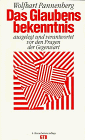
Although purported to be written in a prose that is accessible to the interested layman, this takes some concentration and effort to stay with. The result is worth it, though. Perhaps most interesting is his take on the resurrection of Jesus in chapter 4, since it is a useful introduction to one of his central ideas, namely that it was a prolepsis of the Christian hope. This is also indicative of his entire approach, which is that the credo does not have to be defended in the terms in which show more it perhaps was understood in the fourth or sixteenth century, but is worth reflecting anew in terms of contemporary questions and objections (in this case, primarily those of post WW2 Europeans). Recommended to anyone looking to grapple with the Apostolic Creed. show less
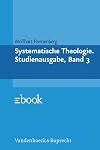
Clear diction, surprising insights and fascinating correspondence with catholic dogmaticians like Rahner/Ratzinger etc, but also some clarifying notes on recent developments in systematics. Not only his passages on "Amt" and ordination are surprisingly relevant, but also his notes on the church and the endtimes. This was quite revealing. No longer am I surprised by his close contacts with UNISA and other SA theologians. Obviously for a book with nearly 700 pages, such a passing comment is show more daring, if not ridiculous, but never a proper review. In any case I recommend this book and will study his books even more closely in future. show less

When mainline demoninations debate whether to ordain homosexuals or to sanction same-sex marriages, one wonders: Where are the persons of Christian stature and theological wisdom who will stand up for the biblical truth about human sexuality?

Awards


You May Also Like


Associated Authors
Statistics
- Works
- 76
- Also by
- 7
- Members
- 3,017
- Popularity
- #8,462
- Rating
- 3.9
- Reviews
- 17
- ISBNs
- 167
- Languages
- 10
- Favorited
- 11

