
Tanis Rideout
Author of Above All Things
About the Author
Works by Tanis Rideout
Rogue Elements 1 copy
Tagged
Common Knowledge
- Gender
- female
- Education
- Queens University, Kingston, Ontario
- Occupations
- novelist
poet
musician - Awards and honors
- Order of Ontario (2013)
- Short biography
- Tanis Rideout was born in Belgium and grew up in Bermuda and Kingston, Ontario, Canada. Her writing has appeared in a range of quarterlies and magazines including A Room of One's Own, Black Heart Magazine, grey borders, Spire, Pontiac Quarterly, Fireweed, echolocation, Witual and Chart. It has been short-listed for a number of prizes. She is also a musician who has performed on CBC Radio, BookTelevision, ZeD and Citytv. In 2006 she was named the Poet Laureate for Lake Ontario by the Lake Ontario Waterkeeper and joined Gord Downie (of Canadian band The Tragically Hip) on a tour to promote environmental justice on the lake.
Above All Things, her first novel, was published in Canada in 2012 and in the USA and UK in 2013. - Nationality
- Canada
- Birthplace
- Belgium
- Places of residence
- Toronto, Ontario, Canada
Kingston, Ontario, Canada - Associated Place (for map)
- Ontario, Canada
Members
Reviews
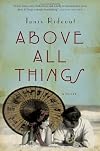
This is a book I hesitated to pick up because it is about mountain climbing, a pursuit in which I have no interest. The many positive reviews it has received changed my mind, and I’m so happy I was persuaded. It’s not just about mountain climbing, and it is a wonderful read.
The book tells a fictionalized account of George Mallory’s third attempt to conquer Mount Everest, in 1924. The expedition is described from two points of view: that of George’s and that of the expedition’s show more least-experienced climber, Sandy Irvine. The Everest sections are alternated with one day in the life of Ruth, George’s wife, as she waits for word about her husband. The mountain climbing sections kept my attention because the focus is on the men and their thoughts and reactions and not just the physical obstacles encountered. The other half, with its imaginative rendering of “what it would mean to be married to a man like George Mallory” (352), was equally interesting.
Climbing Mount Everest has become an activity for almost anyone with sufficient funds; none of these tourists face the challenges of Mallory and his contemporaries who “willingly endured the discomfort and pain of freezing temperatures and the many dangers of extreme altitudes dressed in little more than Burberry tweeds” (352) at a time when some viewed the use of oxygen tanks as “unsporting” (254). And, unlike Ruth Mallory, the loved ones of modern-day tourists need not wait “for months at a time with nothing but long-delayed letters, delivered by steamer, to soothe [their] worries” (352). At one point Ruth comments, “’The letter. It is weeks old. Everything has already been decided and there’s nothing we can do to change it’” (299), as she copes with the possibility that her husband might not come home.
One aspect of the summit attempt about which I was curious was the question of why the obsession to climb Everest. Mallory once gave the enigmatic response, “’Because it’s there’” (107), but other motivations are suggested. At one point Rideout has Mallory talking about climbing as an escape (130) and the ultimate adrenaline rush: “’Isn’t that part of why we go out there? The fear, the possibility of it all ending? To really feel alive’” (155). As he tries to explain to a doubtful Ruth that the sacrifices involved are worth it, George argues that “’It’s for something greater, Ruth’” (222) and “’A chance to make it up to all of those in the war’” (271). And then there’s the beauty that Irvine describes: “He was enjoying this – the sweep of the mountains around them, the brilliance of the sky. The total silence . . . There was only the sound of his breath. The swish of his boots through the new snow, the crunch of ice below. He thought he understood why George loved mountains. . . . Everything seemed impossibly perfect . . . “ (166). In the end I still didn’t understand why the great desire, but the author’s speculations gave food for thought.
The role of Everest in the relationship between George and Ruth is fascinating. From the opening page it is obvious that Ruth sees herself as competing with the mountain for her husband’s affections as she asks: “’Tell me about this mountain that’s stealing you away from me’” (1). Clearly Ruth’s views of love change because of her husband’s obsession; she observes, “When I was small I imagined love as something safe, something without sharp edges, only the sweeping, enveloping curves of romance and happiness. But it isn’t . . . There are edges and they cut” (177). She even tells George, “’It feels as though we’ve spent more time apart than together . . . That’s not a marriage’” (222). George realizes that his efforts to reach the summit of Everest have had an impact on his relationship, and he thinks that succeeding at his goal will make things right between him and Ruth: “If he came home empty-handed, all the sacrifice would have been for nothing. . . . Ruth had lived for the past five years on the promise that he would reach the summit and then everything would change for them. Disappointing her would break his heart. And Everest would still be there, between them. The great mass of it and the years it had consumed. For nothing. Only claiming the summit could make things right between them” (222 – 223). Was this his ultimate motivation? Yet I found it impossible to imagine that if he had returned, he would have kept his promise never “’to go away again’” (222).
It is George’s character, of course, that is most interesting. He is not an ordinary man; the book jacket describes him as “a man of uncommon athleticism, passion, and ambition” and that is an apt description. He argues that “’Moderation has never led to greatness . . . No, give me a wild temperament’” (153), although others tell him, “’You’re always so damned rash’” (317). Was he selfish and self-centered and a glory hound: “’As long as everything works out in your favour, . . . it doesn’t much matter what happens to anyone else. As long as we’re still there to play the audience to your adventures’” (313)? There is certainly something both admirable and repulsive about someone so single-mindedly determined to achieve a goal.
The book gives one pause to ponder the idea of sacrifice in the pursuit of a goal. Mallory argues that it is “important to risk something if you believed in the end goal” (30), and Sandy’s father tells his son, “’There’s a cost to pay for something worth doing. Anything worth doing. . . . Sacrifice is the watchword’” (64 – 65). Sandy is, however, also given further advice by another expedition member: “’But you have to decide for yourself what price is too high’” (232). At the end of the novel I wondered whether the price paid by Mallory and Irvine was too high. What about the price paid by Ruth and her three children? Mallory thinks that coming home after a failed attempt would mean that “all the sacrifice would have been for nothing” (222), yet he never contemplates what not coming home would mean? And then there’s the question of whether he reached the summit!
I highly recommend this book. It is an indication of the writer’s skill that she kept me entranced throughout, even about a subject in which I had minimal interest and even though I knew the outcome from the very beginning. show less
The book tells a fictionalized account of George Mallory’s third attempt to conquer Mount Everest, in 1924. The expedition is described from two points of view: that of George’s and that of the expedition’s show more least-experienced climber, Sandy Irvine. The Everest sections are alternated with one day in the life of Ruth, George’s wife, as she waits for word about her husband. The mountain climbing sections kept my attention because the focus is on the men and their thoughts and reactions and not just the physical obstacles encountered. The other half, with its imaginative rendering of “what it would mean to be married to a man like George Mallory” (352), was equally interesting.
Climbing Mount Everest has become an activity for almost anyone with sufficient funds; none of these tourists face the challenges of Mallory and his contemporaries who “willingly endured the discomfort and pain of freezing temperatures and the many dangers of extreme altitudes dressed in little more than Burberry tweeds” (352) at a time when some viewed the use of oxygen tanks as “unsporting” (254). And, unlike Ruth Mallory, the loved ones of modern-day tourists need not wait “for months at a time with nothing but long-delayed letters, delivered by steamer, to soothe [their] worries” (352). At one point Ruth comments, “’The letter. It is weeks old. Everything has already been decided and there’s nothing we can do to change it’” (299), as she copes with the possibility that her husband might not come home.
One aspect of the summit attempt about which I was curious was the question of why the obsession to climb Everest. Mallory once gave the enigmatic response, “’Because it’s there’” (107), but other motivations are suggested. At one point Rideout has Mallory talking about climbing as an escape (130) and the ultimate adrenaline rush: “’Isn’t that part of why we go out there? The fear, the possibility of it all ending? To really feel alive’” (155). As he tries to explain to a doubtful Ruth that the sacrifices involved are worth it, George argues that “’It’s for something greater, Ruth’” (222) and “’A chance to make it up to all of those in the war’” (271). And then there’s the beauty that Irvine describes: “He was enjoying this – the sweep of the mountains around them, the brilliance of the sky. The total silence . . . There was only the sound of his breath. The swish of his boots through the new snow, the crunch of ice below. He thought he understood why George loved mountains. . . . Everything seemed impossibly perfect . . . “ (166). In the end I still didn’t understand why the great desire, but the author’s speculations gave food for thought.
The role of Everest in the relationship between George and Ruth is fascinating. From the opening page it is obvious that Ruth sees herself as competing with the mountain for her husband’s affections as she asks: “’Tell me about this mountain that’s stealing you away from me’” (1). Clearly Ruth’s views of love change because of her husband’s obsession; she observes, “When I was small I imagined love as something safe, something without sharp edges, only the sweeping, enveloping curves of romance and happiness. But it isn’t . . . There are edges and they cut” (177). She even tells George, “’It feels as though we’ve spent more time apart than together . . . That’s not a marriage’” (222). George realizes that his efforts to reach the summit of Everest have had an impact on his relationship, and he thinks that succeeding at his goal will make things right between him and Ruth: “If he came home empty-handed, all the sacrifice would have been for nothing. . . . Ruth had lived for the past five years on the promise that he would reach the summit and then everything would change for them. Disappointing her would break his heart. And Everest would still be there, between them. The great mass of it and the years it had consumed. For nothing. Only claiming the summit could make things right between them” (222 – 223). Was this his ultimate motivation? Yet I found it impossible to imagine that if he had returned, he would have kept his promise never “’to go away again’” (222).
It is George’s character, of course, that is most interesting. He is not an ordinary man; the book jacket describes him as “a man of uncommon athleticism, passion, and ambition” and that is an apt description. He argues that “’Moderation has never led to greatness . . . No, give me a wild temperament’” (153), although others tell him, “’You’re always so damned rash’” (317). Was he selfish and self-centered and a glory hound: “’As long as everything works out in your favour, . . . it doesn’t much matter what happens to anyone else. As long as we’re still there to play the audience to your adventures’” (313)? There is certainly something both admirable and repulsive about someone so single-mindedly determined to achieve a goal.
The book gives one pause to ponder the idea of sacrifice in the pursuit of a goal. Mallory argues that it is “important to risk something if you believed in the end goal” (30), and Sandy’s father tells his son, “’There’s a cost to pay for something worth doing. Anything worth doing. . . . Sacrifice is the watchword’” (64 – 65). Sandy is, however, also given further advice by another expedition member: “’But you have to decide for yourself what price is too high’” (232). At the end of the novel I wondered whether the price paid by Mallory and Irvine was too high. What about the price paid by Ruth and her three children? Mallory thinks that coming home after a failed attempt would mean that “all the sacrifice would have been for nothing” (222), yet he never contemplates what not coming home would mean? And then there’s the question of whether he reached the summit!
I highly recommend this book. It is an indication of the writer’s skill that she kept me entranced throughout, even about a subject in which I had minimal interest and even though I knew the outcome from the very beginning. show less
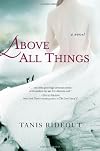
This was a beautifully written book. It takes place in the early 1920s and tells the story of George and Ruth Mallory. George Mallory is the famous British explorer who made 3 attempts to the summit of Mt. Everest.
One of my favorite things about this book, was that each chapter goes back and forth from the point of view of Ruth and then George.
The descriptions and details of the hardships that George and his team endured on Everest is unbelievable. These are the early explorers who set out show more to conquer the harshest climate in their Burberry gear, while smoking cigarettes at Base camp and listening to music on a Victrola that they brought with them from England and had porters lug up the snow ridden slopes of the mountain. Fascinating stuff!
Then we feel Ruth's pain at being left behind once again with three small children for George's third attempt at the mountain. She tries to understand his obsession but wonders why they are not enough to convince him to want to stay, that they will never be enough for him.
This is truly a heartbreaking story, but also one full of adventure and sacrifice. It's also a love story. What a wonderful, satisfying, gripping book. Didn't want to put this one down. Highly recommended! I received this book as part of the Librarything Early Reviewers. show less
One of my favorite things about this book, was that each chapter goes back and forth from the point of view of Ruth and then George.
The descriptions and details of the hardships that George and his team endured on Everest is unbelievable. These are the early explorers who set out show more to conquer the harshest climate in their Burberry gear, while smoking cigarettes at Base camp and listening to music on a Victrola that they brought with them from England and had porters lug up the snow ridden slopes of the mountain. Fascinating stuff!
Then we feel Ruth's pain at being left behind once again with three small children for George's third attempt at the mountain. She tries to understand his obsession but wonders why they are not enough to convince him to want to stay, that they will never be enough for him.
This is truly a heartbreaking story, but also one full of adventure and sacrifice. It's also a love story. What a wonderful, satisfying, gripping book. Didn't want to put this one down. Highly recommended! I received this book as part of the Librarything Early Reviewers. show less
 This review was written for LibraryThing Early Reviewers.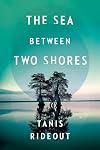
I loved Tanis Rideout’s previous novel, Above All Things, which I read in 2012. It made a real impression on me because I still remember it a decade later. I was anxious to read her sophomore novel, and I was not disappointed.
In the 1830s, William and Josephine Stewart left Nova Scotia and travelled to the island of Iparei in what is now known as Vanuatu in the South Pacific. Their intention was to convert the Indigenous Peoples to Christianity, but their arrival brought disease, caused show more friction, and led to violence. In 2013, Michelle Stewart, a descendant of these missionaries, lives in Toronto. Her family has been devastated by the death, the previous year, of the middle child Dylan. Michelle is invited to attend a reconciliation ceremony on the island for their ancestors. She accepts the invitation and brings her husband Scott, her mother Joyce, and her children, Zach and Astrid, with her. On the island, Michelle and her family are hosted by Rebecca and David Tabé and their children, Jacob and Anaei. The Tabé family is also in mourning because of the death of the youngest child Ouben after a cyclone six months earlier. In their time together, both families learn that they are connected by losses in the present and by the actions of ancestors in the past. David says, “’There are things that must be put to rest if we want to move forward,’” and his comment applies to both the present and the past, and to individuals and the community.
The perspectives of various characters are given: Michelle, Scott, Zach, Rebecca, David, and Jacob. This approach to point of view allows the reader to learn everyone’s thoughts and feelings which are often not expressed to others. William and Josephine are not given a voice, except through some fragmentary pages from Josephine’s diary. Instead, through interspersed sections, we are given the perspective of Faina, a girl living at the time of William and Josephine’s arrival. She sheds light on the reactions of the islanders to the missionaries.
Grief is a major theme. Though the circumstances are different, the death of a child is a loss experienced by both families. Though the sorrow of both mothers is described in heartbreaking terms, Michelle has much more difficulty moving on, though Ouben’s death was much more recent. Rebecca has rituals, such as wearing a fasting cord, and she goes to a cave sacred to women, a place that connects her to her ancestors: “There is comfort in this connection, less an erasure of her own suffering, her own fear and hope, than an embrace.”
Michelle, on the other hand, carries her grief in a “fragile, angry way.” She lashes out and so finds herself isolated from those closest to her. Rebecca notices that the members of Michelle’s family “are careful and distant with one another – a flicker of resentment, of frustration, sparks among them.” Michelle is so focused on her own grief, that she seems not to realize that others too have experienced loss. Jacob tells Zach, “’It wasn’t just your ancestors that were killed here. So many of our people got sick and died after the missionaries came, the traders. We need to remember them too. There are many sides to the story.’”
In many ways, Michelle illustrates the attitudes of the whites who came to the island. When Rebecca takes her to the special cave, Michelle “simply sees a cave, something empty and dark, that is only meaningful because of how her own people might have marked it. Initially, she doesn’t seem to understand that it is not just the islanders who have to “’honour [their] obligations. ‘’’ Just as Josephine seemed to say sorry often, Michelle does too. Rebecca comments, “The woman is always apologizing . . . The words come easy to her, but they’re hollow.”
One of the messages of the book is that reconciliation is not just apologizing and asking for forgiveness. Zach thinks of his mother’s “vague sorrys, and how useless a word it is on its own.” The point is that “’forgiveness is only part of the work. We must repair the road that was broken. Then we can begin to move forward, together.’” Michelle does admit to realizing something: “’I always thought what happened here was ancient history, but I know now that’s not true. Their ghosts are all around us.’” And she does offer something, “’I know it doesn’t change anything . . . but it’s something – a beginning.’” All of this reminded me so much of the situation of Canada’s First Nations peoples and the need for proper reconciliation.
I appreciated the references to climate change and its impact on the islanders. David explains that “’the storms that come now are so much worse, so much stronger than they used to be.’” Rebecca tells Michelle, “’We are not the ones causing these changes. And yet these storms grow worse every year, causing more and more damage, because you refuse to see what you are doing to the rest of the world. Our islands are going to be swallowed by the sea.’” And Jacob talks to Zach about the garbage that washes up on their beach: “’All this crap gets washed up from other places.’”
There is so much in this book to inspire thought. It certainly left me thinking more about both the actions of Canadians in the past and our behaviour in the present. This novel with its thematic depth is one I will be highly recommending to others.
Note: I received a digital galley from the publisher via NetGalley.
Anyone who has not read Above All Things is in for a treat. Here’s my review: https://schatjesshelves.blogspot.com/2015/08/from-schatjes-reviews-archive-revie... show less
In the 1830s, William and Josephine Stewart left Nova Scotia and travelled to the island of Iparei in what is now known as Vanuatu in the South Pacific. Their intention was to convert the Indigenous Peoples to Christianity, but their arrival brought disease, caused show more friction, and led to violence. In 2013, Michelle Stewart, a descendant of these missionaries, lives in Toronto. Her family has been devastated by the death, the previous year, of the middle child Dylan. Michelle is invited to attend a reconciliation ceremony on the island for their ancestors. She accepts the invitation and brings her husband Scott, her mother Joyce, and her children, Zach and Astrid, with her. On the island, Michelle and her family are hosted by Rebecca and David Tabé and their children, Jacob and Anaei. The Tabé family is also in mourning because of the death of the youngest child Ouben after a cyclone six months earlier. In their time together, both families learn that they are connected by losses in the present and by the actions of ancestors in the past. David says, “’There are things that must be put to rest if we want to move forward,’” and his comment applies to both the present and the past, and to individuals and the community.
The perspectives of various characters are given: Michelle, Scott, Zach, Rebecca, David, and Jacob. This approach to point of view allows the reader to learn everyone’s thoughts and feelings which are often not expressed to others. William and Josephine are not given a voice, except through some fragmentary pages from Josephine’s diary. Instead, through interspersed sections, we are given the perspective of Faina, a girl living at the time of William and Josephine’s arrival. She sheds light on the reactions of the islanders to the missionaries.
Grief is a major theme. Though the circumstances are different, the death of a child is a loss experienced by both families. Though the sorrow of both mothers is described in heartbreaking terms, Michelle has much more difficulty moving on, though Ouben’s death was much more recent. Rebecca has rituals, such as wearing a fasting cord, and she goes to a cave sacred to women, a place that connects her to her ancestors: “There is comfort in this connection, less an erasure of her own suffering, her own fear and hope, than an embrace.”
Michelle, on the other hand, carries her grief in a “fragile, angry way.” She lashes out and so finds herself isolated from those closest to her. Rebecca notices that the members of Michelle’s family “are careful and distant with one another – a flicker of resentment, of frustration, sparks among them.” Michelle is so focused on her own grief, that she seems not to realize that others too have experienced loss. Jacob tells Zach, “’It wasn’t just your ancestors that were killed here. So many of our people got sick and died after the missionaries came, the traders. We need to remember them too. There are many sides to the story.’”
In many ways, Michelle illustrates the attitudes of the whites who came to the island. When Rebecca takes her to the special cave, Michelle “simply sees a cave, something empty and dark, that is only meaningful because of how her own people might have marked it. Initially, she doesn’t seem to understand that it is not just the islanders who have to “’honour [their] obligations. ‘’’ Just as Josephine seemed to say sorry often, Michelle does too. Rebecca comments, “The woman is always apologizing . . . The words come easy to her, but they’re hollow.”
One of the messages of the book is that reconciliation is not just apologizing and asking for forgiveness. Zach thinks of his mother’s “vague sorrys, and how useless a word it is on its own.” The point is that “’forgiveness is only part of the work. We must repair the road that was broken. Then we can begin to move forward, together.’” Michelle does admit to realizing something: “’I always thought what happened here was ancient history, but I know now that’s not true. Their ghosts are all around us.’” And she does offer something, “’I know it doesn’t change anything . . . but it’s something – a beginning.’” All of this reminded me so much of the situation of Canada’s First Nations peoples and the need for proper reconciliation.
I appreciated the references to climate change and its impact on the islanders. David explains that “’the storms that come now are so much worse, so much stronger than they used to be.’” Rebecca tells Michelle, “’We are not the ones causing these changes. And yet these storms grow worse every year, causing more and more damage, because you refuse to see what you are doing to the rest of the world. Our islands are going to be swallowed by the sea.’” And Jacob talks to Zach about the garbage that washes up on their beach: “’All this crap gets washed up from other places.’”
There is so much in this book to inspire thought. It certainly left me thinking more about both the actions of Canadians in the past and our behaviour in the present. This novel with its thematic depth is one I will be highly recommending to others.
Note: I received a digital galley from the publisher via NetGalley.
Anyone who has not read Above All Things is in for a treat. Here’s my review: https://schatjesshelves.blogspot.com/2015/08/from-schatjes-reviews-archive-revie... show less
Some time ego, I’ve seen a documentary about a British businessman who had enough money to hire a personal guide to Mount Everest. He died not far from the summit after he had reached it. His guide was not resolute enough to call the attempt hopeless and force his client to return while there was still time. The guide survived but lost parts of his limbs to frostbite. If we could ask the businessman would he say that reaching the summit was worth his life?
This book Above is about George show more Mallory’s attempt to be the first at the same summit. He died on the mountain, most likely before reaching the summit, on a relatively good weather day that would give him an opportunity to call the attempt hopeless in time. He didn’t quit and led himself and his climbing partner to the certain death. How much will and ego are needed to do such a thing? Is achieving fame worth the risk of death? Do you need to reach the summit, any summit, to prove something? Isn’t the joy of travelling there enough? Are such extreme endeavors worth endangering other people? show less
This book Above is about George show more Mallory’s attempt to be the first at the same summit. He died on the mountain, most likely before reaching the summit, on a relatively good weather day that would give him an opportunity to call the attempt hopeless in time. He didn’t quit and led himself and his climbing partner to the certain death. How much will and ego are needed to do such a thing? Is achieving fame worth the risk of death? Do you need to reach the summit, any summit, to prove something? Isn’t the joy of travelling there enough? Are such extreme endeavors worth endangering other people? show less
Lists
Awards


You May Also Like


Statistics
- Works
- 5
- Members
- 380
- Popularity
- #63,550
- Rating
- 3.7
- Reviews
- 52
- ISBNs
- 23
- Languages
- 3
