
Takashi Matsuoka
Author of Cloud of Sparrows
About the Author
Series
Works by Takashi Matsuoka
Tagged
Common Knowledge
- Birthdate
- 1954-01-10
- Gender
- male
- Nationality
- USA
Japan (birth) - Places of residence
- Honolulu, Hawaii, USA
- Associated Place (for map)
- Hawaii, USA
Members
Reviews
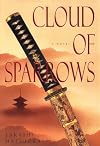
Cloud of Sparrows is a study of the contradictory nature of the Samurai in a time when their world was inexorably moving forward. They are ruthless killers, incited to decapitate a foe over insulting words, but are also moved to tears by the nuance of a gesture, or a perceived boon found in what was not said, or not done to spare feelings and perception of a reputation. This brutal beauty is reflected on an individual as well as a cultural level, and it is into this passionate, yet rigidly show more structured society that Lord Genji ushers in foreign Christian missionaries, who become a catalyst for the events of the story.
Genji himself is a huge juxtaposition of ideas, welcoming the outsiders but at the same time not taking their religion seriously, even as he plans to assist them in setting up a mission location, he seems more fascinated and amused by a new toy, more interested in how it is unsettling his rivals than in their purpose for being there. He is the more forward thinking of the Great Lords, but also has difficulty letting go of some traditions and ingrained ideas, even as he recognizes they are outdated, and sometimes downright ridiculous. Coupled with the difficulties of navigating political waters, he also carries the burden of prescient visions, which often make no sense, but sometimes are all too clear.
Genji and Heiko, Matthew and Emily, Shigeru and even Genji’s loyal warriors and servants are all excellent characters who are tested to their limits throughout the course of the story. We learn the history of how the Americans came to be in Japan and see the Samurai way of life beginning to crumble under the press of time and traditions that cannot be sustained as the world moves in. It is by turns beautiful and violent, poignant and humorous, sensitive and senseless, and it was exactly what I wanted on my visit to this culture and time period. show less
Genji himself is a huge juxtaposition of ideas, welcoming the outsiders but at the same time not taking their religion seriously, even as he plans to assist them in setting up a mission location, he seems more fascinated and amused by a new toy, more interested in how it is unsettling his rivals than in their purpose for being there. He is the more forward thinking of the Great Lords, but also has difficulty letting go of some traditions and ingrained ideas, even as he recognizes they are outdated, and sometimes downright ridiculous. Coupled with the difficulties of navigating political waters, he also carries the burden of prescient visions, which often make no sense, but sometimes are all too clear.
Genji and Heiko, Matthew and Emily, Shigeru and even Genji’s loyal warriors and servants are all excellent characters who are tested to their limits throughout the course of the story. We learn the history of how the Americans came to be in Japan and see the Samurai way of life beginning to crumble under the press of time and traditions that cannot be sustained as the world moves in. It is by turns beautiful and violent, poignant and humorous, sensitive and senseless, and it was exactly what I wanted on my visit to this culture and time period. show less
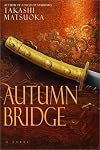
To start off, I loved Cloud of Sparrows. Matsuoka is a gifted writer, and it's a shame that he hasn't written more.
When I first started reading this, I was concerned that it wouldn't live up to Cloud of Sparrows, and had a difficult time understanding the book's structure (frequent jumps back and forth between time periods). However, it all began to make sense after about 25% through, and I found myself racing to the finish.
The sheer depth of emotion and description of the flaws of each and show more every character made the story real. All of the plot holes in Cloud of Sparrows are woven together and answered in ways that were impossible to predict. The reader gets a sense of the rise and fall of the Tokugawa regime, with particular focus on the decline and fall of the samurai class.
The complexity and incredible plot development makes this even better than Cloud of Sparrows. Not as much violence as with the first book, but the ending is masterfully crafted. show less
When I first started reading this, I was concerned that it wouldn't live up to Cloud of Sparrows, and had a difficult time understanding the book's structure (frequent jumps back and forth between time periods). However, it all began to make sense after about 25% through, and I found myself racing to the finish.
The sheer depth of emotion and description of the flaws of each and show more every character made the story real. All of the plot holes in Cloud of Sparrows are woven together and answered in ways that were impossible to predict. The reader gets a sense of the rise and fall of the Tokugawa regime, with particular focus on the decline and fall of the samurai class.
The complexity and incredible plot development makes this even better than Cloud of Sparrows. Not as much violence as with the first book, but the ending is masterfully crafted. show less
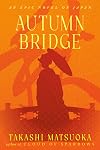
Six years have passed since Okumichi Genji, Great Lord of Akaoka domain, was saved by an American missionary. In the late 1800s, Japan stands on the threshold of change. At the same time, it is fourteenth century Japan, and the Okumichi clan is all but wiped out by a treacherous commander intent on murdering the Okumichi's sorceress ancestor, the Lady Shizuka.
Where to begin about this novel? My summary does it no justice (but then, my summaries never do anything any justice). So I'll just show more launch into the praise, I think. (And here I pause for breath.)
This book is so beautifully made. It is difficult to create a story that jumps back and forth through time and place that doesn't fall apart on the author. Despite the jumping around, he managed to cleverly weave a cohesive story out of so many different threads without it becoming scattered or confusing. At the same time, the prose is beautiful: often understated, yet elaborate at other times. The characterization is vivid and consistent.
I really, really love this book. It is everything a follow-up novel should be. It answered the questions of the first book, created more questions, and answered most of them by the end. While it left a little corner of my heart hoping for more, I'm satisfied enough with the ending to accept that Genji's story is over. Indeed, the novel ended at the PERFECT time and place, in both Genji's story and Shizuka's.
This is an EXCELLENT conclusion (or beginning?) to Matsuoka's Cloud of Sparrows. show less
Where to begin about this novel? My summary does it no justice (but then, my summaries never do anything any justice). So I'll just show more launch into the praise, I think. (And here I pause for breath.)
This book is so beautifully made. It is difficult to create a story that jumps back and forth through time and place that doesn't fall apart on the author. Despite the jumping around, he managed to cleverly weave a cohesive story out of so many different threads without it becoming scattered or confusing. At the same time, the prose is beautiful: often understated, yet elaborate at other times. The characterization is vivid and consistent.
I really, really love this book. It is everything a follow-up novel should be. It answered the questions of the first book, created more questions, and answered most of them by the end. While it left a little corner of my heart hoping for more, I'm satisfied enough with the ending to accept that Genji's story is over. Indeed, the novel ended at the PERFECT time and place, in both Genji's story and Shizuka's.
This is an EXCELLENT conclusion (or beginning?) to Matsuoka's Cloud of Sparrows. show less
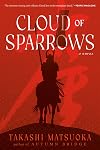
This historical novel is set in 19th century Japan as an expiring samurai culture is clashing with arriving foreigners. I hadn't known that samurais had lasted even this late, so was interested to learn a little about this very different society and its ways. A small group of missionaries becomes involved with one of the reigning nobles, who is contending for position against the Shogun's security chief. One of the young missionaries is a 18 year old female--I wonder where this is leading.
Lists
You May Also Like


Statistics
- Works
- 7
- Members
- 1,307
- Popularity
- #19,641
- Rating
- 3.8
- Reviews
- 32
- ISBNs
- 63
- Languages
- 12
- Favorited
- 6