
Sun Yung Shin
Author of A Good Time for the Truth: Race in Minnesota
About the Author
Sun Yung Shin is he editor of the best-selling anthology A Good Time for the Truth: Race in Minnesota and author of the children's book Cooper's Lesson and three poetry collections, including Unbearable Splendor, winner of a Minnesota Book Award.
Image credit: via Amazon.com
Works by Sun Yung Shin
Associated Works
We Are Meant to Rise: Voices for Justice from Minneapolis to the World (2021) — Contributor — 32 copies, 2 reviews
What God Is Honored Here?: Writings on Miscarriage and Infant Loss by and for Native Women and Women of Color (2019) — Contributor — 27 copies, 2 reviews
Tagged
Common Knowledge
- Birthdate
- 1974
- Gender
- female
- Education
- Boston University
Macalester College
University of St. Thomas - Birthplace
- Seoul, South Korea
- Places of residence
- Chicago, Illinois, USA
Minneapolis, Minnesota, USA - Associated Place (for map)
- USA
Members
Reviews
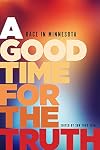
This is a painful and thought-provoking collection of essays by local writers on their personal experiences with race in Minnesota. A common theme that I sensed throughout the essays was that unlike the overt racism for which the southern U.S. is notorious, racism in Minnesota is present, expressed and revealed subtly, often in the form of microaggressions. Which is more harmful? We Minnesotans often pride ourselves on our progressiveness and "Minnesota Nice," so I read these with feelings show more of both shame and anger, as well as a kind of helplessness, wondering what kind of difference I personally can make to improve the experiences of Minnesota's POC. show less
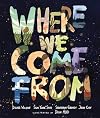
This multi-racial story and poem has the unifying thread of we all come from the same stardust and from single cells, from there are stories are linked by migration stories - places and beings. Each migration story is unique but similar in the themes of coming from somewhere and someone. The vibrant illustrations reinforce the words and can help to demystify the story for younger children, adults can take in the artwork and enjoy the colors and talent.
I appreciated the authors did not shy show more away from talking about race in a multifold way, including talking about slavery and calling it out: "White people called my ancestors "slaves," and Native boarding schools: "I come from ... ancestors forced to learn English at boarding schools." Addressing it in children's books is how we grow our racial fluency and to face our realities.
I can see teachers or artists using this book as a jumping-off point for activities related to identity.
I'm looking forward to getting my hands on a bound paper copy of this book. I have a feeling the pages will pop with vibrancy.
Previewed an e-copy with NetGalley show less
I appreciated the authors did not shy show more away from talking about race in a multifold way, including talking about slavery and calling it out: "White people called my ancestors "slaves," and Native boarding schools: "I come from ... ancestors forced to learn English at boarding schools." Addressing it in children's books is how we grow our racial fluency and to face our realities.
I can see teachers or artists using this book as a jumping-off point for activities related to identity.
I'm looking forward to getting my hands on a bound paper copy of this book. I have a feeling the pages will pop with vibrancy.
Previewed an e-copy with NetGalley show less
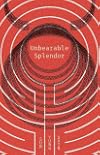
I forget exactly why I sought out this book, but I really enjoyed it. The book cover describes this as "poetry as essay," which definitely feels right. Packed with big mythology and references to classics (some of which I had to look up to refresh my memory), with themes of adoption, motherhood, and identity.
I really loved the illustrations (especially the graphs!). I loved the bits on Korean. The most memorable poem in the collection for me was just a tiny fragment of "Autoclonography," -- show more "you are small again a small i a short thing with a black dot for a face -- we have always wanted a dot for a face -- so much easier to look beautiful every day..."
Ambitious and moving. show less
I really loved the illustrations (especially the graphs!). I loved the bits on Korean. The most memorable poem in the collection for me was just a tiny fragment of "Autoclonography," -- show more "you are small again a small i a short thing with a black dot for a face -- we have always wanted a dot for a face -- so much easier to look beautiful every day..."
Ambitious and moving. show less
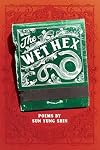
I picked this up because I had previously read and loved Unbearable Splendor by the same author, but this never quite caught me in the same way, and I'm not entirely sure why. There were of course similarities between the two collections — the occasional use of symbolic imagery, lots of references to mythology (this one drawing more heavily on the Korean story of Princess Bari, Unbearable Splendor more on Western myths), so much cleverness that I often felt I wouldn't be able to catch more show more than 60% of what she was doing.
Perhaps it was just the curse of expectations? Because there certainly still was so much that did work for me here. I think my favorite poem was the first one, "Translate This Body into Everything" —
Here I am at the inconvenience
store of unspoken words. show less
Perhaps it was just the curse of expectations? Because there certainly still was so much that did work for me here. I think my favorite poem was the first one, "Translate This Body into Everything" —
Here I am at the inconvenience
store of unspoken words. show less
Lists
South End Press (1)
Youth: DEI (1)
Awards


You May Also Like


Associated Authors
Statistics
- Works
- 10
- Also by
- 6
- Members
- 512
- Popularity
- #48,443
- Rating
- 4.0
- Reviews
- 19
- ISBNs
- 20