
Sinéad Gleeson
Author of Constellations: Reflections From Life
About the Author
Works by Sinéad Gleeson
The Glass Shore: Short Stories by Women Writers from the North of Ireland (2016) — Editor — 23 copies, 1 review
Associated Works
Tagged
Common Knowledge
- Canonical name
- Gleeson, Sinéad
- Gender
- female
- Nationality
- Ireland
- Associated Place (for map)
- Ireland
Members
Reviews
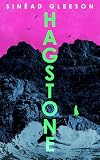
Hagstone, the debut novel from Sinéad Gleeson, tells a gothic-tinged tale of an artist named Nell and her interactions with a group of women living in seclusion on an island off the wild Irish coast. Nell, in her late 20s or early 30s, is native to the island and carries fond memories of growing up fascinated by the natural world. As the novel gets underway, Nell tells us that her career as an artist was one of early success and acclaim, but lately the commissions have dried up, and she’s show more feeling unmoored, directionless. In response, and to re-assess, she has retreated to an isolated cottage where she continues to work, but supplements her meagre earnings by giving tours of the island to visitors. Nell—fiercely independent, a holder of strong opinions, unapologetic defender of nature and tradition—works in a variety of mediums, keeps aloof from the other islanders, and does not fret over her outsider status. But she is also a woman, and when she meets Cleary, a fisherman—newly returned to the island to care for his uncle, Jimmy—and falls in love with him, she finds it confusing but also that it anchors her emotionally. One day a letter arrives. It’s from the Iníons, a group of women living a cloistered, self-sufficient existence in a manor house on a local property called Rathglas. The letter invites Nell to create an artwork in celebration of the group’s 30th anniversary. After some internal debate, she meets with Maman, the leader of the Iníons, and accepts the commission to write a book about the Iníons’ history using archival materials kept at Rathglas. Gleeson presents the Iníons as a quiet, intensely private assembly of women who have renounced the outside world and are living a simple life. Nell is sympathetic to their cause. She knows she’s intruding and understands when it becomes apparent that some of the women want nothing to do with her. But over time she develops a rapport with a few of the more outgoing women and learns of the gossip and speculation that’s circulating regarding Maman’s actions. Midway through the novel, Gleeson introduces Nick, a renown American movie actor, who’s come to the island, supposedly on a break from his hectic life. However, Nell soon realizes that Nick’s true motive is not as innocent as he’s letting on and that his actions are self-serving. From this point, the story Gleeson tells builds around Nick’s disruptive influence, on the Iníons’ and on Nell, who resists but is not completely immune to Nick’s charms. And as the story moves quickly toward a catastrophic denouement, Maman’s autocratic tendencies make Nell wish she’d never accepted the commission in the first place. Throughout the book, Gleeson drops hints into the narrative that mysterious forces emanating from the land and sea are affecting the islanders’ lives and behaviour, that through violent means the island is communicating its displeasure. In her first novel Sinéad Gleeson tells a gripping, poignant and brilliantly atmospheric story of dark motives and good intentions gone wrong. Hagstone is a haunting and harrowing tale filled with passion and urgency, the story of one woman’s struggle to remain true to herself and to her artistic principles at a time of personal uncertainty and upheaval. show less
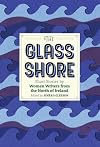
The Glass Shore: Short Stories by Woman Writers from the North of Ireland: Short Stories by Women Writers from the North of Ireland by Sinéad Gleeson
‘’How many times have I re-cloaked myself over the centuries? Sometimes I’ve been feral and sharp-witted, other times, tame and homely. I have metamorphosed so often to suit each husband’s fantasy, I no longer know which version of myself is real.’’
The Seventh Man - Roisin O’Donnell
Northern Irish literature has a spirit all its own: vivid, direct, and unflinching. It doesn’t circle around emotion but faces it head-on, often with a morbid humour that sharpens rather than show more softens the blow. Beneath the wit, there is almost always sadness, a sense of lives lived under weight — of history, of silence, of loss. What makes it compelling is not lyrical flourishes or sentimentality, but the way grief, resilience, and truth-telling are layered together. These are stories that capture ordinary people in extraordinary clarity, never romanticized, never diluted, and all the more powerful for it.
This spirit becomes even clearer in the writings of women authors, who bring to the page not only the landscape but the soul of the land itself. Their stories hold the contradictions of the North of Ireland — faith and doubt, politics and silence, societal demands and private disappointments. From the domestic sphere to the public stage, they communicate how expectation collides with individuality, how resilience is forged in constraint. Through their voices, the truth that emerges is at once personal and collective.
The Mystery of Ora - Rosa Mulholland: The story of a mysterious beauty wondering in the cliffs and the caves, of moonlight and Occultism. Irish Gothic at its best with a proper Gothic heroine.
An Idealist - Ermina Rentoul Esler: A very short story of a young woman who was different from the pattern followed by the women in her village. A girl who tells it like it is, damns the consequences and goes on to become a famous writer.
Eugenia - Sarah Grand: A scoundrel thinks he is armed enough to trap a lively young woman into marrying him (as long as she doesn’t have ‘views’) What he doesn’t know - what many men don’t know - is that he is totally out of his depth. A story about the power of brainy women. Do not underestimate us.
The Hard that Once - ! - Alice Milligan: A young noble lady goes above and beyond to save her nurse’s rebel son. A bit naive, to be honest, but Mabel is such a brave girl…
‘’My darling, ‘tis the black world surely since you went away and left me here behind in sorrow.’’
The Coming of Maire Ban (All Souls’ Night) - Ethna Carbery: A husband is waiting for his dead wife to return on All Souls’ Night. However, another man comes to keep vigil with him, someone who loved her too, and this is a night of surprises. The story of a strange triangle. Very Gothic, very sad.
‘’They did not notice when the flowers died.’’
Village Without Men… - Margaret Barrington: A village is left to die when the husbands and lovers are drowned in a night of terrible storm. The midwife leaves, the young daughters depart. Only a young man remains who dares to fall in love with the new young teacher. This becomes the catalyst for a shocking event in a story that left me in awe with its intensity.
We should not be afraid of our desires, that’s all I’ll say…
The Girls - Janet McNeill: This one gave me much trouble. There is nothing worse than a woman trying to compete with every other woman in sight. And there is nothing ‘feminist’ in oppressing him to prevent infidelity. Irritating, as irritating as the attitude of many wives over the centuries.
Flags and Emblems - Mary Beckett: This story is so moving. During the time of the Troubles, a daughter finds herself thrown into the battle between her father and her brother, who chose to marry a Unionist. A reckless action of his wife causes the rift between the two men to grow even wider. Two voices in this haunting story - the girl who dreams of an escape. The wife who loves her husband but not enough to put her head together and think about right and wrong.
The Countess & Icarus - Polly Devlin: So, I found the dud. I am sure there must be an audience for such stories, but this one gave me a headache. Everyone sleeps with everyone, marriages, affairs. Irish, English, French, and somehow WWII is also involved.
Please, don’t use Greek myths in vain. I am offended.
‘’I serve God’, Clair corrected. ‘The God whose greatest gift is free will. But I will not serve your God.’’
The Devil’s Gift - Frances Molloy: The daughter of a Northern Irish family leaves home to become a nun. In a town where discrimination against Catholic men is ripe, where families are torn under the weight of a cruel reality, why would you inflict yourself with the hardship of living in a convent amidst creatures who have nothing to do with God? There is humility and there is cruelty.
I firmly believe that God gave us beautiful emotions to experience. He doesn’t want to suffocate ourselves behind erected walls. I am a Christian and this is my belief. End of story. This one is a masterpiece.
The Diary (An Everyday Fable) - Una Woods: A moving fable in which a man drowned in sadness and regrets of what could have been, writes in his diary, observed by a chorus of inanimate objects resting in a scrapyard, awaiting their reincarnation.
Capering Penguins - Sheila Llewellyn: A story about a man who has returned from the war, trying to make sense of the new world around him, and the aches that even a Penguin book cannot heal…
The Turn - Linda Anderson: Set in a hospital ward in Cambridge, the story moves back in time to Belfast before the ceasefires. Anna remembers her father and a young man who was murdered by the paramilitary.
‘’She has the power to give but also to take away. I don’t like her much. Watch out for her.’’
Cornucopia - Anne Devlin: The statues of Roman goddesses create havoc within a Northern Irish Catholic family in a story narrated by a woman who is strong, unafraid to demand what she wants, yet too hesitant to fight for it…
*Anne Devlin adapted Wuthering Heights in the 1992 masterpiece starring Ralph Fiennes and Juliette Binoche, directed by Peter Kosminsky, and I worship the ground she walks on.*
Disturbing Words - Evelyn Conlon: In the funeral of both parents, the narrator takes us on a journey to the life of a family living in a land wounded by a border, where you need to pass through a checkpoint to visit a friend. As if that weren’t enough, towns empty when the youth leave to pursue a different life. Written in vivid Northern Irish style.
The Path to Heaven - Mary O’Donnell: The friendship between an Irish woman and a woman from Poland prompts Lauren to educate herself on the relatively less-known horrors of the concentration camp in Sobibor and the hellish Path to Heaven that awaited the Jewish population. The story asks a big WHY? Why did the people who knew did nothing to help the innocent victims of the worst genocide ever known to our world?
The Negotiators - Annemarie Neary: Two women negotiators face the same dangers during the time of Housein’s fall.
No Other Place - Martina Devlin: Set in Omagh shortly before WWII, Devlin dedicates her story to Alice Milligan who contemplates hope and the past, William Butler Yeats and the fight for independence.
‘’It was on 2 November that Davey Black first saw the woman appear on the other side of Carlingford Street, look up at the mural and make the sign of the cross.’’
The Mural Painter - Rosemary Jenkinson: A romantic, haunting story of a mural painter oppressed by a deeply unsatisfying life who falls in love with a mysterious, dark-haired woman who no one seems to know or even see. In a city of violence, love is too much for the ones who only answer to the call of blood. One of my favourite stories in the collection.
The Cure for Too Much Feeling - Bernie McGill: A woman has been haunted by a mistake of the past to the point where even a painting is too disturbing for her.
The Speaking and the Dead - Tara West: A mother is desperately trying to contact her son, who committed suicide, through a series of charlatans who call themselves ‘psychics’. Not the best moment in the collection.
‘’I haunt myself’’
Settling - Jan Carson: A humorous, yet poignant story in which a couple frustrated with Belfast (for reasons no one knows…) moves to London. The woman feels imprisoned there in contrast to her husband who behaves as if he’s won the bloody lottery. The only thing that keeps her sane is her dead grandma. Literally.
Oh, the joys of marital routine, fighting over teapots and frying pans…God, no. Not for me, thank you!
‘’She stops, heart pounding. Sluts. Illegitimate children. Changelings, and fairies to blame them upon. Nothing feels neutral any more, she thinks. It never will again.’’
Mayday - Lucy Caldwell: A young woman is haunted by her unwanted pregnancy, the religious guilt and the memories of a complex childhood. Regardless of my personal view on the matter of abortion, this story deals with an extremely sensitive issue in elegant, almost poetic writing. You feel the sadness and the despair in your heart.
‘’He saw me as the Madonna; a black-haired seraph, crackleware skinned. Santa Maria! he’d yell, when he stumbled from bed in the small hours, sending the storm lantern swinging. For the waves that had swept him to Ireland had stayed inside his skull, leaving him forever listing; the world a tilting deck.’’
The Seventh Man - Roisin O’Donnell: When a dark-haired siren falls in love…
This is the finest story in the collection. A myth, steeped in sensuality and solemnity. A siren narrates her time among the mortals, her men and the love between her and her last husband. The entire Irish history passes before her eyes and I have a soft spot for stories with dark-haired sirens…
The shore is always a threshold: between land and sea, memory and forgetting, silence and voice. These stories hold that spirit — fragments of lives that endure loss, remember resilience, and claim the fragile beauty of belonging.
Reading this in early autumn feels right. The season itself mirrors the themes of the collection — light slipping away sooner, the air carrying a sharper edge, everything marked by both change and continuity. Each story, like each falling leaf, is complete in itself, but together they form a landscape, a chorus of voices that should not be forgotten.
‘’I am a fire someone has forgotten to light, an empty ship too heavy to float.’’
My reviews can also be found on https://theopinionatedreaderblog.wordpress.com/ show less
The Seventh Man - Roisin O’Donnell
Northern Irish literature has a spirit all its own: vivid, direct, and unflinching. It doesn’t circle around emotion but faces it head-on, often with a morbid humour that sharpens rather than show more softens the blow. Beneath the wit, there is almost always sadness, a sense of lives lived under weight — of history, of silence, of loss. What makes it compelling is not lyrical flourishes or sentimentality, but the way grief, resilience, and truth-telling are layered together. These are stories that capture ordinary people in extraordinary clarity, never romanticized, never diluted, and all the more powerful for it.
This spirit becomes even clearer in the writings of women authors, who bring to the page not only the landscape but the soul of the land itself. Their stories hold the contradictions of the North of Ireland — faith and doubt, politics and silence, societal demands and private disappointments. From the domestic sphere to the public stage, they communicate how expectation collides with individuality, how resilience is forged in constraint. Through their voices, the truth that emerges is at once personal and collective.
The Mystery of Ora - Rosa Mulholland: The story of a mysterious beauty wondering in the cliffs and the caves, of moonlight and Occultism. Irish Gothic at its best with a proper Gothic heroine.
An Idealist - Ermina Rentoul Esler: A very short story of a young woman who was different from the pattern followed by the women in her village. A girl who tells it like it is, damns the consequences and goes on to become a famous writer.
Eugenia - Sarah Grand: A scoundrel thinks he is armed enough to trap a lively young woman into marrying him (as long as she doesn’t have ‘views’) What he doesn’t know - what many men don’t know - is that he is totally out of his depth. A story about the power of brainy women. Do not underestimate us.
The Hard that Once - ! - Alice Milligan: A young noble lady goes above and beyond to save her nurse’s rebel son. A bit naive, to be honest, but Mabel is such a brave girl…
‘’My darling, ‘tis the black world surely since you went away and left me here behind in sorrow.’’
The Coming of Maire Ban (All Souls’ Night) - Ethna Carbery: A husband is waiting for his dead wife to return on All Souls’ Night. However, another man comes to keep vigil with him, someone who loved her too, and this is a night of surprises. The story of a strange triangle. Very Gothic, very sad.
‘’They did not notice when the flowers died.’’
Village Without Men… - Margaret Barrington: A village is left to die when the husbands and lovers are drowned in a night of terrible storm. The midwife leaves, the young daughters depart. Only a young man remains who dares to fall in love with the new young teacher. This becomes the catalyst for a shocking event in a story that left me in awe with its intensity.
We should not be afraid of our desires, that’s all I’ll say…
The Girls - Janet McNeill: This one gave me much trouble. There is nothing worse than a woman trying to compete with every other woman in sight. And there is nothing ‘feminist’ in oppressing him to prevent infidelity. Irritating, as irritating as the attitude of many wives over the centuries.
Flags and Emblems - Mary Beckett: This story is so moving. During the time of the Troubles, a daughter finds herself thrown into the battle between her father and her brother, who chose to marry a Unionist. A reckless action of his wife causes the rift between the two men to grow even wider. Two voices in this haunting story - the girl who dreams of an escape. The wife who loves her husband but not enough to put her head together and think about right and wrong.
The Countess & Icarus - Polly Devlin: So, I found the dud. I am sure there must be an audience for such stories, but this one gave me a headache. Everyone sleeps with everyone, marriages, affairs. Irish, English, French, and somehow WWII is also involved.
Please, don’t use Greek myths in vain. I am offended.
‘’I serve God’, Clair corrected. ‘The God whose greatest gift is free will. But I will not serve your God.’’
The Devil’s Gift - Frances Molloy: The daughter of a Northern Irish family leaves home to become a nun. In a town where discrimination against Catholic men is ripe, where families are torn under the weight of a cruel reality, why would you inflict yourself with the hardship of living in a convent amidst creatures who have nothing to do with God? There is humility and there is cruelty.
I firmly believe that God gave us beautiful emotions to experience. He doesn’t want to suffocate ourselves behind erected walls. I am a Christian and this is my belief. End of story. This one is a masterpiece.
The Diary (An Everyday Fable) - Una Woods: A moving fable in which a man drowned in sadness and regrets of what could have been, writes in his diary, observed by a chorus of inanimate objects resting in a scrapyard, awaiting their reincarnation.
Capering Penguins - Sheila Llewellyn: A story about a man who has returned from the war, trying to make sense of the new world around him, and the aches that even a Penguin book cannot heal…
The Turn - Linda Anderson: Set in a hospital ward in Cambridge, the story moves back in time to Belfast before the ceasefires. Anna remembers her father and a young man who was murdered by the paramilitary.
‘’She has the power to give but also to take away. I don’t like her much. Watch out for her.’’
Cornucopia - Anne Devlin: The statues of Roman goddesses create havoc within a Northern Irish Catholic family in a story narrated by a woman who is strong, unafraid to demand what she wants, yet too hesitant to fight for it…
*Anne Devlin adapted Wuthering Heights in the 1992 masterpiece starring Ralph Fiennes and Juliette Binoche, directed by Peter Kosminsky, and I worship the ground she walks on.*
Disturbing Words - Evelyn Conlon: In the funeral of both parents, the narrator takes us on a journey to the life of a family living in a land wounded by a border, where you need to pass through a checkpoint to visit a friend. As if that weren’t enough, towns empty when the youth leave to pursue a different life. Written in vivid Northern Irish style.
The Path to Heaven - Mary O’Donnell: The friendship between an Irish woman and a woman from Poland prompts Lauren to educate herself on the relatively less-known horrors of the concentration camp in Sobibor and the hellish Path to Heaven that awaited the Jewish population. The story asks a big WHY? Why did the people who knew did nothing to help the innocent victims of the worst genocide ever known to our world?
The Negotiators - Annemarie Neary: Two women negotiators face the same dangers during the time of Housein’s fall.
No Other Place - Martina Devlin: Set in Omagh shortly before WWII, Devlin dedicates her story to Alice Milligan who contemplates hope and the past, William Butler Yeats and the fight for independence.
‘’It was on 2 November that Davey Black first saw the woman appear on the other side of Carlingford Street, look up at the mural and make the sign of the cross.’’
The Mural Painter - Rosemary Jenkinson: A romantic, haunting story of a mural painter oppressed by a deeply unsatisfying life who falls in love with a mysterious, dark-haired woman who no one seems to know or even see. In a city of violence, love is too much for the ones who only answer to the call of blood. One of my favourite stories in the collection.
The Cure for Too Much Feeling - Bernie McGill: A woman has been haunted by a mistake of the past to the point where even a painting is too disturbing for her.
The Speaking and the Dead - Tara West: A mother is desperately trying to contact her son, who committed suicide, through a series of charlatans who call themselves ‘psychics’. Not the best moment in the collection.
‘’I haunt myself’’
Settling - Jan Carson: A humorous, yet poignant story in which a couple frustrated with Belfast (for reasons no one knows…) moves to London. The woman feels imprisoned there in contrast to her husband who behaves as if he’s won the bloody lottery. The only thing that keeps her sane is her dead grandma. Literally.
Oh, the joys of marital routine, fighting over teapots and frying pans…God, no. Not for me, thank you!
‘’She stops, heart pounding. Sluts. Illegitimate children. Changelings, and fairies to blame them upon. Nothing feels neutral any more, she thinks. It never will again.’’
Mayday - Lucy Caldwell: A young woman is haunted by her unwanted pregnancy, the religious guilt and the memories of a complex childhood. Regardless of my personal view on the matter of abortion, this story deals with an extremely sensitive issue in elegant, almost poetic writing. You feel the sadness and the despair in your heart.
‘’He saw me as the Madonna; a black-haired seraph, crackleware skinned. Santa Maria! he’d yell, when he stumbled from bed in the small hours, sending the storm lantern swinging. For the waves that had swept him to Ireland had stayed inside his skull, leaving him forever listing; the world a tilting deck.’’
The Seventh Man - Roisin O’Donnell: When a dark-haired siren falls in love…
This is the finest story in the collection. A myth, steeped in sensuality and solemnity. A siren narrates her time among the mortals, her men and the love between her and her last husband. The entire Irish history passes before her eyes and I have a soft spot for stories with dark-haired sirens…
The shore is always a threshold: between land and sea, memory and forgetting, silence and voice. These stories hold that spirit — fragments of lives that endure loss, remember resilience, and claim the fragile beauty of belonging.
Reading this in early autumn feels right. The season itself mirrors the themes of the collection — light slipping away sooner, the air carrying a sharper edge, everything marked by both change and continuity. Each story, like each falling leaf, is complete in itself, but together they form a landscape, a chorus of voices that should not be forgotten.
‘’I am a fire someone has forgotten to light, an empty ship too heavy to float.’’
My reviews can also be found on https://theopinionatedreaderblog.wordpress.com/ show less
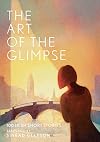
‘’That night, I walked the streets of East Belfast again in my dreams. Waking, the dream seemed to linger far longer than a mere dream. These streets are ours. I was jittery all day, a restless, nauseous, over-caffeinated feeling. I could email her, I thought, through the website. I wouldn’t bother with pleasantries or preliminaries. I’d just say, ‘There we were. Do you remember?’’
The poignancy, richness and diversity of Irish Literature within a volume, beautifully selected by show more Sinead Gleeson. From the haunting to the satirical, the romantic, the tragic. Snippets of the woes and joys of the farmers’ lives, the complexities of urban landscapes, the sorrows of the heart, the terrors of the mind, and the irrevocable wounds of the Troubles that shaped the soul of the Northern Irish. A collection to be cherished.
Do you recall the feeling of being alone in your room, reading while the soft light of the sun enters from the window on a late summer afternoon? The silence and the calm? This collection reminded me of those precious moments.
My favourite stories include:
The Quest by Leland Bardwell: A woman travels to England to meet the son she gave up for adoption 40 years ago.
Over and Done With by Claire-Louise Bennett: A woman who lives alone tries to cope with the demanding atmosphere of Christmas.
Ann Lee’s by Elizabeth Bowen: A mysterious visitor creates mischief in the shop of a formidable lady.
Here We Are by Lucy Caldwell: A beautifully atmospheric coming-of-age story about love, death and summer holidays, set in East Belfast.
The Yew Tree by Oein DeBhairduin: A folk tale of loss and grief, true to the haunting Irish nature.
The Pram by Roddy Doyle: A terrifying ghost story that combines the finest features of the Irish legends and Slavic traditions. Brilliant!
Virgin Soil by George Egerton: A daughter who had to put up with a violent husband, escapes the nightmare of her wedding and rebels against her naive, oppressive mother.
A Love by Neil Jordan: A moving love affair, set in Dublin and Limerick.
Antarctica by Claire Keegan: The only story by Keegan that I actually enjoyed. A sensual tale that turns into a nightmare.
Hunger by Louise Kennedy: A hymn to Bobby Sands through the eyes of an adolescent girl that has found herself in the wolf’s den.
Walking the Dog by Brendan MacLaverty: A man finds himself threatened by both sides that claim to ‘’fight’’ the absurd war of the Troubles.
A Shiver of Hearts by Una Mannion: A statue of the Virgin Mary becomes the heart of a young girl’s story.
A Journey by Edna O’Brien: As with Keegan this is the only O’Brien story that managed to attract my attention, narrating a doomed love affair.
Black Spot by Deidre Sullivan: If you are a teacher you cannot help but adore this tender and moving story. show less
The poignancy, richness and diversity of Irish Literature within a volume, beautifully selected by show more Sinead Gleeson. From the haunting to the satirical, the romantic, the tragic. Snippets of the woes and joys of the farmers’ lives, the complexities of urban landscapes, the sorrows of the heart, the terrors of the mind, and the irrevocable wounds of the Troubles that shaped the soul of the Northern Irish. A collection to be cherished.
Do you recall the feeling of being alone in your room, reading while the soft light of the sun enters from the window on a late summer afternoon? The silence and the calm? This collection reminded me of those precious moments.
My favourite stories include:
The Quest by Leland Bardwell: A woman travels to England to meet the son she gave up for adoption 40 years ago.
Over and Done With by Claire-Louise Bennett: A woman who lives alone tries to cope with the demanding atmosphere of Christmas.
Ann Lee’s by Elizabeth Bowen: A mysterious visitor creates mischief in the shop of a formidable lady.
Here We Are by Lucy Caldwell: A beautifully atmospheric coming-of-age story about love, death and summer holidays, set in East Belfast.
The Yew Tree by Oein DeBhairduin: A folk tale of loss and grief, true to the haunting Irish nature.
The Pram by Roddy Doyle: A terrifying ghost story that combines the finest features of the Irish legends and Slavic traditions. Brilliant!
Virgin Soil by George Egerton: A daughter who had to put up with a violent husband, escapes the nightmare of her wedding and rebels against her naive, oppressive mother.
A Love by Neil Jordan: A moving love affair, set in Dublin and Limerick.
Antarctica by Claire Keegan: The only story by Keegan that I actually enjoyed. A sensual tale that turns into a nightmare.
Hunger by Louise Kennedy: A hymn to Bobby Sands through the eyes of an adolescent girl that has found herself in the wolf’s den.
Walking the Dog by Brendan MacLaverty: A man finds himself threatened by both sides that claim to ‘’fight’’ the absurd war of the Troubles.
A Shiver of Hearts by Una Mannion: A statue of the Virgin Mary becomes the heart of a young girl’s story.
A Journey by Edna O’Brien: As with Keegan this is the only O’Brien story that managed to attract my attention, narrating a doomed love affair.
Black Spot by Deidre Sullivan: If you are a teacher you cannot help but adore this tender and moving story. show less
Sinéad Gleeson’s memoir Constellations explores the relationship between our bodies and our identity. In a series of linked essays, she writes powerfully about her own experiences and what they tell us about the embodied lives of all women, particularly Irish women.
Gleeson has been doubly unlucky. As an adolescent she had a form of arthritis which meant painful surgery and using crutches (and sometimes a wheelchair) just at the age when people are most self-conscious about their body, and show more most eager to join in with friends. Later, just months after marrying, she was diagnosed with leukaemia.
I found the essays about illness to be particularly moving. The writing is lyrical and visceral and without self-pity. She captures the loss of autonomy, the battles with professionals to be heard, the detachment from the everyday world, the strange acoustics and enforced intimacies of hospital life.
She considers the relationship between women and fertility, linking her own hopes and fears about being able to have children, with the way women are defined by their role as mothers. She broadens this to consider the struggle for Irish women to have legal access to abortion, and the injustices of the past when women were institutionalised for becoming pregnant outside marriage.
She explores the other ways women have been confined, contrasting her own experiences of freedom to travel and to be educated with the poverty and limited horizons of her grandmother’s generation. She argues that the visions for which her grandmother was famous might have been a reaction to this confinement, a way to envisage a bigger, stranger universe.
What Constellations brought home to me is how serious illness sets someone apart. It is more than the absence of health, experiences missed, it is a whole other state of being, of loneliness and pain and otherness. Worse, it is a state that many medical professionals (especially if the doctor is a man, and the patient is a woman) still dismiss.
Constellations gives a vivid and vital insight into living with illness and how the bodies we inhabit make us who we are.
*
I received a copy of Constellations from the publisher via Netgalley.
Read more of my reviews on my blog katevane.com/blog show less
Gleeson has been doubly unlucky. As an adolescent she had a form of arthritis which meant painful surgery and using crutches (and sometimes a wheelchair) just at the age when people are most self-conscious about their body, and show more most eager to join in with friends. Later, just months after marrying, she was diagnosed with leukaemia.
I found the essays about illness to be particularly moving. The writing is lyrical and visceral and without self-pity. She captures the loss of autonomy, the battles with professionals to be heard, the detachment from the everyday world, the strange acoustics and enforced intimacies of hospital life.
She considers the relationship between women and fertility, linking her own hopes and fears about being able to have children, with the way women are defined by their role as mothers. She broadens this to consider the struggle for Irish women to have legal access to abortion, and the injustices of the past when women were institutionalised for becoming pregnant outside marriage.
She explores the other ways women have been confined, contrasting her own experiences of freedom to travel and to be educated with the poverty and limited horizons of her grandmother’s generation. She argues that the visions for which her grandmother was famous might have been a reaction to this confinement, a way to envisage a bigger, stranger universe.
What Constellations brought home to me is how serious illness sets someone apart. It is more than the absence of health, experiences missed, it is a whole other state of being, of loneliness and pain and otherness. Worse, it is a state that many medical professionals (especially if the doctor is a man, and the patient is a woman) still dismiss.
Constellations gives a vivid and vital insight into living with illness and how the bodies we inhabit make us who we are.
*
I received a copy of Constellations from the publisher via Netgalley.
Read more of my reviews on my blog katevane.com/blog show less
Lists
Awards


You May Also Like


Associated Authors
Statistics
- Works
- 9
- Also by
- 5
- Members
- 454
- Popularity
- #54,063
- Rating
- 3.9
- Reviews
- 13
- ISBNs
- 42
- Languages
- 3