
Luke Scull
Author of The Grim Company
About the Author
Series
Works by Luke Scull
Associated Works
Tagged
Common Knowledge
- Birthdate
- 20th century
- Gender
- male
- Occupations
- videogame designer
author - Agent
- Alexander Cochran (C&W Agency)
- Nationality
- UK
- Birthplace
- Bristol, England, UK
- Places of residence
- Bristol, England, UK
Argentina
Warminster, Wiltshire, England, UK - Associated Place (for map)
- England, UK
Members
Reviews
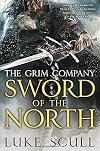
Of the many fantasy sequels coming out this year, Luke Scull’s Sword of the North is high on my anticipated list. The follow-up to the hit that was The Grim Company, this second book continues with a story teeming with fantastic characters, a strong plot, and plenty of action.
In the first book we met Brodar Kayne, a hero from the cold reaches whose battle prowess and skill with a blade earned him the title Sword of the North. Together with a band of ragtag outcasts, he and his companion show more Jerek the Wolf were able to survive the chaos that reigned after the White Lady declared victory and succeeded the tyrant Salazar. However, their new ruler has proven not to be as benevolent as she claimed. Something feels rotten at the heart of the city as dissidents are captured or disappeared, but if the White Lady cannot be convinced of the new danger threatening Dorminia, the state of things are sure to go from bad to worse.
Our grim company is broken now, the characters scattered across the land to pursue their own personal quests. Amidst dark tidings about the Shaman and demon hordes in the High Fangs, Brodar and Jerek begin their journey back to their homeland in light of new revelations about Brodar’s family. Weakened and injured from the ordeal at the end of book one, Davarus Cole wakes up in a labor camp and immediately finds himself put to work, but deep inside he is a changed man, no longer the puffed-up blowhard he once was. Sasha grieves, believing Cole lost to her, and falls back into her drug addiction even as she travels with her slightly unhinged sister Ambryl to bring news to the White Lady. And last but certainly not least, there is Eremul the Halfmage who continues his investigation into the race of immortals known as the Fade. Who are these mysterious creatures? And what do they want?
Make no mistake, the characters are the highlight of this series. It’s difficult for me to single out any favorites, because they are all so well written, deeply developed and memorable in their own way. I don’t know how Luke Scull does it, but even when his characters are dastardly and unlikeable, they’re great. Take for example, the chapters featuring Sir Meredith and his misguided notions of honor. I found them a pleasure to read, if for no other reason because you know it’ll feel so good when the cruel “knight” finally gets what he deserves.
I also believe much of the characters’ strength comes from their all-too-human flaws, which are nonetheless balanced by admirable virtues…well, in most cases anyway. Even Jerek who is as crass as ever can be lovable in his own way, because one would think nothing can shake the old Wolf’s loyalty to his friends. It’s what makes one significant plot development late in the novel so heart-wrenching. When it comes to plot elements that cut deeply, there’s also Sasha and her hopeless cycle of abstaining from the moon dust only to fall off the wagon again and again. Scull has this way of getting you right into the heads of his characters, and Sasha’s struggle with the drug is one instance where the storytelling really closes in at a more intimate level. It’s all about personal stories, and nothing can be more personal than the flashbacks to Brodar Kayne’s past. These chapters were excellent, giving insight into our rough and tough protagonist, especially with the way they were interspersed with his present perspective. The company may be no more, most of its members separated, but in the process we’ve actually been given some great opportunities to further explore each character.
I was also surprised that for a heavy book containing such abundant themes and trappings of grimdark, Sword of the North was a relatively smooth, breezy read. It’s helped by the strong thread of wry humor woven through the story as well as the straight forward prose and dialogue, which at times featured language that bordered on modern-sounding. It’s not all gloom and doom despite the action and brutal violence, and actually managed to pull quite a few laughs out of me too.
As for flaws, I can’t think of many at all. Sword of the North is the middle book of a planned trilogy, and there are a lot of plot threads to follow so you can expect a slight slowdown in some of them while we gear up for the finale. On the whole, I found this to be the case with Davarus Cole as well as Eremul’s chapters. That’s not to say they were boring; on the contrary, there’s a lot of development happening there. But in terms of pacing, they were no match for Brodar Kayne’s action-filled chapters. Practically every other scene featured Brodar and his companions sticking a sword in something’s face, whether they be bandits, the risen undead, or poop-flinging barbarians. There were a couple new plot elements inserted into that storyline that felt a bit awkward though, such as a certain character from the Jade Isles who joins Brodar and his party late in the book. I think Scull may be setting up some game changers for book three, but the introduction of this character still seemed quite sudden and random. I guess we’ll see if it pays off in the next installment, but something tells me the author knows what he’s doing.
All told, this book was very enjoyable. Speaking of the next installment, I absolutely cannot wait for the third and final volume of this trilogy. If the first and second books are any indication, the finale is going to be well worth it. In Sword of the North, Luke Scull delivered a truly stellar sequel. show less
In the first book we met Brodar Kayne, a hero from the cold reaches whose battle prowess and skill with a blade earned him the title Sword of the North. Together with a band of ragtag outcasts, he and his companion show more Jerek the Wolf were able to survive the chaos that reigned after the White Lady declared victory and succeeded the tyrant Salazar. However, their new ruler has proven not to be as benevolent as she claimed. Something feels rotten at the heart of the city as dissidents are captured or disappeared, but if the White Lady cannot be convinced of the new danger threatening Dorminia, the state of things are sure to go from bad to worse.
Our grim company is broken now, the characters scattered across the land to pursue their own personal quests. Amidst dark tidings about the Shaman and demon hordes in the High Fangs, Brodar and Jerek begin their journey back to their homeland in light of new revelations about Brodar’s family. Weakened and injured from the ordeal at the end of book one, Davarus Cole wakes up in a labor camp and immediately finds himself put to work, but deep inside he is a changed man, no longer the puffed-up blowhard he once was. Sasha grieves, believing Cole lost to her, and falls back into her drug addiction even as she travels with her slightly unhinged sister Ambryl to bring news to the White Lady. And last but certainly not least, there is Eremul the Halfmage who continues his investigation into the race of immortals known as the Fade. Who are these mysterious creatures? And what do they want?
Make no mistake, the characters are the highlight of this series. It’s difficult for me to single out any favorites, because they are all so well written, deeply developed and memorable in their own way. I don’t know how Luke Scull does it, but even when his characters are dastardly and unlikeable, they’re great. Take for example, the chapters featuring Sir Meredith and his misguided notions of honor. I found them a pleasure to read, if for no other reason because you know it’ll feel so good when the cruel “knight” finally gets what he deserves.
I also believe much of the characters’ strength comes from their all-too-human flaws, which are nonetheless balanced by admirable virtues…well, in most cases anyway. Even Jerek who is as crass as ever can be lovable in his own way, because one would think nothing can shake the old Wolf’s loyalty to his friends. It’s what makes one significant plot development late in the novel so heart-wrenching. When it comes to plot elements that cut deeply, there’s also Sasha and her hopeless cycle of abstaining from the moon dust only to fall off the wagon again and again. Scull has this way of getting you right into the heads of his characters, and Sasha’s struggle with the drug is one instance where the storytelling really closes in at a more intimate level. It’s all about personal stories, and nothing can be more personal than the flashbacks to Brodar Kayne’s past. These chapters were excellent, giving insight into our rough and tough protagonist, especially with the way they were interspersed with his present perspective. The company may be no more, most of its members separated, but in the process we’ve actually been given some great opportunities to further explore each character.
I was also surprised that for a heavy book containing such abundant themes and trappings of grimdark, Sword of the North was a relatively smooth, breezy read. It’s helped by the strong thread of wry humor woven through the story as well as the straight forward prose and dialogue, which at times featured language that bordered on modern-sounding. It’s not all gloom and doom despite the action and brutal violence, and actually managed to pull quite a few laughs out of me too.
As for flaws, I can’t think of many at all. Sword of the North is the middle book of a planned trilogy, and there are a lot of plot threads to follow so you can expect a slight slowdown in some of them while we gear up for the finale. On the whole, I found this to be the case with Davarus Cole as well as Eremul’s chapters. That’s not to say they were boring; on the contrary, there’s a lot of development happening there. But in terms of pacing, they were no match for Brodar Kayne’s action-filled chapters. Practically every other scene featured Brodar and his companions sticking a sword in something’s face, whether they be bandits, the risen undead, or poop-flinging barbarians. There were a couple new plot elements inserted into that storyline that felt a bit awkward though, such as a certain character from the Jade Isles who joins Brodar and his party late in the book. I think Scull may be setting up some game changers for book three, but the introduction of this character still seemed quite sudden and random. I guess we’ll see if it pays off in the next installment, but something tells me the author knows what he’s doing.
All told, this book was very enjoyable. Speaking of the next installment, I absolutely cannot wait for the third and final volume of this trilogy. If the first and second books are any indication, the finale is going to be well worth it. In Sword of the North, Luke Scull delivered a truly stellar sequel. show less
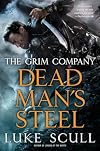
I don't give out a lot of 5 star reviews, but often when I do it's for the last book in a series. That's probably because if they're good books I'm probably really connected to the characters by then and if the ending's good then that seals the deal.
This is "grimdark" without the pretense. This isn't the guy who just went to Hot Topic for the first time and stepped out a punk rawker. This is the real deal. Dark, gritty, bloody, and downright mean to some of the characters that you really show more want to succeed, but not emo. Demons, giants, dragons, magic and in this final book some technology. The tech kinda threw me at first, but I got used to it quick.
Congrats Mr. Scull. I know we talked years ago when I read the first book, you've got a satisfied customer. What's next? show less
This is "grimdark" without the pretense. This isn't the guy who just went to Hot Topic for the first time and stepped out a punk rawker. This is the real deal. Dark, gritty, bloody, and downright mean to some of the characters that you really show more want to succeed, but not emo. Demons, giants, dragons, magic and in this final book some technology. The tech kinda threw me at first, but I got used to it quick.
Congrats Mr. Scull. I know we talked years ago when I read the first book, you've got a satisfied customer. What's next? show less
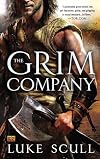
This book was definitely a pleasant surprise or maybe I should say unpleasant since it's supposed to be in the "grimdark" genre. The good thing about it is that it's not only dark and gritty, there's humor in there but it doesn't feel forced or campy like a lot of fantasy humor. All of the humor centers around Davarus Cole, a brilliant creation of a character type I haven't seen in fantasy before.
This is epic fantasy that's contained in under 500 pages, has plenty of action, really cool show more magic, an interesting back story and extremely likable characters. It's really brutal, occasionally a little over the top in the believability department, but didn't feel like it was forced. There's a second book but the first one does NOT end with a cliffhanger.
I did this on audio and the narrator was good but one strange thing is that he alternated between calling Davarus' dagger "Mage Bane" and "Mega Bane". The first time he said "Mega Bane" I was worried the story was really going to suck, I almost stopped because it sounded like something from a video game.
In the end I'm really glad I picked up this unknown (to me) author's work and I can't wait for the next book to come out. show less
This is epic fantasy that's contained in under 500 pages, has plenty of action, really cool show more magic, an interesting back story and extremely likable characters. It's really brutal, occasionally a little over the top in the believability department, but didn't feel like it was forced. There's a second book but the first one does NOT end with a cliffhanger.
I did this on audio and the narrator was good but one strange thing is that he alternated between calling Davarus' dagger "Mage Bane" and "Mega Bane". The first time he said "Mega Bane" I was worried the story was really going to suck, I almost stopped because it sounded like something from a video game.
In the end I'm really glad I picked up this unknown (to me) author's work and I can't wait for the next book to come out. show less
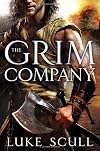
JRR Tolkien casts a long shadow across Fantasy fiction. He proved that fantasy fiction can have literary merit. It was a lofty example he set. To paraphrase Raymond Chandler, famous for his pulp crime stories, "genre fiction is not an excuse for poor writing".
Thankfully, for fantasy readers, others have risen to great heights. George RR Martin, Patrick Rothfuss, and Gene Wolf all spring immediately to mind.
At a less lofty standard, but still excellent within the genre are writers like show more Feist, Sanderson, Gaiman, Jordan.
I'd even argue tooth and nail with someone that Weiss & Hickman's Dragonlance Legends Trilogy transcends that mythos and delivers a character-rich epic fantasy story; Raistlin Majere is right up there with great characters in fantasy fiction.
Which brings me to The Grimm Company.
Discerning fantasy enthusiasts deserve better than this. Pull out the swearing and graphic violence and you could slap a Forgotten Realms banner on this book. The writing does not rise beyond that standard, and even then I'd be casting dispersion on RA Salvatore and his solid Drizzt Do'Urden stories.
The great Fantasy novels are evocative, rich immersive experiences. They have memorable characters of depth and humanity. They are told with strong narrative voices. All of this can be achieved within the tropes of the genre. Heck, the best push these boundaries further.
The Grim Company felt like a 15 year old boys concept of a fantasy novel. The characters are cardboard cutout caricatures. Their behaviour labored, obvious and lacking depth or defining qualities. In the case of one character - he's outright annoying. The writing itself heavy handed and littered with chunks of mood-killing exposition. It feels like fantasy by the numbers written on autopilot.
The other thing that really bugged me is the current trend for "gritty" fantasy with violence and swearing. No matter how old words like 'F*ck, Sh*t, C**t" really are, they're in such common parlance today that they ring too modern for the context. I would prefer authors be more creative with their curses.
The descriptions of violence lack impact the same way fake blood in zombie splatter films lack impact. It does not add depth to the story. It does not add depth to characters. It's just a gleeful wash of (red) colour. You want colourful, progressive shocking violence? Go watch the scene in Jackie brown where Louis shoots Melanie, or Pulp Fiction when Vincent shoots Marvin. Tarantino was a great student of film and he really understood this stuff. There's a reason *that* scene in Reservoir dogs was so shocking despite nothing actually being shown. This can be translated to the written word too.
I don't get off on critisicing authors - it's a tough gig. But I wish more thought and art went into this story. This novel is not Rembrandt, it's not even dogs playing pool. It is a black heavy-metal T-shirt with some flaming skulls on it. Some people will dig that. I hated it. show less
Thankfully, for fantasy readers, others have risen to great heights. George RR Martin, Patrick Rothfuss, and Gene Wolf all spring immediately to mind.
At a less lofty standard, but still excellent within the genre are writers like show more Feist, Sanderson, Gaiman, Jordan.
I'd even argue tooth and nail with someone that Weiss & Hickman's Dragonlance Legends Trilogy transcends that mythos and delivers a character-rich epic fantasy story; Raistlin Majere is right up there with great characters in fantasy fiction.
Which brings me to The Grimm Company.
Discerning fantasy enthusiasts deserve better than this. Pull out the swearing and graphic violence and you could slap a Forgotten Realms banner on this book. The writing does not rise beyond that standard, and even then I'd be casting dispersion on RA Salvatore and his solid Drizzt Do'Urden stories.
The great Fantasy novels are evocative, rich immersive experiences. They have memorable characters of depth and humanity. They are told with strong narrative voices. All of this can be achieved within the tropes of the genre. Heck, the best push these boundaries further.
The Grim Company felt like a 15 year old boys concept of a fantasy novel. The characters are cardboard cutout caricatures. Their behaviour labored, obvious and lacking depth or defining qualities. In the case of one character - he's outright annoying. The writing itself heavy handed and littered with chunks of mood-killing exposition. It feels like fantasy by the numbers written on autopilot.
The other thing that really bugged me is the current trend for "gritty" fantasy with violence and swearing. No matter how old words like 'F*ck, Sh*t, C**t" really are, they're in such common parlance today that they ring too modern for the context. I would prefer authors be more creative with their curses.
The descriptions of violence lack impact the same way fake blood in zombie splatter films lack impact. It does not add depth to the story. It does not add depth to characters. It's just a gleeful wash of (red) colour. You want colourful, progressive shocking violence? Go watch the scene in Jackie brown where Louis shoots Melanie, or Pulp Fiction when Vincent shoots Marvin. Tarantino was a great student of film and he really understood this stuff. There's a reason *that* scene in Reservoir dogs was so shocking despite nothing actually being shown. This can be translated to the written word too.
I don't get off on critisicing authors - it's a tough gig. But I wish more thought and art went into this story. This novel is not Rembrandt, it's not even dogs playing pool. It is a black heavy-metal T-shirt with some flaming skulls on it. Some people will dig that. I hated it. show less
Awards


You May Also Like


Associated Authors
Statistics
- Works
- 7
- Also by
- 2
- Members
- 705
- Popularity
- #35,923
- Rating
- 3.5
- Reviews
- 28
- ISBNs
- 49
- Languages
- 6
- Favorited
- 1