
Kathleen Rooney (1) (1980–)
Author of Lillian Boxfish Takes a Walk
For other authors named Kathleen Rooney, see the disambiguation page.
About the Author
Kathleen Rooney is a founding editor of Rose Metal Press and the author of Reading with Oprah: The Book Club that Changed America; For You, For You I Am Trilling These Songs; and a poetry collection, Oneiromance (An Epithalamion). She lives in Chicago.
Works by Kathleen Rooney
After Robinson Has Gone 1 copy
Associated Works
Tagged
Common Knowledge
- Birthdate
- 1980-03-02
- Gender
- female
- Relationships
- Martin Seay (husband)
- Nationality
- USA
- Places of residence
- Chicago, Illinois, USA
- Associated Place (for map)
- Illinois, USA
Members
Reviews
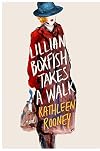
I have nothing important to add to the conversation about this book except to say that I loved Lillian enough to re-read this book (a thing I consciously avoid doing, too old to waste the eyeblinks when there are literally dozens of new books every week that I want to read). I am living the "ancient Chinese curse" (that's nothing of the sort) often translated as "May you live in interesting times," among other formulations. I was old enough to have my dinner ruined by Vietnam War body counts show more intoned gravely by Uncle Walter on the CBS Evening News. The inner-city uprisings in Newark, Detroit, Oakland, Watts..."Hey Hey LBJ, how many kids did you kill today?"...and now the next skirmish in the unfinished US Civil War as my last full decade on Earth unfolds.
I needed Lillian's mentions of The Strand and her gentleman callers and R. H. Macy's and how much she hated admitting when her mother was right. I needed her to walk for me down streets I once loved so immoderately, wearing her deeply unfashionable top-quality mink as a slew of men I loved were dying in St. Vincent's (I was probably in one of their rooms at the time she was walking!), and to feel the full weight of memory. Sometimes it's death by crushing, sometimes a warm comforter on a cold, windy night.
So thank you, Author Rooney. I needed this story to help me see that the only way out is through, to face the storm like Lillian always did, and feel the lovely ache of days gone by but never disappeared. show less
I needed Lillian's mentions of The Strand and her gentleman callers and R. H. Macy's and how much she hated admitting when her mother was right. I needed her to walk for me down streets I once loved so immoderately, wearing her deeply unfashionable top-quality mink as a slew of men I loved were dying in St. Vincent's (I was probably in one of their rooms at the time she was walking!), and to feel the full weight of memory. Sometimes it's death by crushing, sometimes a warm comforter on a cold, windy night.
So thank you, Author Rooney. I needed this story to help me see that the only way out is through, to face the storm like Lillian always did, and feel the lovely ache of days gone by but never disappeared. show less
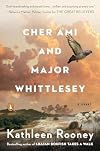
This story is historically informed fiction about Charles Whittlesey, the unintentional war hero of the Lost Battalion isolated by German forces in the Argonne Forest in October 1918. And of the carrier pigeon who was critical to their rescue, Cher Ami. At first I was put off by having alternate chapters narrated by a taxidermied carrier pigeon residing in the Smithsonian. But as the story progressed, it started to make perfect sense.
The narrators alternate chapters, describing their lives show more leading up to the war and the influences on their lives. Cher Ami provides a perspective of how animals view the wars of men and it's affect on the animals. Charles Whittlesey describes his internal conflicts about his sexuality and the awkward class distinctions in a battle group where those privileged with education and status are officers and those with less social and economic standing are under their command.
Both philosophize a bit (not excessively) about their war experience and the futility of war. They are both damaged physically by the war. Whittlesey finds that his war is not over after the armistice because of the relentless demands for him to make public appearances as a war hero. He finds an ultimate escape by booking a cruise on the SS Toloa. While Cher Ami remains on display as a memento of war at the Smithsonian.
Despite the rocky start to the book, I found it interesting and well written. I learned about a part of WWI that I had not known before. show less
The narrators alternate chapters, describing their lives show more leading up to the war and the influences on their lives. Cher Ami provides a perspective of how animals view the wars of men and it's affect on the animals. Charles Whittlesey describes his internal conflicts about his sexuality and the awkward class distinctions in a battle group where those privileged with education and status are officers and those with less social and economic standing are under their command.
Both philosophize a bit (not excessively) about their war experience and the futility of war. They are both damaged physically by the war. Whittlesey finds that his war is not over after the armistice because of the relentless demands for him to make public appearances as a war hero. He finds an ultimate escape by booking a cruise on the SS Toloa. While Cher Ami remains on display as a memento of war at the Smithsonian.
Despite the rocky start to the book, I found it interesting and well written. I learned about a part of WWI that I had not known before. show less
New York in the mid-1980s is the scene for this luminous novel. It is New Year’s Eve 1984, and eighty-five year old Lillian Boxfish sets out on a walk to her customary neighborhood restaurant for a 5 PM dinner. But having mindlessly eaten a package of Oreos while having a difficult telephone conversation with her son, she is not hungry, and adventure calls. Over the course of the evening, Lillian walks past many locations from her past, and a glorious past it was. She arrived in New York show more in 1926, and set about using her wit and persuasive powers to become the highest paid advertising woman in America. Lillian works for R. H. Macy, as the store used to be called, marries, has a child, experiences heartbreak and disaster, and through it all, she continues to love her New York. This novel is both a love letter to New York City, and a portrait of a woman who lived a remarkable life. I loved it. show less
Flying over fields, thinking of the peasants not here to harvest, the harvest itself not there, the earth out of which it would grow blown to smithereens. Thinking of the heads of the men, like stalks of wheat themselves, chopped by the reaper.
from Cher Ami and Major Whittlesey by Kathleen Rooney
It should bend credulity, reading such eloquent thoughts from the mind of a pigeon, and yet I easily fell into acceptance. Cher Ami, racing pigeon become war heroine, forever memorialized with her show more body taxidermized and on display at the Smithsonian Institute, is an astute and compassionate narrator. Alternating chapters, Major Charles Whittlesey narrates the human side of experiencing WWI, seven months of hell that cripples him for life, in spirit if not in body, hating his lionization and fame simply because he survived.
Given that over half the men under my command were dead, promotion was the last thing I felt I deserved. I wondered for a moment whether the army would have made me a full colonel had none of my men survived.
from Cher Ami and Major Whittlesey by Kathleen Rooney
Cher Ami and Whittlesey are heroine and hero of The Lost Battalion, dispensable cannon fodder sent into German territory, surrounded by the enemy, and attacked by friendly fire. Without rations or medical supplies, blankets or water, they were saved only because the press reported their story and the public latched onto the saga, so that finally President Wilson ordered their rescue. By that time, nearly a third of the men had died or been injured, their ammunition spent, all the pigeons flown. Cheri Ami got through the battle to report their situation, losing an eye and a leg in the flight.
Civilians demand heroes to process vast loss.
from Cher Ami and Major Whittlesey by Kathleen Rooney
People were desperate to believe. They wanted to have something to hold up as proof. Cheri Ami and the Major were used by the army for publicity, and both were ground down by it, suffering PTSD, Whittlesey with mustard gas damaging his lungs, Cher Ami wounded and crippled.
Why would they want me, having seen me for what I was: an officer who’d failed as a tactician and was failing as a rhetorician, a man who’d lost his battalion and now couldn’t find his voice?
from Cher Ami and Major Whittlesey by Kathleen Rooney
Cher Ami and Major Whittlesey was our book club read this month. We had so enjoyed Kathleen Rooney when she spoke with us about Lillian Boxfish Takes a Walk, one of the club’s most favorite reads ever, she invited her back.
The conversation immediately turned to pigeons and their use in WWI and how affected readers were by Cher Ami’s story. Rooney shared amazing stories of hearing from Whittlesey family members, both pro and con about her acknowledgment that Whittlesey was gay. Asked about how she lived with this story while writing, she replied that if a writer doesn’t feel deeply about their subject it can’t translate to the reader. Well, this novel did move the readers. My husband told that after finishing the novel, he heard the song The Green Field of France was suddenly tearful having just experienced the war through Rooney’s characters.
This is a war novel, and you know from the beginning that both characters will die. Like all the best war novels, it is an antiwar novel. Rooney does nothing to glorify the sacrifice of the men–and pigeons and horses–of WWI.
Rooney is doing the final edits of her next novel due out in the spring. We can’t wait! show less
from Cher Ami and Major Whittlesey by Kathleen Rooney
It should bend credulity, reading such eloquent thoughts from the mind of a pigeon, and yet I easily fell into acceptance. Cher Ami, racing pigeon become war heroine, forever memorialized with her show more body taxidermized and on display at the Smithsonian Institute, is an astute and compassionate narrator. Alternating chapters, Major Charles Whittlesey narrates the human side of experiencing WWI, seven months of hell that cripples him for life, in spirit if not in body, hating his lionization and fame simply because he survived.
Given that over half the men under my command were dead, promotion was the last thing I felt I deserved. I wondered for a moment whether the army would have made me a full colonel had none of my men survived.
from Cher Ami and Major Whittlesey by Kathleen Rooney
Cher Ami and Whittlesey are heroine and hero of The Lost Battalion, dispensable cannon fodder sent into German territory, surrounded by the enemy, and attacked by friendly fire. Without rations or medical supplies, blankets or water, they were saved only because the press reported their story and the public latched onto the saga, so that finally President Wilson ordered their rescue. By that time, nearly a third of the men had died or been injured, their ammunition spent, all the pigeons flown. Cheri Ami got through the battle to report their situation, losing an eye and a leg in the flight.
Civilians demand heroes to process vast loss.
from Cher Ami and Major Whittlesey by Kathleen Rooney
People were desperate to believe. They wanted to have something to hold up as proof. Cheri Ami and the Major were used by the army for publicity, and both were ground down by it, suffering PTSD, Whittlesey with mustard gas damaging his lungs, Cher Ami wounded and crippled.
Why would they want me, having seen me for what I was: an officer who’d failed as a tactician and was failing as a rhetorician, a man who’d lost his battalion and now couldn’t find his voice?
from Cher Ami and Major Whittlesey by Kathleen Rooney
Cher Ami and Major Whittlesey was our book club read this month. We had so enjoyed Kathleen Rooney when she spoke with us about Lillian Boxfish Takes a Walk, one of the club’s most favorite reads ever, she invited her back.
The conversation immediately turned to pigeons and their use in WWI and how affected readers were by Cher Ami’s story. Rooney shared amazing stories of hearing from Whittlesey family members, both pro and con about her acknowledgment that Whittlesey was gay. Asked about how she lived with this story while writing, she replied that if a writer doesn’t feel deeply about their subject it can’t translate to the reader. Well, this novel did move the readers. My husband told that after finishing the novel, he heard the song The Green Field of France was suddenly tearful having just experienced the war through Rooney’s characters.
This is a war novel, and you know from the beginning that both characters will die. Like all the best war novels, it is an antiwar novel. Rooney does nothing to glorify the sacrifice of the men–and pigeons and horses–of WWI.
Rooney is doing the final edits of her next novel due out in the spring. We can’t wait! show less
Lists
Awards


You May Also Like


Associated Authors
Statistics
- Works
- 16
- Also by
- 4
- Members
- 1,691
- Popularity
- #15,190
- Rating
- 3.9
- Reviews
- 113
- ISBNs
- 49
- Languages
- 2