
Santha Rama Rau (1923–2009)
Author of The Cooking of India
About the Author
Works by Santha Rama Rau
Writing in modern India — Author — 1 copy
Rezepte: Die Küche in Indien 1 copy
Associated Works
Great Tours and Detours: The Sophisticated Traveler Series (1985) — Contributor — 35 copies, 1 review
These Simple Things: Some Appreciations of the Small Joys in Daily Life (1965) — Contributor — 7 copies
Tagged
Common Knowledge
- Canonical name
- Rama Rau, Santha
- Other names
- Wattles, Santha Rama Rau
Rama Rau, Vasanthi - Birthdate
- 1923-01-24
- Date of death
- 2009-04-21
- Gender
- female
- Education
- Wellesley College, Massachusetts, USA
St Paul's Girls' School, London, England, UK - Occupations
- travel writer
professor (English)
journalist
playwright - Organizations
- Sarah Lawrence College
- Relationships
- Bowers, Faubion (1st husband)
- Nationality
- India
- Birthplace
- Madras, India
- Places of residence
- England, UK
Wellesley, Massachusetts, USA
New York, New York, USA - Place of death
- Amenia, New York, USA
Members
Reviews

This superbly illustrated coffee table book published by Time Life Books should not stay on the coffee table; it belongs in the kitchen. It is just as well that the coffee table size book is supplemented by a smaller paperback size one that extracts all the recipes and so you can avoid the inevitable food stains spoiling some amazing photographs of foods and markets in India.
The introduction to the recipe book starts unpromisingly by stating that: "The recipes in the book have been selected show more to present the dishes that are most practical for British Cooks. Although some modifications were necessary, every effort has been made to preserve the authentic character of Indian Food" A quick glance inside and you will realise that these are not dumbed-down recipes; they just shout authenticity. The first recipe in the book is for garam masala an essential spice mix for many Indian dishes and this is followed by "ghee" (Indian Butter oil). There is no substitute for making your own ghee, your curries will take on a wonderful nutty taste, that you won't get with shop bought products.
The recipes cover all areas of Indian cooking; vegetarian dishes, rice dishes, meat, fish and poultry, breads, salads and yogurt dishes, chutneys, sweet dishes and sweet meats. The recipe index (there are over 115) is in both English and Hindi. The proof of any recipe collection is whether they work when you try them in your own kitchen. I have not tried every recipe in the book but those that I have work beautifully. I am particularly fond of Indian vegetable curries and there are some good ones here: Ghobi ki sabzi (curried cauliflower), Mattar pannir (home made cheese and peas) and Baingan ka tikka (aubergines baked with curried vegetable stuffing). The meat and fish dishes are excellent too with a full range of; dhansaks, goshts, kormas and koftis. Any Indian recipe book like this one that doesn't contain recipes for onion bhajis or chicken tikka masala has got to be in with a shout for some sort of authenticity.
A book well worth tracking down; ever since I got a copy in 1976 it has never been out of my kitchen and I will be using it again this week show less
The introduction to the recipe book starts unpromisingly by stating that: "The recipes in the book have been selected show more to present the dishes that are most practical for British Cooks. Although some modifications were necessary, every effort has been made to preserve the authentic character of Indian Food" A quick glance inside and you will realise that these are not dumbed-down recipes; they just shout authenticity. The first recipe in the book is for garam masala an essential spice mix for many Indian dishes and this is followed by "ghee" (Indian Butter oil). There is no substitute for making your own ghee, your curries will take on a wonderful nutty taste, that you won't get with shop bought products.
The recipes cover all areas of Indian cooking; vegetarian dishes, rice dishes, meat, fish and poultry, breads, salads and yogurt dishes, chutneys, sweet dishes and sweet meats. The recipe index (there are over 115) is in both English and Hindi. The proof of any recipe collection is whether they work when you try them in your own kitchen. I have not tried every recipe in the book but those that I have work beautifully. I am particularly fond of Indian vegetable curries and there are some good ones here: Ghobi ki sabzi (curried cauliflower), Mattar pannir (home made cheese and peas) and Baingan ka tikka (aubergines baked with curried vegetable stuffing). The meat and fish dishes are excellent too with a full range of; dhansaks, goshts, kormas and koftis. Any Indian recipe book like this one that doesn't contain recipes for onion bhajis or chicken tikka masala has got to be in with a shout for some sort of authenticity.
A book well worth tracking down; ever since I got a copy in 1976 it has never been out of my kitchen and I will be using it again this week show less
Vivid account of Asian travel in 1947-July 4, 2006
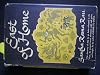
If you are interested in travel in Asia, you will be fascinated by Santha Rama Rau's account of her travels in Asia. As a young woman, Santha accompanied her father to Japan where he had been posted as an Indian diplomat. Santha followed her father's advice to visit the theater in order to get to know the people of a country. She also volunteered to teach English in a girl's school. Her insights and conversations with people she encountered show more through her travels in China, Thailand, Cambodia, Malaysia, and Bali are still valuable today to understand the impact of colonialism on the people of Asia.
Many of the place names have changed or the spelling is an older variant, but that doesn't mean this book is too dated to enjoy or profit from reading. Santha Rama Rau enlightens us and teaches us how to benefit from our travels with her clearheaded observations and openness to other countries and cultures.
Her traveling companions are of interest, too. Fabion Bowers, an American linguist who contributed greatly to preserving Japanese theater during the Occupation after WWII in Japan, added depth to their travels in the countries they visited by making sure they saw dancers perform and rehearse and by getting to know them. Another travel companion, Clare Harris, an American journalist, could be relied upon to bring up difficult political questions. The perspective that Rama Rau contributes as a young woman from India is invaluable.
The book is written consistently well and is enjoyable reading. It almost feels like traveling yourself, as you pause at times to reflect on what you are learning and the different point of view you are gaining. show less
If you are interested in travel in Asia, you will be fascinated by Santha Rama Rau's account of her travels in Asia. As a young woman, Santha accompanied her father to Japan where he had been posted as an Indian diplomat. Santha followed her father's advice to visit the theater in order to get to know the people of a country. She also volunteered to teach English in a girl's school. Her insights and conversations with people she encountered show more through her travels in China, Thailand, Cambodia, Malaysia, and Bali are still valuable today to understand the impact of colonialism on the people of Asia.
Many of the place names have changed or the spelling is an older variant, but that doesn't mean this book is too dated to enjoy or profit from reading. Santha Rama Rau enlightens us and teaches us how to benefit from our travels with her clearheaded observations and openness to other countries and cultures.
Her traveling companions are of interest, too. Fabion Bowers, an American linguist who contributed greatly to preserving Japanese theater during the Occupation after WWII in Japan, added depth to their travels in the countries they visited by making sure they saw dancers perform and rehearse and by getting to know them. Another travel companion, Clare Harris, an American journalist, could be relied upon to bring up difficult political questions. The perspective that Rama Rau contributes as a young woman from India is invaluable.
The book is written consistently well and is enjoyable reading. It almost feels like traveling yourself, as you pause at times to reflect on what you are learning and the different point of view you are gaining. show less

KIRKUS REVIEW
With no purpose in mind except pleasure, Miss Rau (accompanied by her husband, son and a friend) revisits the exotic lands of Southeastern Asia. Informally, Miss Rau describes the contrarieties of Manila, Vietnam, the red earth of Cambodia, the appealing Laotians, the happy Balinese and the optimism of Laos. Unfortunately she seems to have lost some of that warmly personal touch which makes a travelogue an experience.
With no purpose in mind except pleasure, Miss Rau (accompanied by her husband, son and a friend) revisits the exotic lands of Southeastern Asia. Informally, Miss Rau describes the contrarieties of Manila, Vietnam, the red earth of Cambodia, the appealing Laotians, the happy Balinese and the optimism of Laos. Unfortunately she seems to have lost some of that warmly personal touch which makes a travelogue an experience.

Das Buch hatte mal ein Inder empfohlen als das Kochbuch, was Rezepte hat, die dem echten indischen Essen am ähnlichsten ist.
Awards


You May Also Like


Associated Authors
Statistics
- Works
- 17
- Also by
- 10
- Members
- 538
- Popularity
- #46,305
- Rating
- 3.4
- Reviews
- 7
- ISBNs
- 13
- Languages
- 2