
Albert Cossery (1913–2008)
Author of Proud Beggars
About the Author
Image credit: Albert Cossery, 1931
Series
Works by Albert Cossery
Het huis van de wisse dood 2 copies
Les Hommes oubliés de Dieu 2 copies
A Room in Cairo 1 copy
Boje beščašća 1 copy
Siroti i gordi 1 copy
Den vissa dödens hus 1 copy
Mendigos y orgullosos 1999 1 copy
Associated Works
American Aphrodite: A Quarterly for the Fancy-Free (Volume 1, Number 4) (1951) — Contributor — 2 copies
Tagged
Common Knowledge
- Birthdate
- 1913-11-03
- Date of death
- 2008-06-22
- Gender
- male
- Awards and honors
- Grand prix de la francophonie de l'Académie française (1990)
- Nationality
- Egypt (birth)
France - Birthplace
- Cairo, Egypt
- Place of death
- Paris, France
- Associated Place (for map)
- Cairo, Egypt
Members
Reviews
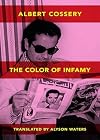
Rating: 4* of five
The Publisher Says: A delightful, deeply funny novel about the triumph of the perfect prankster — an elegant gentleman pickpocket in Cairo.
His eyes “shine with a glimmer of perpetual amusement”; his sartorial taste is impeccable; Ossama is “a thief, not a legitimated thief, such as a minister, banker, or real-estate developer; he is a modest thief.” He knows “that by dressing with the same elegance as the licensed robbers of the people, he could elude the show more mistrustful gaze of the police,” and so he glides lazily around the cafe´s of Cairo, seeking his prey. His country may be a disaster, but he’s a hedonist convinced that “nothing on this earth is tragic for an intelligent man.”
One fat victim (“everything about him oozed opulence and theft on a grand scale”) is relieved of his crocodile wallet. In it Ossama finds not just a gratifying amount of cash, but also a letter — a letter from the Ministry of Public Works, cutting off its ties to the fat man. A source of rich bribes heretofore, the fat man is now too hot to handle; he’s a fabulously wealthy real-estate developer, lately much in the news because one of his cheap buildings has just collapsed, killing 50 tenants. Ossama “by some divine decree has become the repository of a scandal” of epic proportions. And so he decides he must act. . . .
Among the books to be treasured by the utterly singular Albert Cossery, his last, hilarious novel, The Colors of Infamy, is a particular jewel.
My Review: Another weird little French novel, like the others I've reviewed over the years. Set in Cairo, written by an Egyptian-born French writer, this lovely work pokes ungentle fun at the well-documented foibles of the kleptocracy. Of particular interest to me was the revelation that honor was foisted on the poor by the rich in order to give them something that costs nothing, but will provoke them into spending hugely and warring indiscriminately.
Well! Blow me down and call me shorty! I've always suspected "honor" was some kinda con game.
As one would expect in a short French novel, the pleasures are more subtle and rely on the reader to winkle them out. Cossery wasn't one to revise and extend his remarks, as the politicos in Congress say; he believed laziness was a form of appreciative meditation, offering the lazy man the opportunity to see, really see, the beauties of the world and appreciate them appropriately. Material goods could never compete with the world's splendors. Time spent in offices, robbing the poor, was time never regained to be spent more productively and seductively in idleness.
Every character in this book has hold of a facet or two of this world-view. I think it should be spread far and wide, and made the height of fashionable aspiration.
But wait...isn't the materialism of current culture saying that very thing...? Erm...uh...gee.... show less
The Publisher Says: A delightful, deeply funny novel about the triumph of the perfect prankster — an elegant gentleman pickpocket in Cairo.
His eyes “shine with a glimmer of perpetual amusement”; his sartorial taste is impeccable; Ossama is “a thief, not a legitimated thief, such as a minister, banker, or real-estate developer; he is a modest thief.” He knows “that by dressing with the same elegance as the licensed robbers of the people, he could elude the show more mistrustful gaze of the police,” and so he glides lazily around the cafe´s of Cairo, seeking his prey. His country may be a disaster, but he’s a hedonist convinced that “nothing on this earth is tragic for an intelligent man.”
One fat victim (“everything about him oozed opulence and theft on a grand scale”) is relieved of his crocodile wallet. In it Ossama finds not just a gratifying amount of cash, but also a letter — a letter from the Ministry of Public Works, cutting off its ties to the fat man. A source of rich bribes heretofore, the fat man is now too hot to handle; he’s a fabulously wealthy real-estate developer, lately much in the news because one of his cheap buildings has just collapsed, killing 50 tenants. Ossama “by some divine decree has become the repository of a scandal” of epic proportions. And so he decides he must act. . . .
Among the books to be treasured by the utterly singular Albert Cossery, his last, hilarious novel, The Colors of Infamy, is a particular jewel.
My Review: Another weird little French novel, like the others I've reviewed over the years. Set in Cairo, written by an Egyptian-born French writer, this lovely work pokes ungentle fun at the well-documented foibles of the kleptocracy. Of particular interest to me was the revelation that honor was foisted on the poor by the rich in order to give them something that costs nothing, but will provoke them into spending hugely and warring indiscriminately.
Well! Blow me down and call me shorty! I've always suspected "honor" was some kinda con game.
As one would expect in a short French novel, the pleasures are more subtle and rely on the reader to winkle them out. Cossery wasn't one to revise and extend his remarks, as the politicos in Congress say; he believed laziness was a form of appreciative meditation, offering the lazy man the opportunity to see, really see, the beauties of the world and appreciate them appropriately. Material goods could never compete with the world's splendors. Time spent in offices, robbing the poor, was time never regained to be spent more productively and seductively in idleness.
Every character in this book has hold of a facet or two of this world-view. I think it should be spread far and wide, and made the height of fashionable aspiration.
But wait...isn't the materialism of current culture saying that very thing...? Erm...uh...gee.... show less
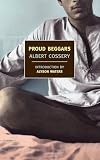
The pocket biography of Albert Cossery on the front page of my NYRB edition of Proud Beggars tells us, "Albert Cossery (1913-2008) was a Cairo-born French writer of Lebanese and Greek Orthodox Syrian descent who settled in Paris at the end of the Second World War and lived there for the rest of his life." Proud Beggars, first published in 1955, brings us the tale of three men living in an impoverished section of Cairo. To a great or lesser degree, they have all chosen their lifestyle. Gohar, show more in particular, is a former university professor who, in disgust at what he's come to see as the meaningless and hypocritical world of academia, has renounced participation in the world of professional and material values to live instead in poverty, in a tiny apartment, sleeping on a pile of old newspapers, his love for hashish his only real anchor. Gohar's friend and hashish source is Yeghen, also a poet. El Kordi is a low-level civil servant who is proud of his refusal to do any actual work and fancies himself a revolutionary. As Alyson Waters, points out in her introduction to this edition, "None of them is an actual beggar--they all have ways of making money, if only a pittance--but they are certainly free of ambition and otherwise indifferent to social convention." In particular, Gohar's world is framed by optimism, by his love of the people around him and the joy he sees in their existence. Small details of humans and their folly fill him with delight. As a counterweight to this optimism about the human condition in the poor quarter, the three friends share in common their conviction that the world is run by oppressors, scoundrels and thieves.
Near the beginning of the narrative, a young prostitute is murdered in nearby brothel in what appears to be a motiveless crime. Into the picture comes police inspector Nour El Dine who feels in the solving of such crimes and punishment of their perpetrators not any compassion for the victims but instead a maintenance of order, a defense of the status quo. Our three heroes take him on gleefully as a worthy if not particularly threatening adversary. And Nour El Dine has his own dissatisfactions and doubts.
The language and tone of the novel I found entertaining throughout. The characters' caustic takedowns of society's power structures I found often hilarious, and Cossery's powers of description and observation are rewarding, as well. His descriptions of the street life of this poor Cairo neighborhood reminded me sometimes of Isaac B. Singers' descriptions of the Jewish quarters of pre-war Warsaw.
Proud Beggars is in a way a comedy of manners, a sly attack on the mores of middle class society and the ruling class and a celebration of the daily joys of life. On the other hand, it's easy to see the flaws in the worldview, at least as presented here by Cossery. As noted above, all three of the protagonists have chosen their status, and none of them have families to support, adding to their freedom. They are all men, of course, and the murder of the young girl--her very humanity and the tragedy of her death--is for the most part shrugged off by all concerned. She is disposable, not just by the characters but, if Waters' introduction is accurate, by Cossery himself. Especially this last factor made Proud Beggars less enjoyable for me overall. Or perhaps through this factor, Cossery has in fact added a level of unfortunate and unintentional realism to his story. show less
Near the beginning of the narrative, a young prostitute is murdered in nearby brothel in what appears to be a motiveless crime. Into the picture comes police inspector Nour El Dine who feels in the solving of such crimes and punishment of their perpetrators not any compassion for the victims but instead a maintenance of order, a defense of the status quo. Our three heroes take him on gleefully as a worthy if not particularly threatening adversary. And Nour El Dine has his own dissatisfactions and doubts.
The language and tone of the novel I found entertaining throughout. The characters' caustic takedowns of society's power structures I found often hilarious, and Cossery's powers of description and observation are rewarding, as well. His descriptions of the street life of this poor Cairo neighborhood reminded me sometimes of Isaac B. Singers' descriptions of the Jewish quarters of pre-war Warsaw.
Proud Beggars is in a way a comedy of manners, a sly attack on the mores of middle class society and the ruling class and a celebration of the daily joys of life. On the other hand, it's easy to see the flaws in the worldview, at least as presented here by Cossery. As noted above, all three of the protagonists have chosen their status, and none of them have families to support, adding to their freedom. They are all men, of course, and the murder of the young girl--her very humanity and the tragedy of her death--is for the most part shrugged off by all concerned. She is disposable, not just by the characters but, if Waters' introduction is accurate, by Cossery himself. Especially this last factor made Proud Beggars less enjoyable for me overall. Or perhaps through this factor, Cossery has in fact added a level of unfortunate and unintentional realism to his story. show less
This is a short book. The narrative kept me intrigued and fascinated. Maybe I just read too many big boring books. Usually it takes me a month to read a book but this one took a day and that was very much part time reading.
There is a small cast of characters very nicely drawn. We switch from person to person and get their interior monologue and see what makes them tick, their world view.
OK this is a plenty strange book. Maybe is like Camus' The Stranger. Which came first, I don't know. They show more both start off with senseless murders, by the hero. Our hero here is a total ascetic - lives in a room with one chair, a crate for a table, and a pile of newspapers for a bed. Was that Diogenes who slept in a bathtub? I always envision a cast iron enameled claw foot bathtub. I don't think the ancient Greeks had such things!
Our hero doesn't murder for any clever reason. It's a fascinating question, really. If all our vast superstructure of fancy philosophy and politics etc. is really a big corrupt charade, is our only alternative to follow the impulse of the moment, to wallow in the easy escape of hashish? Maybe that is the real question of this novel. It doesn't pose the question for us, it confronts us with the issue.
This book doesn't make Cairo seem foreign at all. Maybe this kind of squalor would have seemed utterly foreign in say the 1950s in the USA. Anymore, hanging out in North Philadelphia or Camden or Chester PA or Oakland CA etc. etc., it's really how we live too.
This is an excellent novel. It uses a situation, a story, to explore fundamental questions about society and meaning. show less
There is a small cast of characters very nicely drawn. We switch from person to person and get their interior monologue and see what makes them tick, their world view.
OK this is a plenty strange book. Maybe is like Camus' The Stranger. Which came first, I don't know. They show more both start off with senseless murders, by the hero. Our hero here is a total ascetic - lives in a room with one chair, a crate for a table, and a pile of newspapers for a bed. Was that Diogenes who slept in a bathtub? I always envision a cast iron enameled claw foot bathtub. I don't think the ancient Greeks had such things!
Our hero doesn't murder for any clever reason. It's a fascinating question, really. If all our vast superstructure of fancy philosophy and politics etc. is really a big corrupt charade, is our only alternative to follow the impulse of the moment, to wallow in the easy escape of hashish? Maybe that is the real question of this novel. It doesn't pose the question for us, it confronts us with the issue.
This book doesn't make Cairo seem foreign at all. Maybe this kind of squalor would have seemed utterly foreign in say the 1950s in the USA. Anymore, hanging out in North Philadelphia or Camden or Chester PA or Oakland CA etc. etc., it's really how we live too.
This is an excellent novel. It uses a situation, a story, to explore fundamental questions about society and meaning. show less

MENDIGOS E ALTIVOS, Albert Cossery
Albert Cossery é um autor de culto. Fazendo a apologia da indolência, da desobediência passiva pela não-colaboração, renegando os valores da sociedade materialista e consumista, é frequentemente associado aos ideais anarquistas.
Nascido no Cairo em 1913 no seio de uma família de classe média de ascendência síria, foi educado em escolas francesas. Viveu grande parte da sua vida em Paris, para onde se deslocou aos 17 anos, com o fito de prosseguir show more estudos superiores que nunca completou. Residiu num modesto quarto de hotel no bairro de Saint-Germain-des-Prés de 1945 até ao fim da sua vida.
Amante do ócio, que lhe proporcionava o necessário espaço de reflexão, publicou (apenas) oito romances durante mais de 60 anos de vida literária. Era lento e metódico, depurando cada frase. Dizia que quanto mais tempo tinha para pensar, maior o pudor em escrever seja o que for.
Apesar de ter vivido grande parte da sua vida em França é no Cairo ou semelhante território imaginário que se desenrolam os seus romances, povoados por personagens da sua infância e adolescência.
Mendigos e altivos é uma apologia, não isenta de contradições, da indigência e desprendimento como filosofia de vida; da oposição pela não-colaboração: "Quando tivermos um país cujo povo seja unicamente constituído por mendigos, logo verás que coisa é esta soberba dominação. Cairá por terra como pó." – explica Gohar, professor de literatura e filosofia que se tornou voluntariamente um mendigo. Noutra as suas reflexões acerca de El Kordi, personagem que serve como contraponto do falso idealista, acrescenta: "«O que há de mais fútil no homem», pensou ele, «é essa busca de dignidade». Essa gente toda a pensar ser digna! Digna de quê? (...) Como se o facto de estar vivo não fosse em si uma dignidade."
O romance inicia-se nos humildes aposentos de Gohar. Dorme no chão em cima de jornais. Quando acorda o quarto está inundado. Gohar desperta lentamente, não sabe de onde vem aquela água. Percebe depois pelo carpir das mulheres que o seu vizinho morrera. A água que inundava a divisão, e que se lhe colava ao corpo, provinha da barrela do cadáver. Cossery quer-nos comunicar algo com este episódio. Não é apenas mais uma história curiosa, há nela um valor simbólico que conseguimos intuir, embora seja difícil de o conhecer com certeza.
Gohar acordara mais cedo que o habitual. Sente-se mal, precisa da sua dose de haxixe. Procura o Ieguene no prostíbulo de Set Amina. Segue-se o crime: Gohar estrangula uma jovem prostituta, Arnabé, imaginando que as suas pulseiras seriam de ouro e não pechisbeque. Um acidente, diz.
Todo o romance se desenrola na sequência deste incidente, desafiando os limites da moral, do poder e da liberdade. Embora Gohar não confesse o seu crime, também não se deixa condicionar por ele: não vive no medo de ser descoberto e preso. Todos querem a determinada altura reivindicar a autoria do crime: El Kordi para impressionar a amante; Ieguene para que Gohar não seja punido. O próprio Gohar, quando diretamente inquirido acerca do mesmo, confirma-o. Nur El Dine, o chefe de polícia, é o representante do poder. Mas nenhum destes personagens o reconhece como tal, desdenham até dele, denominam a sua ocupação como inútil. De que serve castigar alguém pelo sucedido? Isso não devolverá a vida a Arnabé. E que castigo poderá ser aplicado a quem mesmo na prisão se sente em liberdade? Que poder teria afinal a polícia, se todos estivessem disponíveis para confessar os seus crimes e serem castigados por eles? O poder da polícia (que é dos braços fortes do estado, que por sua vez é o instrumento de uma elite) assenta do medo, na busca de uma pretensa dignidade. O exercício do poder só é efetivo se for aceite, não é uma inevitabilidade. Gohar não colabora – recusa a angústia de nunca se sentir digno; de correr atrás de algo que não será possível de alcançar, concorrendo para reforçar o poder vigente. Da mesma forma, o roubo, por exemplo, não é um problema moral para estes personagens, pois tudo é roubo; sendo que serão eles quem menos o pratica.
Nur El Dine, por outro lado, embora seja um representante da ordem vigente, está ele próprio constrangido pela mesma, pois sente vergonha da sua homossexualidade. É um homem atormentado, para quem a felicidade é impossível. Não poderá ao mesmo tempo responder aos seus impulsos interiores e ao que julga ser esperado do si.
É sobre este fio narrativo que são dirimidos os limites do poder e da moral, a possibilidade da felicidade, contra a prevalência da angústia. show less
Albert Cossery é um autor de culto. Fazendo a apologia da indolência, da desobediência passiva pela não-colaboração, renegando os valores da sociedade materialista e consumista, é frequentemente associado aos ideais anarquistas.
Nascido no Cairo em 1913 no seio de uma família de classe média de ascendência síria, foi educado em escolas francesas. Viveu grande parte da sua vida em Paris, para onde se deslocou aos 17 anos, com o fito de prosseguir show more estudos superiores que nunca completou. Residiu num modesto quarto de hotel no bairro de Saint-Germain-des-Prés de 1945 até ao fim da sua vida.
Amante do ócio, que lhe proporcionava o necessário espaço de reflexão, publicou (apenas) oito romances durante mais de 60 anos de vida literária. Era lento e metódico, depurando cada frase. Dizia que quanto mais tempo tinha para pensar, maior o pudor em escrever seja o que for.
Apesar de ter vivido grande parte da sua vida em França é no Cairo ou semelhante território imaginário que se desenrolam os seus romances, povoados por personagens da sua infância e adolescência.
Mendigos e altivos é uma apologia, não isenta de contradições, da indigência e desprendimento como filosofia de vida; da oposição pela não-colaboração: "Quando tivermos um país cujo povo seja unicamente constituído por mendigos, logo verás que coisa é esta soberba dominação. Cairá por terra como pó." – explica Gohar, professor de literatura e filosofia que se tornou voluntariamente um mendigo. Noutra as suas reflexões acerca de El Kordi, personagem que serve como contraponto do falso idealista, acrescenta: "«O que há de mais fútil no homem», pensou ele, «é essa busca de dignidade». Essa gente toda a pensar ser digna! Digna de quê? (...) Como se o facto de estar vivo não fosse em si uma dignidade."
O romance inicia-se nos humildes aposentos de Gohar. Dorme no chão em cima de jornais. Quando acorda o quarto está inundado. Gohar desperta lentamente, não sabe de onde vem aquela água. Percebe depois pelo carpir das mulheres que o seu vizinho morrera. A água que inundava a divisão, e que se lhe colava ao corpo, provinha da barrela do cadáver. Cossery quer-nos comunicar algo com este episódio. Não é apenas mais uma história curiosa, há nela um valor simbólico que conseguimos intuir, embora seja difícil de o conhecer com certeza.
Gohar acordara mais cedo que o habitual. Sente-se mal, precisa da sua dose de haxixe. Procura o Ieguene no prostíbulo de Set Amina. Segue-se o crime: Gohar estrangula uma jovem prostituta, Arnabé, imaginando que as suas pulseiras seriam de ouro e não pechisbeque. Um acidente, diz.
Todo o romance se desenrola na sequência deste incidente, desafiando os limites da moral, do poder e da liberdade. Embora Gohar não confesse o seu crime, também não se deixa condicionar por ele: não vive no medo de ser descoberto e preso. Todos querem a determinada altura reivindicar a autoria do crime: El Kordi para impressionar a amante; Ieguene para que Gohar não seja punido. O próprio Gohar, quando diretamente inquirido acerca do mesmo, confirma-o. Nur El Dine, o chefe de polícia, é o representante do poder. Mas nenhum destes personagens o reconhece como tal, desdenham até dele, denominam a sua ocupação como inútil. De que serve castigar alguém pelo sucedido? Isso não devolverá a vida a Arnabé. E que castigo poderá ser aplicado a quem mesmo na prisão se sente em liberdade? Que poder teria afinal a polícia, se todos estivessem disponíveis para confessar os seus crimes e serem castigados por eles? O poder da polícia (que é dos braços fortes do estado, que por sua vez é o instrumento de uma elite) assenta do medo, na busca de uma pretensa dignidade. O exercício do poder só é efetivo se for aceite, não é uma inevitabilidade. Gohar não colabora – recusa a angústia de nunca se sentir digno; de correr atrás de algo que não será possível de alcançar, concorrendo para reforçar o poder vigente. Da mesma forma, o roubo, por exemplo, não é um problema moral para estes personagens, pois tudo é roubo; sendo que serão eles quem menos o pratica.
Nur El Dine, por outro lado, embora seja um representante da ordem vigente, está ele próprio constrangido pela mesma, pois sente vergonha da sua homossexualidade. É um homem atormentado, para quem a felicidade é impossível. Não poderá ao mesmo tempo responder aos seus impulsos interiores e ao que julga ser esperado do si.
É sobre este fio narrativo que são dirimidos os limites do poder e da moral, a possibilidade da felicidade, contra a prevalência da angústia. show less
Lists
Schwob Nederland (3)
egypt novels (1)
Awards


You May Also Like


Associated Authors
Statistics
- Works
- 24
- Also by
- 2
- Members
- 1,033
- Popularity
- #24,927
- Rating
- 3.9
- Reviews
- 33
- ISBNs
- 93
- Languages
- 11
- Favorited
- 6

