
Geoff Nicholson (1953–2025)
Author of The Lost Art of Walking: The History, Science, and Literature of Pedestrianism
About the Author
Image credit: Courtesy of Serpent's Tail Press
Works by Geoff Nicholson
The Lost Art of Walking: The History, Science, and Literature of Pedestrianism (2008) 392 copies, 12 reviews
Sex Collectors: The Secret World of Consumers, Connoisseurs, Curators, Creators, Dealers, Bibliographers, and Accumulators of "Erotica" (2006) 97 copies
Associated Works
Black Clock 3 — Contributor — 1 copy
Tagged
Common Knowledge
- Legal name
- Nicholson, Geoffrey Joseph
- Birthdate
- 1953-03-04
- Date of death
- 2025-01-18
- Gender
- male
- Education
- King Edward VII Grammar School, Sheffield
Gonville and Caius College, University of Cambridge (Bx, MA|English)
University of Essex (MA|Modern European drama) - Relationships
- Hanson, Dian (former spouse)
- Nationality
- UK
- Birthplace
- Sheffield, South Yorkshire, England, UK
- Places of residence
- Sheffield, England, UK
London, England, UK
Los Angeles, California, USA
Manningtree, Essex, England, UK - Associated Place (for map)
- England, UK
Members
Reviews
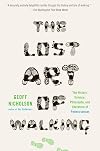
How we walk, where we walk, why we walk tells the world who and what we are. Whether it's once a day to the car, or for long weekend hikes, or as competition, or as art, walking is a profoundly universal aspect of what makes us humans, social creatures, and engaged with the world. Cultural commentator, Whitbread Prize winner, and author of Sex Collectors Geoff Nicholson offers his fascinating, definitive, and personal ruminations on the literature, science, philosophy, art, and history of show more walking.
Nicholson finds people who walk only at night, or naked, or in the shape of a cross or a circle, or for thousands of miles at a time, in costume, for causes, or for no reason whatsoever. He examines the history and traditions of walking and its role as inspiration to artists, musicians, and writers like Bob Dylan, Charles Dickens, and Buster Keaton. In The Lost Art of Walking, he brings curiosity, imagination, and genuine insight to a subject that often strides, shuffles, struts, or lopes right by us. show less
Nicholson finds people who walk only at night, or naked, or in the shape of a cross or a circle, or for thousands of miles at a time, in costume, for causes, or for no reason whatsoever. He examines the history and traditions of walking and its role as inspiration to artists, musicians, and writers like Bob Dylan, Charles Dickens, and Buster Keaton. In The Lost Art of Walking, he brings curiosity, imagination, and genuine insight to a subject that often strides, shuffles, struts, or lopes right by us. show less
If you are the sort of person who appreciates unnecessarily graphic sex and excessive violence of the sort that one might experience on a caravan holiday at the English seaside where there frankly isn't anything else to do, then you are going to love this black comedy. It makes you want to laugh in a hurhurhur sort of way and snork your coffee through your nose. Dear dear, middleage is a terrible thing! This is one of the funniest books I've read in my whole life. Chelsea Handler could take show more a tip or two about having pervy sex with dwarves.
Its a mystery to me that anyone could give this book less than 5-stars. Some people have compared this book to Diary of a Nobody. I think it must be some kind of viral thing because the two books have nothing in common at all. I don't remember reading about oversexed wives, daughters-in-religious-rapture, people with Volkswagon fixations and men faking orgasms in Mr. Pooter's little journal. Mind they both did have peculiar sons whether snotty (Pooter) or psychopathic (Nicholson).
Not recommended for airplane travel as the person in the seat next to you might well get splattered with snork-juice and object to the seat shaking, but what the hell, if you were amused by the person sitting next to you, you wouldn't be reading this book anyway.
Entirely rewritten 31 May 2011 to reflect the fact that I have now read Diary of a Nobody and found it only mildly amusing). show less
Its a mystery to me that anyone could give this book less than 5-stars. Some people have compared this book to Diary of a Nobody. I think it must be some kind of viral thing because the two books have nothing in common at all. I don't remember reading about oversexed wives, daughters-in-religious-rapture, people with Volkswagon fixations and men faking orgasms in Mr. Pooter's little journal. Mind they both did have peculiar sons whether snotty (Pooter) or psychopathic (Nicholson).
Not recommended for airplane travel as the person in the seat next to you might well get splattered with snork-juice and object to the seat shaking, but what the hell, if you were amused by the person sitting next to you, you wouldn't be reading this book anyway.
Entirely rewritten 31 May 2011 to reflect the fact that I have now read Diary of a Nobody and found it only mildly amusing). show less
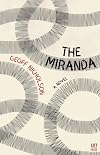
What can you say about a man who tortures people for a living? That's what Joe Johnson used to do for the government. He's a psychoanalyst who fell into treating torture victims and was recruited to help prepare contractors for the possibility that they will be kidnapped and tortured during the course of their jobs.
Yeah, I'd say it's all fairly weird and that I find it hard to believe, but Nicholson manages to sell Joe as a man who believed in what he was doing until he didn't anymore. Then show more he quit his job, divorced his wife and set himself to walk 25,000 miles, roughly the circumference of the earth, in the yard of his new house. He just walks around and around the house, twenty-five miles a day, every day, and figures it'll take him something like six years.
The why of this isn't something that's easy to figure, and even Joe doesn't seem particularly certain of his intentions. He just knows he has to walk. Along the way he meets his neighbors, in spite of preferring not to be bothered with them, and the story of his career epiphany that drove him out of his government work, his home and his marriage comes out slowly. Someone is coming for Joe. He knows it, and he's not sure how he's going to deal with it. So he walks.
Geoff Nicholson has produced a protagonist who isn't particularly admirable or likeable, and isn't particularly anything. He seems to be a good example of the banality of evil, and yet I'm hard pressed to think of him as evil. He's just sort of dull. And then again, he isn't dull at all. Joe is a cypher, and I never quite figured out what made him tick. And yet, when his stalker does confront him, I was in his corner. And at the end, when we're given an indication that his torture therapy actually does work, at least for some, it's both a vindication and a somewhat creepy reminder that this man is not right, and never will be.
I enjoyed the book. I never want to read it again. But I would read more of Nicholson. I feel very much about this story the way Joe feels about his life: Neither of us have a clue about what's really going on, but we kept going. show less
Yeah, I'd say it's all fairly weird and that I find it hard to believe, but Nicholson manages to sell Joe as a man who believed in what he was doing until he didn't anymore. Then show more he quit his job, divorced his wife and set himself to walk 25,000 miles, roughly the circumference of the earth, in the yard of his new house. He just walks around and around the house, twenty-five miles a day, every day, and figures it'll take him something like six years.
The why of this isn't something that's easy to figure, and even Joe doesn't seem particularly certain of his intentions. He just knows he has to walk. Along the way he meets his neighbors, in spite of preferring not to be bothered with them, and the story of his career epiphany that drove him out of his government work, his home and his marriage comes out slowly. Someone is coming for Joe. He knows it, and he's not sure how he's going to deal with it. So he walks.
Geoff Nicholson has produced a protagonist who isn't particularly admirable or likeable, and isn't particularly anything. He seems to be a good example of the banality of evil, and yet I'm hard pressed to think of him as evil. He's just sort of dull. And then again, he isn't dull at all. Joe is a cypher, and I never quite figured out what made him tick. And yet, when his stalker does confront him, I was in his corner. And at the end, when we're given an indication that his torture therapy actually does work, at least for some, it's both a vindication and a somewhat creepy reminder that this man is not right, and never will be.
I enjoyed the book. I never want to read it again. But I would read more of Nicholson. I feel very much about this story the way Joe feels about his life: Neither of us have a clue about what's really going on, but we kept going. show less
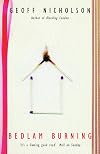
what a mindfuck. this is a pretty bizarre read. weird, weird idea, this novel. he brings up a bunch of stuff - what does it mean to be insane? what does it mean to be sane? (is there a difference? can you tell the difference, if someone is one or the other?) labels. therapy. sex. writing. deception. book burning. identity. literary critique. academia in general. the media and its effect on people. images and their pervasiveness. on and on.
i don't feel like i enjoyed this book, but something show more certainly kept me turning the pages.
totally not representative of the story at all, but a good explanation of the weirdness:
"And yet it seemed to me things had come to a very peculiar pass when you were relieved to find a dog's penis left outside your door."
it gets so into your head that i can't tell if i just didn't like the way it was written, or if he wrote it not as well as he could have on purpose. how much of this story was a game? how much was he playing with the reader? the following quote was referencing a book review about a book written in this book, but i think it sums up the purpose of bedlam burning pretty well:
"'...although readers frequently found the book hilarious, they were generally unsure whether they were laughing with the book or at it and, perhaps more problematically, whether the book was laughing at them.'
i think this book laughs at many, many things that most people take (or try to take) seriously. and maybe there's some brilliance in that, in the way he does it. i don't know, it's hard to say. it leaves me questioning everything, which i think was his intention. show less
i don't feel like i enjoyed this book, but something show more certainly kept me turning the pages.
totally not representative of the story at all, but a good explanation of the weirdness:
"And yet it seemed to me things had come to a very peculiar pass when you were relieved to find a dog's penis left outside your door."
it gets so into your head that i can't tell if i just didn't like the way it was written, or if he wrote it not as well as he could have on purpose. how much of this story was a game? how much was he playing with the reader? the following quote was referencing a book review about a book written in this book, but i think it sums up the purpose of bedlam burning pretty well:
"'...although readers frequently found the book hilarious, they were generally unsure whether they were laughing with the book or at it and, perhaps more problematically, whether the book was laughing at them.'
i think this book laughs at many, many things that most people take (or try to take) seriously. and maybe there's some brilliance in that, in the way he does it. i don't know, it's hard to say. it leaves me questioning everything, which i think was his intention. show less
Lists
Awards

You May Also Like


Associated Authors
Statistics
- Works
- 32
- Also by
- 14
- Members
- 1,521
- Popularity
- #16,903
- Rating
- 3.4
- Reviews
- 39
- ISBNs
- 112
- Languages
- 6
- Favorited
- 4