
Amy Stanley
Author of Stranger in the Shogun's City: A Japanese Woman and Her World
About the Author
Amy Stanley is a professor of history at Northwestern University. She lives in Evanston, Illinois, with her husband and two children, but Tokyo will always be her favorite city in the world.
Works by Amy Stanley
Selling Women: Prostitution, Markets, and the Household in Early Modern Japan (2012) 18 copies, 1 review
Tagged
Common Knowledge
- Gender
- female
- Education
- Harvard University
- Occupations
- historian
- Organizations
- Northwestern University
- Nationality
- USA
- Map Location
- USA
Members
Reviews
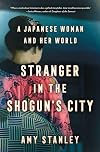
A relatively well-educated but economically marginal woman in the last years of the shogunate, after several failed marriages, headed to Edo and sought fortune. She found sexual abuse, exploitation, and also a freedom she didn’t want to give up, including in her tumultuous marriage with a warrior/occasional ronin. I quite enjoyed Stanley’s story of an ordinary woman who defied convention, with ambiguous results—the past is a foreign country, but people lived there too.
Amy Stanley is able to take individual facts recorded in family archives and weave a tale every bit as engaging as the best fiction. Early nineteenth century Japan comes alive as we follow Tsuneno's path from a life in rural Japan to the city of Edo. Tsuneno's wilfulness, her stubbornness, and her unwavering focus on living the life she wants brings the challenges and remarkable opportunities facing Japanese women to life.
In this nonfiction work, Amy Stanley traces the life of one ordinary woman, Tsuneno, through her letters, in order to explore what is what like to live in Edo (later Tokyo) in the 1800s. I like books like these, that give a voice to someone who would normally not be remembered. Tsuneno was an ordinary woman in a lot of ways: not wealthy, member of a large supportive family, married off to a man in a faraway province. But she was also different. After divorcing from her first husband, she show more submits to being married off by her family once more. After that marriage doesn't work either, she takes off to Edo from her countryside home. In Edo, she struggles. The man she travels with demands that she marry him and she is not interested. So she strikes out on her own. She has no money, no job, no clothes, no connections. She continues to write to her family, which is how her story is known, but they are disappointed in her choices.
Tsuneno goes through many ups and downs and another troubled marriage, but ultimately achieves what I'm sure we should consider a successful life that included more independence than the average woman had. Through the book, the reader finds out what life was like in Edo in the period before Japan opens to the world.
I enjoyed this. I don't know much about Japan, so this was an interesting look at a different culture. And I always love books that reveal the lives of ordinary women. I'm not positive this will work for everyone, but I'm glad I read it.
Original publication date: 2020
Author’s nationality: American
Original language: English
Length: 352 pages
Rating: 4 stars
Format/where I acquired the book: library kindle
Why I read this: topic interested me show less
Tsuneno goes through many ups and downs and another troubled marriage, but ultimately achieves what I'm sure we should consider a successful life that included more independence than the average woman had. Through the book, the reader finds out what life was like in Edo in the period before Japan opens to the world.
I enjoyed this. I don't know much about Japan, so this was an interesting look at a different culture. And I always love books that reveal the lives of ordinary women. I'm not positive this will work for everyone, but I'm glad I read it.
Original publication date: 2020
Author’s nationality: American
Original language: English
Length: 352 pages
Rating: 4 stars
Format/where I acquired the book: library kindle
Why I read this: topic interested me show less
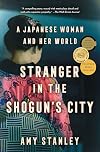
Liked this book surprisingly well. A 19th century Japanese woman, Tsuneno, from a priestly family and not fitting the stereotype of the subservient wife, but independent and called "selfish" by her family, strikes out for herself in Edo [Tokyo] after enduring three unsuitable marriages, leaving her small town for the big city where she spends the rest of her life. She endures poverty, menial work and marriage to a ronin [samurai without a master]. The author has constructed the life of this show more common woman from letters and other family writings from that period, the end decades of the Tokugawa Shogunate. She then describes the rise of Tokyo from Edo and its subsequent development. show less
Lists
Awards


You May Also Like


Statistics
- Works
- 2
- Members
- 291
- Popularity
- #80,410
- Rating
- 3.9
- Reviews
- 15
- ISBNs
- 16
- Languages
- 1
- Favorited
- 1