

Mark Spragg
Author of An Unfinished Life
About the Author
Image credit: 2004 Virginia Spragg
Works by Mark Spragg
Associated Works
Tagged
Common Knowledge
- Birthdate
- 1952
- Gender
- male
- Education
- University of Wyoming (BA|English)
University of Wyoming (BA|Special Education) - Nationality
- USA
- Birthplace
- Pittsburgh, Pennsylvania
- Places of residence
- Pittsburgh, Pennsylvania, USA
Cody, Wyoming, USA - Associated Place (for map)
- USA
Members
Reviews
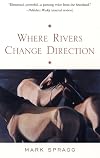
I’ll start by loading the hyperbole at the start of this review: Mark Spragg’s account of growing up on a Wyoming dude ranch is quite probably the best memoir I’ve ever read. Yes, better than the other autobiographies I’ve heaped praise on: Road Song (Natalie Kusz), This House of Sky (Ivan Doig), This Boy’s Life (Tobias Wolff). Better, even, than Angela’s Ashes.
Yes, it’s that good.
Where Rivers Change Direction is that rare breed of book—an intensely personal show more self-examination of a life that transcends the boundaries of place and circumstance to become a universal meditation on the things we all hold dear. It is an incredibly subtle and restrained book. Like its subjects—the men of the modern West—it is taciturn and stoic. Yet, the prose blooms with as much beauty as a bright splash of Indian paintbrush in a field of sagebrush.
I should tell you right now that I felt an immediate kinship with Spragg when I read he grew up on a dude ranch in the Wapiti Valley in northwestern Wyoming. I grew up in Jackson Hole, 90 miles to the southwest as the raven flies. My nostrils also flared when I learned he lived in western Pennsylvania before moving to Wyoming as a young lad. Same here.
I know Spragg’s Wyoming intimately; I know the granite peaks, the blade-sharp wind, the “snow that will blunt all noise to whisper.âÂ? I know these men with their rodeo-broken bones and weather-creased faces; these women hunkered down to survive the winters of discontent and isolation; these boys who bypass boyhood, sprouting from toddlers directly into stiff-gaited men at ten years old, boys capable of roping, riding and starting each day with a shot of whiskey. I grew up surrounded by these clammed-up cowboys.
But I never went beneath their skin until I opened Mr. SpraggâÂÂs pages and entered his world. Spragg, along with his brother, was raised on a dude ranch six miles from the east gate of Yellowstone National Park in the Shoshone National Forest (âÂÂthe largest block of unfenced land in the lower forty-eight statesâÂ?). He grew up in the 1960s with no television, no daily newspaperâÂÂjust a corral full of horses and miles of wild beauty in every direction. In the summer, he led city-folk on day trips through bear country; in the winter, he guided clumsy hunters in search of elk. His days began in the dark of pre-dawn (bolstered by a shot of whiskey) and ended, bone-weary, in the dark of evening.
In between, he lived a life which he carefully observed and stored in his memory for decades. And now, he has given us the gift of all those reminiscences in the pages of Where Rivers Change Direction.
I am fond of the sound of horses in the night. The lifting of feet. Stamping. The clicking of their iron shoes against rock. They mouth one anotherâÂÂs withers and rear and squeal and whirl and shuffle and cough and stand and snort. There is the combined rumblings of each individual gut. They sound larger than they are. The air tastes of horses, ripples as though come alive with their good-hearted strength and stamina.
This is the first book Spragg has written, though heâÂÂs edited a collection called Thunder of the Mustangs. HeâÂÂs also written screenplays (one, a television movie starring Dennis Quaid called Everything That Rises, is now on my short-list to go out and rent) and has published several essays over the years. At 48, it may seem like Spragg has taken his time in getting around to publishing a book, but like a delicately-fermented wine, the wait has been worth it.
The language has the simplicity of Hemingway and the gritty lyricism of someone like Cormac McCarthy. Spragg has boiled his experience down to its purest, truest form. The result is something like that cowboy coffee you can taste after itâÂÂs been simmering over the campfire for half an hour, the kind of brew that will make your sleep-crusted eyes crack open after one sip.
HereâÂÂs how Spragg describes the early-morning activity of the bunkhouse where he and the other ranch hands lived in the summer:
The men start to come awake: Gordon, in stages of coughs and turnings; Phil uncoiling slowly, his body going rigid in a series of stretches, and then languid, finally propping his head and shoulders against a pillow, lighting a cigarette; and John all at onceâ¦The linoleum in the bathroom is always cold. The heat rises in the stove, and the flue groans and ticks. If the boots lined behind the stove are not yet dry they begin to steam. I still think of the scent of men as a thing combined of wood smoke, tobacco, pine, whiskey, leather and horse urine. It is four in the morning and solidly dark. Once one of us has turned the bathroom light on it is left on and casts a weak, flesh-colored column of light back into the sleeping room. We dress in this light.
Each chapter of the memoir is a self-contained essay about the rigors of growing up close to the land. Some of the stories are positively hair-raising (a hunter slices off most of his finger while gutting his kill and itâÂÂs up to Spragg to get them both out of the wilderness), some are wryly poignant (SpraggâÂÂs puppy love at the one-room schoolhouse ends with the object of his affection punching him), some are so perfectly beautiful it makes you ache just to read the words (Spragg rounds a bend in a forest trail and stumbles upon an elk giving birth).
I took my time reading this book, savoring the compressed poetry on every page. Like the Wyoming landscape itself, Where Rivers Change Direction is something IâÂÂll revisit often in the future, pausing to marvel at the soul-shattering handiwork every step of the way. show less
Yes, it’s that good.
Where Rivers Change Direction is that rare breed of book—an intensely personal show more self-examination of a life that transcends the boundaries of place and circumstance to become a universal meditation on the things we all hold dear. It is an incredibly subtle and restrained book. Like its subjects—the men of the modern West—it is taciturn and stoic. Yet, the prose blooms with as much beauty as a bright splash of Indian paintbrush in a field of sagebrush.
I should tell you right now that I felt an immediate kinship with Spragg when I read he grew up on a dude ranch in the Wapiti Valley in northwestern Wyoming. I grew up in Jackson Hole, 90 miles to the southwest as the raven flies. My nostrils also flared when I learned he lived in western Pennsylvania before moving to Wyoming as a young lad. Same here.
I know Spragg’s Wyoming intimately; I know the granite peaks, the blade-sharp wind, the “snow that will blunt all noise to whisper.âÂ? I know these men with their rodeo-broken bones and weather-creased faces; these women hunkered down to survive the winters of discontent and isolation; these boys who bypass boyhood, sprouting from toddlers directly into stiff-gaited men at ten years old, boys capable of roping, riding and starting each day with a shot of whiskey. I grew up surrounded by these clammed-up cowboys.
But I never went beneath their skin until I opened Mr. SpraggâÂÂs pages and entered his world. Spragg, along with his brother, was raised on a dude ranch six miles from the east gate of Yellowstone National Park in the Shoshone National Forest (âÂÂthe largest block of unfenced land in the lower forty-eight statesâÂ?). He grew up in the 1960s with no television, no daily newspaperâÂÂjust a corral full of horses and miles of wild beauty in every direction. In the summer, he led city-folk on day trips through bear country; in the winter, he guided clumsy hunters in search of elk. His days began in the dark of pre-dawn (bolstered by a shot of whiskey) and ended, bone-weary, in the dark of evening.
In between, he lived a life which he carefully observed and stored in his memory for decades. And now, he has given us the gift of all those reminiscences in the pages of Where Rivers Change Direction.
I am fond of the sound of horses in the night. The lifting of feet. Stamping. The clicking of their iron shoes against rock. They mouth one anotherâÂÂs withers and rear and squeal and whirl and shuffle and cough and stand and snort. There is the combined rumblings of each individual gut. They sound larger than they are. The air tastes of horses, ripples as though come alive with their good-hearted strength and stamina.
This is the first book Spragg has written, though heâÂÂs edited a collection called Thunder of the Mustangs. HeâÂÂs also written screenplays (one, a television movie starring Dennis Quaid called Everything That Rises, is now on my short-list to go out and rent) and has published several essays over the years. At 48, it may seem like Spragg has taken his time in getting around to publishing a book, but like a delicately-fermented wine, the wait has been worth it.
The language has the simplicity of Hemingway and the gritty lyricism of someone like Cormac McCarthy. Spragg has boiled his experience down to its purest, truest form. The result is something like that cowboy coffee you can taste after itâÂÂs been simmering over the campfire for half an hour, the kind of brew that will make your sleep-crusted eyes crack open after one sip.
HereâÂÂs how Spragg describes the early-morning activity of the bunkhouse where he and the other ranch hands lived in the summer:
The men start to come awake: Gordon, in stages of coughs and turnings; Phil uncoiling slowly, his body going rigid in a series of stretches, and then languid, finally propping his head and shoulders against a pillow, lighting a cigarette; and John all at onceâ¦The linoleum in the bathroom is always cold. The heat rises in the stove, and the flue groans and ticks. If the boots lined behind the stove are not yet dry they begin to steam. I still think of the scent of men as a thing combined of wood smoke, tobacco, pine, whiskey, leather and horse urine. It is four in the morning and solidly dark. Once one of us has turned the bathroom light on it is left on and casts a weak, flesh-colored column of light back into the sleeping room. We dress in this light.
Each chapter of the memoir is a self-contained essay about the rigors of growing up close to the land. Some of the stories are positively hair-raising (a hunter slices off most of his finger while gutting his kill and itâÂÂs up to Spragg to get them both out of the wilderness), some are wryly poignant (SpraggâÂÂs puppy love at the one-room schoolhouse ends with the object of his affection punching him), some are so perfectly beautiful it makes you ache just to read the words (Spragg rounds a bend in a forest trail and stumbles upon an elk giving birth).
I took my time reading this book, savoring the compressed poetry on every page. Like the Wyoming landscape itself, Where Rivers Change Direction is something IâÂÂll revisit often in the future, pausing to marvel at the soul-shattering handiwork every step of the way. show less
Audio book performed by Tony Amendola and Judith Marx
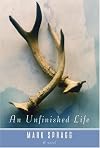
Jane Gilkyson has finally decided to leave her abusive boyfriend. With her 10-year-old daughter, Griff, she takes off in her ancient car, headed for the Pacific Ocean. But when the car dies and she’s left stranded, she has nowhere to turn but to her father-in-law, a man who blames her for the death of his son, and who is living his life in bitterness and misery on a small ranch in Ishawooa, Wyoming. Einar Gilkyson would probably be dead show more by now, too, except his oldest friend needs him, and that’s about all that keeps him going. It will be up to Griff to help them all see the need to let go of recrimination and regret, and to embrace love and forgiveness.
This is the first book by Mark Spragg that I’ve read, and it won’t be the last. He has mastered the art of “show, don’t tell,” giving us insight into these characters and their complex relationships without spelling anything out. His writing is rather spare, yet he conveys a strong sense of place. The dialogue is spot on; Griff asks intelligent questions but nothing a 10-year-old wouldn’t wonder, especially one who has grown to be a keen observer of others and learned to hold her questions until “the right time.” Einar and Mitch spar like the close friends they are – almost like an old married couple, they can anticipate each other’s thoughts and reactions. There is no pretty bow tying up the ending, either. There is hope for these people, but they still have a ways to go. I like a little ambiguity in my endings.
Spragg alternates different characters’ points of view. This lets the reader know what each character is thinking, but also serves to build suspense in that we aren’t privy to all the information at once. The audio book is masterfully performed by Tony Amendola and Judith Marx. show less
Jane Gilkyson has finally decided to leave her abusive boyfriend. With her 10-year-old daughter, Griff, she takes off in her ancient car, headed for the Pacific Ocean. But when the car dies and she’s left stranded, she has nowhere to turn but to her father-in-law, a man who blames her for the death of his son, and who is living his life in bitterness and misery on a small ranch in Ishawooa, Wyoming. Einar Gilkyson would probably be dead show more by now, too, except his oldest friend needs him, and that’s about all that keeps him going. It will be up to Griff to help them all see the need to let go of recrimination and regret, and to embrace love and forgiveness.
This is the first book by Mark Spragg that I’ve read, and it won’t be the last. He has mastered the art of “show, don’t tell,” giving us insight into these characters and their complex relationships without spelling anything out. His writing is rather spare, yet he conveys a strong sense of place. The dialogue is spot on; Griff asks intelligent questions but nothing a 10-year-old wouldn’t wonder, especially one who has grown to be a keen observer of others and learned to hold her questions until “the right time.” Einar and Mitch spar like the close friends they are – almost like an old married couple, they can anticipate each other’s thoughts and reactions. There is no pretty bow tying up the ending, either. There is hope for these people, but they still have a ways to go. I like a little ambiguity in my endings.
Spragg alternates different characters’ points of view. This lets the reader know what each character is thinking, but also serves to build suspense in that we aren’t privy to all the information at once. The audio book is masterfully performed by Tony Amendola and Judith Marx. show less
I hate to sound like a broken record, but I heard about this book on TTBOOK and knew I had to pick it up soon. Spragg spent most of his childhood growing up on the oldest dude ranch in Wyoming, and he chronicles the formative experiences of this unique opportunity in such loving and heartbreaking vignettes.
I wasn't expecting for it to take me back to my childhood like it did. For a few years at least, my parents indulged my obsession for horses by sending me to camps to take care of them and show more go on the occasional trail ride. I got caught in my own flood of memories for part of the reading, remembering the ranch-hand lingo and the feel of the change of pace when devoting so much time to animals. Spragg's tenderness comes through so vividly and compassionately, it's hard not to get overly romantic about life on the range.
However, perhaps realizing the danger of getting too schmaltzy (and indeed sometimes his words did become a bit too poetically sentimental), Spragg also made quite clear the extremely harsh realities of this kind of life and that of one in Wyoming. I may have appreciated this side a little more despite that (or because?) it brought tears to my eyes on more than one occasion. Just as I was about to lose myself in planning an escape from a trivial corporate job for one so organic and fulfilling as working with animals, Spragg grounded me with his passages concerning the wind and cold, taking care of his dying mother, and having to kill his beloved horses (or learning how to swiftly kill an animal in general).
This book serves as a forgiving reminder that being away from the hustle and bustle of city life is in no way an escape, but also as a paean to a land and life the few of us have the opportunity or will power to endure. Recommended for the starry-eyed naturalist. show less
I wasn't expecting for it to take me back to my childhood like it did. For a few years at least, my parents indulged my obsession for horses by sending me to camps to take care of them and show more go on the occasional trail ride. I got caught in my own flood of memories for part of the reading, remembering the ranch-hand lingo and the feel of the change of pace when devoting so much time to animals. Spragg's tenderness comes through so vividly and compassionately, it's hard not to get overly romantic about life on the range.
However, perhaps realizing the danger of getting too schmaltzy (and indeed sometimes his words did become a bit too poetically sentimental), Spragg also made quite clear the extremely harsh realities of this kind of life and that of one in Wyoming. I may have appreciated this side a little more despite that (or because?) it brought tears to my eyes on more than one occasion. Just as I was about to lose myself in planning an escape from a trivial corporate job for one so organic and fulfilling as working with animals, Spragg grounded me with his passages concerning the wind and cold, taking care of his dying mother, and having to kill his beloved horses (or learning how to swiftly kill an animal in general).
This book serves as a forgiving reminder that being away from the hustle and bustle of city life is in no way an escape, but also as a paean to a land and life the few of us have the opportunity or will power to endure. Recommended for the starry-eyed naturalist. show less
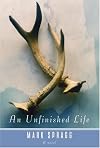
I was browsing used books and a title caught my eye. An Unfinished Life, by Mark Spragg. Something seemed familiar but I couldn't place it. I looked at it very briefly. There was a back cover endorsement by Jim Harrison, which I didn't bother to read. Harrison wrote Legends of the Fall, so his name as an endorsement was good enough for me.
I began to read. Spragg is an excellent storyteller and in the opening chapters there were two separate story lines that seemed to be moving towards each show more other. There were some elements of the story that seemed familiar, and one of the characters reminded me of a role Morgan freeman played in a movie. Now what was the name of that movie? Then, about 85 pages into the book, it hit me. The move was An Unfinished Life! No wonder the title caught my attention and the character seemed like the one played by Freeman! They were one and the same!
That said, this is an excellent story, told in a captivating manner. The movie was pretty good, but this book is excellent. Spragg brings out things in the characters, in terms of both their actions and thoughts, that just isn't captured well in a screenplay or on film. The theme of reconciliation is played out in a way that is both beautiful and poignant. I invite you to read it for yourself. You won’t be disappointed. show less
I began to read. Spragg is an excellent storyteller and in the opening chapters there were two separate story lines that seemed to be moving towards each show more other. There were some elements of the story that seemed familiar, and one of the characters reminded me of a role Morgan freeman played in a movie. Now what was the name of that movie? Then, about 85 pages into the book, it hit me. The move was An Unfinished Life! No wonder the title caught my attention and the character seemed like the one played by Freeman! They were one and the same!
That said, this is an excellent story, told in a captivating manner. The movie was pretty good, but this book is excellent. Spragg brings out things in the characters, in terms of both their actions and thoughts, that just isn't captured well in a screenplay or on film. The theme of reconciliation is played out in a way that is both beautiful and poignant. I invite you to read it for yourself. You won’t be disappointed. show less
Lists
Awards


You May Also Like


Associated Authors
Statistics
- Works
- 6
- Also by
- 2
- Members
- 1,405
- Popularity
- #18,284
- Rating
- 3.9
- Reviews
- 47
- ISBNs
- 70
- Languages
- 6