
David Chang (1) (1977–)
Author of Momofuku
For other authors named David Chang, see the disambiguation page.
Series
Works by David Chang
Cooking at Home: Or, How I Learned to Stop Worrying About Recipes and Love My Microwave (2021) 188 copies, 4 reviews
Ugly Delicious 1 copy
Breakfast, Lunch and Dinner 1 copy
Associated Works
Ivan Ramen: Love, Obsession, and Recipes from Tokyo's Most Unlikely Noodle Joint (2013) — Foreword — 234 copies, 2 reviews
How I Learned To Cook: Culinary Educations from the World's Greatest Chefs (2006) — Contributor — 191 copies, 3 reviews
Tagged
Common Knowledge
- Other names
- 장석호
- Birthdate
- 1977-08-05
- Gender
- male
- Education
- Trinity College, Hartford
- Occupations
- chef
- Nationality
- USA
- Birthplace
- Arlington, Virginia, USA
- Associated Place (for map)
- Virginia, USA
Members
Reviews
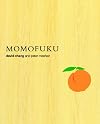
I find David Chang to be an insufferable asshole, but there's no doubt that he is the ultimate authority on high-end Manhattan hipster cuisine (e.g. charging $12 for a plate of bread of butter, serving $100 caviar with tater tots, etc.). He is masterful at elevating lowly ingredients while simultaneously bringing the fancy down to earth, with quirky mash-ups and non-traditional approaches to classic Korean, Japanese, and American dishes.
This cookbook provides a nice look "under the hood" at show more the thought process and execution of some of the best known and most popular Momofuku creations. Some are rather simple, others at the extreme high end of what an ambitious home cook can reasonably expect to accomplish. show less
This cookbook provides a nice look "under the hood" at show more the thought process and execution of some of the best known and most popular Momofuku creations. Some are rather simple, others at the extreme high end of what an ambitious home cook can reasonably expect to accomplish. show less
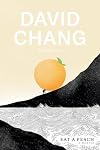
I'm a little on the fence with this one. On one hand, David Chang comes off as a pretty big jerk in his memoir. On the other hand, I can certainly admire how candid and genuine he is. I did learn a lot about him, but some of it wasn't very pleasant. It is interesting that he leveraged his mental health issues in a way that created his Momofuku empire, but I can't help thinking about all those people who helped him getting yelled at all the time. I did enjoy the general chef's chef moments show more where his admiration for other chefs came through, and the two brief moments about Anthony Bourdain were like tiny shining treasures among the gritty mess. I'm not sure if he would be pleased or upset to know that his general rage came through very well in his writing.
In the long run, I think what I took away from the book is that he's human, and so are the rest of us. He's kind of an asshole, but he would probably think I was pretty stupid for wanting to read his book, so I guess it evens out. The more I think about it, the more I think I appreciate what he did here. In fact, I'm giving it an extra star for explaining the Michelin star system in a way I finally understood it.
I definitely love the end products of his process (though I actually had no idea that Mind of a Chef was initially his project, and don't even get me started on how much I still miss Lucky Peach), so clearly something is working here even if it does sound a little like crossing the finish line in a fiery heap propelled only by the explosion that nearly killed you. Winning's winning. show less
In the long run, I think what I took away from the book is that he's human, and so are the rest of us. He's kind of an asshole, but he would probably think I was pretty stupid for wanting to read his book, so I guess it evens out. The more I think about it, the more I think I appreciate what he did here. In fact, I'm giving it an extra star for explaining the Michelin star system in a way I finally understood it.
I definitely love the end products of his process (though I actually had no idea that Mind of a Chef was initially his project, and don't even get me started on how much I still miss Lucky Peach), so clearly something is working here even if it does sound a little like crossing the finish line in a fiery heap propelled only by the explosion that nearly killed you. Winning's winning. show less
From the introduction, I get the sense this memoir, like Sara Bareilles' "Love Song" was written at the behest of his publisher (he even says so, in the reluctance to write a memoir versus a guide to young chefs starting their own restaurants). Still, Chang is an interesting person who's been in the public eye for food world with thoughtful, innovative shows and brash personality. I felt like this book was part therapy in self-evaluating the past, with tons of self-deprecation (and needed show more humility, in the case of reevaluating the anger-fueled actions in the early days.
There's also commentary of course, on perceptions, on being an Asian American guy who didn't necessarily fit the "smart" stereotype but was also driven to prove himself, to subvert expectations on dining and do something new with each property, etc. as well as taking criticisms of the restaurant personally (see aforementioned anger, where fuck ups in the kitchen were affronts to not just the restaurant but to himself). There's a common phrasing that depression is anger turned inwards, and I wouldn't be surprised if that connection was there here. show less
There's also commentary of course, on perceptions, on being an Asian American guy who didn't necessarily fit the "smart" stereotype but was also driven to prove himself, to subvert expectations on dining and do something new with each property, etc. as well as taking criticisms of the restaurant personally (see aforementioned anger, where fuck ups in the kitchen were affronts to not just the restaurant but to himself). There's a common phrasing that depression is anger turned inwards, and I wouldn't be surprised if that connection was there here. show less
As a preface, before I started this book I hadn't heard of David Chang and had only heard of the restaurant Momofuku once or twice in passing. I saw this book, though, on some lists of people's favorite 2020 releases, so I wanted to pick it up. I listened to the audiobook, read by the author, and I found it a really powerful book, though I do have some conflicting thoughts about it.
Eat a Peach is Chang's memoir, from his childhood through establishing a highly successful collection of show more restaurants in the US and abroad. The early portion is more or less chronological, though later it becomes more focused on various themes. And what themes they are--there's a lot of reflection on Chang's Korean-American upbringing as well as his ongoing struggles with mental illness.
I found Chang's reflections on race and Asian-ness very compelling, from his discussion of how the "smart Asian" stereotype was difficult for him, to "tiger parenting" (which he sees as a name that somewhat shellacs a destructive form of parenting, which for him caused a kind of hurt and need to excel that he suggests has remained with him into adulthood), to how his restaurants to date on the surface largely tout Japanese rather than Korean influences.
The sections on mental illness--Chang has struggled with bipolar throughout his adult life and has for years experienced truly extreme bursts of anger at his staff and people close to him--were probably the most moving part of this book for me. I found it really impressive how open Chang was about his flaws, and the book paints a strong portrait of someone who has made many, many mistakes but is trying to atone for them. To be completely honest as a reader, though I really respect him, I don't think that I emerged from this book liking him (though I don't think that that was necessarily the point). After finishing this book but before writing my review, I completely coincidentally happened to stumble upon this article/book review (https://www.eater.com/22193151/momofuku-david-chang-memoir-eat-a-peach-review), which I think also further adds layers of complication to his issues with anger/makes it a little difficult to figure out what was left unsaid in the memoir. It's a little interesting reading a mid-career memoir in a way, since Chang still hopefully has a substantial amount of time left in his career; and I really do hope that this book marks a turning point for him. show less
Eat a Peach is Chang's memoir, from his childhood through establishing a highly successful collection of show more restaurants in the US and abroad. The early portion is more or less chronological, though later it becomes more focused on various themes. And what themes they are--there's a lot of reflection on Chang's Korean-American upbringing as well as his ongoing struggles with mental illness.
I found Chang's reflections on race and Asian-ness very compelling, from his discussion of how the "smart Asian" stereotype was difficult for him, to "tiger parenting" (which he sees as a name that somewhat shellacs a destructive form of parenting, which for him caused a kind of hurt and need to excel that he suggests has remained with him into adulthood), to how his restaurants to date on the surface largely tout Japanese rather than Korean influences.
The sections on mental illness--Chang has struggled with bipolar throughout his adult life and has for years experienced truly extreme bursts of anger at his staff and people close to him--were probably the most moving part of this book for me. I found it really impressive how open Chang was about his flaws, and the book paints a strong portrait of someone who has made many, many mistakes but is trying to atone for them. To be completely honest as a reader, though I really respect him, I don't think that I emerged from this book liking him (though I don't think that that was necessarily the point). After finishing this book but before writing my review, I completely coincidentally happened to stumble upon this article/book review (https://www.eater.com/22193151/momofuku-david-chang-memoir-eat-a-peach-review), which I think also further adds layers of complication to his issues with anger/makes it a little difficult to figure out what was left unsaid in the memoir. It's a little interesting reading a mid-career memoir in a way, since Chang still hopefully has a substantial amount of time left in his career; and I really do hope that this book marks a turning point for him. show less
Lists
Awards


You May Also Like


Associated Authors
Statistics
- Works
- 28
- Also by
- 2
- Members
- 2,016
- Popularity
- #12,769
- Rating
- 3.8
- Reviews
- 43
- ISBNs
- 51
- Languages
- 5