
Hugh Ferriss (1889–1962)
Author of The Metropolis of Tomorrow
About the Author
Works by Hugh Ferriss
Associated Works
Lost Transmissions: The Secret History of Science Fiction and Fantasy (2019) — Art/illustration — 154 copies, 5 reviews
Tagged
Common Knowledge
- Birthdate
- 1889-07-12
- Date of death
- 1962-01-29
- Gender
- male
- Education
- Washington University in St. Louis (Architecture|1911)
- Occupations
- delineator
architect
draughtsman - Nationality
- USA
- Places of residence
- St. Louis, Missouri, USA
New York, New York, USA - Associated Place (for map)
- USA
Members
Reviews
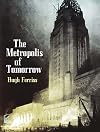
Nothing ages faster than yesterday's vision of the future, as the saying goes, and this Roaring Twenties-vintage gallery of skyscraper sketches and design philosophy makes for a neat time capsule of what people deep in the neo-gothic era thought cities would look like if you extended the trendlines of Art Deco out into the future. Ferris' many drawings of real and imaginary buildings are the highlight - very ghostly and nebulous, suggestive of vast Coruscant/Metropolis/Blade Runner-type show more grandeur even alongside his always poetic and thought-provoking essays about the importance of the human scale. He's perhaps too enamored of the automobile, but he was hardly alone in his Robert Moses-like enthusiasm for the science fictional possibilities they would bring; arguably this car-centric philosophy has permanently shifted the debate in America and should therefore be studied as science fact whether you agree with it or not. Alongside his discussions of then-new concepts like zoning and setbacks are some enjoyably dated prognostications on how tomorrow's cities would be organized; one can only imagine Jane Jacobs' horror over Ferriss rhapsodizing over monolithic pyramidal structures like the Power Plant, the Religious Tower, and the Business Center studding endless plains of lesser anthills. Here is his poem about the aesthetics of the Science Zone:
Buildings like crystals.
Walls of translucent glass.
Sheer glass blocks sheathing a steel grill.
No Gothic branch: no Acanthus leaf: no recollection of the plant world.
A mineral kingdom.
Gleaming stalagmites.
Forms as cold as ice.
Mathematics.
Night in the Science Zone.
This is both a horrible plan for a city and an excellent setting for a series of cyperpunk thriller novels. It's too short to be more than a glorified picture book, but recommended if you're a fan of historic architecture in New York, Chicago, St Louis, Detroit, etc, or of how modern urbanism inherits elements of the intellectual lineage of both these pharaonic megaliths and, say, Frank Lloyd Wright's Broadacre City proposals. show less
Buildings like crystals.
Walls of translucent glass.
Sheer glass blocks sheathing a steel grill.
No Gothic branch: no Acanthus leaf: no recollection of the plant world.
A mineral kingdom.
Gleaming stalagmites.
Forms as cold as ice.
Mathematics.
Night in the Science Zone.
This is both a horrible plan for a city and an excellent setting for a series of cyperpunk thriller novels. It's too short to be more than a glorified picture book, but recommended if you're a fan of historic architecture in New York, Chicago, St Louis, Detroit, etc, or of how modern urbanism inherits elements of the intellectual lineage of both these pharaonic megaliths and, say, Frank Lloyd Wright's Broadacre City proposals. show less
You May Also Like


Associated Authors
Statistics
- Works
- 2
- Also by
- 1
- Members
- 185
- Popularity
- #117,259
- Rating
- 3.9
- Reviews
- 1
- ISBNs
- 10
- Languages
- 1
- Favorited
- 1
