
Samantha Ellis
Author of How to Be a Heroine: Or, What I've Learned from Reading too Much
About the Author
Image credit: Nick Tucker
Works by Samantha Ellis
Associated Works
Tagged
Common Knowledge
- Gender
- female
- Education
- University of Cambridge (Queens' College)
- Occupations
- playwright
journalist - Short biography
- Samantha Ellis is a playwright and journalist. The daughter of Iraqi-Jewish refugees, she grew up thinking her family had travelled everywhere by magic carpet. From an early age she knew she didn’t want their version of a happy ending – marriage to a nice Iraqi-Jewish boy – so she read books to find out what she did want. Her plays include Patching Havoc, Sugar and Snow and Cling To Me Like Ivy, and she is a founding member of women’s theatre company Agent 160. She lives in London.
- Nationality
- UK
- Birthplace
- London, England, UK
- Places of residence
- London, England, UK
- Map Location
- UK
Members
Reviews
https://fromtheheartofeurope.eu/take-courage-anne-bronte-and-the-art-of-life-by-...
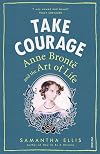
It’s difficult to write a biography of someone who is known as the most obscure of a group of three, most of whose papers and letters were destroyed; and yet we do have a lot to go on, from the remaining records of her life and most of all from her novels. (A taxi driver admits sheepishly to Ellis during her research that he could not name three novels by Anne Brontë. She reassures him that Anne only wrote show more two.)
The book makes a strong case (which I already agreed with anyway) that Anne was the best and greatest of the sisters. Charlotte and Emily’s heroines are unhealthily fascinated by broody and frankly abusive men. Helen, the eponymous tenant of Wildfell Hall, suffers in a bad marriage, gets out and moves on. I have not read Agnes Grey but clearly I need to correct that omission.
Ellis takes the approach of looking at individuals who were close to Anne Brontë and devoting a chapter to each. She is not a fan of Charlotte, but as a loyal Loughbricklander I was very glad to read a clean bill of health for the sisters’ father Patrick. (I should that Claire Harman, reviewing the book in the Guardian, found it unbalanced especially with regard to Charlotte and also skipping over Anne’s religious faith.)
It’s a book not only about Anne Brontë’s life, but about the process of researching that life; and about Ellis’s own progression from proud singleton at the beginning to entranced lover at the end. Sometimes when researchers put themselves into the story it becomes very intrusive and distracting; here Ellis uses her own emotional experiences to illuminate the themes of Anne Brontë’s writing, and it works. show less
It’s difficult to write a biography of someone who is known as the most obscure of a group of three, most of whose papers and letters were destroyed; and yet we do have a lot to go on, from the remaining records of her life and most of all from her novels. (A taxi driver admits sheepishly to Ellis during her research that he could not name three novels by Anne Brontë. She reassures him that Anne only wrote show more two.)
The book makes a strong case (which I already agreed with anyway) that Anne was the best and greatest of the sisters. Charlotte and Emily’s heroines are unhealthily fascinated by broody and frankly abusive men. Helen, the eponymous tenant of Wildfell Hall, suffers in a bad marriage, gets out and moves on. I have not read Agnes Grey but clearly I need to correct that omission.
Ellis takes the approach of looking at individuals who were close to Anne Brontë and devoting a chapter to each. She is not a fan of Charlotte, but as a loyal Loughbricklander I was very glad to read a clean bill of health for the sisters’ father Patrick. (I should that Claire Harman, reviewing the book in the Guardian, found it unbalanced especially with regard to Charlotte and also skipping over Anne’s religious faith.)
It’s a book not only about Anne Brontë’s life, but about the process of researching that life; and about Ellis’s own progression from proud singleton at the beginning to entranced lover at the end. Sometimes when researchers put themselves into the story it becomes very intrusive and distracting; here Ellis uses her own emotional experiences to illuminate the themes of Anne Brontë’s writing, and it works. show less
How to Be a Heroine: Or, What I've Learned from Reading too Much (Vintage Original) by Samantha Ellis
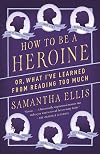
Those who don’t enjoy reading may assume it’s a solitary activity, and they’d be partly correct because page turning (physical or virtual) is usually done alone. But we literature lovers crave community as much as any social animal. It’s why we join book clubs and haunt web sites like GoodReads, BookLikes, and of course Austenprose. We love to connect with other readers to share passions, recount experiences, and exchange opinions about books. And reading about reading is an show more irresistible meta-pleasure that’s almost as fun as getting lost in a novel. For all these reasons Samantha Ellis’s “How to be a Heroine: What I learned from Reading too Much” piqued my interest.
Her book opens on the Yorkshire Moors with Ellis and her best friend arguing about which Brontë heroine they’d rather be, Jane Eyre or Cathy Earnshaw. Ellis made what to her was the obvious choice: passionate, gorgeous Cathy. Cathy had been her role model since first reading Wuthering Heights at twelve, and Jane had always seemed too stoic, virtuous, and, well, plain to her. But Ellis’s friend shocked her by disagreeing. Jane is independent, her friend pointed out. Jane doesn’t suffer fools and she sticks to her principals. Her friend thought Cathy looked silly--always weeping and wailing, and marrying a rich boy because she’s a snob even though she claims to love Heathcliff. “Why not just not marry the wrong man?” (2%) Ellis’s friend asked her.
That question sent shockwaves through Ellis’s longtime worldview and started her on a reading quest. Ellis always pictured herself like Catherine Morland in Jane Austen’s Northanger Abbey, “in training to be a heroine” (3%) by reading to find out what kind of woman she might want to be. But what if she had modeled her life on the wrong heroines? If she had been deluded about Cathy, could she have been mistaken about her other literary icons? Ellis decided to challenge her old views by re-reading every book that had been important to her, and reevaluating all her choices.
In the book’s eleven chapters Ellis scrutinizes all her favorite literary heroines and considers how they influenced her, starting with her earliest book loves, like the little Mermaid, and continuing on to the stories that captivated her in young adulthood. It’s a personal and passionate quest, so along the way readers learn a lot about Ellis herself and about the turbulent history of her uprooted Jewish-Iraqi family, who fled the Middle East for England, but still retain many traditions from their former life. A postscript contains a recipe for Iraqi Jewish marzipan called masafan, an homage to Nora Ephron’s “Heartburn”, and an extensive bibliography of every work she read for her project.
Ellis investigates many more heroines than are named in her chapter titles: The Little Mermaid, Anne of Green Gables, Lizzy Bennet, Scarlett O’Hara, Franny Glass, Esther Greenwood, Lucy Honeychurch, The Dolls (from the Valley), Cathy Earnshaw, Flora Poste, and Scheherazade. In the Anne of Green Gables chapter, for instance, Ellis wrote about imaginative Anne Shirley (who first inspired Ellis to be a writer), but also about the life and troubled marriage of author L. M. Montgomery, which shed light on the bland, even dispiriting, choices Montgomery made for Anne’s fictional adulthood. In the same chapter Ellis also considers Louisa May Alcott and her books featuring Jo March (another fictional author Ellis admired), Pollyanna (whose optimism seemed brainless compared to Anne Shirley’s spunk), Frances Hodgson Burnett’s “The Little Princess” (Sara Crewe’s dislocation reminded Ellis of her family’s forced exile) and the movies “When Harry Met Sally” and “Four Weddings and a Funeral”.
Ellis is both a playwright and a journalist, and obviously a woman who takes stories seriously. Though her scope is wide her insights about the heroines are penetrating and thought-provoking, making this an intellectually rich, emotionally moving book. Part of why it’s so compelling is how well Ellis connects her own experiences to those of her heroines. When Ellis was twelve and her friends were relating to Judy Blume’s characters, it was Lizzie Bennet she felt kinship with. Growing up in an expatriate traditional culture in which marriage was woman’s primary goal, Ellis completely sympathized with the plight of the Bennet sisters in Pride and Prejudice.
As I went through How to be a Heroine I couldn’t help thinking about the ways I’ve been influenced by my own literary heroines (for the record I always preferred Jane Eyre to Cathy.) That made reading this book like having a heartfelt conversation about life and favorite novels with an avid, well-read best friend. In the end, Ellis’s verdict on her early book loves is mixed; some heroines no longer seemed worthy of emulation. My verdict on her book however is absolutely positive; I loved it.
I received an advanced review ebook copy of this book from the publisher through NetGalley. Review opinions are mine.
Originally posted on Austenprose http://austenprose.com/ show less
Her book opens on the Yorkshire Moors with Ellis and her best friend arguing about which Brontë heroine they’d rather be, Jane Eyre or Cathy Earnshaw. Ellis made what to her was the obvious choice: passionate, gorgeous Cathy. Cathy had been her role model since first reading Wuthering Heights at twelve, and Jane had always seemed too stoic, virtuous, and, well, plain to her. But Ellis’s friend shocked her by disagreeing. Jane is independent, her friend pointed out. Jane doesn’t suffer fools and she sticks to her principals. Her friend thought Cathy looked silly--always weeping and wailing, and marrying a rich boy because she’s a snob even though she claims to love Heathcliff. “Why not just not marry the wrong man?” (2%) Ellis’s friend asked her.
That question sent shockwaves through Ellis’s longtime worldview and started her on a reading quest. Ellis always pictured herself like Catherine Morland in Jane Austen’s Northanger Abbey, “in training to be a heroine” (3%) by reading to find out what kind of woman she might want to be. But what if she had modeled her life on the wrong heroines? If she had been deluded about Cathy, could she have been mistaken about her other literary icons? Ellis decided to challenge her old views by re-reading every book that had been important to her, and reevaluating all her choices.
In the book’s eleven chapters Ellis scrutinizes all her favorite literary heroines and considers how they influenced her, starting with her earliest book loves, like the little Mermaid, and continuing on to the stories that captivated her in young adulthood. It’s a personal and passionate quest, so along the way readers learn a lot about Ellis herself and about the turbulent history of her uprooted Jewish-Iraqi family, who fled the Middle East for England, but still retain many traditions from their former life. A postscript contains a recipe for Iraqi Jewish marzipan called masafan, an homage to Nora Ephron’s “Heartburn”, and an extensive bibliography of every work she read for her project.
Ellis investigates many more heroines than are named in her chapter titles: The Little Mermaid, Anne of Green Gables, Lizzy Bennet, Scarlett O’Hara, Franny Glass, Esther Greenwood, Lucy Honeychurch, The Dolls (from the Valley), Cathy Earnshaw, Flora Poste, and Scheherazade. In the Anne of Green Gables chapter, for instance, Ellis wrote about imaginative Anne Shirley (who first inspired Ellis to be a writer), but also about the life and troubled marriage of author L. M. Montgomery, which shed light on the bland, even dispiriting, choices Montgomery made for Anne’s fictional adulthood. In the same chapter Ellis also considers Louisa May Alcott and her books featuring Jo March (another fictional author Ellis admired), Pollyanna (whose optimism seemed brainless compared to Anne Shirley’s spunk), Frances Hodgson Burnett’s “The Little Princess” (Sara Crewe’s dislocation reminded Ellis of her family’s forced exile) and the movies “When Harry Met Sally” and “Four Weddings and a Funeral”.
Ellis is both a playwright and a journalist, and obviously a woman who takes stories seriously. Though her scope is wide her insights about the heroines are penetrating and thought-provoking, making this an intellectually rich, emotionally moving book. Part of why it’s so compelling is how well Ellis connects her own experiences to those of her heroines. When Ellis was twelve and her friends were relating to Judy Blume’s characters, it was Lizzie Bennet she felt kinship with. Growing up in an expatriate traditional culture in which marriage was woman’s primary goal, Ellis completely sympathized with the plight of the Bennet sisters in Pride and Prejudice.
As I went through How to be a Heroine I couldn’t help thinking about the ways I’ve been influenced by my own literary heroines (for the record I always preferred Jane Eyre to Cathy.) That made reading this book like having a heartfelt conversation about life and favorite novels with an avid, well-read best friend. In the end, Ellis’s verdict on her early book loves is mixed; some heroines no longer seemed worthy of emulation. My verdict on her book however is absolutely positive; I loved it.
I received an advanced review ebook copy of this book from the publisher through NetGalley. Review opinions are mine.
Originally posted on Austenprose http://austenprose.com/ show less
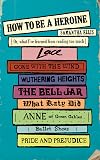
Oh this book! I really feared to read it -- that it would be dull, that it would be sappy or disappointing. But no. Samantha successfully holds the balance between personal memoir and literary critique. It's wonderful to read, and delightful to watch her intelligent, thoughtful reexaminations of the books that had such emotional impact for her growing up. Not only does it make me want to rexamine some of my own heroines, it's finally a feel-good woman's book that doesn't end in marriage, or show more rely on romantic love for personal completion. I always wondered what that would look like, and it's something of a relief to find it so beautifully triumphant.
Advanced Reader's Copy provided by Edelweiss. show less
Advanced Reader's Copy provided by Edelweiss. show less

A coming of age/reading memoir by playwright, Samantha Ellis. According to the introduction the idea for this book came when Samantha Ellis and her best friend were visiting the Yorkshire Moors and arguing about whether they'd rather be Jane Eyre or Cathy Earnshaw (for me, that was all I needed to know that I would want to read this). Ellis' friend won the argument discussion which led Ellis to the following realisation:
"I was wrong. My whole life, I'd been trying to be Cathy, when I should show more have been trying to be Jane."
Feeling she's been wrong about Jane and Cathy, Ellis decides to reread the books featuring all her favourite heroines and reassess both the books and the heroines. She writes about her personal response to these heroines when she first read the books and her response on rereading them as an adult. She doesn't take herself too seriously and it's not formal literary criticism but as an English graduate and playwright her remarks show a lot of insight into both the books and her own life. Occasionally I didn't agree with her opinions but it was always interesting to read them. When I started reading this I thought I would find the discussion of books the most interesting part but I found myself as interested in the story of Ellis' own life as I was in her reactions to the heroines.
I loved this - I think it helped that I had also read a lot of these books as a teenager so it had a very cosy, nostalgic feel but it's also added a lot of books to my wishlist and made me want to reread the books I'd already read to see if my opinions of them and their heroines has changed. show less
"I was wrong. My whole life, I'd been trying to be Cathy, when I should show more have been trying to be Jane."
Feeling she's been wrong about Jane and Cathy, Ellis decides to reread the books featuring all her favourite heroines and reassess both the books and the heroines. She writes about her personal response to these heroines when she first read the books and her response on rereading them as an adult. She doesn't take herself too seriously and it's not formal literary criticism but as an English graduate and playwright her remarks show a lot of insight into both the books and her own life. Occasionally I didn't agree with her opinions but it was always interesting to read them. When I started reading this I thought I would find the discussion of books the most interesting part but I found myself as interested in the story of Ellis' own life as I was in her reactions to the heroines.
I loved this - I think it helped that I had also read a lot of these books as a teenager so it had a very cosy, nostalgic feel but it's also added a lot of books to my wishlist and made me want to reread the books I'd already read to see if my opinions of them and their heroines has changed. show less
Lists
Awards


You May Also Like


Associated Authors
Statistics
- Works
- 6
- Also by
- 2
- Members
- 731
- Popularity
- #34,740
- Rating
- 4.0
- Reviews
- 24
- ISBNs
- 20
- Languages
- 2
- Favorited
- 1