
Sheila Roberts
Author of On Strike for Christmas
About the Author
Sheila Roberts has been writing since 1989. Her books include Angel Lane (Center Point Pub 2009), a Amazon Best Pick in 2009, Bikini Season (Gale Cengage 2008), and The Snow Globe (St Martins Press 2010). In 2014 her title Welcome to Icicle Falls, as part of Together for Christmas, made Harlequin's show more Hot Romance List. (Bowker Author Biography) show less
Series
Works by Sheila Roberts
I Hate Whining Except when I'm Doing It (and Other Lessons Learned at My Children's Knees) (1996) 23 copies
Holiday Wishes and Mistletoe Kisses: A Romance Sampler [extended exerpts] (2017) — Contributor — 4 copies
Beauty and the Beastly Duke 2 copies
A Small Town Christmas, 3 Novels and 1 Story: Angel Lane, On Strike for Christmas, The Nine Lives of Christmas, A Very Holly Christmas (2016) 2 copies
[(The Cottage on Juniper Ridge)] [By (author) Sheila Roberts] published on (February, 2014) (1964) 1 copy
Uusi alku 1 copy
Moonlight Harbor Series 1 copy
The Valentine Games 1 copy
Associated Works
The Summer It Begins: The Goodbye Quilt / A Wedding on Primrose Street (2019) — Contributor — 25 copies
Reader's Digest Select Editions 2009 v06 #306: Love in Bloom / Pursuit / Serendipity / The Nine Lessons (2009) 7 copies
Reader's Digest Select Editions 2011 v01 #313: 61 Hours / Small Change / Nowhere to Run / Leaving Unknown (2011) 5 copies
All Romance, All The Time: A Fiction Sampler for Every Mood (13 titles) (2015) — some editions — 5 copies
Tagged
Common Knowledge
- Gender
- female
Members
Reviews
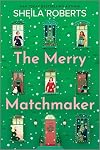
I have been reading Sheila Roberts Christmas stories for many years, and I look forward reading a new holiday tale each fall. The Merry Matchmaker by Sheila Roberts is a modern twist on Jane Austen’s Emma. Frankie Lane, the protagonist, believes she knows what is best for everyone (if you look up the definition of meddler in the dictionary, you will find Frankie’s name listed). Frankie and her antics got on my nerves after a while. Frankie believes that she knows what is best for show more everyone despite their protests (I would not want to be related to her). It was especially annoying when she would complain about something that was her fault (this is what happens when you meddle). I liked that the story had middle aged characters instead of twenty-somethings. I was not a fan of some of the characters as well as some of the choices they made. There was minimal character growth. The point-of-view switches between the various characters. It gets confusing with so many characters in a dialogue heavy story especially when the POV switches with no warning (you must figure out which character is speaking now). The multiple points-of-view leads to repetitive details. The Merry Matchmaker is a slow starter with the story seeming to go around in circles in the middle and a rushed ending. I liked the Christmas atmosphere and the festival. The story does wrap up nicely at the end. Unfortunately, The Merry Matchmaker did not make me merry. show less

I don't think I would have re-read this book if it hadn't literally fallen on my head...as books stored on high precarious perches are wont to do. Back in the early days of my romance reading life I read Zebra and Signet Regency novels as if they were the air I breathed. My locker at school was crammed full of them so I could grab a new one every time I finished one (in class), my backpack had a couple, my closet was overflowing. They were some of the few I could afford at the used book show more store as well.
I remember reading this one--I'm a sucker for "switcheroo" romances in any form--and sighing over how romantic it was all was.
Look I was a henwitted and sheltered child so forgive my transgresses.
Reading this now I'm simply APPALLED that I ever found it romantic. Until page 188 (out of 221pages) our romantic male lead Charles Trevor is UNCERTAIN if he still loved the female lead's sister (Elyza) still. Elyza being the beautiful sister he had been admiring from afar for ever so long and whom he thought he was proposing to after spending an evening at the masquerade conversing with.
I can't help but wonder how he enjoyed himself so greatly with Emily (disguised as Elyza). Did he never SPEAK to Elyza? Did it not occur to him that Emily's brand of humor, which largely consists of clever quips and commentary about social foibles, was entirely DIFFERENT from Elyza's more...shall we say narcissistic humor? He claims to have loved Elyza from afar for "all of the season", yet it must have REALLY been from afar to not notice the differences between the two girls even with masks on.
I mean the differences were ENDLESSLY pointed out by Emily or Elyza or others. Starting with how Emily had dark brown eyes and darker blond hair while Elyza had cornflower blue eyes and almost WHITE blonde hair. Maybe the hair could be excused--she could have been wearing a wig--but they didn't have colored contacts back in Regency England so how then did he not notice the eye color when ALL he spoke about was how lovely Elyza's eyes were when compared to the sky?
Let's put that aside for his behavior post-proposal to Emily, aka the "wrong" sister. He legitimately spends 90% of the book saying what a good girl Emily is and how understanding she is to be letting him out of the engagement (at some point or other in the nearish future), but gosh won't it be great to be able to marry her sister? Meaning he's going to be tossed over by Emily (because they "don't suit") and immediately engage himself to Elyza. I'm certain the ton would never be so crass as to gossip that the reason they didn't suit was because he preferred Elyza to Emily (and that's assuming they're nice about it). In all honesty if that came to pass Emily would be looked on with far more favor then Elyza or Charles because the ton would instantly surmise (rightfully or otherwise) that Charles preferred Elyza because she was the beauty.
The only real bright spot in this entire book is Emily. While I couldn't quite get past her constantly sighing over being a martyr (even if she never said as much) I greatly enjoyed her otherwise. To be perfectly honest I wish Lord Beddington (a "rakehell" and ruiner of gently bred women's reputations :eyeroll: more on this in a moment) had swept Emily away. Once her got past the nonsense over Elyza he was far more intriguing, upfront and honest then Charles ever was. He stated quite plainly that Elyza was pretty, but pretty wasn't enough for him anymore. He was bored of it and Emily, with her quick wit and tongue, was perfectly suited to him.
Truthfully Rabe does a terrible job of making him seem unsuitable for Emily. Yes he tried to lure her sister into scandalous things, but really I could well see Elyza chasing him first. Girl had as much sense in her head as a peagoose. He acted no worse for his behavior then most formerly rakehell heroes...but then I suppose that's the rub. Around when this was originally published (1994) I don't think it was quite the thing to have the romantic male lead be a "rakehell" or "have a reputation". From the books I read published around that time and earlier, insofar as Regencies went, leading men tended to have perhaps a reputation as a heart breaker or as having mistresses, but that's as grey as they got. Men rumored to have ruined gently bred young ladies were not likely.
Where was I before I started my love of Beddington. Oh yes. Charles' other sin was to blatantly flirt with Elyza in front of Emily (in front of other guests!), then redden when he realized what he was doing and as an after thought offer Emily some compliments of a less passionate nature. To Elyza it often was "You look stunning!" and to Emily "You aren't hard on the eyes at all". Rousing romantic that he was.
So really I can't help but think the me of 15 was an incurable IDIOT. But I suppose that's bound to happen when your only brush with romance was through the pages of a book. show less
I remember reading this one--I'm a sucker for "switcheroo" romances in any form--and sighing over how romantic it was all was.
Look I was a henwitted and sheltered child so forgive my transgresses.
Reading this now I'm simply APPALLED that I ever found it romantic. Until page 188 (out of 221pages) our romantic male lead Charles Trevor is UNCERTAIN if he still loved the female lead's sister (Elyza) still. Elyza being the beautiful sister he had been admiring from afar for ever so long and whom he thought he was proposing to after spending an evening at the masquerade conversing with.
I can't help but wonder how he enjoyed himself so greatly with Emily (disguised as Elyza). Did he never SPEAK to Elyza? Did it not occur to him that Emily's brand of humor, which largely consists of clever quips and commentary about social foibles, was entirely DIFFERENT from Elyza's more...shall we say narcissistic humor? He claims to have loved Elyza from afar for "all of the season", yet it must have REALLY been from afar to not notice the differences between the two girls even with masks on.
I mean the differences were ENDLESSLY pointed out by Emily or Elyza or others. Starting with how Emily had dark brown eyes and darker blond hair while Elyza had cornflower blue eyes and almost WHITE blonde hair. Maybe the hair could be excused--she could have been wearing a wig--but they didn't have colored contacts back in Regency England so how then did he not notice the eye color when ALL he spoke about was how lovely Elyza's eyes were when compared to the sky?
Let's put that aside for his behavior post-proposal to Emily, aka the "wrong" sister. He legitimately spends 90% of the book saying what a good girl Emily is and how understanding she is to be letting him out of the engagement (at some point or other in the nearish future), but gosh won't it be great to be able to marry her sister? Meaning he's going to be tossed over by Emily (because they "don't suit") and immediately engage himself to Elyza. I'm certain the ton would never be so crass as to gossip that the reason they didn't suit was because he preferred Elyza to Emily (and that's assuming they're nice about it). In all honesty if that came to pass Emily would be looked on with far more favor then Elyza or Charles because the ton would instantly surmise (rightfully or otherwise) that Charles preferred Elyza because she was the beauty.
The only real bright spot in this entire book is Emily. While I couldn't quite get past her constantly sighing over being a martyr (even if she never said as much) I greatly enjoyed her otherwise. To be perfectly honest I wish Lord Beddington (a "rakehell" and ruiner of gently bred women's reputations :eyeroll: more on this in a moment) had swept Emily away. Once her got past the nonsense over Elyza he was far more intriguing, upfront and honest then Charles ever was. He stated quite plainly that Elyza was pretty, but pretty wasn't enough for him anymore. He was bored of it and Emily, with her quick wit and tongue, was perfectly suited to him.
Truthfully Rabe does a terrible job of making him seem unsuitable for Emily. Yes he tried to lure her sister into scandalous things, but really I could well see Elyza chasing him first. Girl had as much sense in her head as a peagoose. He acted no worse for his behavior then most formerly rakehell heroes...but then I suppose that's the rub. Around when this was originally published (1994) I don't think it was quite the thing to have the romantic male lead be a "rakehell" or "have a reputation". From the books I read published around that time and earlier, insofar as Regencies went, leading men tended to have perhaps a reputation as a heart breaker or as having mistresses, but that's as grey as they got. Men rumored to have ruined gently bred young ladies were not likely.
Where was I before I started my love of Beddington. Oh yes. Charles' other sin was to blatantly flirt with Elyza in front of Emily (in front of other guests!), then redden when he realized what he was doing and as an after thought offer Emily some compliments of a less passionate nature. To Elyza it often was "You look stunning!" and to Emily "You aren't hard on the eyes at all". Rousing romantic that he was.
So really I can't help but think the me of 15 was an incurable IDIOT. But I suppose that's bound to happen when your only brush with romance was through the pages of a book. show less
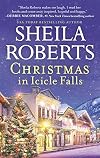
This book is one long INTENSE blackpill. If someone told me Sheila Roberts doesn't exist and incels secretly wrote this, I would not be surprised. But hey, now that I know the guys from .co are responsible for r/femaledatingstrategy I think incels are behind everything.
Okay! Let's dig into it. Poor freaking Arnie. Muriel has no interest in Arnie until Dot pretends to have an interest in him. There's the first blackpill. Women practice hypergamy and are only interested in men who have a show more higher SMV (sexual marketplace value) than they do. The fact that this trick works is treated is whimsical and funny. NO! This is sad! I get so annoyed when I see evidence of this SMV hypergamy in romance novels. Fellow women! You embarrassing me in front of the inkells out here! All of those rogue/rake/player books prove this hypergamy. The other woman who shows up to give the MC some competition (like the exes and the older woman in 50 Shades). Do women actually get off to dread? Now we proving the Red Pill right too. But I'm off on a whole thing. Dot's supposed attraction to Arnie proves to Muriel that he is a worthy mate because another female is interested in him. And hey, a guy can't be attractive unless you can smell all that other pussy wafting off him. Am I right? /s
I hated everything about that trick. Being attracted to men based on whether or not OTHER women find them attractive should not be normalized or treated as cute. All the dudes on r/asktheredpill telling each other build dread in their "plates" and LTRs, yeah when women's fantasies look like this it isn't hard to see why. But I don't believe this is an issue of "woman's true nature" and all that jazz. I don't think this is a biological thing. I believe in the power of media, the power of stories to both reflect and shape our realities. If fiction would stop treating dread and hypergamy as normal/cute/romantic etc, well then maybe we would see far less of it in the real world.
And oh GOD, the backstory from pages 88-89. After Muriel's first husband dies and Arnie makes a tentative romantic gesture, Muriel tells him that no man will ever replace Stephen.
"And she'd truly felt that way...until Waldo came along....'I'd be happy to pay for the lady's drink. Put it on my tab,' a deep voice behind Muriel said.
She turned to see a TALL MAN WITH BROAD SHOULDERS and an equally broad smile and she felt the same fluttering in her chest as what she'd felt the first time she'd seen Stephen."
Gee. I wonder why.
So, Muriel is all set on men until Chad Waldo shows up to pay for her coffee and be tall at her.
Muriel's idiocy is pointed out to her in a flashback scene, and I'd be remiss if I didn't point this out. The narrative does attempt to salvage a bit of integrity with the high school flashback scene pages 211-218. YES. Arnie has been waiting on the sidelines for Muriel since high school and she is a freaking grandmother now. All while poor Arnie has never been married once.
Here is a good example of the narrative attempting to show us that Muriel is wrong for the way she treats Arnie (to be clear, I'm not saying she owes him a romantic relationship BUT she uses him for emotional/financial support in a way that is totally one-sided. She hardly thinks of Arnie as a person. She admits this to herself at one point, but the book falls short of REALLY sticking the landing and I'll explain why in a minute.)
From page 217: "And so it had been all through high school-Muriel always dating the best-looking, most testosterone-loaded boys; and Arnie, the one who'd been the perfect match all along,looking on. He'd continued to look on as she'd fallen for and married two other men.
Funny, now who was looking on? It served her right."
Um...yep. And that would have been a GREAT moral for us readers to walk away with, but alas, oh....poor Arnie. Here is some more cringe for you.
This is a nice fat 80/20 blackpill for you. From page 211. "Suddenly, it was the fall of her sophomore year in high school again. A new boy had moved to town and EVERY GIRL HAD BEEN EYEING HIM. Bill Bernard was a junior, AN OLDER MAN. He was a football player and he had the husky build to prove it. He was rugged and sexy, and with his blue eyes and blonde hair, Muriel and her best friend, Pat, had dubbed him the Viking. Half the girls in school had crushes on him, including Muriel."
Yep. It makes perfect sense to only want a dude because other women want him. That's how you build a long-lasting and emotionally-healthy relationship /s
I say the book tries but doesn't stick the landing, because Muriel and Arnie do end up together. Oh Arnie, you poor beta f***. And the narrative treats this like some huge win for Arnie.
At the end of the book Christmas party on page 288. "Happy New Year, everyone. And congratulations," she said to Arnie, who was looking like a man who'd won the lottery."
Really? He spent decades alone, watching the woman he loved choose Chads over him. He will NEVER have children. He will NEVER have a family of his own. His youth and hers are gone. Muriel probably only picked him because she didn't want to die alone.....freaking A. Poor, poor Arnie! This is the best a man who isn't conventionally-attractive can hope for? That a twice-widowed eldery grandmother will eventually decide that he's good enough to run out the clock with?
Look, here's what should have happened: the narrative should have punished Muriel for her choices. Every choice FOR something is a choice against something else. When she chose the tall masculine men over Arnie, she shouldn't ALSO get to have sweet and kind Arnie in her old age. She shouldn't get both.
This is disrespectful as hell to all men who are not conventionally masculine.
The narrative effectively says, "If you're not a macho man, you might spend decades alone, and never have children (because of course we gotta end those beta genes), but if you're a real good boy, you might get to sleep next to an elderly widow for four of five years before you croak. And if this happens, YOU JUST WON THE LOTTERY.'
I hated it. I hated everything about it. I was so angry when Arnie and Muriel ended up together. I was rooting for Arnie and Dot the whole way. This is the most misandrist thing I've ever read in a novelized Hallmark movie.
Now, on to my other issue:
The whole Christmas Carol retelling aspect. This was SUCH a loose retelling, and that's fine, or it would be if the author wasn't pounding it into me constantly 'THIS IS A LOOSE CHRISTMAS CAROL RETELLING.'
For real, maybe I needed a few more hints. It was too subtle :/
But why are the names all mixed up? Firstly, using actual names from the Christmas Carol was too heavy-handed. I saw the name 'Cratchet' and was like 'Wait...is this a Christmas Carol retelling?'
It would have been more fun to figure it out myself. Especially with the stand-in for Tiny Tim (Leo) having a learning disability (a poorly-research learning disability at that) instead of a physical one, this actually had the potential to be clever.
But no. We have a character named freaking BOB CRATCHET. Except he is the stand-in for Scrooge. Why are the names mixed up? It's so pointless and I think the author just did it because she thinks he readers are idiots who couldn't figure the retelling part out for themselves.
Cratchet's nephew is named Tim too.....gawd.
Then we get two 'Bah Humbugs' and The Christmas Carol is name-dropped twice.
But aside from there being a Scrooge, a disabled kid, and the fact that Cratchet's fiance left him because he loved money (ripped off actual Scrooge's backstory entirely, huh?-that backstory didn't even make sense for Tim to mention because Cratchet and the woman DID eventually get married. It was such a weird thing to bring up and no actual human would do that). Aside form all that, the retelling wasn't evn there. Yes, there's the theme of appreciating people and having a merry Christmas. But for how ham-fisted these "hints' were, I should have got some freaking ghosts. Or at least a stand-in for the ghosts, something serving the same narrative functions as the ghosts.
Then with the Olivia and Meadow story thread, "My Fair Lady" was name-dropped, so I guess that thread was supposed to be a My Fair Lady loose (VERY LOOSE) retelling?
I'll end this rant by saying what I liked about the book. The pacing was good, the writing style charming. It was fun to read (when I wasn't infuriated). show less
Okay! Let's dig into it. Poor freaking Arnie. Muriel has no interest in Arnie until Dot pretends to have an interest in him. There's the first blackpill. Women practice hypergamy and are only interested in men who have a show more higher SMV (sexual marketplace value) than they do. The fact that this trick works is treated is whimsical and funny. NO! This is sad! I get so annoyed when I see evidence of this SMV hypergamy in romance novels. Fellow women! You embarrassing me in front of the inkells out here! All of those rogue/rake/player books prove this hypergamy. The other woman who shows up to give the MC some competition (like the exes and the older woman in 50 Shades). Do women actually get off to dread? Now we proving the Red Pill right too. But I'm off on a whole thing. Dot's supposed attraction to Arnie proves to Muriel that he is a worthy mate because another female is interested in him. And hey, a guy can't be attractive unless you can smell all that other pussy wafting off him. Am I right? /s
I hated everything about that trick. Being attracted to men based on whether or not OTHER women find them attractive should not be normalized or treated as cute. All the dudes on r/asktheredpill telling each other build dread in their "plates" and LTRs, yeah when women's fantasies look like this it isn't hard to see why. But I don't believe this is an issue of "woman's true nature" and all that jazz. I don't think this is a biological thing. I believe in the power of media, the power of stories to both reflect and shape our realities. If fiction would stop treating dread and hypergamy as normal/cute/romantic etc, well then maybe we would see far less of it in the real world.
And oh GOD, the backstory from pages 88-89. After Muriel's first husband dies and Arnie makes a tentative romantic gesture, Muriel tells him that no man will ever replace Stephen.
"And she'd truly felt that way...until Waldo came along....'I'd be happy to pay for the lady's drink. Put it on my tab,' a deep voice behind Muriel said.
She turned to see a TALL MAN WITH BROAD SHOULDERS and an equally broad smile and she felt the same fluttering in her chest as what she'd felt the first time she'd seen Stephen."
Gee. I wonder why.
So, Muriel is all set on men until Chad Waldo shows up to pay for her coffee and be tall at her.
Muriel's idiocy is pointed out to her in a flashback scene, and I'd be remiss if I didn't point this out. The narrative does attempt to salvage a bit of integrity with the high school flashback scene pages 211-218. YES. Arnie has been waiting on the sidelines for Muriel since high school and she is a freaking grandmother now. All while poor Arnie has never been married once.
Here is a good example of the narrative attempting to show us that Muriel is wrong for the way she treats Arnie (to be clear, I'm not saying she owes him a romantic relationship BUT she uses him for emotional/financial support in a way that is totally one-sided. She hardly thinks of Arnie as a person. She admits this to herself at one point, but the book falls short of REALLY sticking the landing and I'll explain why in a minute.)
From page 217: "And so it had been all through high school-Muriel always dating the best-looking, most testosterone-loaded boys; and Arnie, the one who'd been the perfect match all along,looking on. He'd continued to look on as she'd fallen for and married two other men.
Funny, now who was looking on? It served her right."
Um...yep. And that would have been a GREAT moral for us readers to walk away with, but alas, oh....poor Arnie. Here is some more cringe for you.
This is a nice fat 80/20 blackpill for you. From page 211. "Suddenly, it was the fall of her sophomore year in high school again. A new boy had moved to town and EVERY GIRL HAD BEEN EYEING HIM. Bill Bernard was a junior, AN OLDER MAN. He was a football player and he had the husky build to prove it. He was rugged and sexy, and with his blue eyes and blonde hair, Muriel and her best friend, Pat, had dubbed him the Viking. Half the girls in school had crushes on him, including Muriel."
Yep. It makes perfect sense to only want a dude because other women want him. That's how you build a long-lasting and emotionally-healthy relationship /s
I say the book tries but doesn't stick the landing, because Muriel and Arnie do end up together. Oh Arnie, you poor beta f***. And the narrative treats this like some huge win for Arnie.
At the end of the book Christmas party on page 288. "Happy New Year, everyone. And congratulations," she said to Arnie, who was looking like a man who'd won the lottery."
Really? He spent decades alone, watching the woman he loved choose Chads over him. He will NEVER have children. He will NEVER have a family of his own. His youth and hers are gone. Muriel probably only picked him because she didn't want to die alone.....freaking A. Poor, poor Arnie! This is the best a man who isn't conventionally-attractive can hope for? That a twice-widowed eldery grandmother will eventually decide that he's good enough to run out the clock with?
Look, here's what should have happened: the narrative should have punished Muriel for her choices. Every choice FOR something is a choice against something else. When she chose the tall masculine men over Arnie, she shouldn't ALSO get to have sweet and kind Arnie in her old age. She shouldn't get both.
This is disrespectful as hell to all men who are not conventionally masculine.
The narrative effectively says, "If you're not a macho man, you might spend decades alone, and never have children (because of course we gotta end those beta genes), but if you're a real good boy, you might get to sleep next to an elderly widow for four of five years before you croak. And if this happens, YOU JUST WON THE LOTTERY.'
I hated it. I hated everything about it. I was so angry when Arnie and Muriel ended up together. I was rooting for Arnie and Dot the whole way. This is the most misandrist thing I've ever read in a novelized Hallmark movie.
Now, on to my other issue:
The whole Christmas Carol retelling aspect. This was SUCH a loose retelling, and that's fine, or it would be if the author wasn't pounding it into me constantly 'THIS IS A LOOSE CHRISTMAS CAROL RETELLING.'
For real, maybe I needed a few more hints. It was too subtle :/
But why are the names all mixed up? Firstly, using actual names from the Christmas Carol was too heavy-handed. I saw the name 'Cratchet' and was like 'Wait...is this a Christmas Carol retelling?'
It would have been more fun to figure it out myself. Especially with the stand-in for Tiny Tim (Leo) having a learning disability (a poorly-research learning disability at that) instead of a physical one, this actually had the potential to be clever.
But no. We have a character named freaking BOB CRATCHET. Except he is the stand-in for Scrooge. Why are the names mixed up? It's so pointless and I think the author just did it because she thinks he readers are idiots who couldn't figure the retelling part out for themselves.
Cratchet's nephew is named Tim too.....gawd.
Then we get two 'Bah Humbugs' and The Christmas Carol is name-dropped twice.
But aside from there being a Scrooge, a disabled kid, and the fact that Cratchet's fiance left him because he loved money (ripped off actual Scrooge's backstory entirely, huh?-that backstory didn't even make sense for Tim to mention because Cratchet and the woman DID eventually get married. It was such a weird thing to bring up and no actual human would do that). Aside form all that, the retelling wasn't evn there. Yes, there's the theme of appreciating people and having a merry Christmas. But for how ham-fisted these "hints' were, I should have got some freaking ghosts. Or at least a stand-in for the ghosts, something serving the same narrative functions as the ghosts.
Then with the Olivia and Meadow story thread, "My Fair Lady" was name-dropped, so I guess that thread was supposed to be a My Fair Lady loose (VERY LOOSE) retelling?
I'll end this rant by saying what I liked about the book. The pacing was good, the writing style charming. It was fun to read (when I wasn't infuriated). show less

Terrific book. The main character is Moira, a stylist with a knack for finding just the right cut and color for her clients. Unfortunately, she doesn't have the same knack in her personal life. Though her boyfriend seemed perfect at first, the abuse has worsened over the five years they've been together. She could take it herself, but the last straw came when he kicked her cat. With the help of her boss, she found a haven in the tiny town of Moonlight Harbor. Michael sent Moira to his friend show more Pearl, the owner of Waves Salon. Pearl isn't too sure she needs another stylist, but she also realizes that if she doesn't bring in some younger customers, her salon will be toast. Moira is young, hip, and enthusiastic, and Pearl quickly realizes what a treasure Moira is.
I loved watching the people of this small town, especially the women, embrace Moira and help restore the confidence that her life with Lang had ripped from her. Enough of the ladies had experienced troubles of their own that they recognized what she was going through. It isn't a one-way street, as Moira also helps her new friends on their own journeys. I loved Pearl and Edie, the older ladies who became like grandmothers to Moira. Pearl experienced some heartbreaking losses in her life and has been merely going through the motions of living. Moira is like a breath of fresh air blowing through the salon, reinvigorating Pearl's joy in what she does. It was fun to see how the salon's makeover paralleled Pearl's. Edie is the owner of the local hotel, in her eighties, and with a heart as big as the ocean. I loved seeing her pull Moira into her family's life, treating her like another niece. I loved the cooking scenes that gave Moira a taste of the life she'd always wanted and another boost of self-confidence.
I also enjoyed seeing the other friendships that Moira built, reminding her of what she'd given up thanks to Lang. She used her talent with color and style to help other women make changes in their lives. I especially enjoyed seeing Annie's journey, which was somewhat like Moira's. Just like Moira, Annie is in a toxic relationship. Her husband's drinking is so out-of-control that she feels she has no choice but to take their daughter and leave him. I loved how her friends gave her the support she needed and the encouragement to follow her dreams. There are many wonderful scenes of the way that the women back each other up with support, advice, or just listening when someone needs to vent.
When Moira arrived in Moonlight Beach, she had every intention of staying away from any romantic entanglements. She doesn't trust her judgment any longer. But when local cop Victor King stops her for speeding, her heart speeds up too. Victor is terrific. He takes pride in his efforts to care for the people of his town. He is friendly and sweet and adorably tongue-tied around women. I loved watching the relationship between them develop. Victor makes no secret of his interest in Moira, but she is wary. She is interested in him, too, but it is difficult for her to trust her judgment. I liked how she explained her fears to Victor and that he cared enough to be patient while she worked through her fears. They ran into a snag when Moira discovered that her new friend Courtney is also interested in Victor. I ached for him when Moira seemed to pull away for no reason. I also wanted to shake Moira, but I understood her reasons. The resolution of that triangle was emotional and also showed the strength of true friendship. Things finally looked up for Victor and Moira, until her past made an unwelcome appearance. I loved seeing Moira's new strength and confidence as she confronted Lang and feared for her life at his reaction. I cheered at the unexpected help she received and loved the final resolution. Victor's big moment at the end was sweet and romantic.
This was the first Moonlight Harbor book that I have read, but it worked well as a stand-alone. That said, I want to go back and read the earlier books to learn the stories of the other residents of the town. I am especially interested in reading more about Jenna and her relationships with Brody and Seth. I'd also like to know more about Hyacinth and the story leading up to her interference in the preacher's wedding. show less
I loved watching the people of this small town, especially the women, embrace Moira and help restore the confidence that her life with Lang had ripped from her. Enough of the ladies had experienced troubles of their own that they recognized what she was going through. It isn't a one-way street, as Moira also helps her new friends on their own journeys. I loved Pearl and Edie, the older ladies who became like grandmothers to Moira. Pearl experienced some heartbreaking losses in her life and has been merely going through the motions of living. Moira is like a breath of fresh air blowing through the salon, reinvigorating Pearl's joy in what she does. It was fun to see how the salon's makeover paralleled Pearl's. Edie is the owner of the local hotel, in her eighties, and with a heart as big as the ocean. I loved seeing her pull Moira into her family's life, treating her like another niece. I loved the cooking scenes that gave Moira a taste of the life she'd always wanted and another boost of self-confidence.
I also enjoyed seeing the other friendships that Moira built, reminding her of what she'd given up thanks to Lang. She used her talent with color and style to help other women make changes in their lives. I especially enjoyed seeing Annie's journey, which was somewhat like Moira's. Just like Moira, Annie is in a toxic relationship. Her husband's drinking is so out-of-control that she feels she has no choice but to take their daughter and leave him. I loved how her friends gave her the support she needed and the encouragement to follow her dreams. There are many wonderful scenes of the way that the women back each other up with support, advice, or just listening when someone needs to vent.
When Moira arrived in Moonlight Beach, she had every intention of staying away from any romantic entanglements. She doesn't trust her judgment any longer. But when local cop Victor King stops her for speeding, her heart speeds up too. Victor is terrific. He takes pride in his efforts to care for the people of his town. He is friendly and sweet and adorably tongue-tied around women. I loved watching the relationship between them develop. Victor makes no secret of his interest in Moira, but she is wary. She is interested in him, too, but it is difficult for her to trust her judgment. I liked how she explained her fears to Victor and that he cared enough to be patient while she worked through her fears. They ran into a snag when Moira discovered that her new friend Courtney is also interested in Victor. I ached for him when Moira seemed to pull away for no reason. I also wanted to shake Moira, but I understood her reasons. The resolution of that triangle was emotional and also showed the strength of true friendship. Things finally looked up for Victor and Moira, until her past made an unwelcome appearance. I loved seeing Moira's new strength and confidence as she confronted Lang and feared for her life at his reaction. I cheered at the unexpected help she received and loved the final resolution. Victor's big moment at the end was sweet and romantic.
This was the first Moonlight Harbor book that I have read, but it worked well as a stand-alone. That said, I want to go back and read the earlier books to learn the stories of the other residents of the town. I am especially interested in reading more about Jenna and her relationships with Brody and Seth. I'd also like to know more about Hyacinth and the story leading up to her interference in the preacher's wedding. show less
Awards


You May Also Like


Associated Authors
Statistics
- Works
- 91
- Also by
- 13
- Members
- 3,734
- Popularity
- #6,781
- Rating
- 3.7
- Reviews
- 232
- ISBNs
- 337
- Languages
- 4
- Favorited
- 3
