
Dominique Manotti
Author of Rough Trade
About the Author
Image credit: Dominique Manotti, été 2017
Series
Works by Dominique Manotti
Associated Works
Tagged
Common Knowledge
- Legal name
- Thibault, Marie-Noëlle
- Other names
- Manotti, Dominique (Pseudonyme de romancière)
- Birthdate
- 1942-12-23
- Gender
- female
- Education
- Agrégation d'histoire
- Occupations
- detective novelist
economic historian
professor - Organizations
- Université de Paris 8 (Chargée de cours|19 69|Maître de conférences|Histoire)
Parti communiste français (Militante active)
CFDT, Syndicat (Militante active) - Nationality
- France
- Birthplace
- Paris, Île-de-France, France
- Places of residence
- Paris, Île-de-France, France
- Associated Place (for map)
- France
Members
Reviews
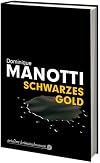
I love Dominique Manotti's books. You can really feel her professional (teaches economic history at Paris universities) and personal (CFDT trade unionist) background in her books. Her crime novels are historically sound and the social life in the books is also consistent. Ergo, in addition to an exciting story, her books are also educational.
The author takes us back to Marseille in 1973, and not without reason. 1973 was the year in which the Bretton Woods monetary system collapsed, which show more meant that the previously fixed exchange rates of national currencies against the dollar (world reserve currency) were liberalised, which in turn opened the door to speculation. 1973 was also the year of the first oil crisis (Sunday driving ban). In the 1960s and early 70s, Marseille was the main transshipment centre for hard drugs to the USA (French Connection).
Marseille is the 27-year-old detective's first place of work. After successfully completing his studies (political science, law), graduating from the police academy and spending a year in Beirut, he arrives one Sunday morning in March 1973 in the port city on the French Mediterranean coast, which is threatened by decline. He is immediately confronted with an insidious murder case, which may have taken place in Nice, but the victim is Maxime Pieri, a well-known businessman from Marseille who is said to have good contacts with organised crime in the city. Because Pieri was more or less gunned down by 10 shots in the street, the Marseille police are keen to categorise the crime as an act of revenge within rival gangs. This hypothesis begins to falter two days later when Pieri's deputy, Jacques Simon, is shot dead in the car park at Nice airport.
Daquin and two local investigators assigned to him search through the past of the two victims and try to get an overview of the opaque business connections of their company. Pieri and Simon ran a small shipping company with 10 ships that transported various legal and illegal cargoes across the Mediterranean, including crude oil of unknown origin. The search for the perpetrators is more like the work of auditors or tax investigators. A thicket of bogus and front companies conceals the real string-pullers, who also walk over dead bodies in their business dealings. An American businessman and his South African wife become the focus of the investigation. show less
The author takes us back to Marseille in 1973, and not without reason. 1973 was the year in which the Bretton Woods monetary system collapsed, which show more meant that the previously fixed exchange rates of national currencies against the dollar (world reserve currency) were liberalised, which in turn opened the door to speculation. 1973 was also the year of the first oil crisis (Sunday driving ban). In the 1960s and early 70s, Marseille was the main transshipment centre for hard drugs to the USA (French Connection).
Marseille is the 27-year-old detective's first place of work. After successfully completing his studies (political science, law), graduating from the police academy and spending a year in Beirut, he arrives one Sunday morning in March 1973 in the port city on the French Mediterranean coast, which is threatened by decline. He is immediately confronted with an insidious murder case, which may have taken place in Nice, but the victim is Maxime Pieri, a well-known businessman from Marseille who is said to have good contacts with organised crime in the city. Because Pieri was more or less gunned down by 10 shots in the street, the Marseille police are keen to categorise the crime as an act of revenge within rival gangs. This hypothesis begins to falter two days later when Pieri's deputy, Jacques Simon, is shot dead in the car park at Nice airport.
Daquin and two local investigators assigned to him search through the past of the two victims and try to get an overview of the opaque business connections of their company. Pieri and Simon ran a small shipping company with 10 ships that transported various legal and illegal cargoes across the Mediterranean, including crude oil of unknown origin. The search for the perpetrators is more like the work of auditors or tax investigators. A thicket of bogus and front companies conceals the real string-pullers, who also walk over dead bodies in their business dealings. An American businessman and his South African wife become the focus of the investigation. show less
Rough Trade – Sublime & Gritty
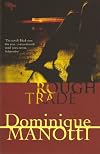
Rough Trade by Dominique Manotti is a fantastic euro crime thriller that hits the mark on all levels. There are no wasted words no paragraphs to pad out the story, like a surgeon with a scalpel she is incisive with her story telling and gets right down to business. Written in 1995 about the seedy underworld immigrant Paris of the early 1980s this has all the grit you would expect.
Superintendent Daquin is head of the Drugs Squad and is based in the 10th show more arrondissement for the duration of his investigations. This is the area of Le Sentier where there are many clothing workshops owned and worked in by Turks mostly illegal workers. They have their own action committee campaigning to get the legal work papers which also lead to various clashes.
Daquin and his squad have been called out to a murder where a young Thai prostitute has been found along with a quantity of drugs. The work room where the dead body has been found was a clothing workshop but all the workers and machines had been spirited away.
While investigating the murder of the Thai prostitute and the Turkish drugs connections Daquin discovers a world of intrigue police corruption and some of the targets protected at the highest levels. This does not put Daquin off the scent but makes him more determined to find the truth and at the same time root out the corruption.
There is a stark bleakness that pervades throughout Rough Trade, the mixture of illegal workers, where death is cheap and drugs a plenty. Where the Turks are fighting the battles of their homeland on French soil where the extreme right and left face each other off. Where police investigations can be interfered with by a protective establishment and still somehow manage to get the job done in spite of those higher up the food chain.
Through the excellent translation from the French this is writing at its best the prose gives off the imagery of a seedy underworld that is so vivid. You can smell the strong coffee and the raki mixed with the smell of Gauloises, you can hear the sewing machines and the clatter of small workrooms and the sounds on the streets.
This may be a short crime thriller but it hits the mark and is so enjoyable and through the skill of the writing you feel at the heart of the book and the investigation. This is a wonderful example of Euro-Crime at its best. show less
Rough Trade by Dominique Manotti is a fantastic euro crime thriller that hits the mark on all levels. There are no wasted words no paragraphs to pad out the story, like a surgeon with a scalpel she is incisive with her story telling and gets right down to business. Written in 1995 about the seedy underworld immigrant Paris of the early 1980s this has all the grit you would expect.
Superintendent Daquin is head of the Drugs Squad and is based in the 10th show more arrondissement for the duration of his investigations. This is the area of Le Sentier where there are many clothing workshops owned and worked in by Turks mostly illegal workers. They have their own action committee campaigning to get the legal work papers which also lead to various clashes.
Daquin and his squad have been called out to a murder where a young Thai prostitute has been found along with a quantity of drugs. The work room where the dead body has been found was a clothing workshop but all the workers and machines had been spirited away.
While investigating the murder of the Thai prostitute and the Turkish drugs connections Daquin discovers a world of intrigue police corruption and some of the targets protected at the highest levels. This does not put Daquin off the scent but makes him more determined to find the truth and at the same time root out the corruption.
There is a stark bleakness that pervades throughout Rough Trade, the mixture of illegal workers, where death is cheap and drugs a plenty. Where the Turks are fighting the battles of their homeland on French soil where the extreme right and left face each other off. Where police investigations can be interfered with by a protective establishment and still somehow manage to get the job done in spite of those higher up the food chain.
Through the excellent translation from the French this is writing at its best the prose gives off the imagery of a seedy underworld that is so vivid. You can smell the strong coffee and the raki mixed with the smell of Gauloises, you can hear the sewing machines and the clatter of small workrooms and the sounds on the streets.
This may be a short crime thriller but it hits the mark and is so enjoyable and through the skill of the writing you feel at the heart of the book and the investigation. This is a wonderful example of Euro-Crime at its best. show less
Escape – Short and Stunning
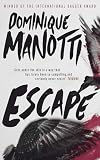
Escape by Dominique Manotti may be only 161 pages long, but this is a short and very punchy thriller. Manotti is like a sniper where no words are wasted but are aimed like bullets at their target hitting every time. Once you have read this Escape it is easy to see why this one the International Dagger Award and will want people to read and enjoy it.
Manotti is able to use her experience of being a left wing activist in Paris in the 60s to bear with her knowledge show more along with an encyclopaedic knowledge of the left wing movements on mainland Europe and their various activities. To many this would be a complex history mixed in to a thriller to hard for most but seamless for Manotti. Her knowledge brings a gritty realism to the story.
It is 1987 and two prisoners escape from an Italian prison in a rubbish truck and are able to avoid detection and escape to the hills. One of the prisoners is former Red Brigades commander Carlo Fedeli and his cell mate Felippo Zuliani a thief. Carlo gives his cell mate an address of his former girlfriend and colleague Lisa in Paris if things go wrong.
While on the run Filippo learns of the tragic death of Carlo and he also gets mentioned in the newspaper report, and he makes his way to Paris. Lisa treats him with suspicion but used her contacts in the Italian community to find somewhere for Filippo to live and hopeful work too.
Filippo is found a night watchman’s position and all he really has to do at night is write and live in his thoughts. Through his night time writing he passes to his landlady Cristina who in turns pass Filippo’s manuscript to a publishing house. In turn his book is published and is a critical success, which in turn brings him to the attention of the Italian refugees in Paris who are in fear and to the Italian secret service across the border.
Filippo loves the attention while Lisa is investigating the death of Carlo and his suspicious death. Little does Filippo know how much every move he makes is being watched and how much his life is in real danger. While we learn of the lengths that the right wing politicos and secret services in Italy will go to protect their position.
This is a totally absorbing gob smacking thriller that poses questions and you are still unsure of the answers at the end. The reader is drawn in to a compelling read and when you reach the climax you are will want more, but Manotti ends the story while on top. There are no long drawn out scenes no wasted words every word counts, the prose is razor sharp, the imagery evocative. Escape is short, stunning and brilliant. show less
Escape by Dominique Manotti may be only 161 pages long, but this is a short and very punchy thriller. Manotti is like a sniper where no words are wasted but are aimed like bullets at their target hitting every time. Once you have read this Escape it is easy to see why this one the International Dagger Award and will want people to read and enjoy it.
Manotti is able to use her experience of being a left wing activist in Paris in the 60s to bear with her knowledge show more along with an encyclopaedic knowledge of the left wing movements on mainland Europe and their various activities. To many this would be a complex history mixed in to a thriller to hard for most but seamless for Manotti. Her knowledge brings a gritty realism to the story.
It is 1987 and two prisoners escape from an Italian prison in a rubbish truck and are able to avoid detection and escape to the hills. One of the prisoners is former Red Brigades commander Carlo Fedeli and his cell mate Felippo Zuliani a thief. Carlo gives his cell mate an address of his former girlfriend and colleague Lisa in Paris if things go wrong.
While on the run Filippo learns of the tragic death of Carlo and he also gets mentioned in the newspaper report, and he makes his way to Paris. Lisa treats him with suspicion but used her contacts in the Italian community to find somewhere for Filippo to live and hopeful work too.
Filippo is found a night watchman’s position and all he really has to do at night is write and live in his thoughts. Through his night time writing he passes to his landlady Cristina who in turns pass Filippo’s manuscript to a publishing house. In turn his book is published and is a critical success, which in turn brings him to the attention of the Italian refugees in Paris who are in fear and to the Italian secret service across the border.
Filippo loves the attention while Lisa is investigating the death of Carlo and his suspicious death. Little does Filippo know how much every move he makes is being watched and how much his life is in real danger. While we learn of the lengths that the right wing politicos and secret services in Italy will go to protect their position.
This is a totally absorbing gob smacking thriller that poses questions and you are still unsure of the answers at the end. The reader is drawn in to a compelling read and when you reach the climax you are will want more, but Manotti ends the story while on top. There are no long drawn out scenes no wasted words every word counts, the prose is razor sharp, the imagery evocative. Escape is short, stunning and brilliant. show less
The Paris police force as portrayed by Dominique Manotti in her debut novel Rough Trade is the most corrupt force I've encountered in a lifetime of detective novels including James Ellroy's hard-hitting early Los Angelos novels. Need to questions a prostitute--be sure to make free use of her skills first. Someone refusing to give you the information you want-- beat them until they do. If you're a Paris police detective, your authority is your ticket to get whatever you want from anyone who show more comes into contact with the law, especially anyone in the country illegally.
Even Inspector Daquin, our nominative hero, is beneath contempt as far as I'm concerned. His beautiful young lover, a Turkish man in the country illegally, is only willing to be with him because Daquin has evidence that could get him deported. As long as Inspector Daquin keeps the evidence to himself, Soleiman remains his "willing" lover.
While the detectives are not nice people, the criminals in Rough Trade are worse yet. Ms. Manotti's novel deals with some of the major political hot-button issues of the 1980's: exploitation of illegal immigrant labor, international prostitution rings, the growing international heroin trade, and the very powerful men who make them all possible as the profit from them.
Rough Trade's plot concerns the murder of a child prostitute who died shortly after an encounter in a sophisticated and secretive establishment where powerful business men can go to have themselves filmed while having sex. (Home video was a relatively novel technology in the early 1980's.) The investigation takes Inspector Daquin through the underworld of Paris's sex trade, drug abuse and human trafficking. We don't meet anyone we can really like with the exception of Inspector Daquin's unwilling lover Solieman who is working to bring legal recognition to the Turkish men who, while in the country illegally, make the manufacture of clothing possible through the cheap labor they provide the Paris rag trade.
Rough Trade is a challenging novel. The plot takes the reader all over the place and the characters, while true to their world, are not likeable. They are all degrees of bad. But Inspector Daquin does find a level of redemption in the end, I think, through his dedication to find the killer of this one girl. His motives have much more to do with career than with altruism, and he never does make the connection between what happend to her and what he is doing to Solieman, but even dedication to a career is dedication to something, and a bit of good comes out it all in the end. That's something, I guess.
I've got two more Dominique Manotti novels in my TBR pile. Will I read more? Probably. But I'm going to wait a while. I'm not the only reviewer to compare her to James Ellroy's early work. The comparison is apt. Both are terrific writers, both bring the underworlds they portray to vivid life, and both can leave a disquieting aftertaste. show less
Even Inspector Daquin, our nominative hero, is beneath contempt as far as I'm concerned. His beautiful young lover, a Turkish man in the country illegally, is only willing to be with him because Daquin has evidence that could get him deported. As long as Inspector Daquin keeps the evidence to himself, Soleiman remains his "willing" lover.
While the detectives are not nice people, the criminals in Rough Trade are worse yet. Ms. Manotti's novel deals with some of the major political hot-button issues of the 1980's: exploitation of illegal immigrant labor, international prostitution rings, the growing international heroin trade, and the very powerful men who make them all possible as the profit from them.
Rough Trade's plot concerns the murder of a child prostitute who died shortly after an encounter in a sophisticated and secretive establishment where powerful business men can go to have themselves filmed while having sex. (Home video was a relatively novel technology in the early 1980's.) The investigation takes Inspector Daquin through the underworld of Paris's sex trade, drug abuse and human trafficking. We don't meet anyone we can really like with the exception of Inspector Daquin's unwilling lover Solieman who is working to bring legal recognition to the Turkish men who, while in the country illegally, make the manufacture of clothing possible through the cheap labor they provide the Paris rag trade.
Rough Trade is a challenging novel. The plot takes the reader all over the place and the characters, while true to their world, are not likeable. They are all degrees of bad. But Inspector Daquin does find a level of redemption in the end, I think, through his dedication to find the killer of this one girl. His motives have much more to do with career than with altruism, and he never does make the connection between what happend to her and what he is doing to Solieman, but even dedication to a career is dedication to something, and a bit of good comes out it all in the end. That's something, I guess.
I've got two more Dominique Manotti novels in my TBR pile. Will I read more? Probably. But I'm going to wait a while. I'm not the only reviewer to compare her to James Ellroy's early work. The comparison is apt. Both are terrific writers, both bring the underworlds they portray to vivid life, and both can leave a disquieting aftertaste. show less
Lists
Awards


You May Also Like


Associated Authors
Statistics
- Works
- 20
- Also by
- 1
- Members
- 564
- Popularity
- #44,321
- Rating
- 3.5
- Reviews
- 21
- ISBNs
- 118
- Languages
- 6
- Favorited
- 1
