
Dorothy Hoobler
Author of The Ghost in the Tokaido Inn
About the Author
Dorothy Hoobler is a historian and author of over sixty books, both fiction and nonfiction, mostly for young readers. Her and her husband are the authors of the well-loved American Family Album series, including The Japanese American Family Album, which was named a Carter G. Woodson Honor Book in show more 1997. The Hooblers won the Edgar Allan Poe Award for Best Young Adult Novel in 2005 with In Darkness, Death. In addition, the Society for School Librarians International chose their book Showa: The Era of Hirohito for a best book award in 1991, and they have been cited for excellence by the Library of Congress, the Parents' Choice Foundation, Bank Street College, the International Reading Association, the National Conference of Christians and Jews, and the New York Public Library. (Bowker Author Biography) show less
Image credit: Courtesy of Hahchette Book Group
Series
Works by Dorothy Hoobler
Are You Prepared for the Storm of Love Making?: Letters of Love and Lust from the White House (2024) 19 copies
Indoor Gardening: A Compilation of House Plants, Cacti & Succulents, Miniature Gardens and Gardening in Containers (1976) 2 copies
Chu En-Lai 2 copies
Tagged
Common Knowledge
- Canonical name
- Hoobler, Dorothy
- Legal name
- Hoobler, Dorothy Law
- Birthdate
- 1941
- Gender
- female
- Education
- Wells College (BA|History)
New York University (MA|History) - Occupations
- historian
writer - Relationships
- Hoobler, Thomas (husband)
- Nationality
- USA
- Birthplace
- Philadelphia, Pennsylvania, USA
- Places of residence
- Crestwood, New York, USA
Aurora, New York, USA
New York, New York, USA - Associated Place (for map)
- New York, USA
Members
Discussions
Found: YA Trail of Tears in Name that Book (August 2021)
Reviews
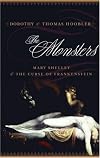
The thing about the lives of Mary Shelley, Percy Shelley, and Lord Byron is that they are too absurd to be made up. Moreover, they were fully aware of each other’s ridiculousness, seemingly without any great awareness of their own. In 1819 Percy wrote of Byron’s then mistress, for instance:
‘The Monsters’ is a concise biography of all three figures and the literary works that emerged from their close friendship. It also recounts the extraordinary domestic upheavals of the Shelleys and some (by no means all) of Byron’s shenanigans. There is a great deal of tragedy in the story, as the three lost relatives, friends, spouses, and children to accident, illness, and suicide. The book’s tone strikes a suitable balance between the genuine sadness of these events and some of incredible melodrama that also occurs. For example, Percy Shelley once saved Mary’s life after she had a miscarriage, then two days later began to see visions of his own ghost. That just seems to be how it was in their household. I’d previously known the broad outlines of their lives, so ‘The Monsters’ filled in some fascinating and piquant details.
I was left thinking that a film about the Villa Diodati gang and their ghost stories should really be from the perspective of their servants. Although the journals and letters of those involved were subsequently purged of potentially shocking content by concerned relatives, the Hooblers tell an excellent tale using what has survived. As the authors are Americans, now and again a comment sounds slightly comic to a British reader, however overall this is an entertaining and thoughtful look at the triumphs and tragedies of the early 19th century’s greatest goths. show less
A pretty, sentimental, innocent, superficial Italian, who has sacrifized [sic] an immense fortune to live for Lord Byron; and who, if I know anything of my friend, of her, or of human nature willshow more
hereafter have plenty of leisure and opportunity to repent of her rashness.
‘The Monsters’ is a concise biography of all three figures and the literary works that emerged from their close friendship. It also recounts the extraordinary domestic upheavals of the Shelleys and some (by no means all) of Byron’s shenanigans. There is a great deal of tragedy in the story, as the three lost relatives, friends, spouses, and children to accident, illness, and suicide. The book’s tone strikes a suitable balance between the genuine sadness of these events and some of incredible melodrama that also occurs. For example, Percy Shelley once saved Mary’s life after she had a miscarriage, then two days later began to see visions of his own ghost. That just seems to be how it was in their household. I’d previously known the broad outlines of their lives, so ‘The Monsters’ filled in some fascinating and piquant details.
I was left thinking that a film about the Villa Diodati gang and their ghost stories should really be from the perspective of their servants. Although the journals and letters of those involved were subsequently purged of potentially shocking content by concerned relatives, the Hooblers tell an excellent tale using what has survived. As the authors are Americans, now and again a comment sounds slightly comic to a British reader, however overall this is an entertaining and thoughtful look at the triumphs and tragedies of the early 19th century’s greatest goths. show less
"At the heart of the book (Frankenstein) is the mystery of creativity and its consequences, something that concerned - even, at times, tormented - all five of the people at Villa Diodati. In their outsized passions, their remarkable talents, their distorted personal lives, their never-satisfied yearning for love - they were all monsters."
Most people have heard of that dark, stormy summer night at Lake Geneva when Lord Byron, Percy & Mary Shelley, Claire (Mary’s stepsister, pregnant by show more Byron) and Polidori (Byron’s doctor) listened to ghost stories told by candlelight. The group also exchanged news of the most interesting scientific and medical discoveries of their day. All five came away inspired to write, though of the resulting efforts, only Mary’s Frankenstein achieved lasting success.
The Monsters, though obviously favoring Mary, is a communal, corporate biography of these individuals, who would remain linked after they left the cottage. Using letters and journals Hoobler weaves a tapestry that gives a fascinating portrait of their life together. I didn’t know much about any of these individuals before I started in and I was completely unable to stop reading about them.
John Polidori was the outsider of the group, so naturally his role is small, but still interesting. He only studied medicine at his father’s insistence but had aspirations of being an author. Polly Dolly (as Byron named him) apparently gave himself license to pursue his passion after finding himself in such literary company. When published, his gothic novel, The Vampyre, was rumored to be penned by Byron. I think Polidori learned well from his former employer. By allowing the controversy he knew sales would increase and the notoriety would make him famous.
Lord Byron’s reputation keeps him popular but I never understood how much of a rockstar he was in his day. His behavior certainly kept me shaking my head, it seems celebrities have not changed much. Hoobler helped me to understand that overcompensating for his self-esteem issues resulted in some wild antics, and the attention he got as a result then fed into his vanity. Byron seems to me like a line of toppling dominos, a complete mess but fun to watch. I’m convinced that being a true friend to him would have been a tough exercise and was really the only admirable thing I found in Percy.
The train wreck of Claire Clairmont’s life was completely her own doing and I found myself largely apathetic to her situation. And even angry, at times, at how her actions affected Mary and Percy. It’s like that old nail-horseshoe-horse-war proverb. Had not Claire solicited Byron, she would not have fallen pregnant by him, she would not have introduced him to Percy, Percy might not have embraced sailing and he might not have drowned, etc. I also did not care for her behavior with Percy and the strain she put on his marriage. But then again, had Percy been a man of morals or had Mary put her foot down, Claire wouldn’t have been able to do so. So, it’s really the what-ifs that make me dislike Claire.
The Monsters vividly paints the tragedy of Mary Shelley’s whole existence. Her father gave her her own mother’s name after the woman expired from the birth. Of course, Mary also had her father’s name until she was (finally) wed to Percy and took his name. She went where Percy went. Whatever schedule Percy kept, she kept. She even lost most of her children (only one lived to adulthood). So Mary never really had much to call her own, until Frankenstein. Hoobler really focuses in on that in the novel and how Mary expressed her own feelings and desires through it. I gained a new appreciation for Frankenstein while reading about Mary.
And Percy. I don’t like Percy. His unconventionalness ruffles my conventionalness and that’s really the heart of it. Byron’s actions, though not any more moral, didn’t seem to bother me as much as Percy’s and I don’t understand that yet. But I didn’t find any affection (of my own) for Percy in these pages.
The Monsters was a page-turner for me and I’m not a huge biography reader, so I think those that like biographies will really enjoy it. I also think it works well as a travelogue. It would make a fabulous tandem read alongside Frankenstein even though it’s not gothic in nature. But don’t let that keep you from cuddling up with it on a dark and stormy night… show less
Most people have heard of that dark, stormy summer night at Lake Geneva when Lord Byron, Percy & Mary Shelley, Claire (Mary’s stepsister, pregnant by show more Byron) and Polidori (Byron’s doctor) listened to ghost stories told by candlelight. The group also exchanged news of the most interesting scientific and medical discoveries of their day. All five came away inspired to write, though of the resulting efforts, only Mary’s Frankenstein achieved lasting success.
The Monsters, though obviously favoring Mary, is a communal, corporate biography of these individuals, who would remain linked after they left the cottage. Using letters and journals Hoobler weaves a tapestry that gives a fascinating portrait of their life together. I didn’t know much about any of these individuals before I started in and I was completely unable to stop reading about them.
John Polidori was the outsider of the group, so naturally his role is small, but still interesting. He only studied medicine at his father’s insistence but had aspirations of being an author. Polly Dolly (as Byron named him) apparently gave himself license to pursue his passion after finding himself in such literary company. When published, his gothic novel, The Vampyre, was rumored to be penned by Byron. I think Polidori learned well from his former employer. By allowing the controversy he knew sales would increase and the notoriety would make him famous.
Lord Byron’s reputation keeps him popular but I never understood how much of a rockstar he was in his day. His behavior certainly kept me shaking my head, it seems celebrities have not changed much. Hoobler helped me to understand that overcompensating for his self-esteem issues resulted in some wild antics, and the attention he got as a result then fed into his vanity. Byron seems to me like a line of toppling dominos, a complete mess but fun to watch. I’m convinced that being a true friend to him would have been a tough exercise and was really the only admirable thing I found in Percy.
The train wreck of Claire Clairmont’s life was completely her own doing and I found myself largely apathetic to her situation. And even angry, at times, at how her actions affected Mary and Percy. It’s like that old nail-horseshoe-horse-war proverb. Had not Claire solicited Byron, she would not have fallen pregnant by him, she would not have introduced him to Percy, Percy might not have embraced sailing and he might not have drowned, etc. I also did not care for her behavior with Percy and the strain she put on his marriage. But then again, had Percy been a man of morals or had Mary put her foot down, Claire wouldn’t have been able to do so. So, it’s really the what-ifs that make me dislike Claire.
The Monsters vividly paints the tragedy of Mary Shelley’s whole existence. Her father gave her her own mother’s name after the woman expired from the birth. Of course, Mary also had her father’s name until she was (finally) wed to Percy and took his name. She went where Percy went. Whatever schedule Percy kept, she kept. She even lost most of her children (only one lived to adulthood). So Mary never really had much to call her own, until Frankenstein. Hoobler really focuses in on that in the novel and how Mary expressed her own feelings and desires through it. I gained a new appreciation for Frankenstein while reading about Mary.
And Percy. I don’t like Percy. His unconventionalness ruffles my conventionalness and that’s really the heart of it. Byron’s actions, though not any more moral, didn’t seem to bother me as much as Percy’s and I don’t understand that yet. But I didn’t find any affection (of my own) for Percy in these pages.
The Monsters was a page-turner for me and I’m not a huge biography reader, so I think those that like biographies will really enjoy it. I also think it works well as a travelogue. It would make a fabulous tandem read alongside Frankenstein even though it’s not gothic in nature. But don’t let that keep you from cuddling up with it on a dark and stormy night… show less
"...all five of the people at Villa Diodati. In their outsized passions, their remarkable talents, their distorted personal lives, their never-satisfied yearning for love--they were all monsters."
The authors manage a reasonably even-handed summary of Byron's life prior to meeting Claire, though they rely a bit on apocrypha to spice things up (as if things needed spicing!) and render simplistically his impossibly tangled and complex feelings toward women. Claire is her manipulative, brazen, show more shrill, grasping self (am personally very weary of her apologists). Neither fares well in the recounting of little Allegra's death.
Shelley comes off as preposterously idealistic, flighty, immature and self-serving (not a nuanced portraiit). Mary seems less dour than usual--due primarily to the authors' selection of quotations from her journal--at least until tragedy overtakes her. The authors insistently present her as a woman with dire daddy issues. Polidori is his hapless and preposterous self; the personality clash with Byron is fairly rendered. And, of course, almost everyone dies intolerably young.
I sometimes lose sight of just how young they all were that summer at Diodati. Kids telling ghost stories to scare each other on a stormy night... show less
The authors manage a reasonably even-handed summary of Byron's life prior to meeting Claire, though they rely a bit on apocrypha to spice things up (as if things needed spicing!) and render simplistically his impossibly tangled and complex feelings toward women. Claire is her manipulative, brazen, show more shrill, grasping self (am personally very weary of her apologists). Neither fares well in the recounting of little Allegra's death.
Shelley comes off as preposterously idealistic, flighty, immature and self-serving (not a nuanced portraiit). Mary seems less dour than usual--due primarily to the authors' selection of quotations from her journal--at least until tragedy overtakes her. The authors insistently present her as a woman with dire daddy issues. Polidori is his hapless and preposterous self; the personality clash with Byron is fairly rendered. And, of course, almost everyone dies intolerably young.
I sometimes lose sight of just how young they all were that summer at Diodati. Kids telling ghost stories to scare each other on a stormy night... show less
True story, pieced together from diaries and letters – the ones that weren’t torn up or burned by ex-lovers or protectors of the ‘brand.’ Lots (and lots) of historical facts which seemed to occupy much of the book, too much even for me (who loves that kind of thing) until I realized how skillfully the authors were recreating the settings, the expectations, clothing, travel, family, medical treatment, and customs (here, often more observed in the breach than the show more observance).
Introductory pages for each of the major players in the story are enticing, as this one:
“One of the group would have been instantly recognizable to most people in Europe or America. His imposing profile aroused the envy of young men, who obsessively imitated his clothes and hairstyle, and the secret admiration of young women, who had heard it whispered (in the words of Lady Caroline Lamb, his onetime lover) that Lord Byron was “mad, bad, and dangerous to know.” And in fact Byron had fled here to escape the scandal caused by the allegation that he had committed incest with his half-sister Augusta—a rumor that had caused Byron’s young wife to leave him. Though only twenty-eight, Byron was already the most famous English poet of the time—an era when writing verse was the equivalent of playing in a rock band today."
Exciting up through the publication of Frankenstein, the second half of the book slows down, way down, with details of the aftermath of lives, loves, and one life-disaster after another. But it’s still worth pushing through to the end (having recently started to read a half dozen books, abandoned before I’d gotten 20 pages in due to poor writing, I can appreciate the result here).
If you’ve read this far, I’ll just say, don’t let my honest-if-pessimistic assessment turn you away. I majored in English Lit, and I didn’t know half these circumstances around some significant writers of the 19th century. Byron may be too flowery/romantic for my taste, but I like Shelley’s work. Kudos again, to the authors for tying all the pieces together – particularly the significance and lasting impact of the creations of iconic characters: Frankenstein and Dracula.
“A dark star hung over all the brilliant young people who listened to Byron read horror stories that night. Though their futures seemed limitless, early deaths or stunted lives awaited each of them. It almost might be said that the writing of 'Frankenstein' placed a curse on the lives of those who were present at its birth. Only Mary and her stepsister survived for long, bearing the heavy memory of those with whom they had shared a unique moment that produced two masterpieces of the imagination.”
Nothing the authors could do to make the creators of those characters more likeable. Ugh. But I learned quite a bit, and I enjoy that.
SPOILER ALERT
. . .
. . .
. . .
“At the heart of the book is the mystery of creativity and its consequences, something that concerned—even, at times, tormented—all five of the people at Villa Diodati. In their outsized passions, their remarkable talents, their distorted personal lives, their never-satisfied yearning for love—they were all monsters.” show less
Introductory pages for each of the major players in the story are enticing, as this one:
“One of the group would have been instantly recognizable to most people in Europe or America. His imposing profile aroused the envy of young men, who obsessively imitated his clothes and hairstyle, and the secret admiration of young women, who had heard it whispered (in the words of Lady Caroline Lamb, his onetime lover) that Lord Byron was “mad, bad, and dangerous to know.” And in fact Byron had fled here to escape the scandal caused by the allegation that he had committed incest with his half-sister Augusta—a rumor that had caused Byron’s young wife to leave him. Though only twenty-eight, Byron was already the most famous English poet of the time—an era when writing verse was the equivalent of playing in a rock band today."
Exciting up through the publication of Frankenstein, the second half of the book slows down, way down, with details of the aftermath of lives, loves, and one life-disaster after another. But it’s still worth pushing through to the end (having recently started to read a half dozen books, abandoned before I’d gotten 20 pages in due to poor writing, I can appreciate the result here).
If you’ve read this far, I’ll just say, don’t let my honest-if-pessimistic assessment turn you away. I majored in English Lit, and I didn’t know half these circumstances around some significant writers of the 19th century. Byron may be too flowery/romantic for my taste, but I like Shelley’s work. Kudos again, to the authors for tying all the pieces together – particularly the significance and lasting impact of the creations of iconic characters: Frankenstein and Dracula.
“A dark star hung over all the brilliant young people who listened to Byron read horror stories that night. Though their futures seemed limitless, early deaths or stunted lives awaited each of them. It almost might be said that the writing of 'Frankenstein' placed a curse on the lives of those who were present at its birth. Only Mary and her stepsister survived for long, bearing the heavy memory of those with whom they had shared a unique moment that produced two masterpieces of the imagination.”
Nothing the authors could do to make the creators of those characters more likeable. Ugh. But I learned quite a bit, and I enjoy that.
SPOILER ALERT
. . .
. . .
. . .
“At the heart of the book is the mystery of creativity and its consequences, something that concerned—even, at times, tormented—all five of the people at Villa Diodati. In their outsized passions, their remarkable talents, their distorted personal lives, their never-satisfied yearning for love—they were all monsters.” show less
Lists
Awards


You May Also Like


Associated Authors
Statistics
- Works
- 99
- Members
- 4,948
- Popularity
- #5,076
- Rating
- 3.7
- Reviews
- 79
- ISBNs
- 277
- Languages
- 6
- Favorited
- 3
